Creating water-wise landscapes demands more than drought-tolerant plants—it requires strategic design that harmonizes efficiency with environmental stewardship while maintaining visual appeal.

🌱 Understanding Water-Wise Landscape Fundamentals
Water conservation has become a critical priority for gardeners, landscapers, and property managers worldwide. As climate patterns shift and water resources become increasingly precious, the concept of water-wise landscaping—often called xeriscaping—has evolved from a niche practice to a mainstream necessity. This approach doesn’t mean sacrificing beauty for functionality; instead, it represents a sophisticated understanding of how plant communities naturally interact and thrive with minimal intervention.
The foundation of water-wise landscaping lies in mimicking nature’s efficiency. Natural ecosystems have perfected water management over millennia, creating plant communities where each species plays a specific role in moisture retention, soil protection, and resource sharing. By studying these relationships and adapting them to our cultivated spaces, we can create landscapes that are both sustainable and stunning.
Traditional landscaping often fights against environmental conditions, requiring constant inputs of water, fertilizers, and maintenance. Water-wise landscapes, conversely, work with nature rather than against it. This paradigm shift reduces resource consumption while creating resilient gardens that actually improve over time as plants establish deeper root systems and develop natural resistance to local pests and diseases.
The Science Behind Sustainable Plant Communities
Plant communities in nature don’t exist by accident—they form through complex ecological relationships where different species support one another. Understanding these dynamics is essential for creating functional water-wise landscapes. Companion planting, for instance, isn’t just folklore; it’s based on genuine biochemical and physical interactions between plants that can reduce water needs and improve overall health.

Deep-rooted plants can bring moisture and nutrients from lower soil layers to the surface, where shallow-rooted species can access them. Nitrogen-fixing plants enrich the soil, reducing the need for fertilizers that often require additional watering. Ground covers create living mulch that shades soil, reducing evaporation rates by up to 70% compared to bare ground.
Layering for Maximum Efficiency
Successful water-wise plant communities typically incorporate multiple layers, similar to natural ecosystems. The canopy layer consists of taller trees or shrubs that provide shade and wind protection. The understory includes medium-height plants that benefit from filtered light. The ground layer features low-growing plants and living mulches. This vertical diversity creates microclimates within your landscape, with cooler, more humid conditions near the soil surface.
Each layer contributes to water conservation differently. Canopy plants reduce overall evaporation across the landscape. Mid-level plants protect soil from direct sun exposure. Ground covers prevent moisture loss and suppress water-thirsty weeds. Together, these layers create a system where the whole conserves more water than the sum of individual parts.
🏜️ Selecting Plants for Water-Wise Success
Choosing appropriate plants represents the most crucial decision in water-wise landscape design. The right plants will thrive with minimal supplemental irrigation once established, while poor choices will struggle regardless of care intensity. Native plants often serve as excellent foundations because they’ve adapted to local rainfall patterns, soil conditions, and temperature extremes over countless generations.
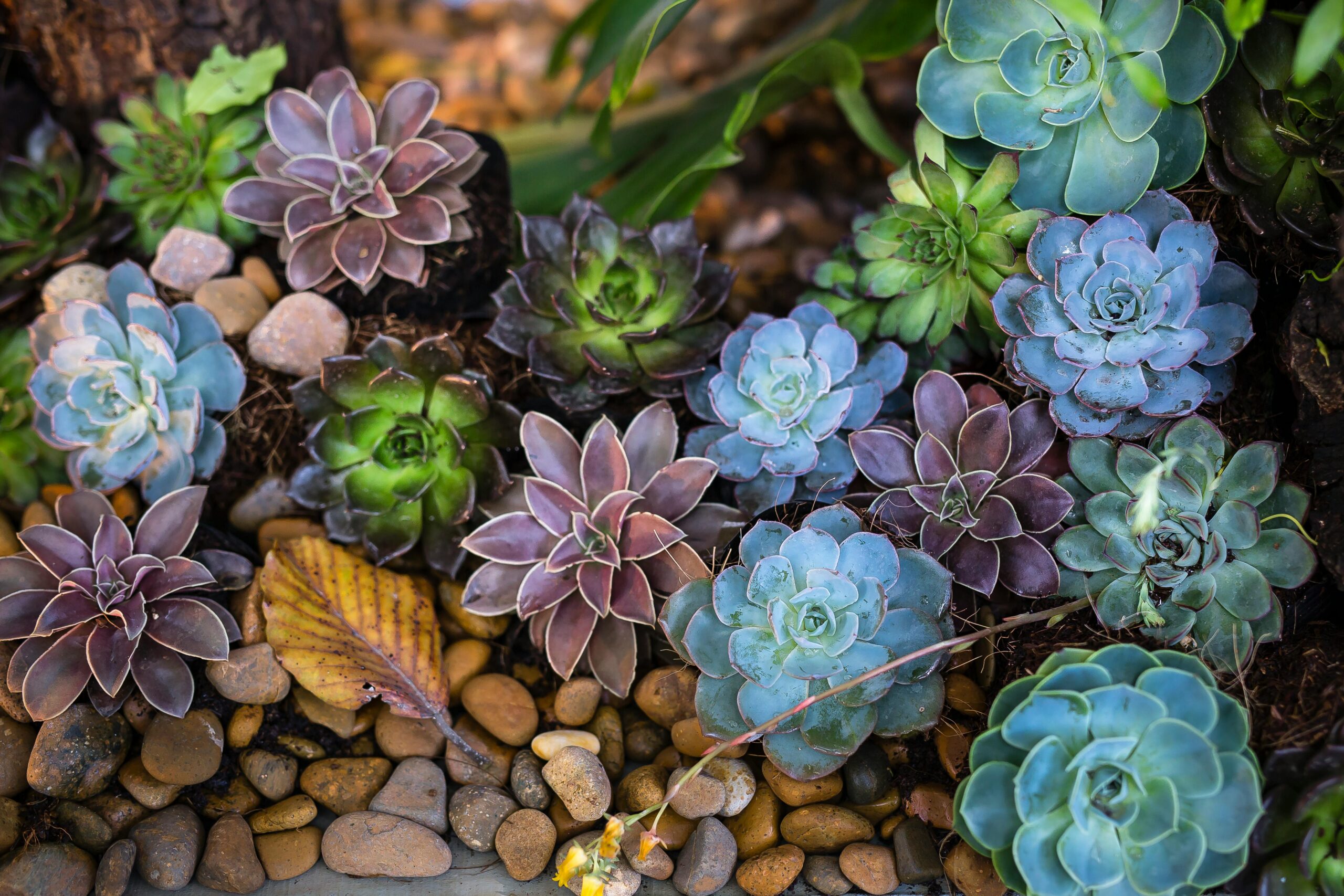
However, limiting yourself exclusively to natives can unnecessarily restrict your palette. Many non-native plants from similar climatic regions can perform beautifully in water-wise landscapes. Mediterranean plants excel in many temperate zones, while succulents from various continents work well in hot, dry regions. The key is matching plants to your specific conditions rather than adhering rigidly to geographical origins.
Hydrozone Planning: Grouping by Water Needs
Hydrozoning—grouping plants with similar water requirements—dramatically improves irrigation efficiency. This strategy prevents the common problem of overwatering drought-tolerant plants or underwatering thirstier specimens. Most water-wise landscapes incorporate three distinct hydrozones:
- High water zone: Located near the home or in focal areas, featuring plants requiring regular irrigation for aesthetic reasons
- Moderate water zone: Transitional areas with plants needing occasional supplemental water during dry periods
- Low water zone: The majority of the landscape, planted with drought-adapted species requiring minimal to no irrigation after establishment
This zonation allows you to concentrate water resources where they matter most while reducing overall consumption. High-visibility areas maintain lush appearance, while outlying spaces embrace naturally adapted aesthetics that require minimal input.
Soil: The Foundation of Water Efficiency ⚡
Healthy soil acts as a reservoir, capturing rainfall and irrigation water and releasing it gradually to plant roots. Poor soil, conversely, either sheds water away or holds it so tightly that roots cannot access it. Improving soil structure represents one of the highest-return investments in water-wise landscaping.
Organic matter is the magic ingredient for soil improvement. Compost, aged manure, and leaf mold increase soil’s water-holding capacity while improving drainage—seemingly contradictory qualities that result from enhanced soil structure. Clay soils become more porous and workable, while sandy soils gain moisture retention. A single percentage point increase in soil organic matter can help soil hold approximately 20,000 additional gallons of water per acre.
Mulching Strategies for Moisture Conservation
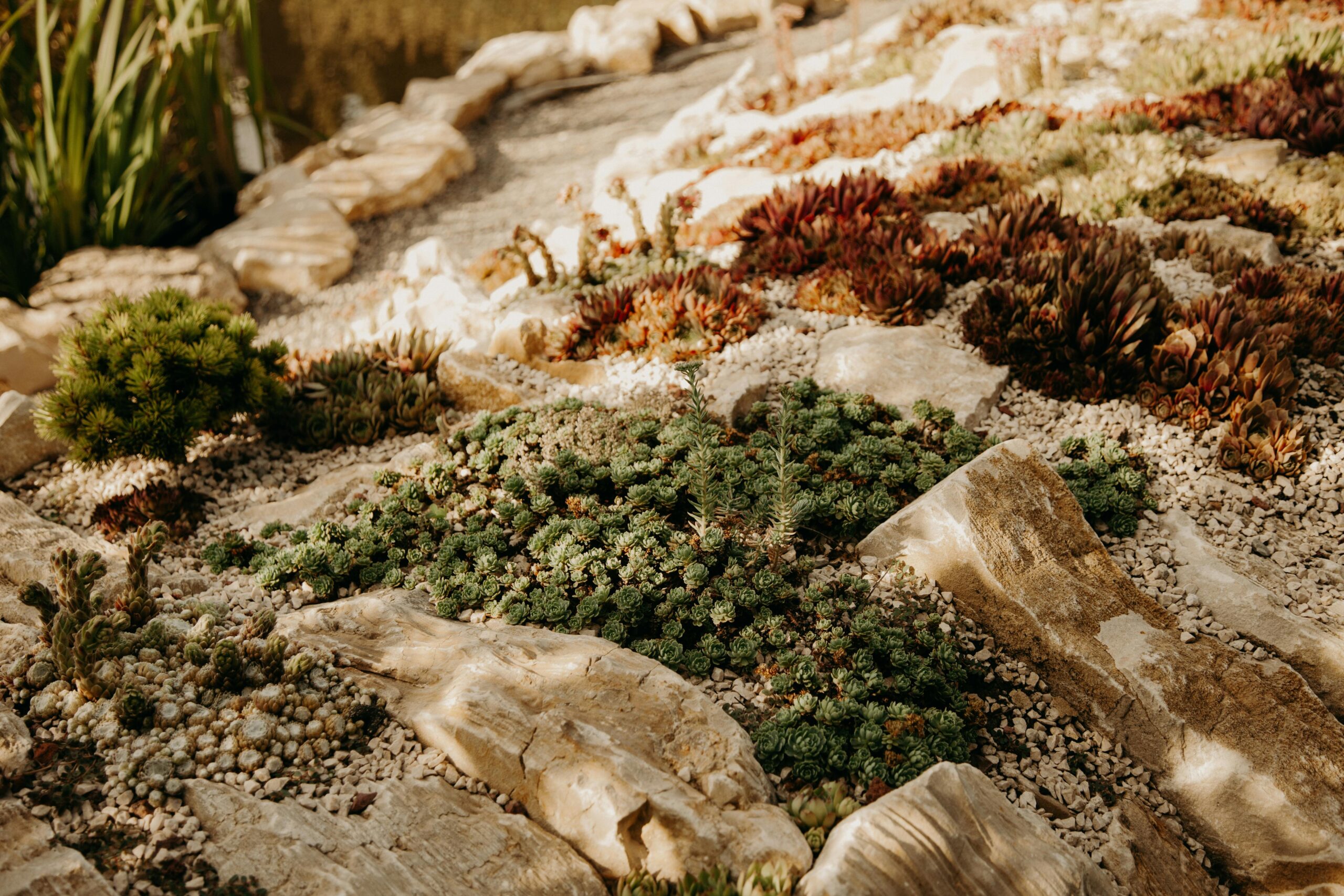
Mulch serves as a protective blanket that dramatically reduces water evaporation from soil surfaces. Organic mulches like wood chips, shredded bark, or compost offer the additional benefit of gradually breaking down and enriching soil. Inorganic options like gravel or decorative rock work well in specific aesthetic contexts and last indefinitely without replacement.
Proper mulch application means spreading a 2-4 inch layer around plants, keeping material several inches away from stems and trunks to prevent rot. This simple practice can reduce supplemental watering needs by 25-50% while suppressing weeds that compete for moisture. Refresh organic mulches annually as they decompose, treating this as an investment in long-term soil health rather than merely an aesthetic treatment.
🌿 Design Principles for Cohesive Plant Communities
Aesthetically successful water-wise landscapes require intentional design that creates visual coherence while supporting ecological function. Random placement of drought-tolerant plants rarely produces satisfying results. Instead, think in terms of plant communities—groups of species that naturally complement one another both ecologically and visually.
Repetition creates unity in water-wise landscapes. Select a core palette of perhaps 5-7 species and repeat them throughout the space in varying quantities and arrangements. This approach mimics natural plant distributions where certain species dominate while others appear as accents. The repetition provides visual continuity while the variation prevents monotony.
Texture and Form in Low-Water Gardens
Many drought-adapted plants feature distinctive textures and architectural forms—attributes that become design assets. The spiky silhouettes of yuccas and agaves contrast beautifully with the soft mounds of ornamental grasses. Silver-leaved plants like artemisia and lavender provide cooling color palettes that visually reinforce the water-wise theme.
Seasonal interest becomes particularly important in water-wise landscapes since you’re not relying on constant water inputs to maintain unchanging greenness. Choose plants that offer multiple seasons of appeal—perhaps interesting bark for winter, flowers in spring, attractive foliage through summer, and seed heads for fall interest. This dynamic quality creates gardens that evolve through the year rather than remaining static.
Irrigation: Smart Technology for Efficient Watering 💧
Even water-wise landscapes typically require some irrigation, at least during establishment and potentially during extreme drought periods. The difference lies in how efficiently that water is delivered. Modern irrigation technology has advanced dramatically, offering tools that maximize every drop’s effectiveness.
Drip irrigation represents the gold standard for water efficiency, delivering water directly to root zones with minimal evaporation or runoff. These systems can achieve 90% efficiency compared to 50-70% for traditional sprinklers. While installation requires more initial effort, the long-term water savings and plant health benefits justify the investment.
Smart Controllers and Sensor Technology
Smart irrigation controllers automatically adjust watering schedules based on weather data, soil moisture levels, and plant needs. These devices connect to local weather stations or use on-site sensors to skip irrigation cycles when rain has occurred or is forecasted. Some advanced systems integrate with smartphone apps, allowing remote monitoring and adjustment.
Soil moisture sensors provide even more precise control by measuring actual moisture levels at root depth. When soil reaches a predetermined dryness threshold, the system waters; when moisture is adequate, it doesn’t. This responsive approach eliminates the guesswork and waste inherent in timer-based schedules that don’t account for rainfall or temperature variations.
🦋 Biodiversity and Ecological Benefits
Water-wise plant communities typically support greater biodiversity than traditional lawns and ornamental gardens. Native and regionally adapted plants provide food and habitat for local pollinators, birds, and beneficial insects. This ecological richness creates landscapes that function as mini-ecosystems rather than mere decoration.
Pollinator-friendly water-wise gardens often feature plants like salvia, penstemon, agastache, and various native wildflowers. These species offer nectar and pollen resources while thriving on minimal water. The resulting increase in beneficial insect populations naturally controls pests, reducing or eliminating the need for pesticides that can harm both target and non-target species.
Creating Habitat Features
Beyond plant selection, physical features enhance ecological value in water-wise landscapes. Rock piles provide shelter for lizards and ground-dwelling insects. Birdbaths offer water sources (that use far less water than irrigating thirsty lawns). Dead wood and brush piles create homes for beneficial insects and small wildlife. These elements cost nothing, require no maintenance, and significantly boost your landscape’s ecological functionality.
Maintenance Practices for Long-Term Sustainability
Water-wise landscapes aren’t maintenance-free, but they are maintenance-different. Rather than weekly mowing, edging, and heavy fertilization, these landscapes require strategic seasonal interventions that actually decrease over time as plants mature and the ecosystem stabilizes.
The establishment period—typically the first two growing seasons—requires the most attention. Newly planted specimens need regular watering to develop extensive root systems that will eventually access deep soil moisture. Gradually reduce watering frequency while increasing volume per session, encouraging roots to grow deeper rather than remaining near the surface.
Seasonal Care Strategies
Spring maintenance focuses on mulch replenishment, pre-emergent weed control, and light pruning. Summer requires monitoring for extreme heat stress and providing supplemental water if plants show persistent wilting. Fall offers ideal planting opportunities in many climates, with cooler temperatures and typically higher rainfall supporting establishment. Winter involves cleanup of spent foliage and planning for the upcoming year.
Fertilization in water-wise landscapes is typically minimal. Excess nutrients stimulate lush growth that requires more water and is more susceptible to pests. A light annual application of compost or slow-release organic fertilizer usually provides sufficient nutrition while continuing to improve soil quality.
🌎 Regional Adaptations and Climate Considerations
Effective water-wise landscaping looks different across climatic zones. Mediterranean climates with winter rainfall favor different strategies than desert regions with summer monsoons or temperate areas with evenly distributed precipitation. Understanding your local rainfall patterns, temperature extremes, and soil types allows you to adapt general principles to specific conditions.
In hot, arid regions, maximizing shade becomes crucial. Strategic placement of trees and structures reduces ground-level temperatures and evaporation rates. In coastal areas with cool summers, water-wise plants native to similar Mediterranean climates often thrive. Cold-climate water-wise landscaping emphasizes plants adapted to both winter cold and periodic drought, like many prairie natives.
Economic and Environmental Returns
The financial benefits of water-wise landscaping extend beyond reduced water bills. Lower maintenance requirements mean fewer hours spent mowing, trimming, and managing plantings. Reduced or eliminated need for fertilizers, pesticides, and other inputs decreases ongoing costs. Many municipalities offer rebates or incentives for replacing lawns with water-efficient alternatives, sometimes covering significant portions of installation costs.
Property values increasingly reflect sustainable features as buyers recognize long-term cost savings and environmental benefits. Well-designed water-wise landscapes offer distinctive curb appeal that differentiates properties in competitive markets. The perception of these landscapes has shifted from austere and utilitarian to sophisticated and forward-thinking.
Calculating Water Savings
Actual water savings vary by region, previous landscape type, and plant selections, but typical results are impressive. Replacing traditional lawns with water-wise alternatives often reduces outdoor water use by 30-60%. For a household using 100,000 gallons annually for irrigation, this translates to 30,000-60,000 gallons saved—enough to supply several households’ indoor needs for a year.
Transforming Existing Landscapes Gradually 🔄
Complete landscape renovation isn’t always feasible or necessary. Gradual transformation allows budget spreading and learning opportunities while delivering progressive water savings. Begin by identifying your highest-water-use areas—typically lawns—and converting sections incrementally. Each completed zone reduces water needs while serving as a learning laboratory for subsequent phases.
Start with the most visible or problematic areas for maximum psychological and practical impact. A struggling lawn strip between sidewalk and street makes an ideal first conversion. These “hell strips” typically suffer from compacted soil, reflected heat, and limited water access—perfect candidates for drought-adapted plant communities that will outperform turf with far less input.
As you gain experience and confidence, expand water-wise principles throughout the property. This phased approach also allows plants in early phases to mature and show their full potential, helping you refine selections and arrangements for later sections. Within 3-5 years, most landscapes can transition substantially toward water efficiency without ever requiring massive upheaval.
Future-Proofing Through Water-Wise Design
Climate projections suggest increasing frequency and severity of droughts across many regions. Water-wise landscaping isn’t merely trendy—it’s increasingly essential for long-term landscape survival and viability. Properties designed with water efficiency from the outset will require minimal adaptation as conditions change, while water-dependent landscapes face expensive retrofitting or potential failure.
Forward-thinking communities are already updating landscaping codes to encourage or require water-efficient design in new developments. Some regions restrict or ban certain high-water-use plants, while others mandate maximum percentages of lawn coverage. Designing with water efficiency now positions properties ahead of likely future regulations while demonstrating environmental responsibility that resonates with contemporary values.
The journey toward water-wise landscaping represents more than adopting new techniques—it reflects a fundamental shift in how we relate to our outdoor spaces. Rather than imposing our aesthetic preferences regardless of environmental costs, we’re learning to create beauty by working within ecological constraints. The resulting landscapes are not compromises but rather expressions of a more sophisticated understanding of sustainability, resilience, and true environmental stewardship that honors both human needs and natural systems.