Climate change and water scarcity are driving gardeners and landscapers worldwide to embrace drought-resistant native plants that conserve resources while creating stunning, resilient outdoor spaces.

🌵 Understanding Drought Resistance in Native Species

Drought-resistant plants have evolved remarkable adaptations that allow them to survive extended periods without supplemental watering. These species develop deep root systems that tap into underground moisture reserves, possess leaves with waxy coatings or reduced surface areas to minimize water loss, and can enter dormancy during extreme conditions. Native plants are particularly valuable because they’ve spent millennia adapting to local climate patterns, soil types, and seasonal variations.
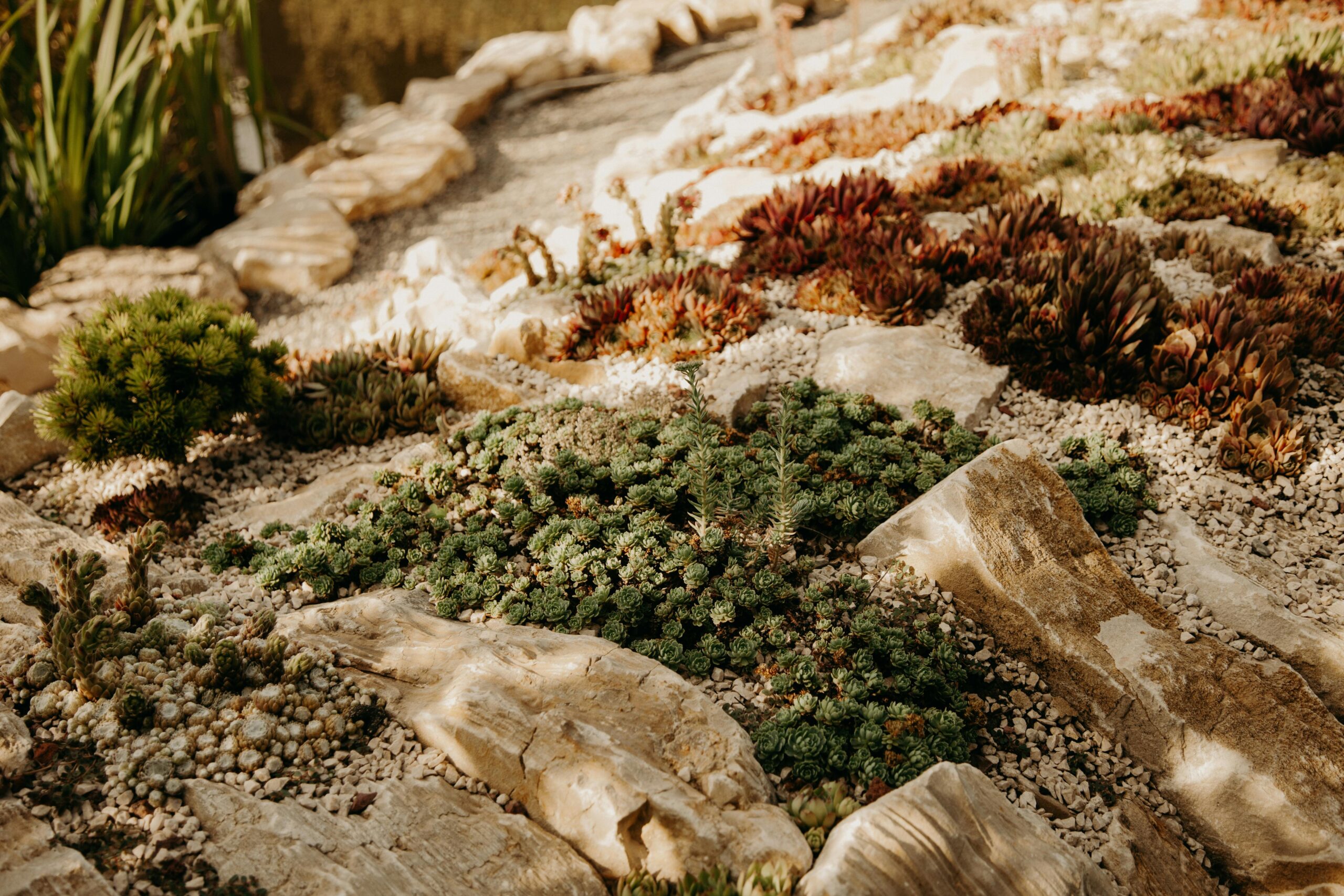
The concept of xeriscaping—landscaping designed to reduce or eliminate irrigation needs—has gained tremendous momentum as communities face water restrictions and environmental concerns. By selecting native drought-resistant species, gardeners support local ecosystems while dramatically reducing maintenance requirements, water bills, and chemical inputs. These plants also provide critical habitat for native pollinators, birds, and beneficial insects that have co-evolved with them over countless generations.
🌍 Arid and Desert Climate Zones: Masters of Water Conservation
Desert regions present the ultimate test for plant survival, with scorching temperatures, minimal rainfall, and intense solar radiation. The native species that thrive here have perfected water conservation strategies that make them virtually indestructible once established.
Iconic Succulent Survivors
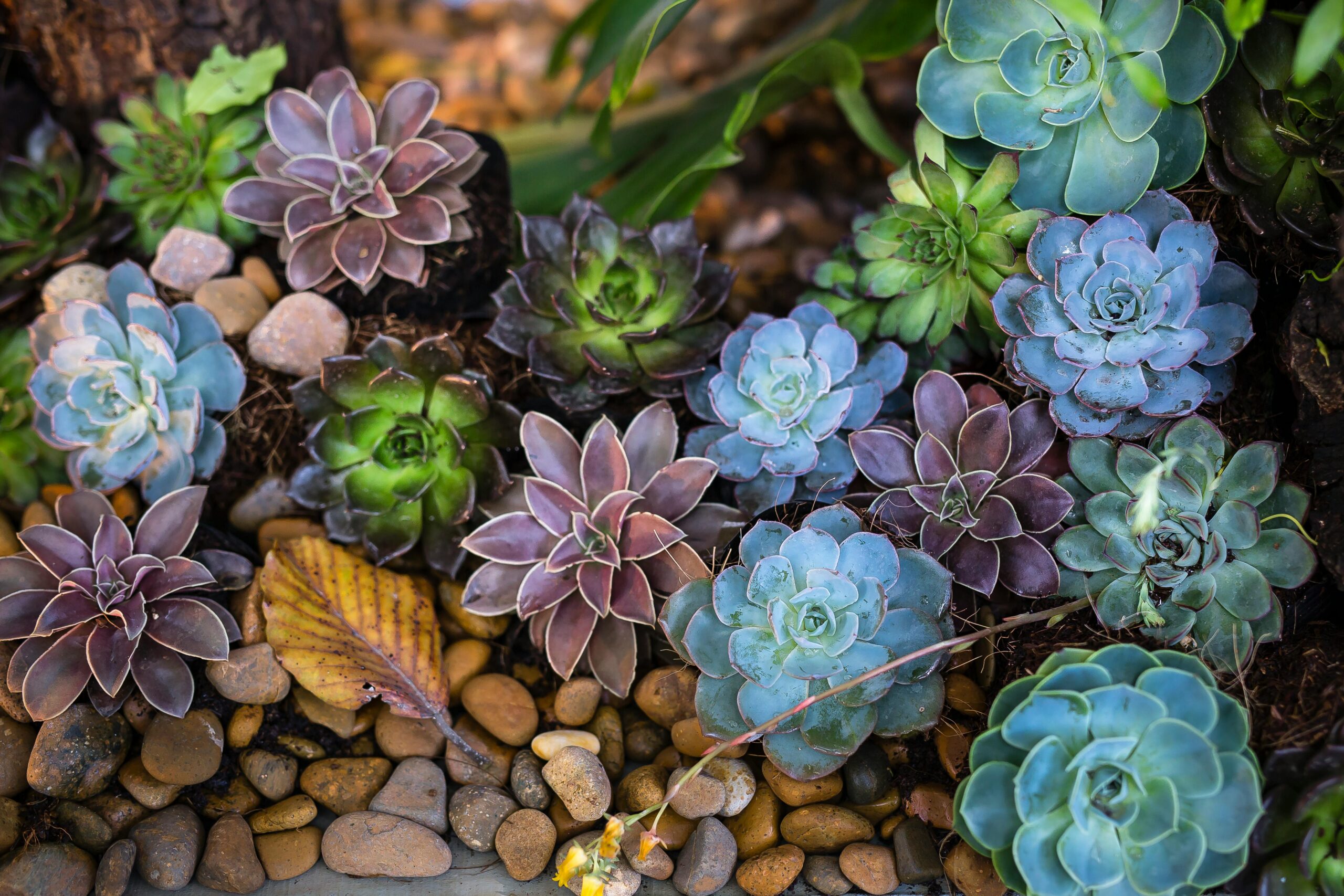
Agave species reign supreme in arid landscapes, with varieties like Agave americana and Agave parryi storing months’ worth of water in their thick, fleshy leaves. These architectural plants create dramatic focal points while requiring virtually no supplemental irrigation after their first year. The Century Plant (Agave americana) can survive on as little as 5 inches of annual rainfall, making it ideal for the driest regions.
Cacti represent another group of extraordinary desert survivors. The Saguaro (Carnegiea gigantea) stands as an icon of the Sonoran Desert, while Prickly Pear cacti (Opuntia species) adapt to diverse conditions from Texas to California. Barrel cacti (Ferocactus species) store water like living reservoirs, expanding and contracting based on moisture availability. These plants don’t just survive—they create entire ecosystems, providing food and shelter for dozens of wildlife species.
Desert Shrubs and Groundcovers
Creosote Bush (Larrea tridentata) deserves recognition as one of Earth’s most drought-resistant plants, thriving in areas receiving less than 6 inches of annual rain. This evergreen shrub features small, resinous leaves that reduce water loss while releasing a distinctive aroma after desert rains. Individual creosote plants can live for thousands of years, with some clonal colonies estimated at over 11,000 years old.
Desert Marigold (Baileya multiradiata) brings brilliant yellow blooms to harsh landscapes while surviving on minimal water. This cheerful perennial flowers prolifically after any moisture event, creating waves of golden color across desert washes. Brittlebush (Encelia farinosa) offers similar resilience with silvery foliage that reflects intense sunlight and conserves precious moisture.
🏜️ Mediterranean Climate Zones: Balancing Beauty and Resilience
Mediterranean climates feature hot, dry summers and mild, wet winters—a pattern that has shaped distinctive plant communities in California, parts of Australia, South Africa, and the Mediterranean Basin itself. Native plants from these regions have adapted to endure months without rainfall while making the most of winter precipitation.
California’s Drought Champions
California native plants have become increasingly popular as the state faces recurring droughts and water restrictions. Ceanothus species, commonly called California lilac, produce spectacular blue or white flower clusters in spring while surviving summer droughts without irrigation. These nitrogen-fixing shrubs improve soil quality while supporting over 40 butterfly species and countless native bees.
Manzanita (Arctostaphylos species) represents another quintessentially Californian group, with smooth red bark and small urn-shaped flowers that attract hummingbirds in winter. These evergreen shrubs thrive on rocky slopes with excellent drainage, requiring zero summer water once established. Varieties range from low groundcovers to small trees, offering options for every landscape situation.
Toyon (Heteromeles arbutifolia) provides year-round interest with glossy evergreen leaves, white summer flowers, and brilliant red winter berries that feed migrating birds. This tough shrub tolerates clay soils, slopes, and full neglect once established, making it ideal for low-maintenance landscapes throughout California’s diverse regions.
Mediterranean Herbs and Perennials
Lavender (Lavandula species) perfectly exemplifies Mediterranean plant adaptations, with silvery aromatic foliage that deters herbivores while reducing water loss. Native to southern Europe, these beloved perennials thrive in hot, dry conditions with excellent drainage. Spanish Lavender (Lavandula stoechas) proves particularly drought-tolerant, surviving on rainfall alone in many regions.
Rosemary (Salvia rosmarinus) combines culinary value with landscape utility, forming dense evergreen hedges or cascading over walls without irrigation. This woody perennial thrives in poor soils and can survive extended droughts once its deep roots establish. The fragrant flowers attract pollinators during late winter and early spring when few other food sources exist.
🌾 Prairie and Grassland Climate Zones: Resilience Through Deep Roots
North American prairies evolved with periodic droughts, fires, and grazing pressure, producing plant species with extraordinary resilience. These natives develop root systems that can extend 10-15 feet deep, accessing moisture unavailable to shallow-rooted species while preventing soil erosion.
Prairie Grasses: The Foundation Species
Big Bluestem (Andropogon gerardii) earned the nickname “turkey foot” for its distinctive seed heads and once dominated millions of acres of tallgrass prairie. This warm-season grass sends roots up to 12 feet deep, allowing it to remain green during droughts that brown out conventional turf. The foliage turns stunning copper-red in fall, providing four-season interest.
Blue Grama (Bouteloua gracilis) serves as a keystone species in shortgrass prairies, forming dense, drought-resistant turf that requires no mowing, fertilizing, or supplemental water. This low-growing grass produces distinctive horizontal seed heads that resemble tiny combs. Blue Grama lawns remain green with as little as 12 inches of annual rainfall while supporting diverse wildlife.
Switchgrass (Panicum virgatum) offers versatility across diverse climates, from Texas to Canada. This clumping grass develops deep roots that make it virtually drought-proof while providing nesting habitat for ground-nesting birds. Modern cultivars range from blue-green to burgundy, with airy seed heads that dance in the slightest breeze.
Flowering Prairie Perennials
Purple Coneflower (Echinacea purpurea) combines garden beauty with prairie toughness, producing large daisy-like flowers that feed butterflies and finches. This resilient perennial survives heat, humidity, drought, and cold while self-sowing to create drifts of color. The seed heads provide winter food for goldfinches and other birds.
Black-Eyed Susan (Rudbeckia hirta) brightens prairie landscapes with golden flowers from June through September. This cheerful perennial tolerates poor soils, clay, and extended droughts while attracting numerous pollinators. Plants self-seed readily, creating naturalized colonies that require zero maintenance.
Prairie Blazing Star (Liatris pycnostachya) sends up tall spikes covered with purple flowers that open from top to bottom—unusual among flowering plants. This tuberous perennial survives drought through underground storage organs while providing nectar for monarch butterflies during their fall migration. The distinctive flower spikes add vertical interest to prairie-style plantings.
🌲 Woodland and Forest Edge Climate Zones: Shade-Tolerant Survivors
While woodland plants typically receive more moisture than desert species, many natives have adapted to dry shade conditions beneath tree canopies or on rocky slopes where water drains quickly. These species represent valuable options for challenging garden situations.
Understory Shrubs and Perennials
Oregon Grape (Mahonia aquifolium) thrives in dry shade from the Pacific Northwest to the Rocky Mountains, producing yellow spring flowers, blue summer berries, and evergreen holly-like foliage. This tough shrub tolerates root competition from trees while providing year-round structure and wildlife food.
Wild Ginger (Asarum canadense) creates lush groundcover in eastern forests despite dry summer conditions. This rhizomatous perennial spreads slowly beneath deciduous trees, timing its growth to capture spring moisture before the canopy closes. The heart-shaped leaves remain attractive through summer droughts without supplemental water.
Solomon’s Seal (Polygonatum biflorum) arches gracefully in woodland gardens, producing white bell-shaped flowers followed by blue-black berries. This resilient perennial goes dormant during extreme drought but returns reliably each spring. The architectural form adds elegance to shaded areas where few other plants thrive.
🌿 Subtropical and Humid Climate Zones: Adapting to Seasonal Extremes
Even regions with abundant rainfall experience seasonal droughts or sandy soils that drain rapidly. Native plants from these areas have developed strategies to cope with periodic water stress while tolerating humidity and heat.
Southern Native Powerhouses
Yaupon Holly (Ilex vomitoria) proves exceptionally drought-tolerant once established, thriving throughout the southeastern United States. This evergreen shrub produces tiny white flowers and abundant red berries while tolerating heat, humidity, salt spray, and neglect. Dwarf varieties create dense hedges without shearing.
Muhly Grass (Muhlenbergia capillaris) creates clouds of pink flowers in fall, transforming southern landscapes with minimal care. This clumping grass survives on rainfall alone in most regions while providing habitat for butterflies and small birds. The airy seed heads glow when backlit by morning or evening sun.
Coontie (Zamia integrifolia) represents Florida’s only native cycad, surviving hurricanes, droughts, and poor soils with equal ease. This ancient plant features stiff evergreen fronds and serves as the sole larval host for the rare Atala butterfly. Coontie tolerates deep shade or full sun once established.
💡 Selecting the Right Species for Your Specific Site
Success with drought-resistant natives requires matching plants to your particular conditions. Assess your USDA hardiness zone, annual precipitation, soil type, sun exposure, and drainage patterns before selecting species. Local native plant societies offer invaluable guidance on which species naturally occur in your area.
Consider microclimates within your property—south-facing slopes dry out faster than north-facing areas, while low spots collect more moisture. Rocky or sandy soils drain quickly, favoring desert and prairie species, while clay soils hold moisture longer, accommodating a wider range of plants. Wind exposure significantly increases water needs, so provide windbreaks for exposed sites.
Group plants with similar water requirements together, creating hydrozones that simplify irrigation management. Place the most drought-tolerant species in areas that never receive supplemental water, while positioning moderately drought-tolerant plants where they’ll receive occasional deep watering during extreme conditions.
🌱 Establishment Strategies for Long-Term Success
Even drought-resistant natives require regular watering during their first growing season while roots establish. Water deeply but infrequently, encouraging roots to grow downward rather than staying near the surface. Most natives need weekly watering for the first three months, then gradually extending the interval between waterings.
Plant during optimal seasons—fall planting allows roots to establish during cool, moist weather before facing summer stress. Container-grown plants transplant successfully during extended seasons, but bare-root plants should only be installed while dormant. Avoid planting during extreme heat or just before anticipated droughts.
Mulch conserves moisture, moderates soil temperatures, and suppresses competing weeds. Apply 2-4 inches of organic mulch around plants, keeping it away from stems to prevent rot. As mulch decomposes, it improves soil structure and provides nutrients, creating conditions that further enhance drought resistance.
🦋 Ecological Benefits Beyond Water Conservation
Drought-resistant native plants create functional ecosystems that support biodiversity while reducing resource inputs. Native species provide food and habitat for specialist insects that have evolved alongside them, supporting complete food webs from caterpillars to songbirds. Research shows native plants support 29 times more caterpillar biomass than non-native species—critical protein for raising baby birds.
Deep-rooted natives improve soil structure, increase water infiltration, and reduce runoff that carries pollutants into waterways. Their extensive root systems sequester carbon while preventing erosion on slopes and disturbed areas. These plants create living systems that become more resilient and self-sustaining over time rather than requiring increasing inputs.
By eliminating irrigation, fertilizers, and pesticides, native drought-resistant landscapes reduce environmental impacts while cutting maintenance costs by 50-80% compared to conventional turf. These gardens demonstrate that beauty and sustainability are not mutually exclusive—they’re complementary goals achieved through working with nature rather than against it.
🌟 Creating Your Drought-Resistant Native Garden
Begin small, converting high-visibility areas first to build confidence and demonstrate possibilities. Remove existing turf in manageable sections, then prepare beds by improving drainage if necessary. Avoid excessive soil amendments—most natives thrive in unamended native soil and can suffer from overly rich conditions.
Design with layers, mimicking natural plant communities. Include canopy trees, understory shrubs, perennials, and groundcovers to create visual interest while maximizing ecosystem functions. Repeat plants in drifts rather than single specimens for greater impact and to simplify maintenance.
Embrace seasonal changes rather than expecting year-round uniformity. Native gardens display dynamic beauty through flowering sequences, foliage color changes, interesting seed heads, and winter architecture. This naturalistic aesthetic celebrates ecological processes while reducing the labor-intensive maintenance required by static formal designs.
Connect with local resources including native plant societies, extension offices, and botanical gardens. These organizations offer plant sales, educational programs, and garden tours that provide inspiration and practical knowledge. Many regions maintain demonstration gardens showcasing drought-resistant natives in realistic landscape settings.
The transition to drought-resistant native species represents more than an aesthetic choice—it’s an investment in ecological resilience, water conservation, and habitat restoration. These remarkable plants have survived ice ages, droughts, fires, and floods, proving their adaptability across millennia. By incorporating them into our landscapes, we create living connections to regional ecosystems while building gardens that truly thrive with minimal inputs. Whether you’re gardening in the desert Southwest, humid Southeast, windswept prairies, or Mediterranean coast, native drought-resistant species offer beauty, functionality, and sustainability that conventional landscapes simply cannot match.