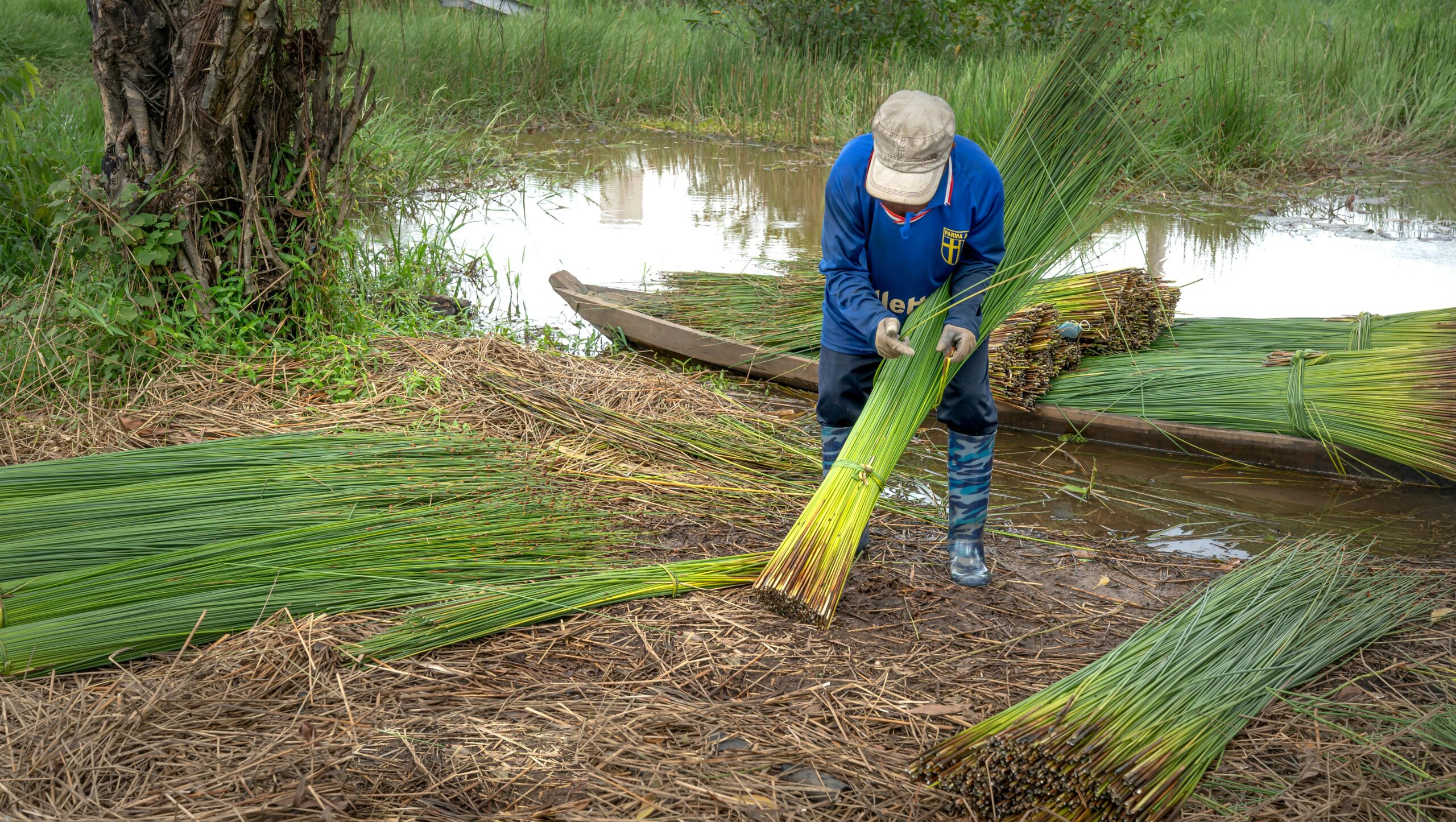
Drought conditions challenge communities worldwide, yet innovative projects demonstrate that resilience and sustainability can thrive even in water-scarce environments through strategic planning and adaptation.

🌍 Understanding the Global Context of Water Scarcity
Water scarcity affects more than 2 billion people globally, transforming how we approach agriculture, urban development, and ecosystem management. Climate change intensifies drought patterns, creating urgent demands for solutions that balance human needs with environmental preservation. Drought-resistant projects emerge not as temporary fixes but as comprehensive strategies reshaping our relationship with water resources.
The success stories we explore reveal common threads: community engagement, technological innovation, traditional knowledge integration, and adaptive management approaches. These projects prove that sustainable development during drought conditions requires multifaceted strategies addressing social, economic, and environmental dimensions simultaneously.
🌾 Agricultural Transformations: From Vulnerability to Resilience
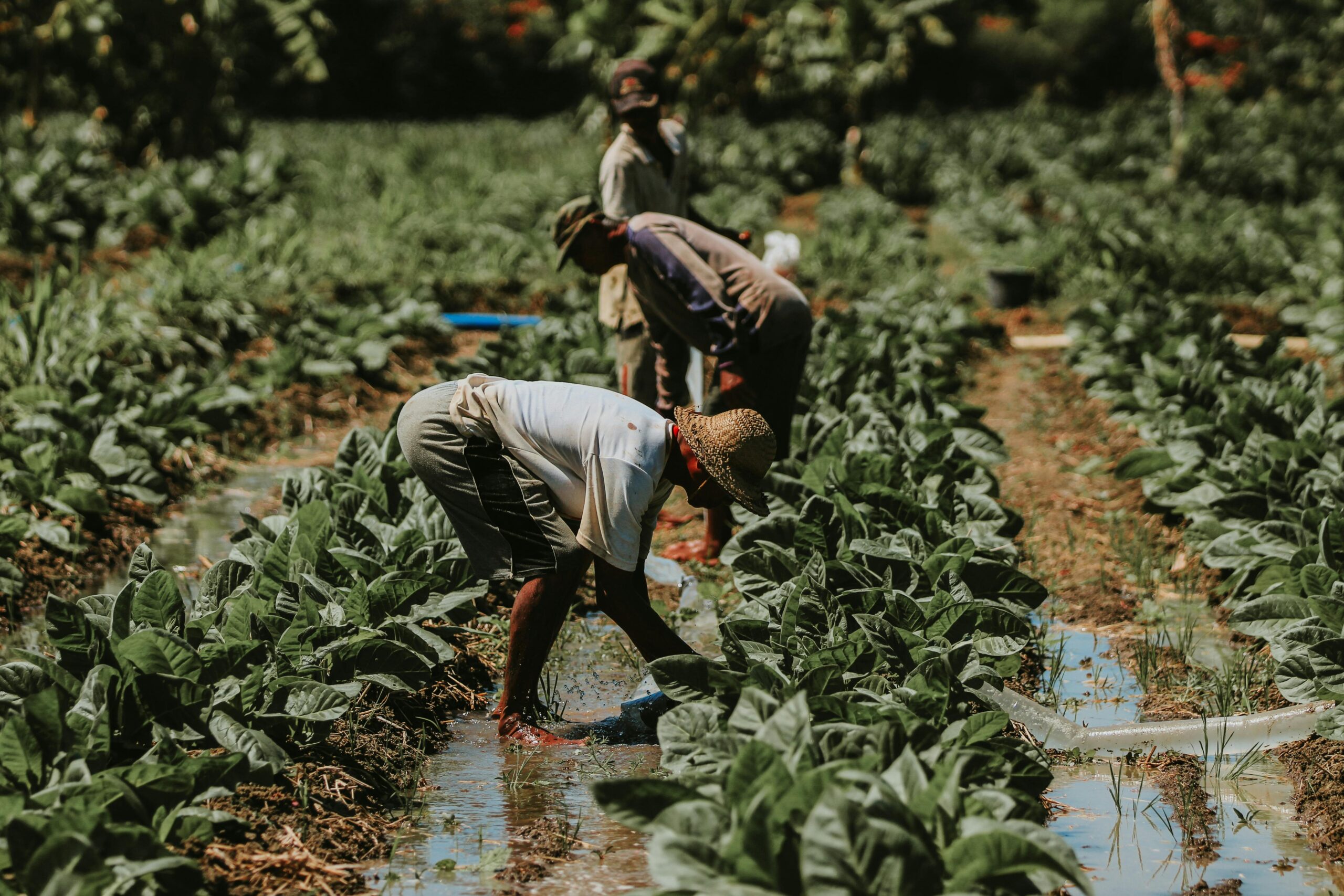
Agriculture consumes approximately 70% of global freshwater resources, making it both vulnerable to drought and crucial for water conservation efforts. Successful drought-resistant agricultural projects demonstrate how farmers can maintain productivity while drastically reducing water consumption.
Israel’s Precision Irrigation Revolution
Israel transformed desert regions into productive agricultural lands through drip irrigation technology and water recycling systems. This nation recycles nearly 90% of its wastewater for agricultural purposes, the highest rate globally. Farmers utilize sensors monitoring soil moisture, plant stress indicators, and weather patterns to optimize water application precisely when and where needed.
The results speak volumes: Israeli farmers produce exceptional yields using 50-70% less water than conventional irrigation methods. This success stems from integrated strategies combining technology, policy support, research investment, and farmer education programs that create comprehensive water-smart agricultural systems.
California’s Groundwater Sustainability Journey
Following devastating droughts, California implemented the Sustainable Groundwater Management Act, requiring local agencies to develop sustainability plans preventing aquifer depletion. Agricultural communities adopted crop switching strategies, replacing water-intensive crops with drought-tolerant alternatives like pistachios, pomegranates, and certain wine grape varieties.
Farmers embraced soil health practices including cover cropping, reduced tillage, and organic matter incorporation, enhancing water retention capacity. These approaches increased agricultural resilience while reducing irrigation demands by 15-30% depending on crop types and soil conditions.
💧 Urban Water Management: Cities Leading the Change
Urban areas concentrate water demand while often lacking natural replenishment sources. Successful cities implement comprehensive water management strategies combining conservation, alternative sources, and infrastructure modernization.
Singapore’s Four National Taps Strategy
Singapore achieved water independence through diversified sources: imported water, local catchment, desalinated water, and reclaimed water (NEWater). The city-state captures rainfall from two-thirds of its land area through extensive catchment systems, treats wastewater to ultra-pure standards for industrial and potable use, and operates desalination plants as drought-proof supplies.
Public education campaigns transformed consumption behaviors, reducing per capita daily water use from 165 liters in 2003 to 141 liters by 2020. Smart water grids detect leaks immediately, maintaining distribution efficiency above 95%, compared to global averages around 70-80%.
Melbourne’s Millennium Drought Response
Facing a thirteen-year drought, Melbourne implemented aggressive water conservation programs combining restrictions, public awareness campaigns, and infrastructure investments. The city built desalination plants, upgraded treatment facilities, and incentivized household rainwater tanks and greywater systems.
Residents reduced consumption by 50% during peak drought years. Even after drought conditions eased, consumption remained 30% below pre-drought levels, demonstrating lasting behavioral changes. Green infrastructure including rain gardens, permeable pavements, and urban forests enhanced water infiltration while cooling urban heat islands.
🌳 Ecosystem Restoration: Nature-Based Solutions
Healthy ecosystems provide natural water regulation, storage, and purification services. Restoration projects demonstrate how ecological recovery enhances drought resilience for both nature and human communities.
China’s Loess Plateau Restoration
One of history’s largest ecological restoration projects transformed degraded lands supporting 50 million people. The project combined terracing, revegetation, grazing management, and community-based natural resource governance. Over two decades, vegetation cover increased from 17% to over 60% in many areas.
Restored watersheds exhibited improved water retention, reduced erosion, increased stream baseflows during dry seasons, and enhanced agricultural productivity. Local incomes increased substantially as restored lands supported sustainable agriculture, improved livestock management, and emerging eco-tourism activities.
Jordan’s Azraq Wetland Revival
Azraq Oasis, once a vital wetland in Jordan’s desert, nearly disappeared due to groundwater extraction. Conservation efforts implemented managed water releases, groundwater pumping restrictions, and community engagement programs. The wetland recovered significantly, supporting migratory bird populations and local biodiversity.
This project demonstrated that even severely degraded desert ecosystems can recover when water management prioritizes ecological needs alongside human uses. The restored wetland now supports eco-tourism, providing economic alternatives to water-intensive activities.
👥 Community-Led Initiatives: Local Knowledge Meets Innovation
Grassroots projects often achieve remarkable success by combining traditional practices with modern techniques, creating culturally appropriate and locally sustainable solutions.
Rajasthan’s Traditional Water Harvesting Revival
Communities in India’s Rajasthan state revived traditional johads (earthen check dams) and tankas (underground water storage tanks) that had fallen into disuse. These structures capture monsoon runoff, recharge groundwater, and provide dry season water supplies.
Villages constructing water harvesting structures witnessed groundwater table rises of 3-6 meters within years. Agricultural productivity increased, out-migration decreased, and biodiversity returned as ecosystems recovered. The project succeeded because communities owned and managed structures based on traditional governance systems adapted to contemporary conditions.
Kenya’s Sand Dam Innovation
Sand dams built across seasonal rivers in Kenya’s drylands create artificial aquifers storing water in sand deposits. As rivers flow during rains, sand accumulates behind dams while water infiltrates and stores beneath the surface, protected from evaporation and contamination.
Communities access clean water year-round through shallow wells adjacent to dams. Each sand dam serves approximately 1,000 people, dramatically reducing time spent collecting water—particularly benefiting women and children. The structures last decades with minimal maintenance, providing exceptional cost-effectiveness.
🔬 Technological Innovations Driving Drought Resilience
Advanced technologies offer powerful tools for understanding, predicting, and responding to drought conditions more effectively than ever before.
Remote Sensing and Early Warning Systems
Satellite monitoring systems track vegetation health, soil moisture, precipitation patterns, and water body levels globally. Organizations like NASA and ESA provide freely accessible data enabling governments and communities to detect emerging drought conditions months in advance.
Early warning systems trigger predetermined response protocols including water allocation adjustments, agricultural advisories, and emergency resource mobilization. Countries implementing comprehensive early warning systems reduce drought-related economic losses by 20-40% compared to reactive approaches.
Artificial Intelligence for Water Management
Machine learning algorithms optimize water distribution networks, predict consumption patterns, detect leaks, and forecast supply-demand imbalances. Utilities deploying AI-powered systems reduce water losses by 15-25% while improving service reliability and reducing operational costs.
Agricultural applications include AI-driven irrigation scheduling tools analyzing weather forecasts, soil conditions, crop growth stages, and historical patterns to recommend optimal irrigation timing and amounts. Farmers using these tools typically reduce water use by 20-35% while maintaining or increasing yields.
📊 Measuring Success: Key Performance Indicators
Effective drought-resistant projects establish clear metrics tracking progress toward sustainability goals. Common indicators include:
- Water Use Efficiency: Output produced per unit of water consumed, tracking productivity improvements
- Groundwater Levels: Monitoring aquifer recharge rates versus extraction rates ensuring long-term sustainability
- Ecosystem Health: Biodiversity indicators, vegetation cover, and stream flow patterns reflecting environmental conditions
- Community Resilience: Economic stability, food security, and reduced vulnerability during drought events
- Behavioral Change: Sustained adoption of water-saving practices beyond immediate crisis periods
Successful projects regularly assess these indicators, adapting strategies based on results and changing conditions rather than following rigid predetermined plans.
💡 Essential Strategies Emerging from Success Stories
Analyzing diverse drought-resistant projects reveals consistent strategic elements contributing to sustainable success.
Integrated Water Resources Management
Successful projects coordinate across sectors, stakeholders, and scales rather than addressing water issues in isolation. Agriculture, urban development, industry, and ecosystem needs receive balanced consideration through participatory planning processes ensuring equitable and sustainable outcomes.
Diversified Water Sources
Dependence on single water sources creates vulnerability. Resilient communities develop multiple supply options including rainwater harvesting, groundwater management, water recycling, and when appropriate, desalination. Diversification ensures reliability even when individual sources fail during extreme drought.
Demand Management Alongside Supply Development
Traditional approaches focused exclusively on increasing supply through dams, wells, and transfers. Sustainable strategies prioritize reducing unnecessary consumption through efficiency improvements, appropriate pricing, behavioral change programs, and regulatory frameworks establishing conservation as the norm.
Adaptive Management Frameworks
Drought conditions and climate patterns evolve unpredictably. Rigid management plans fail when conditions exceed design assumptions. Adaptive frameworks establish monitoring systems, decision triggers, and flexible response options enabling adjustments based on real-time conditions and emerging knowledge.
🤝 Building Partnerships for Lasting Impact
No single organization possesses all resources, knowledge, and authority needed for comprehensive drought resilience. Successful projects build diverse partnerships spanning government agencies, research institutions, private sector entities, non-governmental organizations, and community groups.
Effective partnerships establish clear roles, transparent communication channels, shared decision-making processes, and equitable benefit distribution. They leverage diverse strengths: government policy authority, research expertise, private sector innovation and efficiency, NGO community connections, and local traditional knowledge.
International partnerships facilitate knowledge transfer between regions facing similar challenges. Networks like the International Drought Resilience Alliance connect practitioners, researchers, and policymakers, accelerating learning and preventing duplication of effort.
📱 Digital Tools Supporting Water Conservation
Mobile applications empower individuals and communities to participate actively in water conservation efforts. Water tracking apps help households monitor consumption, identify waste, and set reduction goals. Agricultural apps provide irrigation recommendations, weather forecasts, and crop management advice optimized for local conditions.
Citizen science applications enable community members to report leaks, monitor local water bodies, and contribute data supporting management decisions. These tools democratize water information, transforming passive consumers into engaged stewards.
🌱 Cultivating the Next Generation of Water Stewards
Long-term sustainability requires cultural shifts embedding water consciousness into societal values. Education programs targeting children and youth build understanding of water cycles, conservation importance, and individual responsibilities. Schools implementing water-wise curricula and campus practices create living laboratories demonstrating sustainable principles.
Youth engagement initiatives involve students in monitoring projects, restoration activities, and innovation challenges developing solutions to local water challenges. These experiences foster environmental literacy and leadership skills, preparing future decision-makers who prioritize sustainability.
🔄 Scaling Success: From Pilots to Widespread Adoption
Promising pilot projects must scale to achieve meaningful impact. Successful scaling requires documentation of approaches, outcomes, and lessons learned in formats accessible to diverse audiences. Policy frameworks should support replication through funding mechanisms, technical assistance programs, and regulatory accommodations for innovative approaches.
Scaling isn’t simply copying projects elsewhere but adapting core principles to local contexts. What works in one cultural, economic, or environmental setting requires modification for others. Effective scaling processes include local stakeholder engagement ensuring appropriateness and ownership.
🌟 The Path Forward: Turning Crisis into Opportunity
Drought challenges intensify globally, yet accumulated knowledge and proven strategies offer pathways toward resilient, sustainable water futures. Success requires political will, adequate investment, technological innovation, social engagement, and institutional coordination—all evident in the success stories examined.
The transition from water-wasteful to water-wise societies represents profound transformation touching every aspect of modern life. However, numerous communities worldwide demonstrate this transition’s feasibility and benefits. Economic opportunities emerge in water technology sectors, restored ecosystems provide valuable services, and resilient communities weather crises that devastate unprepared neighbors.
Climate change ensures water challenges will persist and evolve. Our response determines whether drought brings catastrophe or catalyzes transformation toward truly sustainable development. The success stories explored here illuminate possibilities when innovation, determination, and collaboration converge addressing one of humanity’s most fundamental challenges.
Every stakeholder—governments establishing supportive policies, businesses developing sustainable practices, researchers generating knowledge, organizations implementing projects, and individuals making daily choices—contributes to collective outcomes. Drought-resistant success isn’t achieved through isolated heroic efforts but through countless actions aligning toward shared visions of water security and environmental health.
The question isn’t whether drought-resistant, sustainable futures are possible—proven examples answer affirmatively. The question is whether we’ll learn from successes, invest adequately, act decisively, and persist through challenges inherent in systemic change. Water scarcity may be our reality, but water wisdom can be our response, creating resilient communities thriving despite constraints through ingenuity, adaptation, and stewardship principles guiding the remarkable success stories that light our path forward.