Transform your landscape with drought-resistant groundcovers that prevent erosion while creating stunning, low-maintenance beauty that thrives in challenging conditions year-round.

Erosion control has become one of the most pressing concerns for homeowners, landscapers, and environmental professionals alike. As climate patterns shift and water conservation becomes increasingly critical, the need for sustainable landscaping solutions has never been more urgent. Drought-resistant groundcovers offer a powerful answer to both erosion challenges and water scarcity, creating resilient landscapes that protect soil while delivering exceptional aesthetic appeal.

Whether you’re dealing with steep slopes, sandy soil, or simply want to reduce your landscape’s water consumption, selecting the right groundcovers can make all the difference. These remarkable plants work tirelessly beneath the surface, developing extensive root systems that bind soil particles together while their foliage shields the earth from the destructive forces of wind and rain.
🌱 Why Drought-Resistant Groundcovers Are Essential for Modern Landscapes
The marriage of erosion control and drought resistance creates a synergy that addresses multiple environmental challenges simultaneously. Traditional erosion control methods often require significant water inputs, making them unsustainable in arid climates or during drought conditions. Drought-resistant groundcovers, however, establish quickly and then maintain their protective coverage with minimal irrigation.
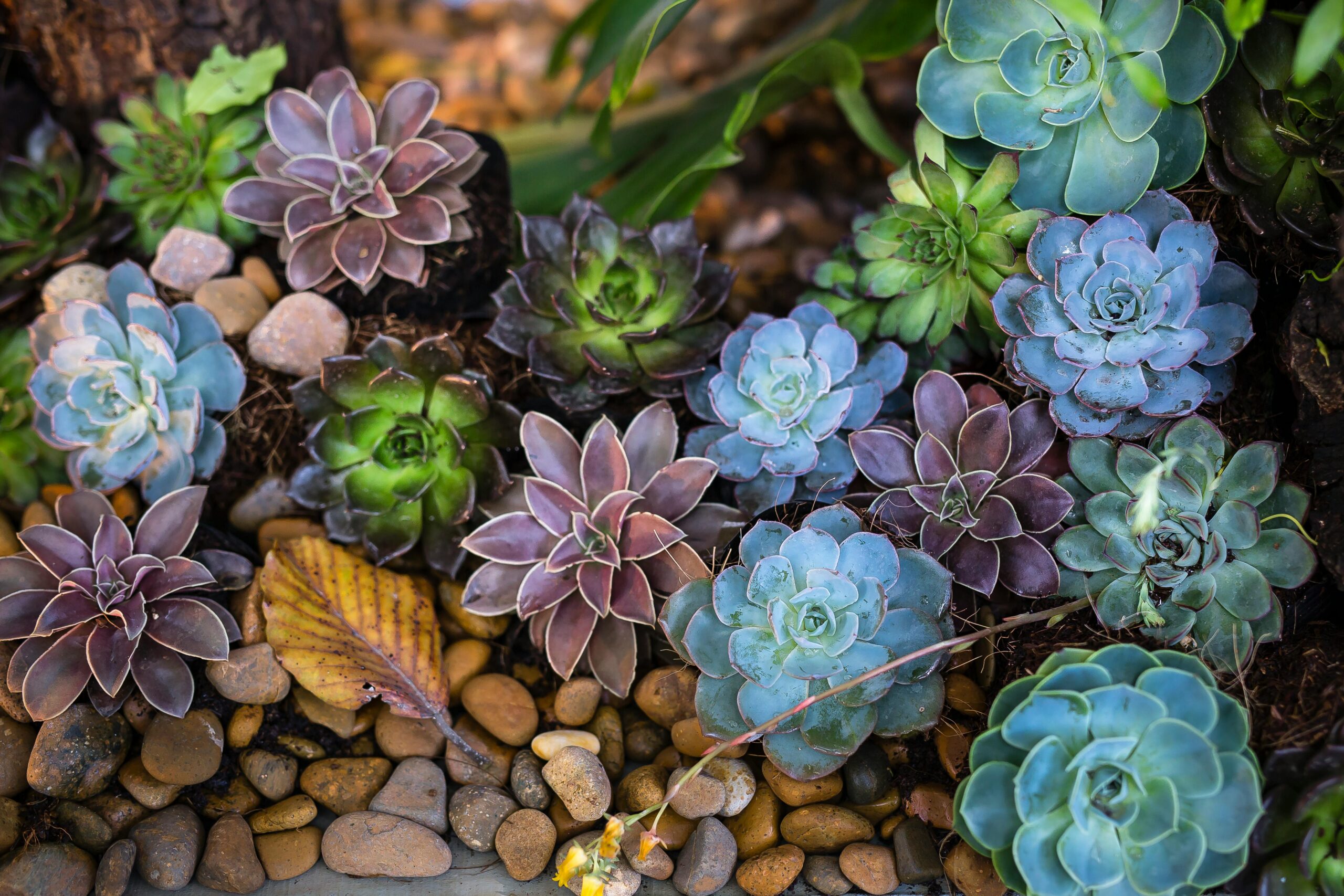
These specialized plants have evolved remarkable adaptations that allow them to survive with limited water. Deep taproots access moisture far below the surface, while thick or waxy leaves minimize water loss through transpiration. Some species store water in succulent tissues, while others simply go dormant during extreme drought, reviving quickly when conditions improve.
Beyond their practical benefits, drought-tolerant groundcovers contribute to biodiversity, provide habitat for beneficial insects, and reduce the urban heat island effect. They eliminate the need for gas-powered mowers on slopes, significantly reducing both carbon emissions and maintenance costs. For property owners facing water restrictions or high utility bills, these plants represent a smart investment that pays dividends year after year.
Top Performing Drought-Resistant Groundcovers for Erosion Control
Creeping Thyme (Thymus serpyllum) 🌸
This aromatic Mediterranean native creates dense, fragrant mats that suppress weeds while preventing soil loss. Creeping thyme tolerates foot traffic remarkably well, making it ideal for pathways and slopes where access is occasionally needed. Its tiny purple, pink, or white flowers attract pollinators throughout the summer months, adding ecological value to its erosion-control capabilities.
Once established, creeping thyme requires virtually no supplemental watering in most climates. Its extensive root system penetrates deeply into rocky or sandy soils where other plants struggle. The plant grows only 2-4 inches tall, creating a carpet-like effect that flows beautifully over contours and around obstacles. Deer and rabbits typically avoid it, making it perfect for rural properties where wildlife browsing presents challenges.
Ice Plant (Delosperma cooperi)
Native to South Africa, ice plant delivers spectacular erosion control with a stunning visual display. Its succulent leaves store water efficiently, allowing it to thrive in conditions that would devastate conventional groundcovers. The brilliant purple, pink, yellow, or orange daisy-like flowers create a dramatic show from late spring through fall.
Ice plant spreads quickly across bare soil, establishing a protective layer within a single growing season. It performs exceptionally well on slopes, in rocky areas, and in coastal environments where salt spray limits plant options. The low-growing habit—typically 3-6 inches—creates minimal wind resistance while providing maximum soil coverage. Fire-resistant properties make it valuable in wildfire-prone regions.
Trailing Lantana (Lantana montevidensis)
For warmer climates, trailing lantana offers vigorous growth and outstanding erosion control with minimal water requirements. Its cascading branches spread 3-6 feet from a single plant, quickly covering slopes and embankments. Clusters of purple, white, or yellow flowers bloom continuously from spring through frost, providing nectar for butterflies and hummingbirds.
Lantana’s woody stems create a semi-permanent structure that holds soil even during heavy rains. The plant tolerates poor soil, reflected heat, and neglect while maintaining its attractive appearance. In frost-free zones, it remains evergreen; in areas with light freezes, it dies back but returns vigorously in spring. Its drought tolerance improves significantly after the first year of establishment.
Silver Carpet (Dymondia margaretae) ✨
This South African native creates an exceptionally dense mat that virtually eliminates erosion while tolerating moderate foot traffic. The gray-green foliage with silvery undersides creates a shimmering effect that brightens shaded areas. Small yellow flowers appear in summer, adding subtle color without overwhelming the foliage effect.
Silver carpet grows slowly but deliberately, eventually forming an impenetrable barrier against weeds and soil loss. It performs well in full sun or partial shade and adapts to various soil types. The plant requires minimal water once established—often surviving on rainfall alone in Mediterranean climates. Its fine texture creates an elegant appearance that complements both contemporary and traditional landscape designs.
Strategic Planting Techniques for Maximum Erosion Control
Success with drought-resistant groundcovers begins with proper installation. Even the toughest plants need support during establishment, and strategic planting techniques can accelerate coverage while preventing erosion during the vulnerable initial phase.
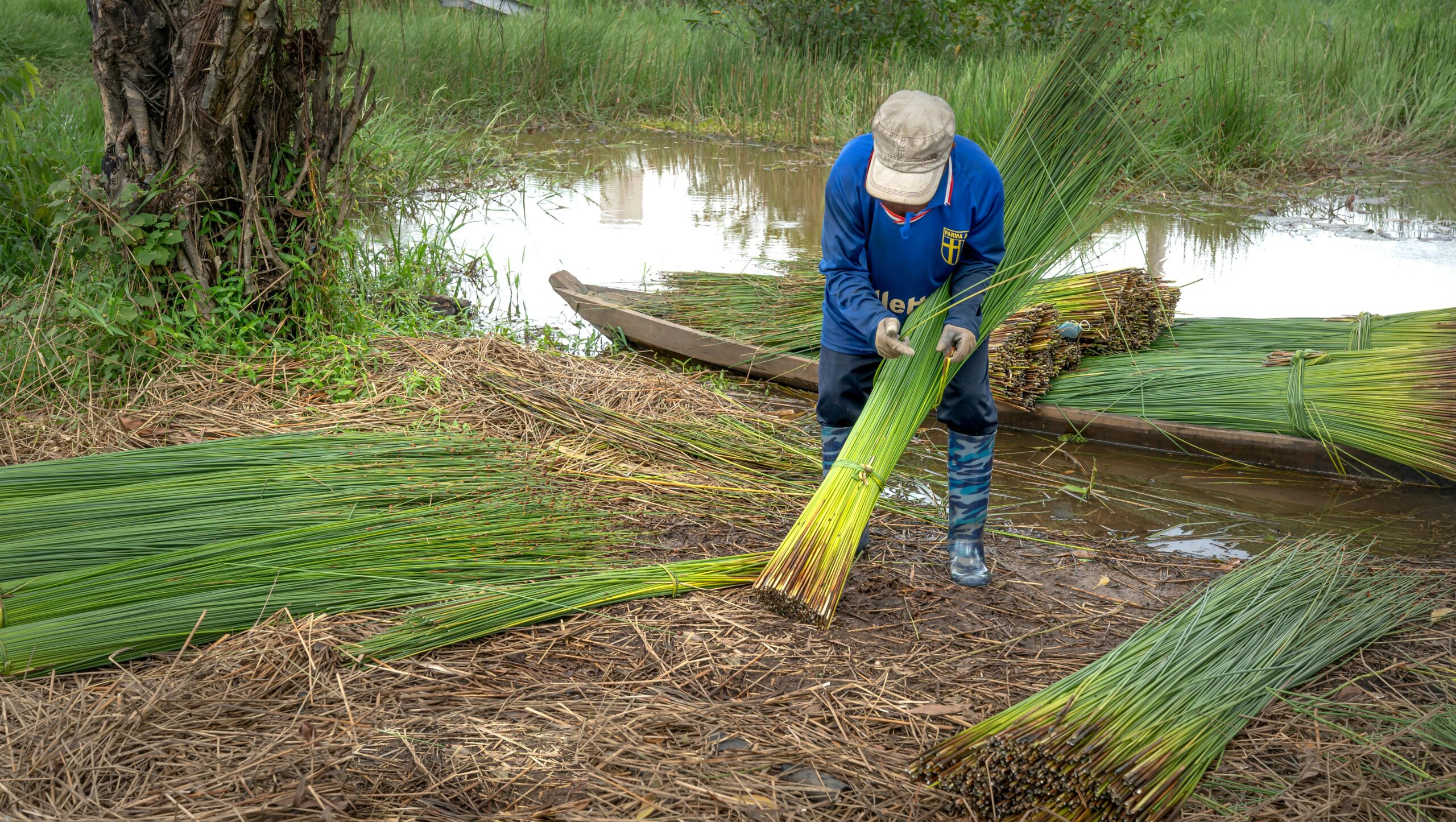
Start by addressing the slope itself. For steep grades exceeding 3:1, consider installing erosion control fabric or jute netting to stabilize soil until plants establish. Create terraces or berms on extremely steep slopes to slow water flow and create planting pockets. These modifications work with your groundcovers to provide comprehensive protection.
Prepare the soil by removing aggressive weeds and incorporating organic matter to improve water retention and root penetration. While drought-resistant plants thrive in lean soils, helping them establish strong root systems during the first year ensures long-term success. A 2-3 inch layer of mulch between plants suppresses weeds and retains moisture while roots develop.
Spacing and Density Considerations
Plant spacing dramatically affects how quickly groundcovers provide erosion protection. Closer spacing delivers faster coverage but increases initial costs. For budget-conscious projects, wider spacing works well if supplemented with temporary erosion control measures and patience. Most drought-resistant groundcovers should be planted 12-18 inches apart for coverage within one to two growing seasons.
Consider the growth habit of your chosen species. Mat-forming plants like creeping thyme can be spaced more closely for nearly instant coverage. Spreading types like lantana or ice plant can be planted farther apart since their cascading growth quickly fills gaps. Stagger plantings in a triangular pattern rather than rows to create more natural coverage and eliminate channels where water might concentrate.
🌿 Maintenance Strategies for Sustainable Success
The beauty of drought-resistant groundcovers lies in their low maintenance requirements, but they’re not entirely maintenance-free, especially during establishment. Understanding their needs during different phases ensures they provide reliable erosion control for decades.
During the first growing season, consistent watering helps plants develop the deep root systems that enable drought tolerance. Water deeply but infrequently—typically once or twice weekly—encouraging roots to penetrate deeply rather than remaining shallow. Reduce watering frequency gradually as plants show vigorous growth, training them to access deeper moisture reserves.
After establishment, most drought-resistant groundcovers thrive on benign neglect. Supplemental water during extreme drought prevents stress, but these plants generally survive on rainfall alone once mature. Overwatering actually weakens many drought-adapted species, making them susceptible to root rot and fungal diseases.
Weed Management and Plant Health
Weeds compete with establishing groundcovers for water and nutrients while potentially destabilizing soil. Hand-pull weeds carefully to avoid disturbing shallow roots of young plants. As groundcovers fill in, they naturally suppress most weeds through competition and shading. Maintain mulch layers during the establishment phase to minimize weed pressure.
Monitor for pests and diseases, though drought-resistant groundcovers typically encounter fewer problems than thirsty alternatives. Most issues arise from overwatering or poor drainage. If plants show signs of stress despite adequate establishment time, evaluate irrigation practices and soil drainage before assuming pest problems.
Climate-Specific Selection Guide for Optimal Performance
Drought resistance is relative to your specific climate and conditions. A plant considered drought-tolerant in the Pacific Northwest might struggle in the desert Southwest without supplemental irrigation. Matching groundcovers to your hardiness zone and typical rainfall patterns ensures success without excessive water inputs.
For Mediterranean climates with wet winters and dry summers, choose plants adapted to this cycle like rosemary, lavender groundcover varieties, or trailing rosemary. These thrive with winter moisture and require little to no summer water once established. Desert climates demand truly xerophytic species like ice plant, silver carpet, or native options like desert marigold.
Cold-climate gardeners should select hardy groundcovers that tolerate both summer drought and winter cold. Creeping thyme, sedum varieties, and creeping juniper provide excellent erosion control with minimal water in zones 3-7. These plants often show greater drought tolerance in cooler climates where lower temperatures reduce evapotranspiration rates.
💧 Water-Wise Design Principles for Enhanced Erosion Control
Integrating drought-resistant groundcovers into comprehensive water-wise design maximizes their erosion control effectiveness while creating cohesive, beautiful landscapes. These principles help you create sustainable outdoor spaces that protect soil and conserve resources.
Implement hydrozoning by grouping plants with similar water needs together. Place drought-resistant groundcovers in areas that receive minimal irrigation, saving your limited water resources for more demanding ornamentals in focal areas. This strategy prevents overwatering drought-adapted species while ensuring adequate moisture for plants that need it.
Direct roof runoff and drainage toward groundcover plantings where appropriate, allowing them to filter and slow water while recharging their root zones. Swales planted with drought-resistant groundcovers manage stormwater beautifully, preventing erosion while capturing and infiltrating rainfall. This approach reduces runoff, filters pollutants, and supports plant health without irrigation systems.
Combining Groundcovers with Hardscape Elements
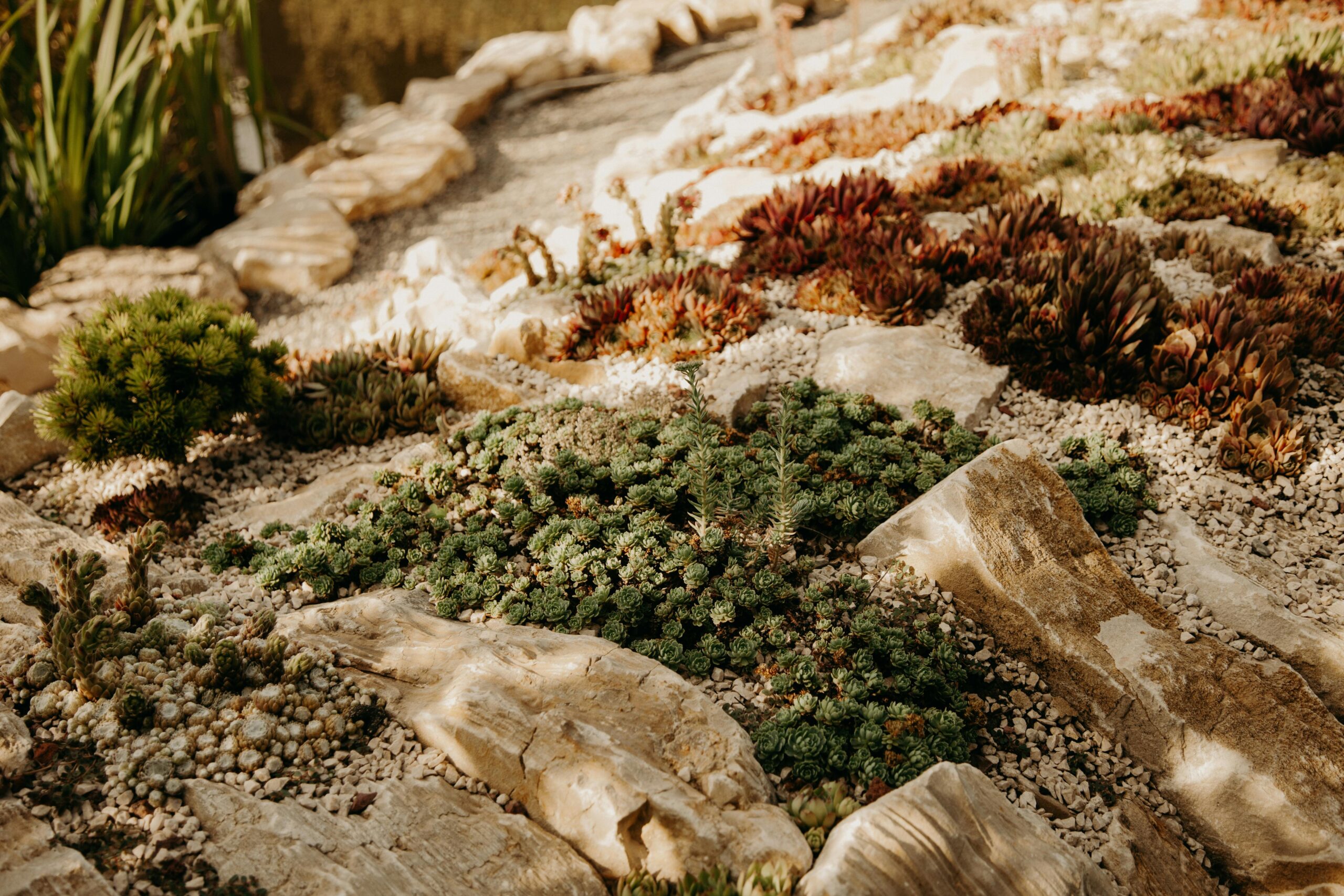
Strategic integration of rocks, boulders, and permeable paving with drought-resistant groundcovers enhances erosion control while adding visual interest. Large rocks placed on slopes break up water flow, creating planting pockets where groundcovers establish more easily. The thermal mass of stone also moderates soil temperature, benefiting plant roots.
Dry streambeds lined with attractive stones and planted with drought-tolerant groundcovers guide water during storms while providing textural contrast during dry periods. These features manage erosion elegantly, turning a functional necessity into a landscape highlight. Permeable pavers with groundcovers growing through joints combine access with erosion control on slopes used for foot traffic.
Environmental Benefits Beyond Erosion Control
The advantages of drought-resistant groundcovers extend far beyond holding soil in place. These plants contribute to ecosystem health, support wildlife, and improve environmental quality in ways that traditional erosion control methods cannot match.
Native and adapted groundcovers provide essential habitat for ground-nesting bees, beneficial insects, and small wildlife. Their flowers offer nectar and pollen during critical periods when other food sources may be scarce. By replacing turf or bare soil with diverse groundcovers, you create ecological stepping stones that support biodiversity even in urban and suburban settings.
Carbon sequestration occurs as groundcovers photosynthesize and store carbon in their tissues and soil. While individual plants contribute modestly, the cumulative effect across thousands of residential and commercial properties becomes significant. The reduced need for irrigation pumps and maintenance equipment further decreases carbon footprints associated with landscaping.
🏡 Cost Analysis and Long-Term Value
Initial investment in drought-resistant groundcovers and proper installation may exceed basic erosion control methods, but long-term financial benefits make them remarkably cost-effective. Understanding the complete financial picture helps justify the upfront expense.
Water costs decrease dramatically once plants establish, with many landscapes seeing 50-75% reductions in irrigation expenses compared to turf or thirsty ornamentals. In regions with tiered water pricing, staying in lower usage brackets generates substantial savings. Reduced or eliminated irrigation also means lower energy costs for pumping water.
Maintenance costs drop significantly compared to turf or annual plantings. Drought-resistant groundcovers rarely require mowing, fertilizing, or pest treatments once established. Labor savings compound over years, making these plants increasingly economical over time. Property values often increase as water-wise landscapes become more desirable and appreciated.
Creating Diverse and Visually Compelling Groundcover Plantings
Erosion control doesn’t require monotonous monocultures. Combining multiple drought-resistant groundcover species creates visual interest while providing ecological benefits and insurance against species-specific diseases or pests.
Mix textures by pairing fine-leaved plants like creeping thyme with bolder, succulent species like ice plant. Contrast growth habits by combining mat-forming groundcovers with trailing types that cascade over rocks and walls. This diversity creates dynamic compositions that evolve throughout seasons as different species bloom and change appearance.
Layer heights by using slightly taller groundcovers (6-12 inches) in background areas with lower types (2-4 inches) in foreground positions. This creates depth and dimension while maintaining complete erosion protection. Color variations among foliage and flowers add interest without requiring high-water ornamentals that compromise drought tolerance.
Transforming Your Landscape Into an Erosion-Proof Haven
Implementing drought-resistant groundcovers for erosion control represents a commitment to sustainability, beauty, and practicality. These remarkable plants solve multiple landscape challenges simultaneously, protecting your property while reducing environmental impact and maintenance demands.
Success begins with careful species selection matched to your specific site conditions, climate, and aesthetic preferences. Proper installation techniques establish plants quickly, minimizing the vulnerable period when erosion might occur. Thoughtful design integrates groundcovers into cohesive landscapes that function beautifully while conserving resources.
As climate change intensifies and water becomes increasingly precious, drought-resistant groundcovers will transition from alternative option to standard practice. Early adopters benefit from reduced costs, improved property resilience, and the satisfaction of creating landscapes that work with nature rather than against it. Your erosion control challenges can become opportunities to create something more beautiful, sustainable, and valuable than conventional solutions ever offered.
The groundcovers you choose today will protect your soil, conserve water, and beautify your property for years to come. By selecting species adapted to your conditions and providing proper establishment care, you’ll create an erosion-proof landscape that thrives with minimal input while delivering maximum environmental and aesthetic benefits. Start small if needed, but start soon—your soil, water bill, and future self will thank you. 🌍