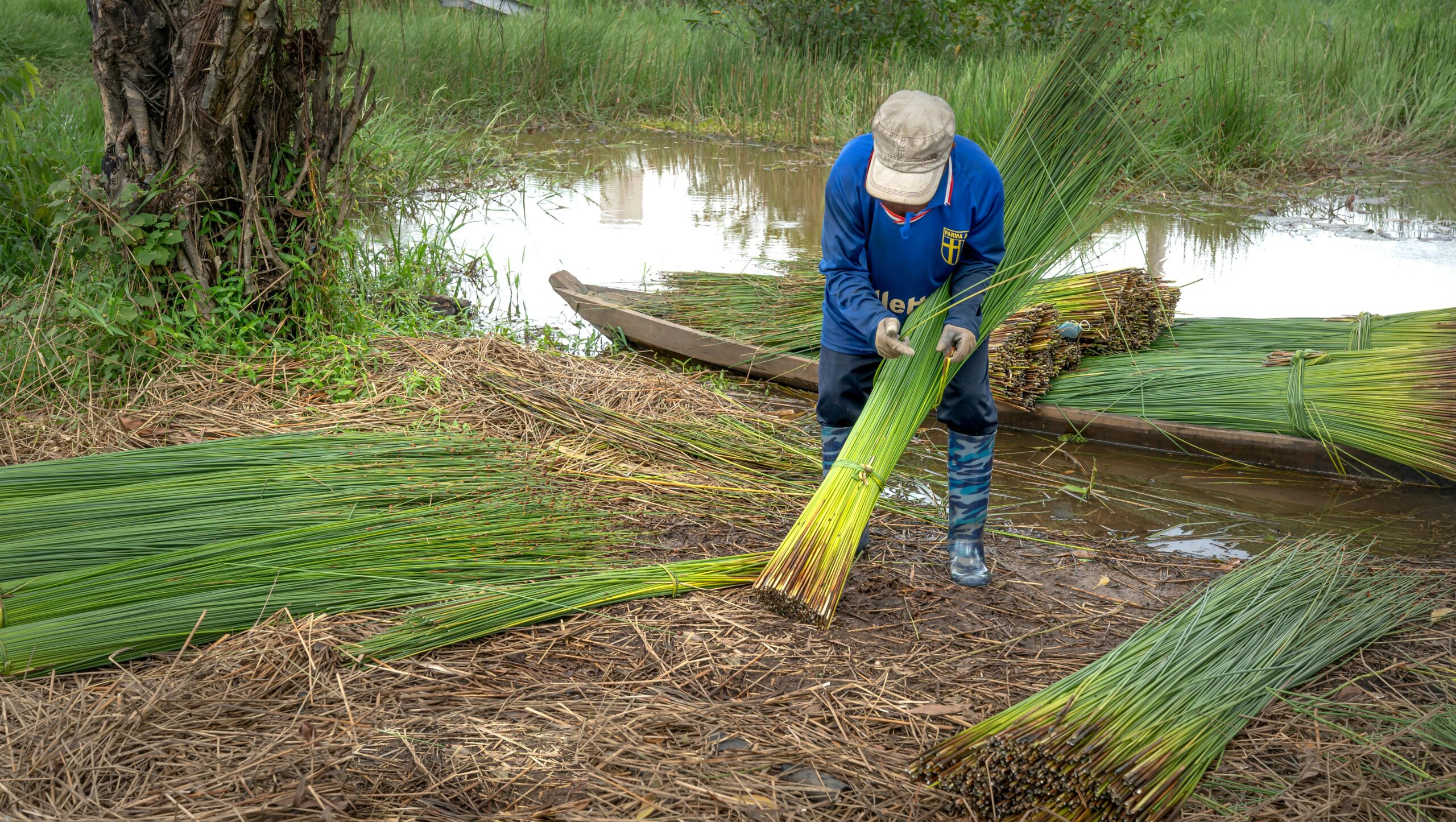
Climate resilience begins in the soil, branches, and roots of diverse ecosystems. As droughts intensify globally, embracing biodiversity offers a natural shield against water scarcity and environmental stress.

🌍 The Growing Threat of Drought in a Changing Climate
Drought has emerged as one of the most devastating consequences of climate change, affecting millions of people across every continent. From prolonged dry spells in sub-Saharan Africa to unprecedented water shortages in California and Australia, the impact of water scarcity reaches far beyond environmental concerns. Agricultural production collapses, ecosystems deteriorate, and communities face displacement as water sources dwindle.
Traditional approaches to drought management have relied heavily on engineering solutions: dams, irrigation systems, and water transfer projects. While these interventions provide temporary relief, they often fail to address the underlying ecological vulnerabilities that make landscapes susceptible to drought in the first place. The future of drought resilience lies not in fighting nature, but in working with it through biodiversity conservation and restoration.
Biodiversity represents the variety of life forms within ecosystems, from microscopic soil organisms to towering forest trees. This biological wealth plays a critical role in maintaining ecosystem functions that regulate water cycles, improve soil moisture retention, and enhance landscape resilience. By understanding and harnessing these natural processes, we can create landscapes that withstand drought conditions more effectively than any single engineering solution.
🌱 How Biodiversity Creates Natural Water Infrastructure
Diverse plant communities function as living water management systems, each species contributing unique characteristics that enhance overall drought resistance. Deep-rooted trees access groundwater during dry periods while providing shade that reduces surface evaporation. Shrubs and grasses create varied canopy layers that intercept rainfall and slow water movement across landscapes, allowing greater infiltration into soil.
The relationship between biodiversity and water retention operates through multiple interconnected mechanisms. Root systems of different plant species occupy distinct soil depths and create extensive networks of channels that facilitate water infiltration. This structural diversity prevents soil compaction and increases the landscape’s capacity to absorb and store water during rainfall events, making it available during dry periods.
Soil biodiversity plays an equally crucial role in drought resilience. Fungi, bacteria, earthworms, and countless other organisms create soil structure, increase organic matter content, and improve water-holding capacity. A single teaspoon of healthy soil contains more organisms than there are people on Earth, each contributing to the complex processes that determine how landscapes respond to drought.
Vegetation Layers and Microclimate Regulation
Biodiverse landscapes create microclimates that buffer against extreme drought conditions. Forest ecosystems with multiple vegetation layers maintain higher humidity levels, cooler temperatures, and reduced wind speeds compared to monocultures or degraded lands. These microclimatic conditions reduce plant water stress and create refuges for wildlife during drought periods.
The cooling effect of diverse vegetation extends beyond individual plants to influence regional climate patterns. Large areas of biodiverse forest can generate rainfall through evapotranspiration, where water absorbed by roots is released through leaves into the atmosphere. This process, sometimes called “flying rivers,” demonstrates how biodiversity conservation can influence precipitation patterns across vast regions.
💧 Biodiversity Solutions for Agricultural Drought Resilience
Agriculture accounts for approximately 70% of global freshwater withdrawals, making farming systems particularly vulnerable to drought. However, agricultural landscapes designed with biodiversity principles demonstrate remarkable resilience compared to conventional monocultures. Diversified farming systems that integrate multiple crops, trees, and livestock create synergies that reduce water demand while maintaining productivity.
Agroforestry systems exemplify how biodiversity enhances agricultural drought resistance. By combining trees with crops or pastures, farmers create multi-layered production systems that optimize water use. Trees reduce evaporation from soil and crops, increase water infiltration, and access deep water sources unavailable to annual crops. During drought years, tree products often provide crucial income when crop harvests fail.
Cover cropping and crop rotation strategies increase soil organic matter and improve water retention capacity. Research shows that soils with high organic matter can hold significantly more water than degraded soils, providing a buffer during dry periods. The diversity of root systems from different crop species also explores larger soil volumes, accessing moisture and nutrients more efficiently.
Integrating Livestock in Biodiverse Systems
Managed grazing in diverse pastures offers drought advantages over conventional systems. When multiple forage species are present, including deep-rooted perennials and drought-tolerant varieties, livestock have continuous feed options even when individual species struggle. Rotational grazing that mimics natural animal movement patterns also improves soil health and water infiltration.
Animal integration adds another dimension to agricultural biodiversity. Livestock manure fertilizes soil and increases organic matter content, while their selective grazing can maintain plant diversity and prevent dominance by less drought-tolerant species. These integrated systems create feedback loops where biodiversity generates resilience, and resilience supports continued biodiversity.
🏞️ Landscape-Scale Approaches to Drought-Proofing
Effective drought resilience requires thinking beyond individual farms or forests to embrace landscape-scale biodiversity conservation. Watersheds function as integrated systems where upstream land use decisions affect downstream water availability. Protecting and restoring biodiversity across entire watersheds creates comprehensive drought resilience that benefits all communities within the landscape.
Riparian buffer zones represent critical biodiversity hotspots that regulate water flow and quality. These vegetated areas along streams and rivers filter runoff, stabilize banks, and maintain cooler water temperatures. During drought, riparian zones provide crucial habitat corridors for wildlife and moisture refuges that support ecosystem continuity.
Wetlands serve as nature’s water storage infrastructure, absorbing excess water during wet periods and gradually releasing it during dry times. Despite covering only about 6% of the Earth’s land surface, wetlands store more carbon than forests and provide disproportionate biodiversity and ecosystem services. Protecting and restoring wetlands should be central to any drought-proofing strategy.
Strategic Biodiversity Corridors
Connecting fragmented habitats through biodiversity corridors allows species movement and genetic exchange, increasing overall ecosystem resilience. These corridors enable plants and animals to migrate in response to changing conditions, accessing water sources and favorable microclimates during drought. Landscape connectivity ensures that biodiversity benefits flow across broad areas rather than remaining isolated in protected pockets.
Urban and peri-urban areas also benefit from landscape-scale biodiversity approaches. Green infrastructure including parks, street trees, green roofs, and constructed wetlands reduces urban heat island effects, manages stormwater, and increases groundwater recharge. Cities that embrace biodiversity as infrastructure investment build resilience against drought while enhancing quality of life for residents.
🔬 Scientific Evidence Supporting Biodiversity-Based Drought Resilience
Extensive research confirms the relationship between biodiversity and drought resilience across ecosystems worldwide. Studies comparing diverse and simplified ecosystems consistently show that biodiverse systems maintain higher productivity and stability during drought conditions. This resilience stems from functional redundancy, where multiple species perform similar ecological roles, ensuring that critical functions continue even when some species struggle.
Long-term ecological research demonstrates that biodiversity enhances ecosystem recovery following drought. Diverse communities rebound more quickly when rains return, restoring ecosystem services and productivity faster than degraded or monoculture systems. This recovery capacity proves crucial in regions experiencing repeated drought cycles, where resilience means not just surviving individual dry periods but maintaining function through multiple stress events.
Field experiments manipulating plant diversity reveal specific mechanisms driving drought resilience. Higher species richness generally correlates with improved water use efficiency, as different species utilize water from different soil depths and at different times. This temporal and spatial complementarity means diverse systems extract more total water from the environment while individual plants experience less stress.
Economic Benefits of Biodiversity Investment
The economic case for biodiversity-based drought resilience grows stronger as climate impacts intensify. While initial investments in ecosystem restoration may require upfront costs, the long-term returns far exceed conventional infrastructure expenses. Natural systems require less maintenance, adapt automatically to changing conditions, and provide multiple co-benefits beyond drought resilience including carbon sequestration, pollination services, and recreation opportunities.
Communities investing in biodiversity conservation report reduced vulnerability to climate extremes and decreased disaster recovery costs. Insurance industries increasingly recognize ecosystem services in risk assessments, offering lower premiums for properties protected by natural infrastructure. These market signals reflect growing recognition that biodiversity represents sound financial investment, not just environmental idealism.
🌾 Practical Implementation Strategies for Different Contexts
Translating biodiversity principles into drought-proofing action requires context-specific strategies adapted to local conditions, cultures, and capacities. Successful implementation begins with understanding existing biodiversity assets and identifying opportunities to enhance ecosystem functions related to water retention and drought resilience.
In agricultural contexts, farmers can start by identifying native species adapted to local drought conditions and integrating them into production systems. This might involve planting drought-tolerant tree species along field boundaries, introducing diverse cover crop mixtures, or creating habitat islands within farm landscapes. Small initial steps build knowledge and confidence while demonstrating benefits that encourage broader adoption.
Urban planners and policymakers can embed biodiversity considerations into water management plans, land use regulations, and infrastructure investments. This includes protecting existing natural areas, requiring green infrastructure in new developments, and incentivizing private landowners to adopt biodiversity-friendly practices. Policy frameworks that recognize ecosystem services create enabling environments for widespread implementation.
Community Engagement and Traditional Knowledge
Indigenous and local communities often possess generations of knowledge about biodiversity management for drought resilience. Traditional practices like sacred groves, rotational resource use, and polyculture farming embody sophisticated understandings of ecosystem dynamics. Integrating this traditional ecological knowledge with contemporary science creates powerful hybrid approaches tailored to local conditions.
Community-based natural resource management empowers local people to become stewards of biodiversity while benefiting from ecosystem services. When communities have clear rights and incentives to manage landscapes for long-term sustainability, biodiversity conservation becomes economically rational rather than a burden. These approaches prove particularly effective in drought-prone regions where centralized management fails to address local complexity.
🚀 Scaling Up Biodiversity Solutions for Global Impact
Addressing drought challenges at the scale required demands coordinated action across sectors and jurisdictions. International initiatives like the UN Decade on Ecosystem Restoration provide frameworks for mobilizing resources and political will toward biodiversity-based solutions. National governments play crucial roles in establishing policy environments, providing technical support, and financing landscape-scale interventions.
Private sector engagement increasingly drives biodiversity conservation and restoration. Companies recognize supply chain vulnerabilities to drought and water scarcity, motivating investments in watershed protection and sustainable sourcing. Innovative financing mechanisms including biodiversity credits, payment for ecosystem services, and green bonds channel private capital toward projects that enhance both biodiversity and drought resilience.
Technology enables biodiversity monitoring and management at unprecedented scales. Remote sensing, artificial intelligence, and citizen science platforms allow tracking of ecosystem health, early warning of drought impacts, and adaptive management responses. These tools democratize access to information and empower diverse actors to contribute to biodiversity-based drought resilience.
🌈 Creating Resilient Futures Through Biodiversity
The intensifying drought crises facing humanity demand transformative approaches that address root causes rather than symptoms. Biodiversity offers proven, cost-effective solutions that work with natural processes to create landscapes capable of withstanding climate extremes. From soil microbes to watershed forests, biological diversity provides the foundation for water security and drought resilience.
Success requires shifting from viewing nature as something to control toward recognizing ecosystems as partners in creating sustainable futures. This paradigm shift embraces complexity, values multiple knowledge systems, and invests in natural capital with the same commitment traditionally reserved for built infrastructure. The rewards include not only drought resilience but enhanced food security, climate mitigation, and thriving communities.
Every individual can contribute to biodiversity-based drought resilience through daily choices and advocacy. Supporting regenerative agriculture, protecting local natural areas, reducing water waste, and demanding policy action all move societies toward more resilient relationships with water and ecosystems. Collectively, these actions create the momentum needed to transform how humanity approaches drought in an uncertain climate future.
The path forward lies in diversity itself: diverse ecosystems, diverse farming systems, diverse knowledge systems, and diverse stakeholders working together. By harnessing the benefits of biodiversity, we tap into billions of years of evolutionary problem-solving, creating landscapes that bend without breaking under drought stress. This approach represents not a return to the past but a leap forward into resilient, biodiverse futures where water security and thriving ecosystems support human wellbeing for generations to come.