Water scarcity is becoming an increasingly critical challenge for gardeners worldwide. Building a resilient, drought-proof garden requires strategic planning and smart resource management techniques.

🌱 Understanding the Water Crisis in Modern Gardening
Climate patterns are shifting dramatically across the globe, bringing extended dry spells and unpredictable rainfall to regions that once enjoyed consistent moisture. Traditional gardening approaches that rely heavily on supplemental irrigation are becoming unsustainable, both environmentally and economically. The rising cost of water, coupled with municipal restrictions during drought periods, has forced gardeners to rethink their approach to landscape management.
Creating a drought-resistant garden doesn’t mean sacrificing beauty or productivity. Instead, it requires understanding how plants interact with their environment and implementing strategies that maximize water retention while minimizing evaporation. Two of the most powerful tools in this endeavor are mulch and shade—natural solutions that work in harmony to create optimal growing conditions even during water-scarce periods.
The Science Behind Mulch: Your Garden’s Protective Blanket
Mulch functions as a protective barrier between the soil surface and the atmosphere, fundamentally altering the microclimate around your plants. This seemingly simple addition to your garden triggers a cascade of beneficial effects that extend far beyond water conservation.
When sunlight hits bare soil, surface temperatures can soar to levels that stress plant roots and accelerate moisture evaporation. A proper mulch layer intercepts this solar radiation, keeping the soil beneath significantly cooler—often by 10-20 degrees Fahrenheit compared to exposed ground. This temperature moderation reduces the vapor pressure deficit, essentially slowing the rate at which water molecules escape from the soil into the air.
Organic Mulch Materials and Their Unique Benefits
Not all mulches perform equally, and selecting the right material for your specific conditions makes a substantial difference in drought resistance. Organic mulches offer the added advantage of gradually decomposing, enriching your soil with nutrients and improving its structure over time.
Wood chips and shredded bark are among the most popular choices, offering excellent longevity and aesthetic appeal. These materials break down slowly, meaning they maintain their protective properties for one to three years before requiring replenishment. Their coarse texture allows for good air circulation while still suppressing weeds effectively.
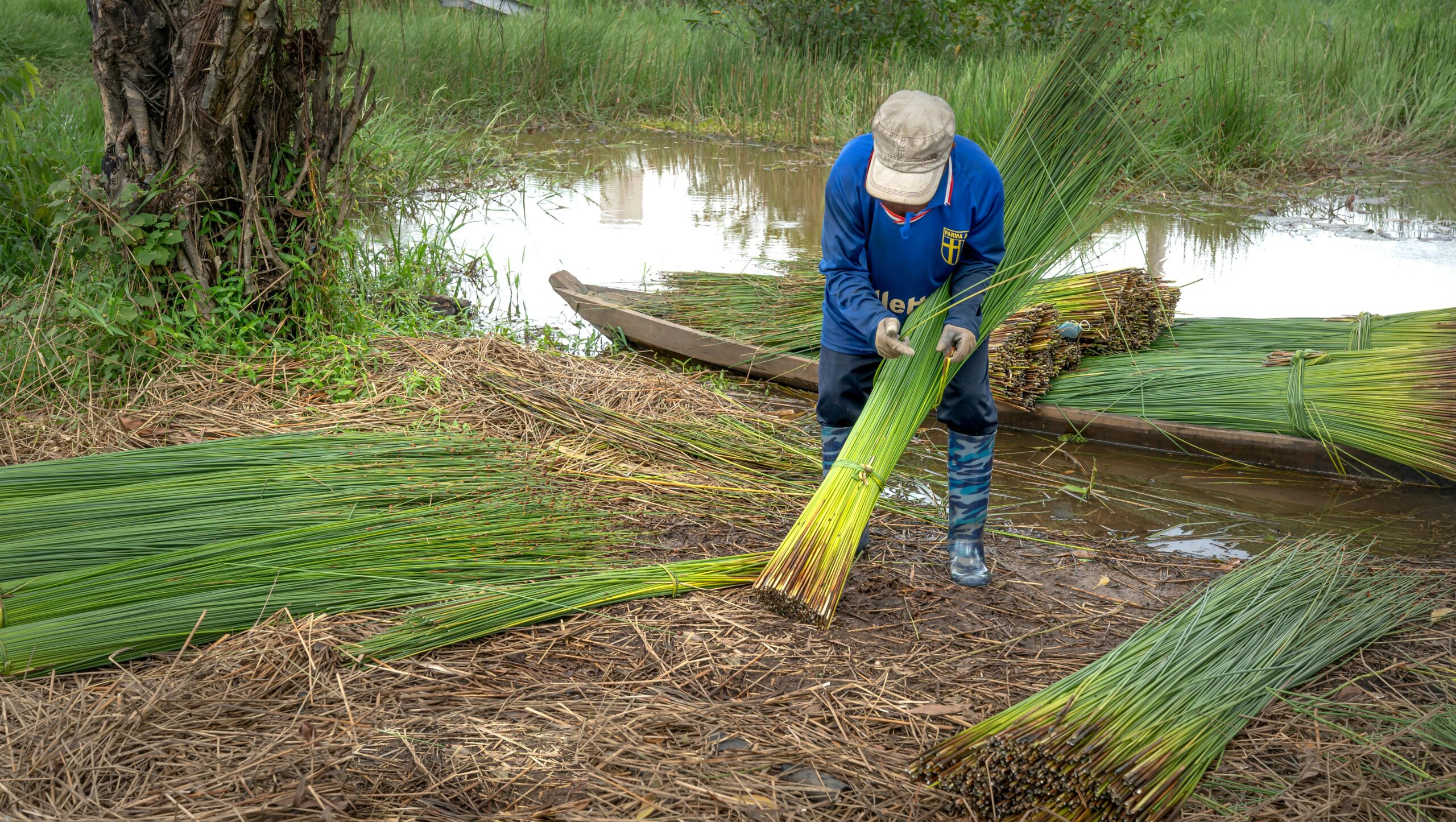
Straw and hay provide exceptional insulation and are particularly well-suited for vegetable gardens. They decompose more quickly than wood products, which means they need replacement annually, but they also contribute organic matter to the soil faster. When sourcing these materials, ensure they’re seed-free to avoid introducing unwanted plants to your garden beds.
Compost serves a dual purpose as both mulch and soil amendment. A two-to-three-inch layer of finished compost provides moderate moisture retention while immediately feeding your plants. However, because it breaks down rapidly, it’s best used in combination with a coarser mulch layer on top.
Leaf mold and shredded leaves represent a free, locally-sourced option that many gardeners overlook. Autumn leaves can be collected, shredded with a lawn mower, and applied as mulch. They decompose within a season, dramatically improving soil structure and water-holding capacity.
Inorganic Mulch Solutions for Long-Term Performance
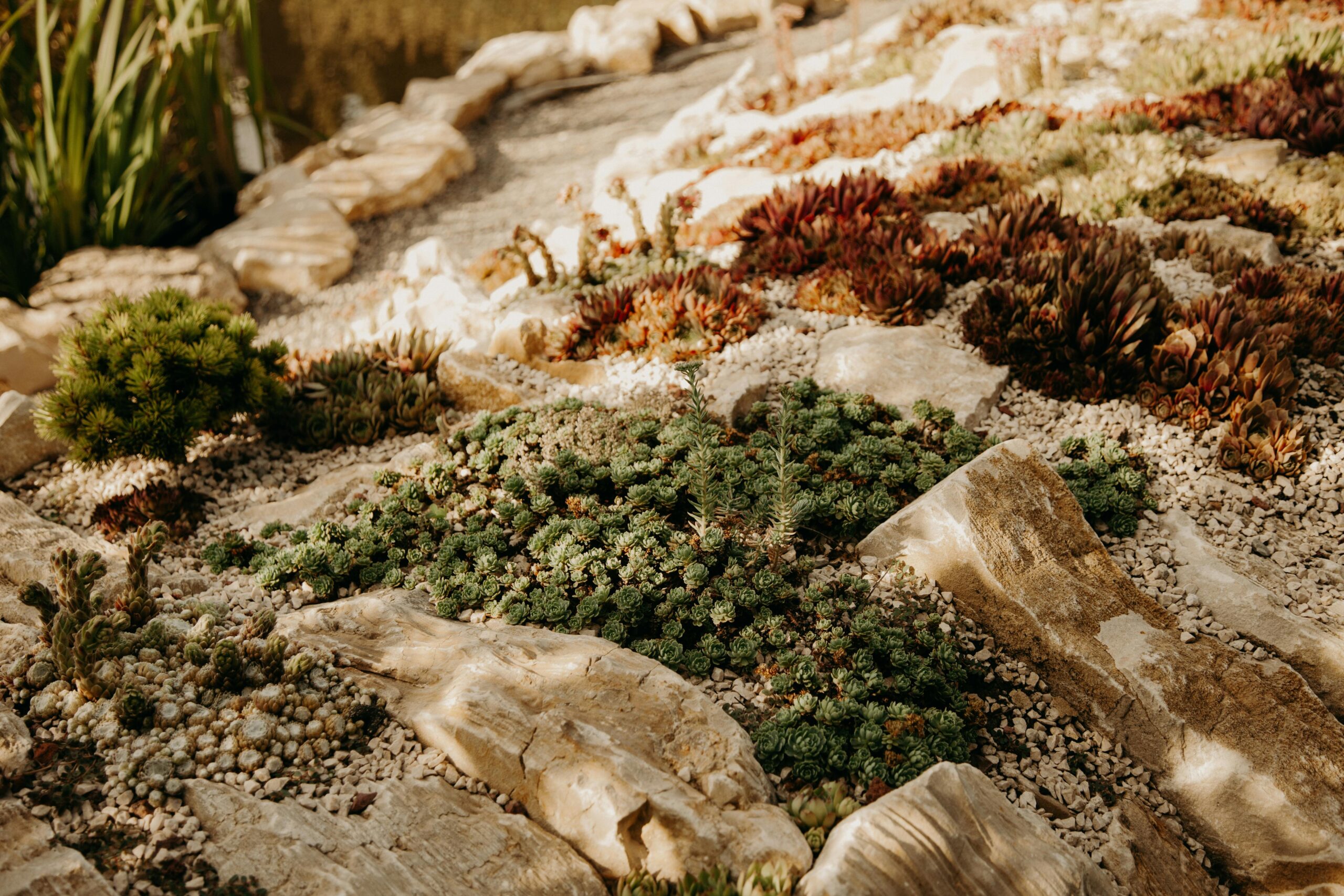
While organic mulches feed the soil, inorganic options provide permanent solutions that never need replacement. Gravel, stone, and decomposed granite work exceptionally well in xeriscaping applications and around drought-tolerant ornamentals.
These materials excel at reducing evaporation while allowing rapid water infiltration during rain events. They also reflect heat rather than absorbing it, which can be advantageous in extremely hot climates. However, they don’t improve soil quality and can actually increase ambient temperatures in some situations, so they’re best suited for plants adapted to hot, dry conditions.
🌿 Mastering Mulch Application Techniques
Even the best mulch material will underperform if applied incorrectly. Proper technique ensures maximum water conservation while avoiding common pitfalls that can harm plants.
Depth matters tremendously—too little provides inadequate protection, while too much can suffocate roots and prevent water penetration. For most organic mulches, aim for a layer three to four inches deep. This thickness effectively blocks sunlight from reaching weed seeds while maintaining adequate moisture retention. Around trees and shrubs, you can increase this to four to six inches, but always keep mulch pulled back from direct contact with trunks and stems to prevent rot.
The “volcano mulching” mistake—piling mulch against tree trunks—remains surprisingly common despite its well-documented dangers. This practice traps moisture against bark, encouraging fungal diseases and creating habitat for destructive insects. Instead, create a donut-shaped ring around trees, leaving several inches of clear space immediately adjacent to the trunk.
Timing your mulch application strategically maximizes its effectiveness. Apply mulch in late spring after soil has warmed but before summer heat arrives. This locks in existing soil moisture while preventing the soil from heating excessively. In vegetable gardens, wait until the soil temperature reaches at least 65 degrees Fahrenheit before mulching around warm-season crops to avoid slowing their early growth.
Strategic Shade: Nature’s Air Conditioning System 🌳
Shade represents one of the most underutilized strategies in drought-resistant garden design. By reducing direct solar radiation, shade dramatically decreases water demand while creating comfortable microclimates that extend the growing season for many plants.
The mathematics of shade are compelling. Plants growing in partial shade can require 30-50% less water than those in full sun, assuming they’re shade-tolerant species. This reduction stems from lower transpiration rates—the process by which plants release water vapor through their leaves. When temperatures are cooler and humidity is higher (both conditions created by shade), plants simply lose less water to the atmosphere.
Creating Shade Through Thoughtful Plant Placement
Designing with shade begins during the planning phase. Tall, drought-tolerant trees form the canopy layer, providing filtered light for understory plants. This multi-layered approach mimics natural forest ecosystems, where each layer benefits from the protection of those above.
Deciduous trees offer seasonal flexibility, shading gardens during hot summers while allowing warming sunlight through in winter after leaves drop. Position these trees on the south and west sides of your property for maximum summer cooling effect. Species like oak, maple, and elm provide dense summer shade while developing deep root systems that won’t compete aggressively with nearby plantings.
For faster results, consider fast-growing shade trees like hybrid poplars or river birch, which can provide meaningful shade within three to five years. Pair these with slower-growing, longer-lived species that will eventually take over as the primary canopy trees.
Structural Shade Solutions for Immediate Results
While trees mature, temporary or permanent structures can provide essential shade. Pergolas, arbors, and shade sails offer immediate protection and can be positioned precisely where needed.
Shade cloth, available in various densities from 30% to 90% light blocking, provides flexible, removable protection during peak heat periods. A 50% shade cloth works well for most vegetables and flowering plants, reducing heat stress without compromising photosynthesis. Attach shade cloth to simple PVC or wooden frames that can be moved or removed as seasons change.
Living shade structures combine beauty with function. Train vigorous vines like grapes, hardy kiwi, or wisteria over pergolas to create dense summer shade. These deciduous climbers die back in winter, allowing full sun when it’s welcome. The added benefit of edible crops from grape or kiwi vines makes this approach particularly attractive for productive gardens.
💧 The Synergy Between Mulch and Shade
The true power of drought-proofing emerges when mulch and shade work together as an integrated system. Each amplifies the benefits of the other, creating conditions where water retention is maximized and plant stress is minimized.
Shaded mulch stays moist much longer than mulch in full sun. This extended moisture retention not only conserves water but also accelerates the decomposition of organic mulches, speeding the delivery of nutrients to plant roots. The cooler, more humid environment beneath shaded mulch also supports beneficial soil organisms—earthworms, beneficial fungi, and bacteria—that improve soil structure and plant health.
Conversely, mulch enhances the benefits of shade by further reducing soil temperature and maintaining consistent moisture levels. This combination creates a microclimate that allows you to grow a wider variety of plants, including species that might otherwise struggle in your climate.
Selecting Drought-Resistant Plants for Mulched and Shaded Areas 🌺
Even the best water conservation infrastructure requires appropriate plant selection. Matching plants to the conditions you’ve created ensures thriving gardens with minimal irrigation.
For shaded, mulched areas, woodland natives excel. Hostas, ferns, astilbes, and bleeding hearts thrive with minimal water once established, provided they receive shade during the hottest part of the day. These plants evolved in forest understories where shade and natural leaf mulch create consistently moist conditions.
In partially shaded areas with organic mulch, consider plants like coral bells, Japanese forest grass, and hellebores. These tolerate some sun but perform best with afternoon shade and consistent mulch cover. Their relatively shallow root systems benefit tremendously from mulch’s moisture-retention properties.
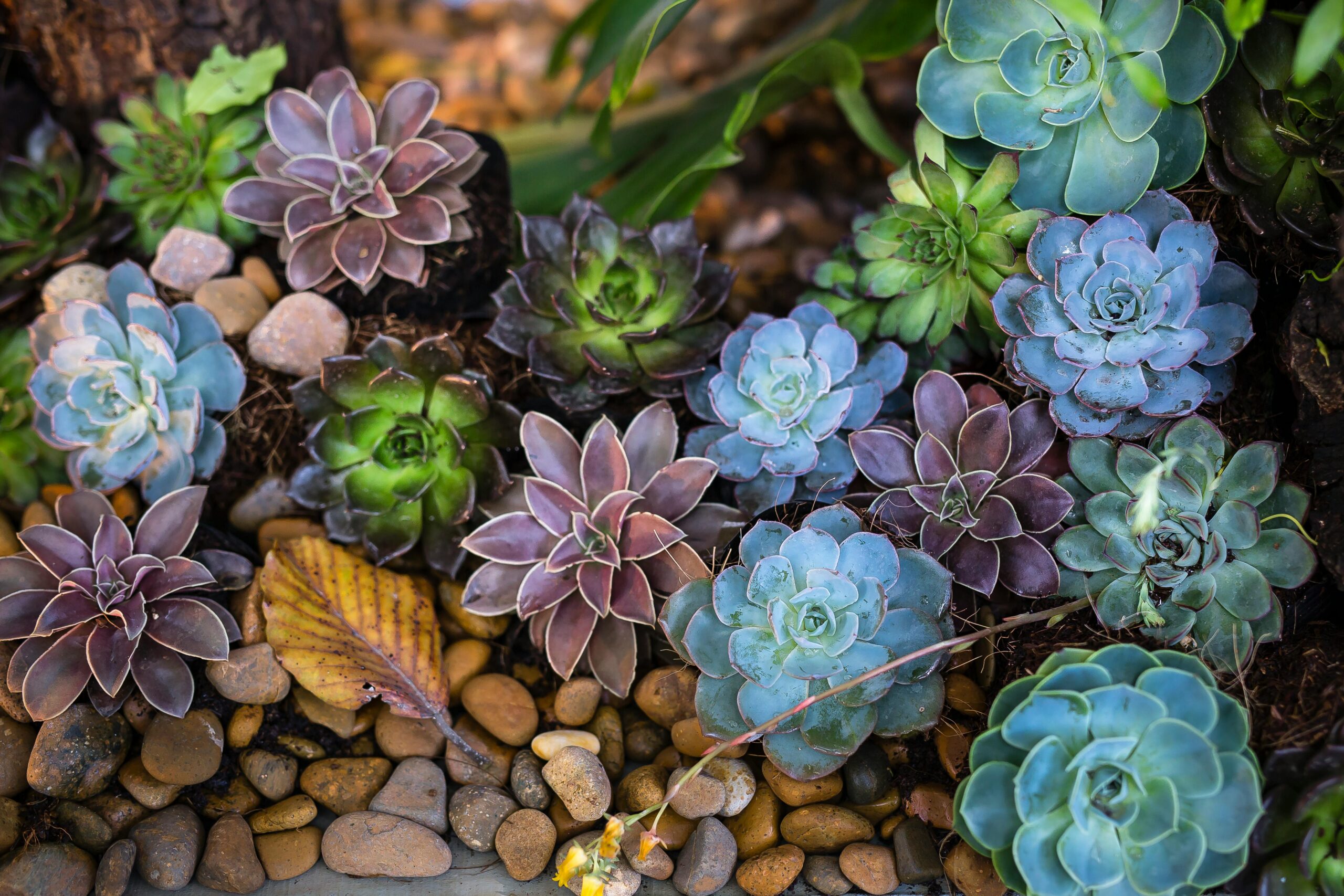
For sunny areas where shade isn’t practical, combine mulch with genuinely drought-tolerant species. Mediterranean herbs like lavender, rosemary, and thyme actually prefer mulch with excellent drainage, making gravel or stone mulch ideal. Succulents, ornamental grasses, and native prairie plants thrive in full sun with minimal water, especially when mulched to reduce competition from weeds.
Maintaining Your Drought-Proof Garden Throughout the Seasons
Establishing drought resistance requires ongoing attention, though far less than conventional gardens demand. Regular maintenance ensures your mulch and shade systems continue performing optimally.
Monitor mulch depth annually, replenishing as needed to maintain the recommended thickness. Organic mulches naturally decompose, so plan to add one to two inches each year. This maintenance is best performed in spring or early fall when working conditions are pleasant and plants benefit most from fresh mulch.
Prune shade trees carefully to maintain desired light levels. As trees mature, their canopies can become too dense, blocking beneficial morning sun that plants need for photosynthesis. Selective pruning—removing crossing branches and thinning dense areas—allows dappled light through while maintaining overall shade coverage.
Monitoring Soil Moisture Effectively
Even drought-proof gardens need monitoring to ensure water levels remain adequate. Learn to assess moisture by feeling the soil beneath your mulch layer. It should feel cool and slightly damp, like a wrung-out sponge, even during dry periods.
For precision monitoring, install simple moisture meters in various garden zones. These inexpensive devices provide objective data about when irrigation is actually necessary, preventing both under and over-watering. Place sensors at root depth (typically 6-8 inches) beneath the mulch layer for accurate readings.
Economic and Environmental Benefits of Drought-Proofing 🌍
Beyond plant survival, drought-resistant gardening practices deliver substantial economic and environmental advantages. Water bills decrease dramatically—many gardeners report reductions of 50-75% after implementing comprehensive mulching and shade strategies. These savings accumulate significantly over time, easily offsetting the initial investment in mulch materials and shade structures.
Environmental benefits extend beyond individual properties. Reduced irrigation demand decreases pressure on municipal water systems and local aquifers. Lower water extraction means healthier rivers, streams, and wetlands that depend on groundwater flow. Your garden becomes part of the solution to regional water challenges rather than contributing to the problem.
Mulching also reduces carbon emissions by suppressing weed growth, which decreases or eliminates the need for mechanical cultivation or chemical herbicides. Organic mulches sequester carbon as they decompose, while the trees providing shade absorb atmospheric CO2, making your garden a net carbon sink.
Advanced Techniques for Maximum Water Efficiency
For gardeners ready to push drought resistance even further, several advanced techniques build upon basic mulching and shading principles.
Hugelkultur beds—mounds built around buried wood—create self-mulching, moisture-retaining growing areas. The decomposing wood acts like a sponge, absorbing water during wet periods and releasing it slowly during dry spells. Combined with surface mulch and strategic shade, hugelkultur beds can remain productive with almost no supplemental irrigation.
Biochar amendment improves soil water-holding capacity at the molecular level. This specially produced charcoal increases the soil’s ability to retain both water and nutrients. Mix biochar into planting areas before applying mulch for enhanced drought resistance that lasts for decades.
Rainwater harvesting systems complement mulch and shade by capturing precipitation when it occurs, storing it for use during dry periods. Simple rain barrels or elaborate cistern systems ensure that natural rainfall doesn’t go to waste, providing irrigation water that doesn’t stress municipal supplies or increase your water bill.
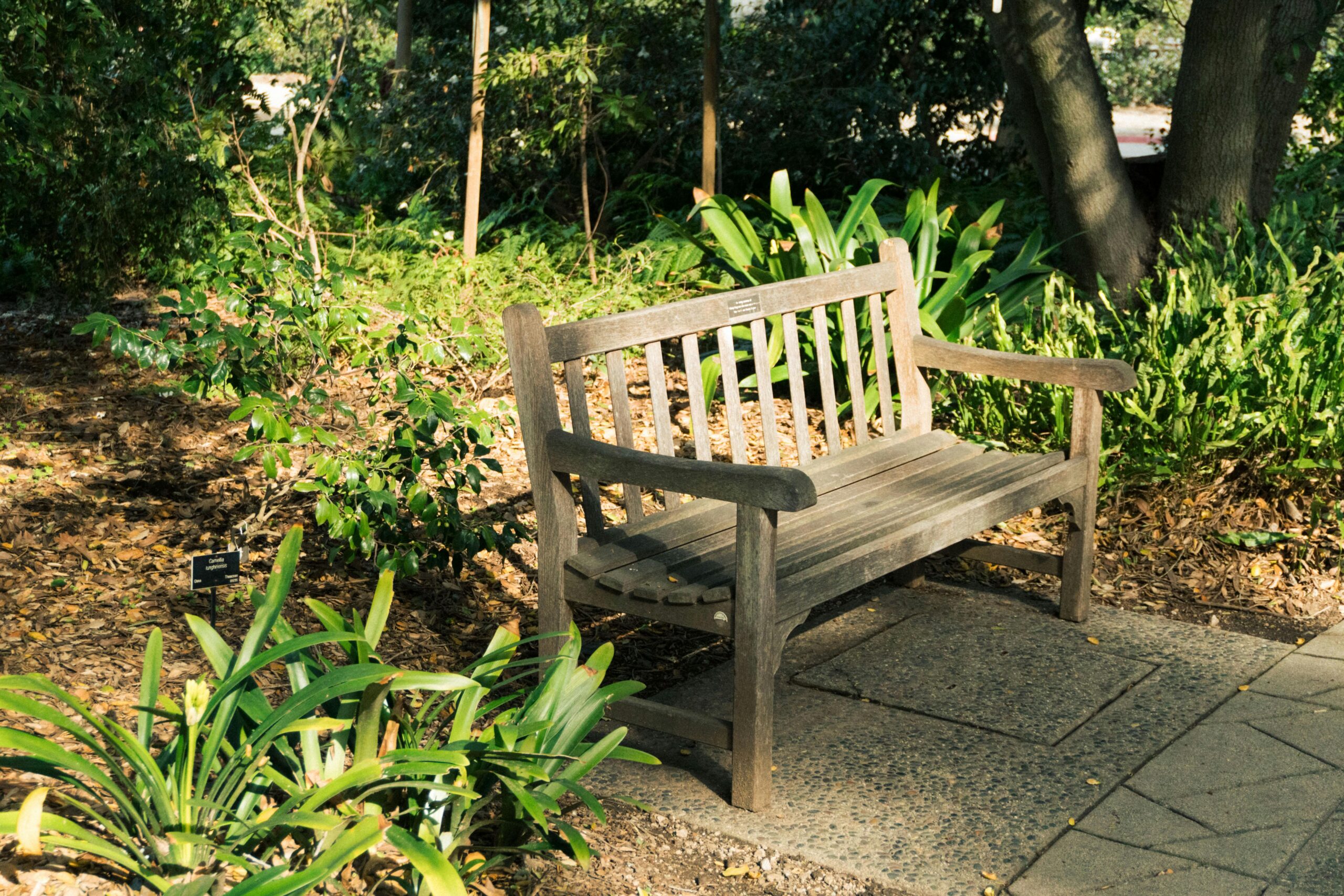
Transforming Your Garden Into a Drought-Resistant Paradise
Creating a garden that thrives despite water scarcity isn’t about deprivation or settling for less. It’s about working intelligently with natural systems, using mulch and shade to create conditions where plants flourish with minimal inputs. The strategies outlined here transform gardens from water-dependent liabilities into resilient, self-sustaining landscapes that perform beautifully year after year.
Start small if the complete transformation seems overwhelming. Mulch one bed deeply this season. Plant a shade tree in a strategic location. Observe the results, learn from what works, and gradually expand your drought-proofing efforts. Each improvement compounds the benefits of others, creating a garden ecosystem that becomes increasingly water-efficient over time.
The future of gardening lies in adaptation and resilience. By harnessing the power of mulch and shade, you’re not just conserving water—you’re creating habitat for beneficial insects, improving soil health, reducing maintenance demands, and building a garden that will thrive for generations regardless of changing climate conditions. This isn’t just smart gardening; it’s essential stewardship of our precious water resources and a gift to the environment we all share.