
Understanding how to balance comfort with cost-effectiveness in cooling solutions has become essential for homeowners, businesses, and facility managers seeking sustainable climate control strategies.

🌡️ The Rising Importance of Strategic Cooling Investments
Climate change and rising global temperatures have transformed cooling from a luxury into a necessity for millions worldwide. Yet, the energy consumption associated with traditional cooling systems presents both environmental and financial challenges. The International Energy Agency reports that space cooling accounts for nearly 10% of global electricity consumption, a figure projected to triple by 2050.
This growing demand underscores the critical need for cost-benefit analysis when selecting cooling interventions. Whether you’re retrofitting an existing building or designing a new space, understanding the financial implications of various cooling technologies can lead to substantial long-term savings while maintaining optimal comfort levels.
The decision-making process extends beyond simply comparing upfront costs. A comprehensive cost-benefit model must account for operational expenses, maintenance requirements, energy efficiency ratings, environmental impact, and the system’s expected lifespan. These factors collectively determine the true value proposition of any cooling solution.
Breaking Down the Cost Components of Cooling Systems
Before diving into specific interventions, it’s crucial to understand the various cost elements that influence the total investment in cooling solutions. These components form the foundation of any meaningful cost-benefit analysis.
Initial Capital Investment
The upfront purchase and installation costs represent the most visible expense. Traditional air conditioning units typically range from $3,000 to $7,000 for residential applications, while commercial systems can exceed $50,000 depending on building size and complexity. However, initial costs alone provide an incomplete picture of long-term value.
Emerging technologies like evaporative cooling systems or heat pump installations may command higher initial investments but often deliver superior efficiency ratios. For instance, ground-source heat pumps require substantial excavation and installation work, pushing initial costs 40-60% higher than conventional systems, yet their operational efficiency can offset this premium within 5-10 years.
Operational and Energy Expenses
Energy consumption represents the most significant ongoing cost for cooling systems. The Seasonal Energy Efficiency Ratio (SEER) serves as the industry standard for measuring cooling efficiency. Modern high-efficiency units achieve SEER ratings of 20 or higher, compared to older models that operate at 8-10 SEER.
The financial impact is substantial: upgrading from a 10 SEER to a 16 SEER system can reduce cooling costs by approximately 37.5%. For a household spending $2,000 annually on cooling, this translates to $750 in yearly savings—a compelling argument for efficiency-focused investments.
Maintenance and Longevity Considerations
Routine maintenance extends equipment lifespan and preserves operational efficiency. Annual servicing typically costs $100-$300 but prevents costly breakdowns and ensures the system operates at peak performance. Additionally, different cooling technologies have varying lifespans: properly maintained central air systems last 15-20 years, while evaporative coolers may require replacement after 10-15 years.
📊 Evaluating Passive Cooling Interventions
Passive cooling strategies harness natural phenomena to reduce thermal loads without mechanical systems. These interventions often deliver exceptional cost-benefit ratios, especially when integrated during building design phases.
Strategic Insulation and Building Envelope Improvements
Enhancing insulation represents one of the highest-return cooling interventions. Proper insulation reduces heat transfer, minimizing the workload on mechanical cooling systems. Attic insulation improvements typically cost $1,500-$3,000 for residential applications but can reduce cooling costs by 15-20%.
The payback period for insulation upgrades generally ranges from 5-8 years, after which homeowners enjoy pure savings. Beyond financial benefits, improved insulation enhances comfort consistency by eliminating hot spots and reducing temperature fluctuations throughout the day.
Reflective Roofing and Cool Roof Technologies
Cool roofs utilize highly reflective materials to bounce solar radiation back into the atmosphere rather than absorbing heat. These installations can reduce roof surface temperatures by 50-60°F compared to traditional dark roofing materials.
While cool roofs add 10-25% to standard roofing costs, they can decrease cooling energy consumption by 10-30%. In hot climates, the annual savings can reach several hundred dollars, providing payback within 3-5 years. Additionally, cool roofs extend roof lifespan by reducing thermal stress on materials.
Natural Ventilation and Airflow Optimization
Strategically designed ventilation systems leverage wind patterns and thermal buoyancy to circulate air naturally. Cross-ventilation, stack ventilation, and wind towers represent time-tested approaches that require minimal operational costs.
The implementation costs vary widely—from simple window placement considerations during construction (essentially free) to sophisticated ventilation towers ($5,000-$20,000). However, when conditions permit effective natural ventilation, mechanical cooling demands can decrease by 30-50%, generating substantial ongoing savings.
Active Cooling Technologies: Comparing Modern Solutions
Active cooling systems mechanically remove heat from indoor spaces. The technology landscape has evolved dramatically, offering options that balance performance, efficiency, and environmental responsibility.
High-Efficiency Air Conditioning Systems
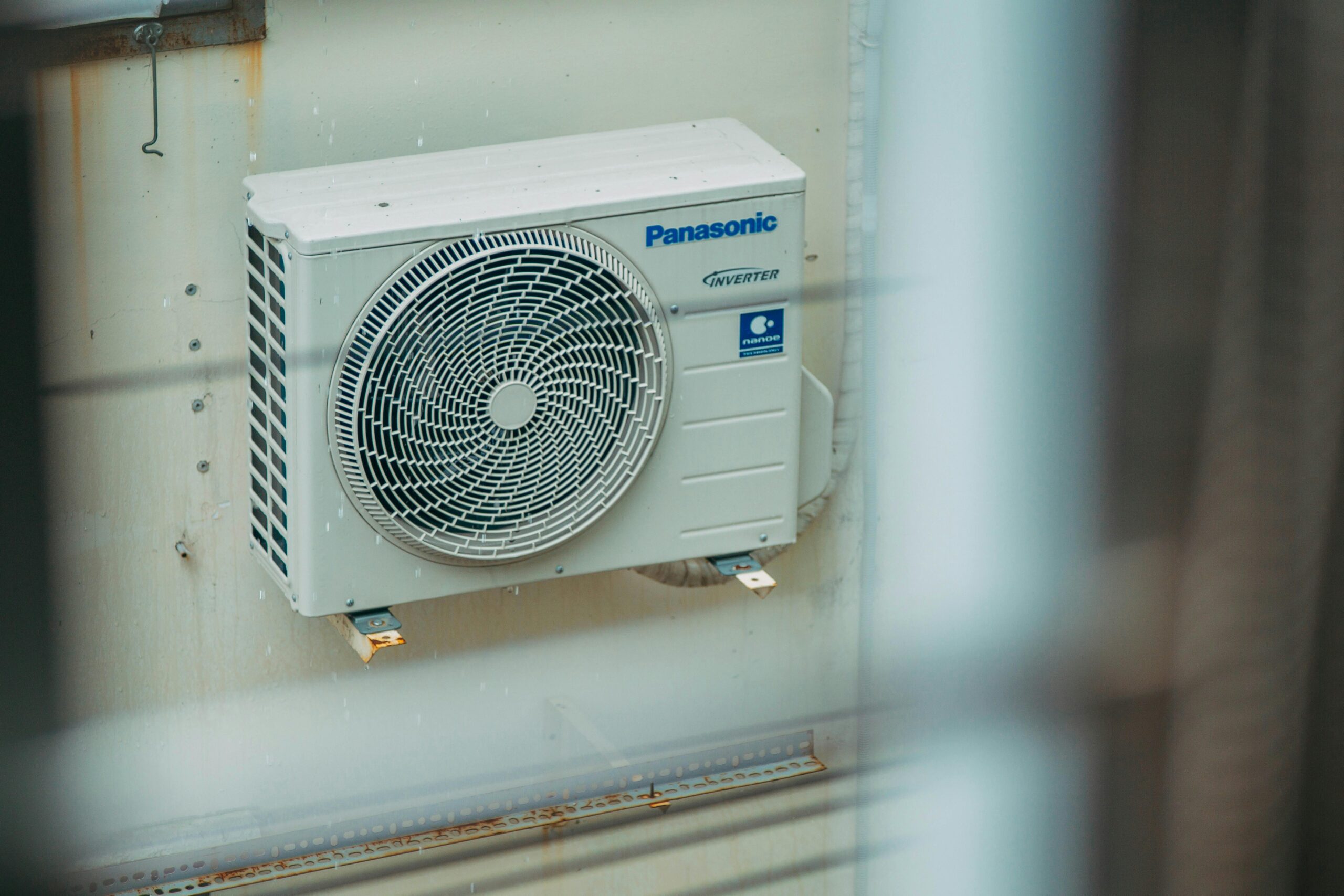
Modern variable-speed compressor technology has revolutionized traditional air conditioning. Unlike single-stage systems that cycle on and off, variable-speed units modulate output to match precise cooling demands, reducing energy waste and improving comfort.
Variable-speed systems cost 20-40% more than conventional units but consume 30-50% less energy. For a household spending $1,500 annually on cooling with a traditional system, upgrading could save $450-$750 yearly, achieving payback in 4-7 years while enjoying superior comfort control and quieter operation.
Heat Pump Technology for Year-Round Climate Control
Heat pumps provide both heating and cooling by moving thermal energy rather than generating it through combustion. This fundamental efficiency advantage makes them increasingly popular in moderate climates.
Air-source heat pumps offer SEER ratings up to 22 and Heating Seasonal Performance Factors (HSPF) exceeding 10, delivering exceptional efficiency in both modes. While initial costs range from $4,000-$8,000, replacing both heating and cooling systems with a single heat pump creates compelling economics, often achieving full payback within 7-12 years.
Evaporative Cooling in Appropriate Climates
Evaporative coolers, also called swamp coolers, consume 75% less energy than conventional air conditioners. They work by passing air through water-saturated pads, cooling through evaporation—a process that’s highly effective in dry climates but limited in humid regions.
System costs range from $1,500-$3,500, significantly less than traditional AC. In suitable climates, annual operating costs may be just $100-$200 compared to $1,000+ for conventional systems. The dramatic cost differential provides payback within 1-2 years, making evaporative cooling an exceptional value where applicable.
💡 Smart Controls and Automation: The Force Multiplier
Intelligent control systems optimize cooling performance regardless of the underlying technology. These systems maximize efficiency by matching cooling output to actual demand patterns rather than maintaining continuous operation.
Programmable and Smart Thermostats
Smart thermostats learn occupancy patterns, adjust for weather forecasts, and enable remote control through smartphone applications. These devices typically cost $150-$300 but reduce cooling energy consumption by 10-23% according to EPA studies.
For households spending $1,500 annually on cooling, a smart thermostat could save $150-$345 yearly, achieving payback in less than two years. Beyond savings, these devices provide usage insights that inform further optimization opportunities and increase awareness of consumption patterns.
Zoned Cooling Systems
Zoning divides buildings into independently controlled areas, eliminating the inefficiency of cooling unused spaces. Professional zoning installations cost $2,000-$3,500 but can reduce cooling costs by 20-30% in homes where certain areas experience minimal occupancy.
The cost-benefit equation improves dramatically in larger homes or buildings with distinct usage patterns. A 3,000-square-foot home spending $2,500 annually on cooling could save $500-$750 with proper zoning, reaching payback in 3-5 years while significantly improving comfort in occupied spaces.
🏢 Commercial Applications: Scaling the Cost-Benefit Analysis
Commercial cooling presents unique challenges and opportunities. Larger scale enables access to technologies impractical for residential use while amplifying both costs and potential savings.
Chilled Water Systems and District Cooling
Large facilities often benefit from centralized chilled water systems that distribute cooling throughout buildings. While capital costs are substantial—often $500,000-$2 million for significant installations—the efficiency gains and operational flexibility justify investment for buildings exceeding 100,000 square feet.
District cooling, where multiple buildings share centralized cooling production, extends this concept further. Development costs are considerable, but operational efficiency improvements of 30-50% compared to individual building systems create attractive economics at community or campus scales.
Thermal Energy Storage
Thermal storage systems produce cooling during off-peak hours when electricity rates are lower, then discharge stored cooling during peak periods. This load-shifting strategy reduces both energy costs and peak demand charges that significantly impact commercial utility bills.
Implementation costs range from $100-$300 per ton of cooling capacity, representing a substantial upfront investment. However, businesses subject to time-of-use rates or demand charges can achieve 20-40% reductions in cooling costs, with payback periods of 5-10 years depending on local rate structures.
Environmental Considerations in Cost-Benefit Models
Comprehensive cost-benefit analysis increasingly incorporates environmental factors beyond direct financial metrics. Carbon pricing, sustainability certifications, and corporate responsibility commitments add dimensions that influence decision-making.
Refrigerant selection illustrates this complexity. Traditional refrigerants with high global warming potential face phase-out regulations and potential carbon taxes. Systems using low-GWP refrigerants may cost slightly more initially but avoid future compliance costs and align with sustainability objectives that enhance corporate reputation and market positioning.
Energy source matters too. Cooling systems powered by renewable electricity dramatically reduce carbon footprints. While this might not immediately impact operating costs, it positions organizations favorably for potential carbon regulations and appeals to environmentally conscious stakeholders.
Building a Customized Cost-Benefit Framework
Effective decision-making requires frameworks tailored to specific circumstances rather than generic recommendations. Several factors determine which cooling interventions deliver optimal value for particular situations.
Climate Zone Considerations
Geographic location fundamentally shapes cost-benefit calculations. Cooling degree days—a measure of annual cooling demand—vary dramatically by region. Phoenix averages 4,000+ cooling degree days annually, while Seattle registers fewer than 200. This 20-fold difference means interventions highly cost-effective in hot climates may offer negligible returns in temperate regions.
Occupancy Patterns and Usage Intensity
Residential, commercial office, retail, and industrial applications have distinct cooling profiles. A retail space with consistent daytime occupancy benefits differently from cooling investments than a residential property with variable occupancy and flexible comfort requirements.
Hotels, where guest comfort directly impacts revenue, justify premium cooling investments that might be unjustifiable for warehouses where products don’t require precise temperature control. Matching cooling strategy to actual usage patterns maximizes return on investment.
Time Horizon and Financial Objectives
Investors seeking rapid payback prioritize different interventions than those taking long-term perspectives. Building owners planning to sell within five years emphasize solutions with quick returns and visible improvements that enhance property value. Long-term owner-occupants can justify higher upfront costs for solutions delivering superior lifetime economics.
🎯 Implementing a Strategic Approach to Cooling Investments
Translating cost-benefit analysis into action requires systematic evaluation and prioritization. The most effective approach combines quick wins that generate immediate savings with strategic investments that optimize long-term performance.
Conducting Energy Audits
Professional energy audits identify specific inefficiencies and quantify improvement opportunities. These assessments typically cost $300-$500 for residential properties or $0.05-$0.15 per square foot for commercial facilities. The detailed insights enable data-driven prioritization of interventions based on actual performance rather than assumptions.
Thermal imaging, airflow measurements, and equipment efficiency testing reveal where cooling capacity is wasted. This information transforms abstract possibilities into concrete recommendations with calculable returns on investment.
Phased Implementation Strategies
Budget constraints rarely permit comprehensive upgrades simultaneously. Phased approaches address the highest-impact opportunities first, generating savings that fund subsequent improvements. This self-financing strategy makes ambitious performance targets achievable without overwhelming capital requirements.
Typical phasing prioritizes low-cost, high-impact interventions like smart thermostats and weatherization first, then tackles equipment upgrades as existing systems reach end-of-life, and finally implements advanced solutions like thermal storage or comprehensive building envelope improvements.
Leveraging Incentives and Financing Programs
Utility rebates, tax credits, and low-interest financing programs dramatically improve the economics of cooling investments. Federal tax credits currently offer up to $2,000 for heat pump installations, while utility rebates can provide $500-$3,000 for high-efficiency system upgrades.
These incentives effectively reduce net costs by 20-40%, shortening payback periods proportionally. However, program availability varies by location and changes over time, making it essential to research current opportunities when planning cooling investments.
Measuring Success: Tracking Performance and Optimizing Operations
Installing efficient cooling systems represents just the beginning. Ongoing monitoring ensures systems deliver projected savings and identifies optimization opportunities that further improve performance.
Modern building management systems and energy monitoring tools provide real-time visibility into cooling energy consumption. Comparing actual performance against projections highlights discrepancies that may indicate maintenance needs, control programming issues, or occupant behavior patterns that undermine efficiency.
Simple practices like tracking monthly cooling costs as a percentage of total energy consumption, monitoring temperature differentials across systems, and benchmarking performance against similar buildings reveal trends and opportunities invisible without systematic measurement.
The Future Landscape of Cooling Cost-Benefit Analysis
Emerging technologies and evolving market dynamics continuously reshape cooling economics. Artificial intelligence-driven predictive controls, phase-change materials for thermal storage, and advanced heat rejection systems represent frontiers that will influence future cost-benefit calculations.
Grid integration capabilities increasingly add value beyond direct cooling performance. Systems that can modulate consumption in response to grid conditions or price signals provide revenue opportunities through demand response programs. This bi-directional value flow—consuming less expensive off-peak power while earning payments for load flexibility—creates new dimensions in cost-benefit models.
Climate adaptation requirements will intensify cooling demands while simultaneously increasing pressure for efficiency. This tension makes strategic cooling investments more critical than ever. Organizations and individuals who master cost-benefit analysis for cooling interventions will enjoy comfortable environments while controlling expenses in an era of rising energy costs and climate challenges.
The path forward requires balancing multiple objectives: initial affordability, operational efficiency, environmental responsibility, and long-term value. By applying rigorous cost-benefit frameworks that account for local conditions, usage patterns, and financial objectives, decision-makers can identify cooling interventions that maximize both comfort and savings. The investment in thoughtful analysis pays dividends through decades of optimized performance and controlled costs, making the effort to understand these models an essential component of responsible building management and homeownership.