Transform your yard into a sustainable oasis by harnessing nature’s gift—rainwater! Rain gardens blend beauty with function, creating stunning landscapes while solving drainage problems.

🌧️ What Makes Rain Gardens a Game-Changer for Modern Landscapes
Rain gardens represent one of the most innovative approaches to sustainable landscaping in recent years. These specially designed shallow depressions collect rainwater runoff from roofs, driveways, and other impervious surfaces, allowing it to slowly infiltrate into the ground rather than rushing into storm drains.
Unlike traditional gardens, rain gardens serve a dual purpose. They create visually appealing focal points while simultaneously addressing critical environmental concerns like water pollution, erosion, and flooding. The plants in these gardens act as natural filters, removing pollutants and sediments before water reaches groundwater supplies.
The environmental benefits extend far beyond your property line. By capturing and filtering stormwater runoff, rain gardens reduce the burden on municipal drainage systems and help prevent combined sewer overflows that can contaminate rivers and streams. Studies show that rain gardens can filter up to 90% of pollutants from runoff water.
Understanding the Science Behind Rain Garden Design 🔬
Successful rain garden design requires understanding how water moves through your landscape. The key principle involves creating a basin that temporarily holds water during rain events, then allows it to percolate into the soil within 12 to 48 hours. This timeframe prevents mosquito breeding while maximizing infiltration benefits.
Soil composition plays a crucial role in rain garden functionality. The ideal soil mixture contains approximately 50-60% sand, 20-30% topsoil, and 20-30% compost. This blend ensures adequate drainage while providing nutrients for plant growth. Heavy clay soils may require amendment or even excavation to achieve proper infiltration rates.
The depression depth typically ranges from 4 to 8 inches for residential applications. Deeper basins can handle larger volumes but require more extensive excavation and careful plant selection. The basin should have gently sloping sides, ideally at a 3:1 or 4:1 ratio, to prevent erosion and facilitate maintenance.
Calculating the Perfect Size for Your Rain Garden
Determining the appropriate size involves calculating the drainage area and considering soil infiltration rates. A general rule suggests that the rain garden should be approximately 20-30% of the size of the drainage area it serves. For example, if you’re directing runoff from a 1,000 square foot roof, your rain garden should be 200-300 square feet.
However, soil conditions significantly influence sizing calculations. Sandy soils with high infiltration rates may require smaller gardens, while clay-rich soils need larger basins to accommodate slower percolation. Conducting a simple percolation test helps determine your soil’s drainage capacity and ensures appropriate sizing.
Location, Location, Location: Choosing the Right Spot 📍
Site selection can make or break your rain garden project. The ideal location sits at least 10 feet away from building foundations to prevent water damage. It should also be positioned at least 25 feet from septic systems and wells to protect groundwater quality.
Natural low spots in your yard often make excellent rain garden sites, but ensure the area doesn’t remain perpetually wet. The garden should drain completely between rain events to maintain plant health and prevent standing water issues. Avoid placing rain gardens over utility lines, septic drain fields, or areas with mature tree roots.
Sun exposure significantly impacts plant selection and garden performance. Most rain garden plants thrive in full sun to partial shade conditions. Observe your chosen location throughout the day to understand light patterns and select plants accordingly. South-facing locations typically receive the most sunlight, while north-facing areas remain shadier.
Working with Slopes and Contours
Slope gradient affects both placement and design. Gentle slopes (less than 12%) work best for rain gardens, as steeper grades can cause erosion and uneven water distribution. On sloped sites, creating berms on the downhill side helps contain water and maximize infiltration time.
Consider installing check dams or terracing on steeper slopes to slow water flow and increase contact time with soil and plants. These features also add visual interest and create diverse planting zones within your rain garden.
🌿 Essential Plant Selection Criteria for Rain Garden Success
Choosing the right plants separates thriving rain gardens from struggling ones. Successful rain garden plants must tolerate both wet and dry conditions, as they experience feast-or-famine water availability. During heavy rains, roots may be submerged for hours or days, while extended dry periods can bring drought stress.
Native plants often excel in rain gardens because they’ve adapted to local climate patterns and rainfall cycles. They require less maintenance, resist pests and diseases better, and provide habitat for beneficial insects, birds, and butterflies. Native species also develop deep root systems that enhance soil structure and infiltration rates over time.
Consider bloom times, foliage textures, and heights when selecting plants. A diverse plant palette creates year-round interest and ensures that something always looks attractive in your rain garden. Mixing perennials with different flowering periods extends the visual appeal from early spring through late fall.
Zone Planning Within Your Rain Garden
Rain gardens typically contain three distinct moisture zones, each requiring plants with specific tolerances:
- Zone 1 (Bottom/Center): Experiences the longest saturation periods and requires plants that tolerate standing water for 48+ hours
- Zone 2 (Middle Slopes): Moderate moisture with occasional short-term flooding, suitable for plants with intermediate water tolerance
- Zone 3 (Upper Edges): Driest area receiving minimal standing water, ideal for plants preferring well-drained conditions
Top-Performing Rain Garden Plants by Region 🌺
Plant selection varies significantly based on geographic location and climate zone. What thrives in the Pacific Northwest may struggle in the Southwest. Understanding your USDA hardiness zone and regional rainfall patterns helps ensure plant success.
Northeast and Midwest Champions
These regions experience cold winters and moderate summer rainfall, making hardy perennials excellent choices. Blue flag iris (Iris versicolor) tolerates wet feet beautifully while producing stunning purple blooms in late spring. Cardinal flower (Lobelia cardinalis) attracts hummingbirds with brilliant red flowers and thrives in consistently moist conditions.
Joe-Pye weed (Eutrochium purpureum) adds dramatic height and late-season color with dusty pink flower clusters. Swamp milkweed (Asclepias incarnata) serves double duty by supporting monarch butterflies while handling periodic flooding. New England aster (Symphyotrichum novae-angliae) closes the season with purple blooms that feed pollinators preparing for winter.
Southeast Selections
Heat and humidity characterize southeastern climates, requiring plants that withstand muggy summers and occasional drought. Canna lilies (Canna spp.) provide bold tropical foliage and bright flowers in saturated soils. Louisiana iris (Iris fulva) offers stunning blooms in copper, red, and yellow tones.
Sweetflag (Acorus calamus) contributes attractive grass-like foliage that tolerates standing water exceptionally well. Muhly grass (Muhlenbergia capillaris) produces ethereal pink plumes in fall and handles both wet and dry conditions. Southern blue flag (Iris virginica) displays delicate blue flowers and adapts well to variable moisture.
Western Region Winners
Western climates vary dramatically from coastal rainforests to arid deserts. In the Pacific Northwest, Douglas aster (Symphyotrichum subspicatum) and Western sword fern (Polystichum munitum) thrive in moisture-retentive soils. Red twig dogwood (Cornus sericea) provides multi-season interest with spring flowers, summer berries, and bright winter stems.
For drier western regions, consider California fuchsia (Epilobium canum), which tolerates drought once established while handling occasional rain garden flooding. Yarrow (Achillea millefolium) adapts to various moisture levels and attracts beneficial insects. Deergrass (Muhlenbergia rigens) adds architectural interest and requires minimal water between rain events.
🛠️ Step-by-Step Rain Garden Construction Guide
Building a rain garden involves careful planning and proper execution. Start by marking your garden outline with spray paint or flour, creating a natural, flowing shape that complements your landscape. Avoid rigid geometric designs that look artificial.
Excavation requires removing soil to your planned depth, typically 4-8 inches. Set aside good topsoil for mixing with amendments. Create a flat bottom with gently sloping sides to prevent erosion. Install a berm on the downhill side if needed to contain water.
Prepare your soil mixture by combining native topsoil with sand and compost in the recommended proportions. This amended soil goes back into the excavated area, creating the growing medium for your plants. Tamp lightly to eliminate air pockets without compacting excessively.
Installing Inlet and Overflow Features
Direct water into your rain garden using swales, channels, or buried pipes. If using downspout connections, extend pipes to distribute water across the garden rather than concentrating flow in one spot. Add stones or gravel at inlet points to prevent erosion from rushing water.
Every rain garden needs an overflow system for extreme rainfall events. Create an overflow channel or install a French drain that directs excess water safely away from buildings. Position the overflow at the opposite end from the inlet to maximize water residence time.
Planting Techniques for Maximum Establishment Success 🌱
Timing matters when planting rain gardens. Spring and fall offer ideal conditions with moderate temperatures and typically adequate rainfall. Avoid planting during summer heat waves or when frost threatens.
Plant spacing depends on mature plant size and desired coverage timeline. While closer spacing creates faster coverage, it requires more plants and may lead to overcrowding later. Follow spacing recommendations on plant tags, but consider placing plants slightly closer in rain gardens to create dense root systems that improve infiltration.
After planting, apply 2-3 inches of shredded hardwood mulch to suppress weeds, retain moisture, and moderate soil temperatures. Keep mulch pulled back from plant crowns to prevent rot. Replenish mulch annually as it decomposes.
First-Year Maintenance Requirements
New rain gardens need regular attention during establishment. Water plants weekly during dry spells for the first growing season, even though they’ll eventually tolerate drought. This supplemental irrigation helps roots develop before facing challenging conditions.
Weed diligently during the first year to prevent competition with young plants. Hand-pull weeds after rain when soil is soft, or use a hoe carefully to avoid damaging desired plants. As your rain garden matures, dense plant growth naturally suppresses most weeds.
Long-Term Maintenance and Seasonal Care 🔄
Established rain gardens require relatively minimal maintenance compared to traditional landscapes. Remove debris, leaves, and trash after storms to maintain proper function and appearance. Inspect inlet and overflow areas regularly to ensure they remain clear and operational.
Prune and deadhead plants as needed throughout the growing season. Cut back perennials in late winter or early spring before new growth emerges. Leave seed heads standing over winter to provide food for birds and visual interest in the dormant landscape.
Monitor for invasive species that might establish in your rain garden. Remove aggressive plants promptly before they spread. Similarly, watch for volunteer trees and shrubs that could grow large enough to disrupt garden function.
Addressing Common Problems
Standing water lasting longer than 48 hours indicates drainage problems. Check for compacted soil, clogged inlets, or inadequate sizing. You may need to amend soil further or enlarge the garden to handle water volumes properly.
Erosion at inlet points requires reinforcement with larger stones or erosion control fabric. Sparse plant growth might indicate poor soil conditions, inadequate light, or improper plant selection for your specific zones. Assess conditions and adjust accordingly.
Enhancing Wildlife Value and Biodiversity 🦋
Rain gardens naturally attract wildlife when planted with diverse native species. Butterflies visit flowers for nectar, while bees collect pollen for their hives. Birds feast on seeds and insects, creating a dynamic ecosystem in your yard.
Include plants with different bloom times to provide continuous food sources throughout the growing season. Early bloomers like marsh marigold feed emerging pollinators in spring, while late-season asters support insects preparing for winter.
Leave plant stalks standing through winter rather than cutting everything back in fall. Hollow stems house beneficial insects over winter, while seed heads feed birds. This wildlife-friendly approach also reduces maintenance while increasing ecological value.
Maximizing Aesthetic Appeal Throughout Seasons ✨
Rain gardens can be stunning landscape features with thoughtful design. Layer plants by height, placing tall species in the center or back and shorter plants toward edges. This arrangement creates depth and ensures all plants remain visible.
Incorporate plants with interesting foliage textures and colors for visual interest beyond bloom periods. Grasses add movement and sound when breezes blow, while plants with purple or burgundy foliage provide contrast against green tones.
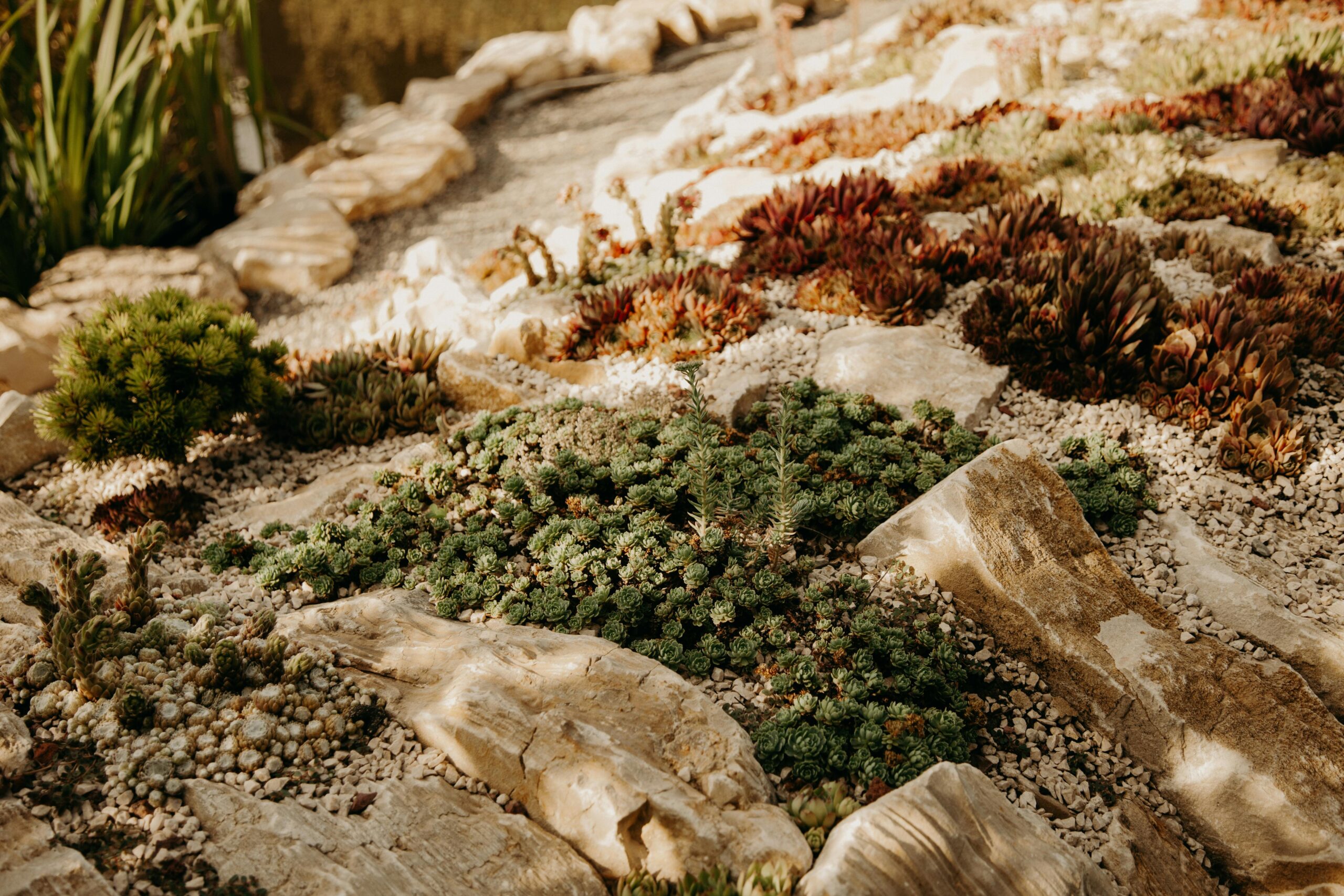
Consider adding focal points like decorative rocks, driftwood, or artistic elements that complement your planting scheme. These features add personality and structure, especially during winter months when herbaceous plants die back.
Cost Considerations and Budget-Friendly Approaches 💰
Rain garden costs vary widely based on size, complexity, and whether you hire professionals or tackle the project yourself. DIY installations typically cost $3-5 per square foot for materials, while professional installation might run $10-20 per square foot or more.
Reduce costs by starting small and expanding over time. Begin with a modest 100-200 square foot garden handling runoff from one downspout, then add sections as budget allows. Purchase smaller plant sizes that establish quickly at lower cost than larger specimens.
Many municipalities offer rain garden incentives, rebates, or cost-sharing programs to encourage stormwater management. Check with your local water utility or environmental department about available programs. Some areas provide free design assistance or discounted plants.

Inspiring Your Neighbors and Community Impact 🏘️
Your rain garden can inspire broader environmental action in your neighborhood. As neighbors observe your beautiful, functional landscape, many will ask questions and consider installing their own rain gardens. Share your experiences, successes, and lessons learned to encourage others.
The cumulative impact of multiple rain gardens in a neighborhood significantly improves local water quality and reduces flooding. Even small residential rain gardens collectively capture thousands of gallons of runoff that would otherwise carry pollutants into waterways.
Consider organizing a neighborhood rain garden workshop or tour showcasing different design approaches. Partner with local extension services, conservation districts, or environmental organizations to provide expert information and resources. Building community knowledge creates lasting positive change.
Your journey with rain garden design transforms more than just your landscape—it represents a commitment to environmental stewardship and sustainable living. By choosing plants carefully, designing thoughtfully, and maintaining properly, you create an ecosystem that serves both aesthetic and ecological purposes. The sound of rain becomes a celebration rather than a concern as you watch your garden fulfill its purpose, filtering water while supporting pollinators and wildlife. Every rain event strengthens your connection to natural cycles and demonstrates how individual actions contribute to broader environmental solutions. Your rain garden stands as living proof that beauty and function can coexist, inspiring others while making tangible differences in water quality, habitat creation, and community resilience against climate challenges.