Green roofs are transforming urban landscapes into living ecosystems that capture, filter, and store stormwater while providing countless environmental benefits to our cities.

As urban centers continue to expand and climate change intensifies weather patterns, traditional stormwater management systems are becoming overwhelmed. Heavy rainfall events increasingly lead to flooding, water pollution, and infrastructure damage. The answer to this growing challenge may literally be over our heads—green roofs represent one of the most innovative and effective solutions for sustainable stormwater management in modern cities.
The concept of vegetated rooftops isn’t entirely new, but recent technological advances and environmental pressures have sparked a renaissance in green roof design and implementation. These living systems are no longer just aesthetic additions; they’re essential infrastructure components that address multiple urban challenges simultaneously, with stormwater management at the forefront of their benefits.
🌱 Understanding the Green Roof Revolution
Green roofs, also known as living roofs or eco-roofs, are building rooftops partially or completely covered with vegetation and growing medium, installed over a waterproofing membrane. They’ve evolved significantly from simple grass-covered structures to sophisticated, multi-layered systems engineered for optimal performance.
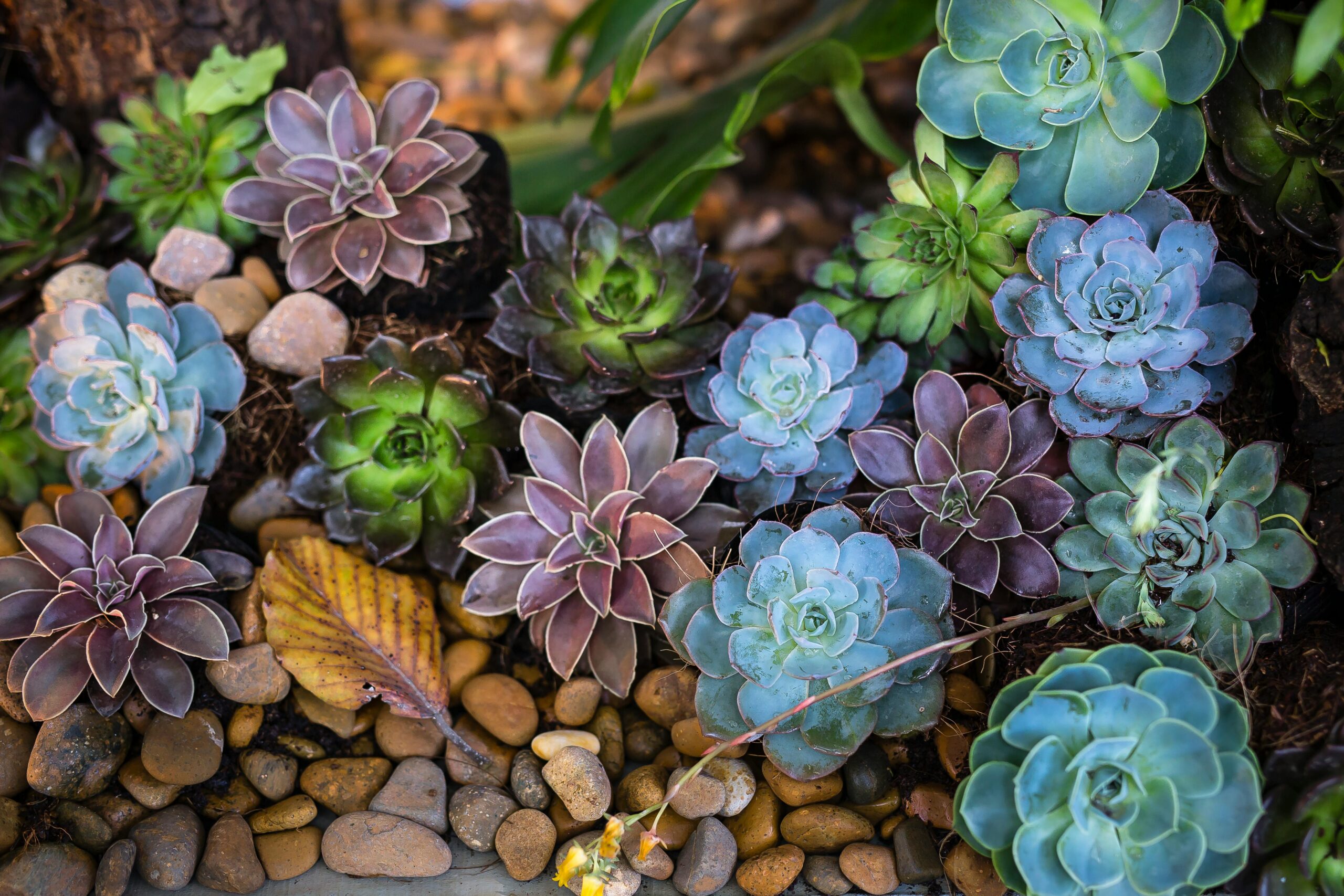
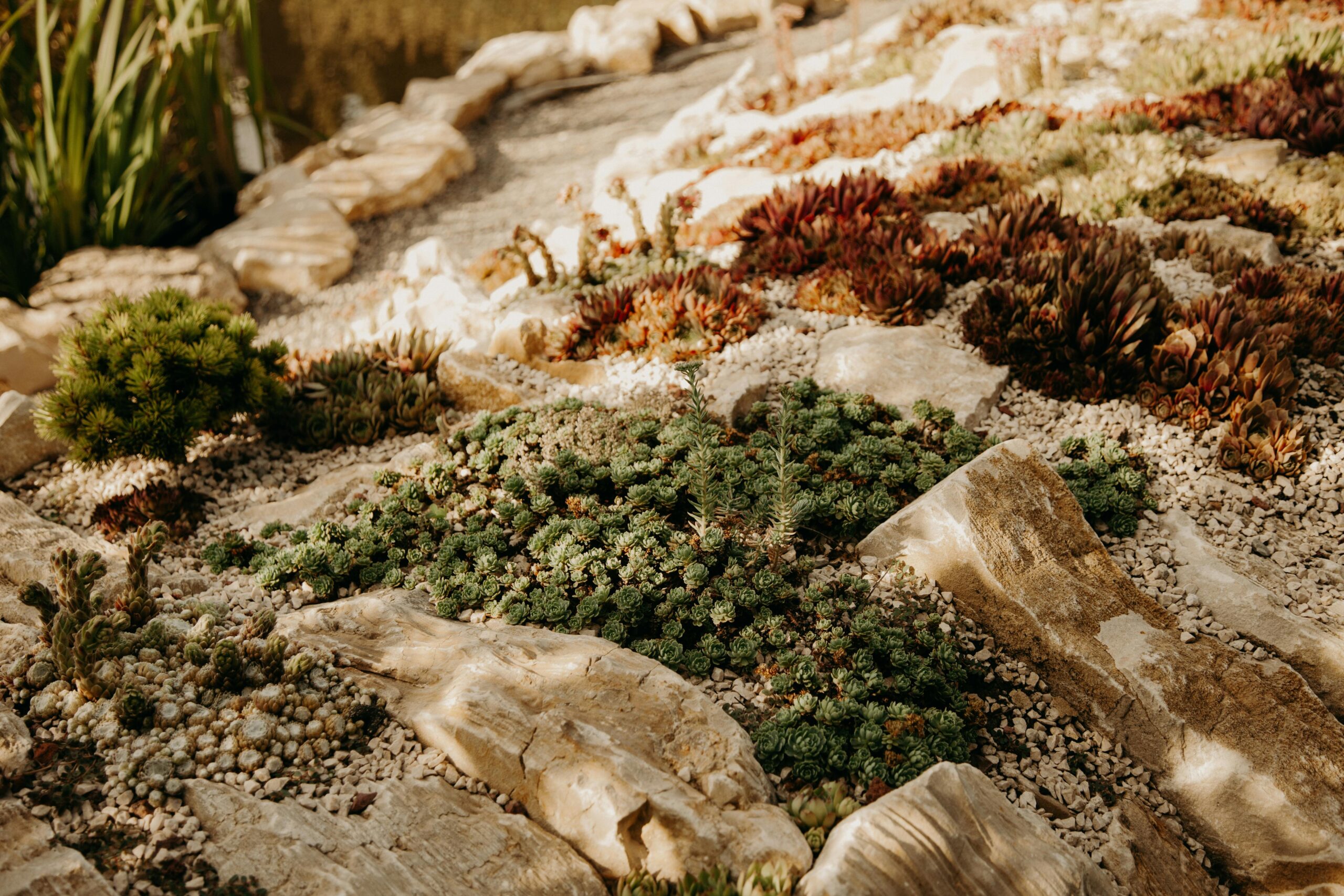
There are two primary categories of green roofs: extensive and intensive. Extensive green roofs feature shallow growing mediums (typically 2-6 inches) with drought-resistant plants like sedums, requiring minimal maintenance. Intensive green roofs have deeper soil profiles (6 inches to several feet) and can support diverse plantings including shrubs, trees, and even recreational spaces.
The stormwater management capabilities of green roofs stem from their unique layered construction. Each component plays a specific role in capturing, retaining, and slowly releasing rainfall. The vegetation and growing medium absorb water, the drainage layer facilitates controlled runoff, and the entire system works together to mimic natural hydrological processes that have been disrupted by urbanization.
💧 The Science Behind Stormwater Capture
Green roofs intercept rainfall before it becomes runoff, fundamentally changing how water moves through urban environments. Studies have demonstrated that extensive green roofs can retain 40-60% of annual rainfall, while intensive systems may capture 70-90% depending on design, climate, and precipitation patterns.
The water retention process begins immediately when rain hits the vegetation canopy. Plant leaves intercept droplets, reducing impact and initiating evapotranspiration—the combined process of evaporation from surfaces and transpiration through plant tissues. The growing medium acts as a sponge, absorbing significant volumes of water within its porous structure.
What water isn’t retained eventually percolates through the system’s layers, but this process occurs gradually over hours or days rather than minutes. This detention effect dramatically reduces peak flow rates during storm events, alleviating stress on municipal drainage systems and reducing flooding risks. The delayed release also allows water treatment facilities to process flows more effectively.
Seasonal Performance Variations
Green roof stormwater performance varies seasonally, with important implications for year-round water management. During warmer months, evapotranspiration rates increase, meaning more water is returned to the atmosphere rather than becoming runoff. Research indicates summer retention rates can exceed 80% for well-designed systems.
Winter performance depends heavily on climate. In temperate regions, dormant vegetation reduces evapotranspiration, but the growing medium continues providing storage capacity. In areas with freezing temperatures, ice formation can temporarily reduce absorption, though the insulating properties of green roofs help maintain some functionality even in cold conditions.
🏙️ Urban Heat Islands and Water Quality Benefits
Beyond quantity management, green roofs significantly improve stormwater quality—a critical concern in urban watersheds. Conventional impervious surfaces collect pollutants including heavy metals, oils, pesticides, and sediments that wash into waterways during rain events. Green roofs filter and metabolize many of these contaminants before water re-enters the hydrological cycle.
The growing medium and root systems act as biofilters, removing particulates and breaking down organic pollutants. Beneficial microorganisms in the substrate metabolize nutrients and other compounds, effectively treating stormwater as it passes through the system. Studies show green roofs can remove 95% of cadmium, 16% of phosphorus, and significant percentages of nitrogen from rainfall.
The cooling effect of green roofs addresses another dimension of urban water management. By reducing roof surface temperatures by 30-40°F compared to conventional roofs, vegetated systems lower the temperature of stormwater runoff. Heated runoff from traditional roofs can raise receiving water body temperatures, stressing aquatic ecosystems. Green roofs eliminate this thermal pollution problem.
📊 Comparing Storage Capacities: Green Roofs vs. Traditional Systems
| System Type | Storage Capacity | Peak Flow Reduction | Water Quality Improvement |
|---|---|---|---|
| Extensive Green Roof | 0.5-1.5 inches | 50-60% | High |
| Intensive Green Roof | 2-4 inches | 65-85% | Very High |
| Conventional Roof | 0 inches | 0% | None (degrades quality) |
| Underground Detention | Variable | 60-80% | Minimal |
🌍 Environmental and Economic Returns
The investment in green roof infrastructure delivers multiple returns beyond stormwater management. Buildings with vegetated roofs experience reduced energy consumption due to improved insulation—cooling costs may decrease by 25-30% in summer months. This energy efficiency translates directly to reduced greenhouse gas emissions from power generation.
Green roofs extend roof membrane lifespan by protecting waterproofing materials from UV radiation, temperature extremes, and physical damage. While conventional roofs typically require replacement every 20 years, green roof membranes often last 40 years or more, significantly reducing lifecycle costs and material waste.
Municipalities benefit from reduced infrastructure burden when green roofs are deployed at scale. Cities can potentially downsize or delay expensive grey infrastructure projects like expanded sewer systems and treatment facilities. Some jurisdictions have quantified these savings in millions of dollars for comprehensive green roof programs.
Property Value Enhancement 💰
Real estate markets increasingly recognize green roofs as valuable amenities. Properties with living roofs command premium prices and attract environmentally conscious tenants. Commercial buildings with green roofs report higher occupancy rates and tenant satisfaction scores. For residential properties, accessible green roofs create desirable outdoor spaces in dense urban environments where ground-level green space is limited.
🔧 Design Considerations for Maximum Stormwater Performance
Optimizing green roofs for stormwater management requires thoughtful design decisions across multiple parameters. Growing medium depth represents perhaps the most critical factor—each additional inch of substrate adds approximately 0.5 inches of storage capacity. However, structural load limitations often constrain depth options, requiring engineers to balance performance goals with building capabilities.
Plant selection significantly influences water retention performance. Species with high transpiration rates and extensive root systems maximize evapotranspiration and improve substrate porosity. Native plants adapted to local climate conditions generally outperform non-native species while supporting regional biodiversity. Mixing species with different water needs and growth habits creates resilient ecosystems that perform well across varying conditions.
The drainage layer configuration affects both retention and release rates. Some designs incorporate detention boards or water retention mats that temporarily hold water within the profile before gradual release. Blue-green roofs take this concept further by including reservoirs that store water for extended periods, releasing it slowly or making it available for irrigation during dry periods.
Key Design Elements for Stormwater Optimization
- Substrate composition: Balanced mix of lightweight aggregates, organic matter, and water-retentive materials optimized for both drainage and retention
- Vegetation diversity: Multiple species with complementary growth habits and water uptake patterns to maximize evapotranspiration
- Drainage management: Controlled flow restrictors or detention features to regulate discharge rates during storm events
- Monitoring systems: Sensors and data collection capabilities to track performance and inform maintenance decisions
- Edge details: Proper perimeter design to prevent erosion while allowing necessary overflow capacity
- Access provisions: Safe pathways for maintenance personnel to inspect and care for the system without damaging vegetation
📈 Implementation Success Stories
Cities worldwide have embraced green roofs as core stormwater infrastructure components with measurable results. Chicago, an early adopter with over 500 green roofs totaling 5 million square feet, documented substantial reductions in combined sewer overflow events. The city’s comprehensive monitoring program confirmed that green roofs consistently retain 50-60% of annual precipitation.
Toronto mandated green roofs on new commercial and residential buildings over certain sizes through groundbreaking 2009 legislation. Over a decade later, the policy has resulted in more than 4 million square feet of vegetated roofs. Stormwater modeling indicates these installations collectively reduce runoff by millions of gallons annually while removing tons of air pollutants.
Copenhagen’s ambitious climate adaptation plan includes extensive green roof implementation as part of a comprehensive blue-green infrastructure strategy. The Danish capital aims to handle increasingly intense rainfall through natural systems rather than expanded grey infrastructure. Green roofs work in concert with permeable surfaces, bioswales, and retention parks to manage water where it falls.
🚧 Overcoming Implementation Barriers
Despite proven benefits, several obstacles limit widespread green roof adoption. Initial installation costs remain higher than conventional roofing—extensive systems typically add $10-25 per square foot, while intensive installations can cost $25-50 per square foot or more. However, lifecycle cost analyses increasingly demonstrate long-term financial advantages when energy savings, extended roof life, and stormwater fee reductions are factored into equations.
Structural capacity concerns prevent retrofitting many existing buildings without costly reinforcement. Green roofs add 10-50 pounds per square foot depending on design, potentially exceeding original structural specifications. New construction can accommodate these loads through appropriate engineering, but retrofit applications require careful assessment by structural engineers.
Knowledge gaps among building professionals slow adoption rates. Architects, engineers, and contractors unfamiliar with green roof systems may hesitate to specify or install them. Expanding educational programs and professional training initiatives helps overcome this barrier. Industry organizations now offer certification programs specifically focused on living roof design and installation.
Policy Mechanisms Driving Adoption 📋
Progressive policy frameworks accelerate green roof implementation through various mechanisms. Stormwater fee discount programs reward property owners who reduce runoff with lower utility charges. Some cities offer discounts up to 60% for properties with comprehensive stormwater management including green roofs.
Density bonuses allow developers to build larger projects in exchange for incorporating green infrastructure. This approach creates financial incentives without requiring direct subsidies. Mandates, while more controversial, have proven effective in cities like Toronto, Stuttgart, and Copenhagen where green roofs are now standard practice for certain building types.
🔮 Future Innovations in Green Roof Technology
Emerging technologies promise to enhance green roof stormwater performance even further. Smart irrigation systems using weather data and soil moisture sensors optimize water use while maintaining plant health. During dry periods, these systems can pre-emptively reduce moisture content, creating additional storage capacity before predicted rainfall events.
Biochar amendments to growing media show promise for improving both water retention and pollutant filtration. This charcoal-like material increases substrate water-holding capacity while adsorbing contaminants. Research continues exploring optimal biochar types and incorporation rates for different climates and applications.
Modular systems with standardized components simplify installation and reduce costs. Pre-vegetated modules arrive at job sites ready for placement, accelerating construction timelines and improving establishment success rates. These systems also facilitate maintenance and allow sections to be replaced individually if problems develop.
Integration with building management systems enables real-time monitoring and optimization. Sensors tracking moisture levels, temperature, runoff volume, and plant health generate data streams that inform maintenance decisions and document performance for regulatory compliance or credit programs. Machine learning algorithms may eventually predict optimal irrigation schedules and identify developing issues before they become serious problems.
🌿 Creating Resilient Cities Through Living Roofs
The green roof revolution represents more than a stormwater management strategy—it’s a fundamental reimagining of urban landscapes. By transforming passive, often deteriorating roof surfaces into active, productive ecosystems, cities gain multiple benefits simultaneously. Climate resilience improves as buildings handle their own stormwater while reducing heat island effects and providing habitat for urban wildlife.
Scaling implementation requires coordinated efforts across multiple sectors. Policymakers must create regulatory frameworks and incentive structures that make green roofs economically attractive. Building professionals need education and training to confidently design and construct these systems. Property owners benefit from understanding long-term value propositions beyond initial costs.
The stormwater challenges facing modern cities will only intensify as climate change progresses and populations concentrate in urban areas. Conventional approaches relying solely on pipes, pumps, and treatment plants cannot keep pace with these escalating demands. Green roofs offer a distributed, resilient alternative that works with natural processes rather than against them.
Every vegetated roof contributes to a larger transformation—converting impervious urban surfaces back into landscapes that breathe, filter, cool, and nurture life. The rainwater revolution isn’t coming; it’s already here, growing one green roof at a time. As more buildings sprout living canopies, our cities become more livable, sustainable, and prepared for whatever weather the future brings. The power to change our urban water cycle literally lies at the top of our buildings, waiting to be harnessed through the remarkable potential of green roofs.