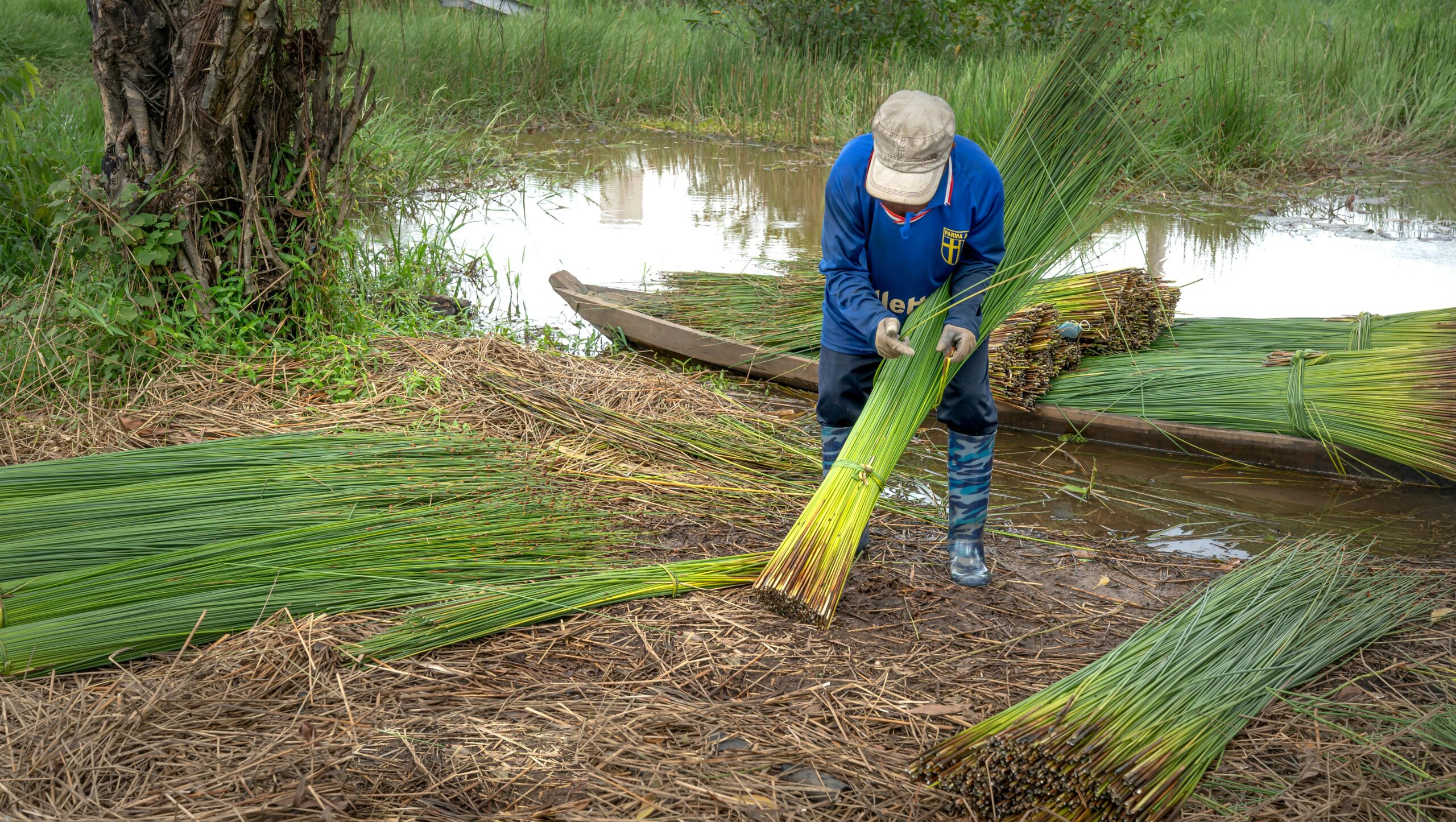
Wind-buffer vegetation serves as nature’s frontline defense, transforming landscapes while safeguarding soil, crops, and communities from harsh weather conditions through strategic planting and ecological design.

🌳 Understanding the Power of Protective Vegetation
Wind-buffer vegetation, commonly known as windbreaks or shelterbelts, represents one of agriculture and landscape management’s most effective natural solutions. These strategically planted rows of trees, shrubs, and grasses create living barriers that redirect, slow, and filter wind currents, providing multifaceted benefits to both natural and cultivated environments.
The concept isn’t new—farmers and landowners have recognized the protective qualities of vegetation for centuries. However, modern environmental challenges including climate change, soil erosion, and extreme weather events have elevated windbreaks from simple farm features to essential components of sustainable land management strategies worldwide.
These green shields work by creating zones of reduced wind velocity on their leeward side, extending protection across distances that can reach 10 to 30 times the height of the windbreak itself. This protection zone creates microclimates that influence temperature, humidity, evaporation rates, and soil moisture—all critical factors for ecosystem health and agricultural productivity.
The Science Behind Wind Reduction and Air Flow
When wind encounters a vegetation barrier, physical forces come into play that fundamentally alter air movement patterns. The most permeable windbreaks—those with roughly 40-60% density—prove most effective because they allow some air to pass through while significantly reducing velocity.
Solid barriers like walls or extremely dense plantings cause wind to jump over the obstruction and create turbulence on the protected side, actually increasing wind damage in certain areas. Semi-permeable vegetation, however, filters the wind, absorbing its energy gradually and distributing it across a broader area.
The height of the windbreak directly determines its protection zone. A 10-meter tall shelterbelt can create calm conditions extending 100 to 300 meters downwind. This relationship makes planning critical—understanding your land’s prevailing wind directions and seasonal variations ensures optimal placement for maximum benefit.
Multi-Layer Design for Maximum Effectiveness
The most successful windbreaks incorporate multiple vegetation layers. Tall trees form the upper canopy, medium-sized trees and large shrubs create the middle layer, and low shrubs or grasses establish the ground level. This stratified approach ensures wind protection from ground level upward, preventing gaps that would allow damaging gusts to penetrate.
Coniferous evergreens provide year-round protection, making them invaluable for winter wind control. Deciduous trees contribute during growing seasons when crop protection is most critical. Combining both types creates adaptable systems that respond to seasonal protection needs while supporting diverse wildlife populations.
🌾 Agricultural Benefits That Transform Productivity
Farmers implementing windbreak systems report remarkable improvements across multiple agricultural metrics. Crop yields in protected fields typically increase 10-25% compared to exposed areas, with some specialty crops showing even higher gains. These improvements stem from reduced physical damage, better moisture retention, and optimized growing conditions.
Wind-buffer vegetation significantly reduces soil erosion—one of agriculture’s most persistent challenges. Exposed topsoil can be stripped away at alarming rates during high-wind events, carrying away nutrients, organic matter, and the productive capacity built over decades. Windbreaks anchor soil in place, reducing erosion rates by 60-80% in protected zones.
Livestock operations benefit substantially from strategically placed shelterbelts. Animals sheltered from harsh winter winds require less feed to maintain body temperature, reducing operational costs while improving animal welfare. Summer shade from windbreak trees decreases heat stress, supporting better weight gain and milk production in dairy operations.
Water Conservation Through Microclimate Management
In regions where water scarcity threatens agricultural viability, windbreaks offer powerful conservation benefits. By reducing wind velocity across fields, these vegetative barriers decrease evapotranspiration rates—the combined water loss from soil evaporation and plant transpiration.
Studies demonstrate that protected fields retain soil moisture significantly longer than exposed areas, reducing irrigation requirements by 15-30%. This conservation extends water resources while lowering pumping costs and energy consumption, creating environmental and economic advantages simultaneously.
The microclimate created within windbreak protection zones also reduces temperature extremes. Summer temperatures may be 2-4 degrees cooler in protected areas, while winter temperatures remain slightly warmer. These moderated conditions extend growing seasons and reduce plant stress during critical developmental stages.
🏡 Enhancing Residential and Rural Landscapes
Beyond agricultural applications, wind-buffer vegetation transforms residential properties into comfortable, energy-efficient living spaces. Homes protected by properly designed windbreaks experience reduced heating costs—studies indicate savings of 10-40% on winter energy bills depending on windbreak design and regional climate conditions.
The noise reduction benefits of dense vegetation plantings shouldn’t be overlooked. Trees and shrubs absorb sound waves, creating quieter outdoor spaces even near highways or industrial areas. This acoustic buffering contributes to improved quality of life and increased property values in rural and suburban settings.
Aesthetic enhancements accompany the practical benefits. Thoughtfully designed shelterbelts frame views, create privacy screens, and establish visual structure in open landscapes. Seasonal color changes, flowering periods, and wildlife attraction add dynamic interest throughout the year, transforming functional plantings into landscape features.
Wildlife Corridors and Biodiversity Hotspots
Wind-buffer vegetation creates essential habitat in agricultural landscapes that might otherwise support limited wildlife. These vegetated strips serve as travel corridors connecting fragmented natural areas, allowing species movement across otherwise inhospitable terrain.
Bird populations particularly benefit from windbreak plantings. Species diversity and abundance increase dramatically in landscapes with established shelterbelts compared to open agricultural areas. These birds provide natural pest control services, reducing insect damage to crops and decreasing pesticide dependence.
Pollinators including native bees, butterflies, and beneficial insects find shelter and forage in windbreak plantings. Including flowering shrubs and native species in windbreak design creates pollinator highways that support these essential species while enhancing pollination services for nearby crops and gardens.
Strategic Planning for Wind-Buffer Success
Effective windbreak establishment begins with thorough site analysis. Understanding prevailing wind directions throughout the year determines optimal placement. Most regions experience dominant winds from specific directions, with secondary winds from other quarters during particular seasons.
Local weather data and personal observation help identify the winds causing greatest damage or discomfort. In agricultural settings, protecting against hot, dry summer winds may take priority, while residential properties might focus on cold winter wind protection. Comprehensive planning addresses multiple wind concerns through strategic placement.
Spacing between windbreak rows affects both protection effectiveness and land use efficiency. Single-row windbreaks occupy minimal space but provide limited protection duration and height potential. Multi-row systems offer superior protection and longevity but require more land commitment. The optimal balance depends on available space, protection goals, and management capacity.
Species Selection for Regional Adaptation
Choosing appropriate plant species represents perhaps the most critical decision in windbreak establishment. Native species adapted to local climate conditions, soil types, and pest pressures require less maintenance and provide superior wildlife habitat compared to exotic alternatives.
Hardiness zone ratings guide species selection, but local soil conditions, moisture availability, and extreme weather potential must also inform choices. Consultation with local agricultural extension services, native plant societies, or experienced windbreak designers helps identify proven performers for specific regions.
Diversity within windbreak plantings creates resilience against disease and pest outbreaks. Monoculture windbreaks face catastrophic failure if affected by species-specific problems, while diverse plantings continue functioning even if individual species decline. Mixing species also extends seasonal interest and wildlife value.
⚙️ Installation and Establishment Best Practices
Timing windbreak installation appropriately increases survival rates and reduces maintenance requirements. Spring planting in most temperate regions allows root establishment before summer stress, while fall planting works well in areas with mild winters and adequate rainfall. Avoiding planting during extreme weather periods protects young trees during their most vulnerable stage.
Site preparation significantly impacts establishment success. Controlling competing vegetation through mulching, fabric barriers, or careful herbicide application gives young trees the resources they need to establish rapidly. Weed competition for water and nutrients represents the primary cause of windbreak planting failures.
Initial irrigation during the first growing season proves critical in most climates. Even drought-tolerant species selected for long-term resilience need consistent moisture during establishment. Drip irrigation systems offer efficient water delivery, though manual watering or temporary sprinkler systems also work for smaller plantings.
Maintenance Requirements for Long-Term Performance
Once established, windbreaks require ongoing but generally minimal maintenance. Vegetation control around young trees continues for three to five years until canopy closure shades out most competing plants. Mulch renewal maintains weed suppression while conserving soil moisture and moderating temperature extremes.
Pruning needs vary by species and windbreak objectives. Some designs benefit from lower branch removal to improve livestock access or visibility while maintaining upper canopy wind protection. Other systems require branches to ground level for complete wind blockage and maximum wildlife value.
Monitoring for pest and disease issues allows early intervention before problems escalate. While diverse, well-adapted plantings resist most problems, occasional issues require attention. Removing and replacing failing individuals maintains windbreak integrity and prevents gaps that reduce overall effectiveness.
🌍 Climate Adaptation and Carbon Sequestration
As climate change intensifies weather extremes, wind-buffer vegetation offers natural adaptation infrastructure. Windbreaks moderate temperature fluctuations, reduce moisture stress, and protect against increasingly severe storm events—all climate impacts predicted to intensify in coming decades.
The carbon sequestration capacity of established windbreaks contributes to climate mitigation efforts. Trees store carbon in woody biomass and roots while improving soil carbon through leaf litter and root turnover. A typical farmstead windbreak may sequester several tons of carbon annually once mature.
Windbreaks reduce the carbon footprint of agricultural operations through multiple pathways. Decreased irrigation pumping, reduced heating fuel consumption, lower fertilizer losses to wind erosion, and improved crop efficiency all contribute to greenhouse gas reductions beyond direct carbon storage in vegetation.
Economic Returns on Green Infrastructure Investment
While windbreak establishment requires upfront investment in plants, labor, and irrigation, the return on this investment becomes apparent within years and compounds over decades. Increased crop yields alone often justify costs within 5-10 years, with energy savings, livestock benefits, and property value appreciation adding to returns.
Many agricultural conservation programs offer financial incentives for windbreak establishment. Government cost-share programs may cover 50-75% of installation expenses, dramatically improving project economics. Tax incentives for conservation practices further enhance financial returns in many regions.
Property value studies consistently demonstrate that well-designed windbreaks increase real estate values. Homes with mature shelterbelts command premium prices reflecting energy efficiency, aesthetic quality, and wildlife amenities. Agricultural properties with established wind protection sell at higher per-acre rates than comparable unprotected land.
🌱 Regenerative Landscapes for Future Generations
Wind-buffer vegetation represents a regenerative approach to land management—improving rather than merely sustaining environmental conditions over time. As windbreaks mature, their benefits increase: taller trees extend protection zones, developing soil ecosystems enhance fertility, and wildlife populations build to support natural pest control and pollination.
The multi-generational perspective inherent in windbreak planning connects current land managers with future stewards. Trees planted today will protect fields, homes, and communities for decades or centuries, creating living legacies that honor both practical wisdom and environmental responsibility.
Educational opportunities emerge from established windbreaks. Demonstrating natural solutions to environmental challenges inspires broader adoption while teaching ecological principles through tangible examples. Community windbreak projects build social capital while addressing shared environmental concerns.
Integrating Traditional Knowledge with Modern Science
Indigenous communities and traditional farmers have practiced windbreak establishment for millennia, developing place-based knowledge about effective species, spacing, and management. Modern research increasingly validates these traditional approaches while explaining the mechanisms behind observed benefits.
Agroforestry systems combining crops, livestock, and woody perennials represent sophisticated applications of windbreak principles. These integrated systems maximize land productivity while building ecological resilience through diversity and structural complexity. Ancient practices inform contemporary sustainable agriculture movements.
Cross-cultural exchange of windbreak knowledge accelerates adaptation to local conditions. Techniques proven in one region may apply elsewhere with similar climate and soil conditions, though careful attention to ecological differences prevents inappropriate transfers. International cooperation advances wind-buffer vegetation science and practice globally.
🔄 Living Barriers That Grow Stronger with Time
Unlike manufactured infrastructure that deteriorates from initial installation, wind-buffer vegetation improves with age. Young windbreaks provide partial protection during establishment, but effectiveness increases annually as plants grow taller, wider, and more dense. This strengthening trajectory creates increasingly valuable assets over time.
The self-renewing character of vegetative windbreaks contrasts sharply with conventional wind barriers requiring replacement or repair. While individual trees eventually senesce, staggered replanting maintains continuous protection while distributing management efforts across years rather than demanding wholesale renovation.
Adaptive management allows windbreak evolution responding to changing needs and conditions. Strategic thinning creates timber products or firewood while maintaining protection. Species substitution addresses pest pressures or climate shifts. This flexibility makes living windbreaks resilient infrastructure for uncertain futures.
Wind-buffer vegetation stands as testament to nature’s elegant problem-solving capacity. These living shields protect soil from erosion, crops from damage, homes from harsh weather, and communities from climate extremes—all while supporting biodiversity, sequestering carbon, and enhancing landscape beauty. As environmental challenges intensify, the ancient practice of strategic vegetation placement offers powerful solutions rooted in ecological wisdom and validated by modern science. Investing in windbreaks means investing in resilient landscapes that nurture both human prosperity and environmental health for generations to come. 🌳