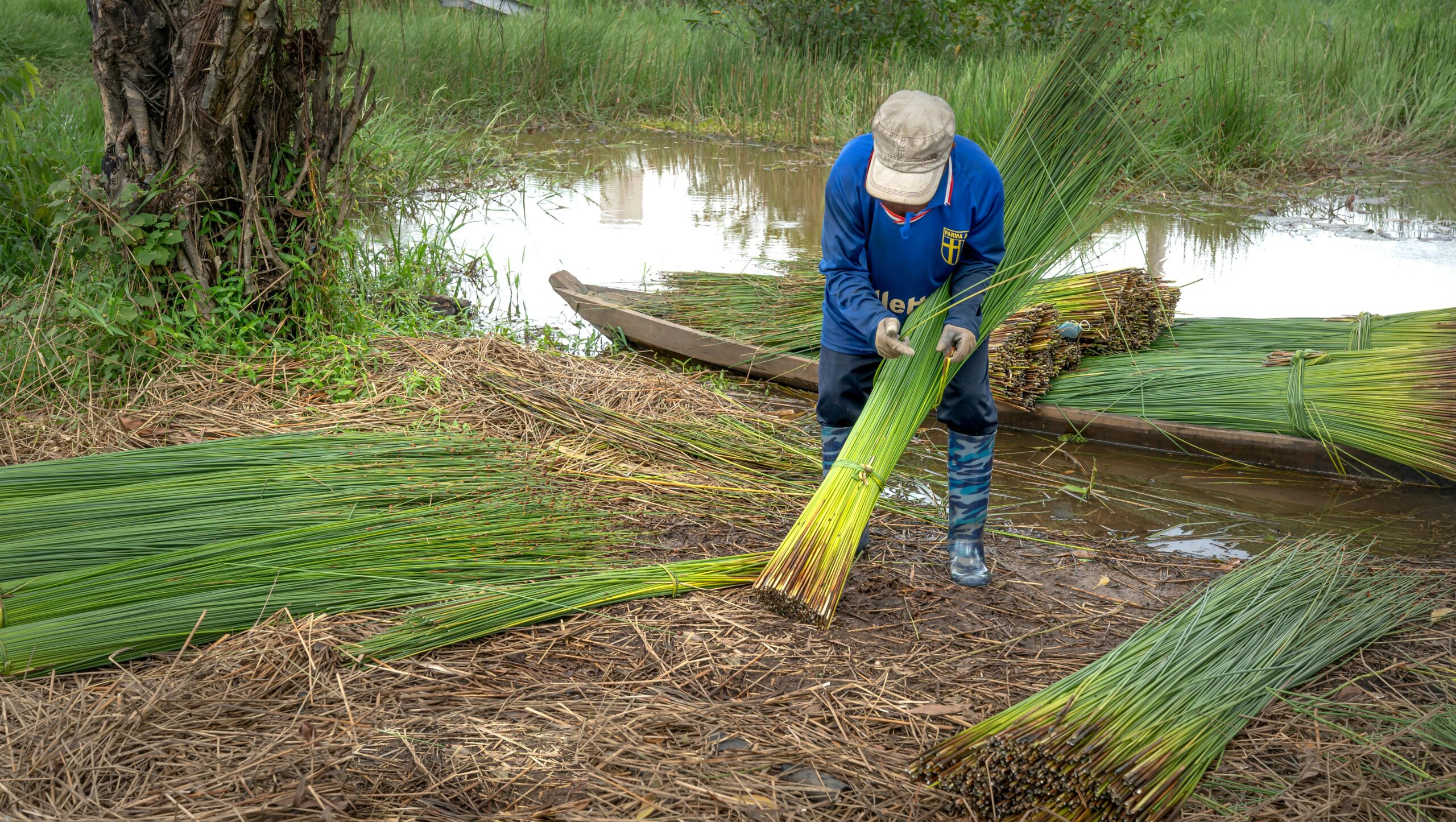
Windbreaks stand as silent sentinels protecting agricultural land, homes, and ecosystems from harsh winds. These living barriers require thoughtful management to remain effective guardians for decades to come.

🌳 Understanding the Critical Role of Windbreaks in Modern Land Management
Windbreaks serve as multifunctional ecological infrastructure that delivers benefits far beyond their immediate footprint. These strategically planted rows of trees and shrubs reduce wind velocity, prevent soil erosion, conserve moisture, and create microclimates that enhance agricultural productivity. In an era of climate uncertainty and increasing weather extremes, the importance of maintaining healthy windbreaks has never been more critical.
The economic value of properly maintained windbreaks extends across multiple sectors. Farmers experience reduced crop damage, lower heating costs for livestock operations, and improved yields in protected areas. Residential properties benefit from reduced energy consumption, with studies showing heating cost reductions of up to 30% in well-protected homes. Wildlife populations thrive in the habitat corridors created by windbreak systems, contributing to biodiversity conservation efforts.
However, these benefits only materialize when windbreaks receive appropriate long-term care. Neglected windbreaks deteriorate, develop gaps, succumb to disease, and ultimately fail to provide the protection they were designed to deliver. Sustainable management strategies ensure these green guardians continue their protective work for generations.
Establishing Foundation Principles for Windbreak Longevity
Long-term windbreak health begins with understanding the biological and environmental factors that influence tree and shrub survival. Species selection must account for local climate conditions, soil types, water availability, and intended functions. Native species often provide superior adaptation to regional stressors while supporting local wildlife populations.
Diversity within windbreak plantings creates resilience against species-specific diseases and pests. Monoculture windbreaks face catastrophic failure when vulnerable to particular pathogens, as demonstrated by Dutch elm disease and emerald ash borer impacts. Mixed-species plantings distribute risk and ensure continuity even when individual species face challenges.
Designing for Multiple Generations of Trees
Successful windbreak sustainability requires planning that accounts for the complete lifecycle of constituent species. Fast-growing pioneer species provide early protection but may decline after 15-20 years. Longer-lived species planted simultaneously mature as pioneers age, ensuring continuous protection without gaps in coverage.
Typical windbreak designs incorporate three to five rows with varying heights and densities. Outer rows of shrubs or low trees slow ground-level winds, while taller interior rows provide overhead protection. This layered approach creates optimal aerodynamic properties while accommodating species with different growth rates and lifespans.
🌱 Proactive Health Monitoring and Assessment Strategies
Regular assessment forms the cornerstone of effective windbreak management. Annual inspections identify emerging problems before they compromise windbreak function. These evaluations should occur during both dormant and growing seasons to capture different indicators of tree health.
Key assessment parameters include growth rates, crown density, leaf color and size, bark condition, presence of dead branches, signs of pest infestation, and evidence of disease. Documentation through photographs and written records enables tracking of changes over time and identification of gradual decline that might otherwise go unnoticed.
Technology-Enhanced Monitoring Approaches
Modern monitoring incorporates technological tools that enhance traditional observation methods. Drone imagery provides comprehensive overviews revealing patterns invisible from ground level. Thermal imaging detects water stress before visual symptoms appear. GPS mapping tracks individual tree locations and conditions within extensive windbreak systems.
Mobile applications designed for agricultural management can streamline windbreak monitoring by organizing inspection data, scheduling maintenance activities, and generating health reports. These digital tools ensure consistent documentation and facilitate long-term trend analysis essential for adaptive management.
Managing Water Resources for Optimal Tree Health
Water availability fundamentally determines windbreak health, particularly during establishment and drought periods. While mature windbreaks typically survive on natural precipitation, strategic irrigation during critical periods prevents stress-induced decline and maintains vigorous growth rates.
Establishment phase irrigation continues for two to three years after planting, ensuring root system development adequate for independent water acquisition. Deep, infrequent watering encourages downward root growth rather than shallow surface roots vulnerable to drought and competition.
Drought Management and Water Conservation Techniques
Climate change increases drought frequency and severity across many regions. Drought-tolerant species selection provides baseline resilience, but additional strategies enhance survival during water scarcity. Mulching around trees conserves soil moisture, suppresses competing vegetation, and moderates soil temperatures.
Irrigation prioritization focuses resources on highest-value trees during severe water restrictions. Young trees and key structural specimens receive available water before more expendable individuals. This strategic approach maintains overall windbreak integrity even when complete watering proves impossible.
🛡️ Integrated Pest and Disease Management
Pest and disease pressures constantly challenge windbreak health. Integrated pest management approaches combine preventive cultural practices, monitoring, and targeted interventions that minimize environmental impacts while protecting tree health.
Cultural practices creating unfavorable conditions for pests and diseases include proper spacing for air circulation, removal of dead wood harboring pathogens, and avoiding mechanical injuries that provide disease entry points. Diversity in species and age classes limits pest population explosions and disease transmission.
Common Windbreak Health Threats
Different regions face specific pest and disease challenges requiring localized management strategies. Fungal diseases including root rots, cankers, and leaf spots affect stressed trees more severely. Insect pests range from leaf-feeding caterpillars causing defoliation to bark beetles killing entire trees.
Early detection enables intervention before problems become unmanageable. Regular monitoring identifies initial infestations when biological controls or limited treatments remain effective. Consultation with extension services or forestry professionals provides expertise in identifying problems and selecting appropriate responses.
Pruning and Structural Maintenance for Longevity
Strategic pruning maintains windbreak structure and health throughout tree lifecycles. Formative pruning in young trees establishes strong branch architecture resistant to wind damage and snow loading. Maintenance pruning removes dead, damaged, or diseased wood while preserving overall form and density.
Windbreak-specific pruning differs from ornamental tree care. Maintaining density provides effective wind protection, so thinning remains minimal compared to urban forestry practices. Lower branch removal should be limited, as ground-level protection requires vegetation near soil level.
Renovation Pruning for Aging Windbreaks
Older windbreaks developing gaps or declining health may benefit from renovation pruning. This intensive approach removes excessive deadwood, opens interior light penetration to stimulate new growth, and reshapes overall structure. Species with strong regenerative capacity respond well to renovation, potentially extending functional lifespan by decades.
However, renovation carries risks for stressed or declining trees. Professional assessment determines whether individual trees can tolerate intensive pruning or require replacement. Gradual renewal over multiple years reduces stress compared to single-season intensive cutting.
🔄 Strategic Replacement and Succession Planning
Even well-maintained windbreaks eventually require tree replacement as individuals reach the end of their natural lifespan. Proactive succession planning prevents protection gaps by establishing replacement trees before current specimens fail.
Interplanting younger trees among mature windbreaks initiates succession while existing trees continue functioning. This approach creates multi-aged structures providing continuous protection through transition periods. Replacement species may differ from originals, incorporating improved disease resistance or better climate adaptation.
Gap Management and Infill Strategies
Gaps develop through storm damage, disease losses, or gradual decline. Prompt infill maintains windbreak effectiveness and prevents gap expansion through increased wind tunneling. Gap plantings require protection from harsh conditions created by surrounding mature trees until established.
Temporary wind barriers of fabric or snow fence protect gap plantings during vulnerable establishment years. Irrigation and weed control receive heightened attention in gaps where established tree root systems create intense competition for resources.
Soil Health and Nutrient Management
Soil conditions fundamentally influence windbreak health and growth rates. Periodic soil testing identifies nutrient deficiencies or imbalances requiring amendment. Most established windbreaks thrive without supplemental fertilization, particularly when mulched with organic materials that slowly release nutrients.
Excessive fertilization, particularly nitrogen, stimulates rank growth vulnerable to disease and insect attack. Conservative nutrient management focusing on maintaining adequate rather than maximum growth rates promotes stronger wood formation and overall resilience.
Managing Understory Vegetation
Vegetation management beneath windbreak trees balances multiple objectives. Complete bare ground increases erosion risk and eliminates beneficial insect habitat. Dense weed growth competes for water and nutrients while harboring rodents that damage young trees.
Low-growing native grasses and forbs provide ideal understory vegetation, stabilizing soil while offering minimal competition to trees. Mowing or grazing maintains appropriate understory height without requiring herbicides. Strategic herbicide use may be necessary around young trees during establishment but should be minimized in mature windbreaks.
📊 Documenting and Evaluating Long-Term Performance
Comprehensive record-keeping enables evaluation of management practices and adaptive refinement of strategies. Documentation should include planting dates, species composition, maintenance activities, pest or disease occurrences, and growth measurements.
| Management Activity | Frequency | Key Indicators |
|---|---|---|
| Visual Health Assessment | Biannually | Foliage density, color, growth rate |
| Detailed Inspection | Annually | Pest/disease presence, structural issues |
| Soil Testing | Every 3-5 years | Nutrient levels, pH, organic matter |
| Growth Measurements | Every 2-3 years | Height, diameter, canopy spread |
| Photo Documentation | Annually | Overall condition, changes over time |
Long-term datasets reveal performance patterns guiding future management decisions. Comparison with regional windbreaks provides context for evaluating local performance and identifying opportunities for improvement. Sharing information through landowner networks and extension services contributes to collective knowledge benefiting entire communities.
Climate Adaptation and Resilience Building
Climate change alters growing conditions, pest ranges, and extreme weather frequency. Adaptive management strategies position windbreaks to withstand changing conditions while maintaining protective functions. Species selection increasingly emphasizes climate resilience alongside traditional selection criteria.
Planting species from slightly warmer climate zones provides insurance against gradual temperature increases. Incorporating diversity ensures that no single climate-driven stress can compromise entire windbreak systems. Monitoring emerging research on climate-adapted tree varieties informs replacement and gap-filling decisions.
Storm Damage Prevention and Response
Severe weather events test windbreak structural integrity. Preventive measures include maintaining proper tree spacing to develop strong trunks, removing weak or damaged trees before storms, and ensuring balanced crown development resistant to wind loading.
Post-storm assessment and rapid response minimize long-term damage. Prompt removal of broken branches prevents disease entry and secondary damage. Evaluation of partially damaged trees determines whether retention with corrective pruning or complete removal best serves long-term windbreak health.
🤝 Community Collaboration and Knowledge Sharing
Windbreak management benefits from collective knowledge and coordinated action across landscapes. Local landowner cooperatives share equipment, expertise, and bulk purchasing of planting materials. Regional windbreak networks facilitate knowledge exchange about effective practices and emerging challenges.
Extension services and conservation districts provide technical expertise, often offering cost-share programs supporting windbreak establishment and renovation. Universities conduct research evaluating new species and management techniques. Active participation in these networks ensures access to cutting-edge information and resources.
Economic Considerations and Value Maximization
Long-term windbreak management requires investment, but economic returns justify these costs. Quantifying benefits including energy savings, crop protection, and property value enhancement demonstrates value to stakeholders and secures continued management funding.
Cost-effective management prioritizes preventive maintenance over crisis response. Annual inspection and minor maintenance cost far less than emergency storm cleanup or complete windbreak replacement. Strategic timing of activities maximizes efficiency, such as combining pruning with pest surveys or conducting soil testing before planned renovations.
Incentive Programs and Financial Assistance
Various programs provide financial support for windbreak conservation. Federal programs like USDA’s Environmental Quality Incentives Program offer cost-share assistance for establishment and improvement. State forestry agencies frequently maintain windbreak support programs. Carbon credit markets increasingly recognize windbreak contributions to carbon sequestration.
Researching available incentives and maintaining eligibility through proper management generates revenue offsetting maintenance costs. Program participation often includes technical assistance providing additional value beyond direct payments.
Legacy Planning for Multi-Generational Stewardship
Windbreaks represent investments spanning multiple human generations. Ensuring continuity of care through property transitions preserves these valuable landscape features. Conservation easements legally protect windbreaks from removal while providing tax benefits. Management plans documenting maintenance practices guide future landowners.
Educating family members and successors about windbreak value and care requirements increases likelihood of continued stewardship. Demonstrating economic returns and connecting younger generations to conservation ethics builds commitment to long-term maintenance.
🌍 Environmental Stewardship and Ecological Enhancement
Beyond their protective functions, windbreaks provide significant ecological benefits amplified through conscious management. Native species selections support local insect populations essential for pollination and ecosystem health. Structural diversity accommodates varied wildlife needs from ground-nesting birds to tree cavity users.
Integration with broader conservation initiatives multiplies windbreak ecological value. Connection to riparian corridors creates wildlife movement pathways across agricultural landscapes. Placement along field edges provides buffer zones reducing pesticide drift into natural areas.
Sustainable management practices minimize environmental impacts while maximizing ecological contributions. Avoiding or limiting pesticide use protects beneficial organisms. Retaining dead trees where safety permits provides crucial wildlife habitat. These stewardship practices position windbreak managers as true green guardians protecting environmental quality alongside agricultural productivity.

Cultivating Success Through Committed Guardianship
The long-term health and sustainability of windbreak systems depend on committed, informed stewardship spanning decades. Strategic planning, regular monitoring, proactive maintenance, and adaptive management create resilient systems delivering multi-generational benefits. As climate challenges intensify and land use pressures increase, the role of these green guardians becomes ever more critical.
Successful windbreak management combines traditional knowledge with modern science and technology. Learning from past experiences while remaining open to innovation positions these living systems to meet future challenges. The investment in thoughtful care returns dividends in protection, productivity, and environmental quality that extend far beyond individual properties.
By embracing the responsibility of windbreak guardianship, landowners contribute to landscape resilience, agricultural sustainability, and environmental conservation. These living legacies testify to the vision of those who plant them and the dedication of those who maintain them for generations yet to come.