Microclimates are nature’s secret laboratories, offering far more than simple shelter from wind. These localized atmospheric zones transform landscapes and create extraordinary opportunities for gardening, energy efficiency, and ecosystem diversity.

🌍 Understanding the Magic of Microclimates
A microclimate refers to a climate condition in a relatively small area that differs from the surrounding region. These pockets of unique atmospheric conditions can exist in your backyard, along a fence line, or beside a building. While most people recognize microclimates for their wind-blocking capabilities, the reality is that these specialized zones offer a treasure trove of benefits that extend far beyond mere wind reduction.
The formation of microclimates depends on various factors including topography, vegetation, water bodies, and human-made structures. Each element interacts to create distinct temperature, humidity, and light patterns that can dramatically differ from areas just a few feet away. Understanding these patterns opens up a world of possibilities for homeowners, gardeners, and environmental enthusiasts alike.
Temperature Regulation: Nature’s Thermostat
One of the most remarkable benefits of microclimates is their ability to moderate temperature extremes. South-facing walls absorb solar radiation during the day and release it slowly at night, creating warm pockets that can extend your growing season by several weeks. This thermal mass effect can mean the difference between frost-damaged plants and thriving vegetation.
Conversely, strategically placed vegetation creates cooling microclimates through evapotranspiration. A well-positioned tree canopy can reduce ground-level temperatures by 10-20 degrees Fahrenheit compared to exposed areas. This natural air conditioning reduces energy consumption and creates comfortable outdoor living spaces without mechanical intervention.
Heat Island Mitigation
Urban microclimates demonstrate how built environments can trap heat, but they also show us solutions. By creating intentional cool microclimates through green roofs, permeable surfaces, and strategic plantings, communities can combat the urban heat island effect. These interventions don’t just reduce temperatures—they improve air quality, reduce stormwater runoff, and enhance biodiversity.
🌱 Extended Growing Seasons and Plant Diversity
Perhaps the most exciting benefit for gardeners is the ability to grow plants typically unsuitable for their USDA hardiness zone. A warm microclimate created by a stone wall or heat-retaining patio can allow you to cultivate tender perennials, exotic fruits, or warm-season vegetables weeks before and after your neighbors.
The diversity potential is extraordinary. Within a single property, you might maintain:
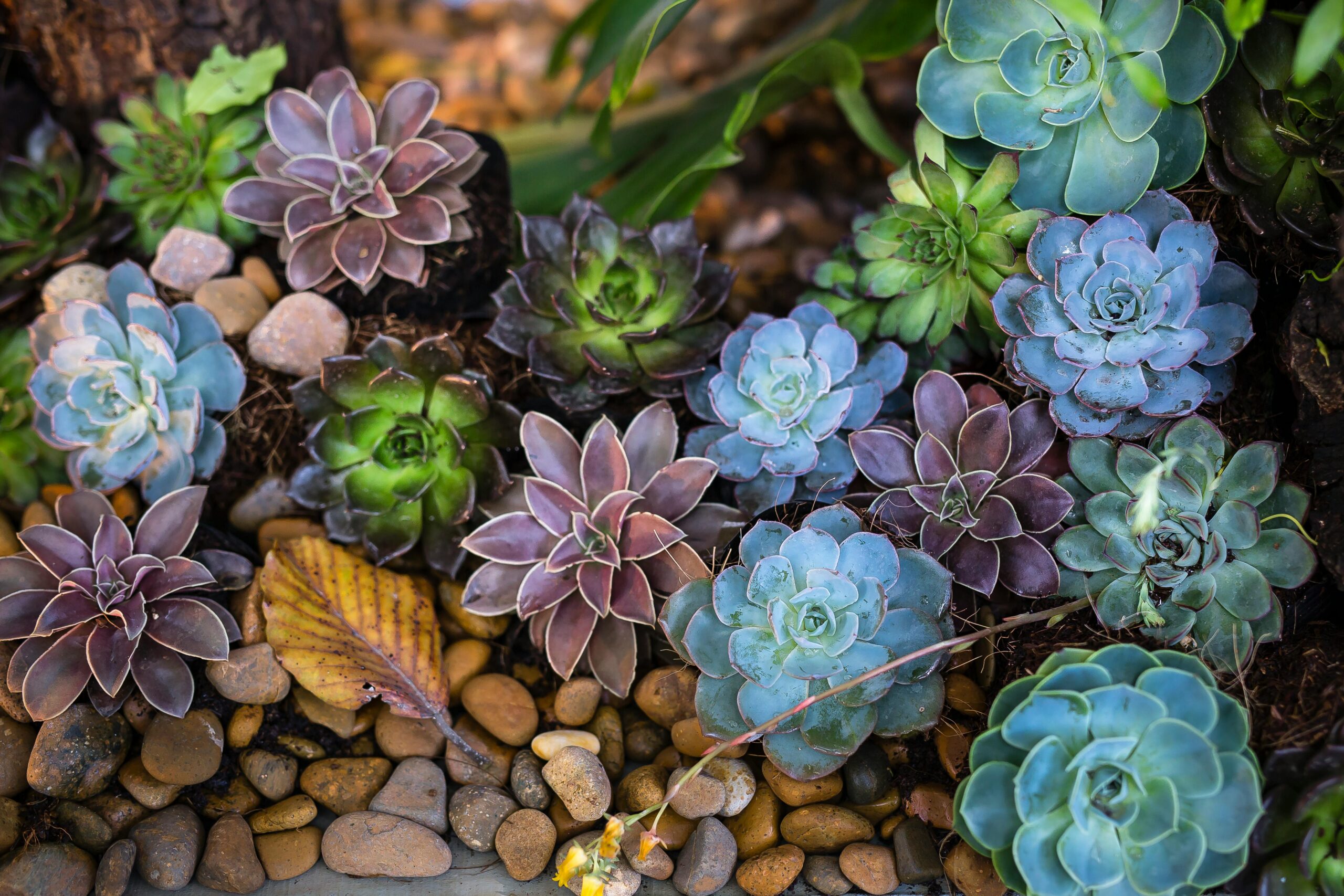
- A Mediterranean herb garden in a hot, dry microclimate near a south-facing wall
- Shade-loving woodland plants beneath established trees
- Moisture-loving species near downspouts or natural drainage areas
- Alpine plants in well-drained, exposed locations
- Tropical specimens in protected, humid corners
This microclimatic diversity transforms ordinary gardens into botanical showcases, allowing passionate gardeners to experiment with species far outside their typical climate range. Each microclimate becomes a specialized habitat supporting unique plant communities.
Water Management and Moisture Retention
Microclimates play a crucial role in water distribution and retention across landscapes. Shaded areas retain soil moisture longer, reducing irrigation needs and supporting plants during dry periods. The cooler temperatures in these zones slow evaporation rates, creating naturally drought-resistant pockets within otherwise water-stressed environments.
Buildings and structures create rain shadows—areas that receive less precipitation due to wind patterns—but they also channel water to specific zones. Understanding these patterns allows for strategic rain garden placement, efficient irrigation design, and the creation of both xeric and hydric microclimates within the same property.
Humidity Optimization ☁️
Local humidity levels vary dramatically within microclimates, affecting both plant health and human comfort. Dense plantings create humid microzones through transpiration, beneficial for moisture-loving plants and creating pleasant summer retreats. Conversely, well-ventilated areas with reflective surfaces maintain lower humidity, ideal for plants susceptible to fungal diseases and for comfortable outdoor entertaining spaces.
Energy Efficiency Through Strategic Design
The energy-saving potential of deliberately designed microclimates is substantial yet often overlooked. Strategic tree placement can reduce home cooling costs by 25-30% during summer months, while evergreen windbreaks on the north side can cut winter heating expenses by 10-25%. These savings accumulate year after year, making microclimate manipulation one of the most cost-effective home improvements available.
Beyond temperature control, microclimates affect air movement patterns around buildings. Properly positioned vegetation creates beneficial air circulation that ventilates structures naturally, reducing reliance on mechanical systems. The same plantings that provide shade in summer allow warming sunlight through during winter when deciduous trees lose their leaves.
🦋 Biodiversity and Ecosystem Support
Diverse microclimates support diverse life forms. Each microclimate zone attracts different species of birds, insects, and wildlife, creating a complex ecosystem within your property. A single backyard with varied microclimates might support twice the species diversity of a uniform landscape, contributing meaningfully to local biodiversity conservation.
Pollinators particularly benefit from microclimate diversity. Early-blooming plants in warm microclimates provide crucial early-season nectar sources, while cool, moist areas offer late-season blooms. Protected, sunny spots provide basking areas for butterflies and beneficial insects, while damp, shaded zones support ground-nesting bees and other essential species.
Creating Wildlife Corridors
Microclimates can be intentionally connected to form wildlife corridors through urban and suburban areas. A series of favorable microclimatic zones—perhaps a chain of shaded, moist areas—allows species to traverse otherwise hostile territory, maintaining genetic diversity and population health across fragmented landscapes.
Soil Health and Microbial Activity
The soil beneath different microclimates develops distinct characteristics and supports different microbial communities. Shaded, moist microclimates foster rich fungal networks and decomposition processes, building soil organic matter rapidly. Warmer, drier zones favor different beneficial bacteria and encourage deep root development.
This soil diversity translates to plant health and resilience. Varied soil ecosystems provide disease suppression, nutrient cycling, and soil structure improvements across your landscape. Understanding which microclimate produces which soil type allows you to match plants perfectly to their preferred growing medium without expensive soil amendments.
🏡 Practical Applications for Homeowners
Implementing microclimate strategies doesn’t require extensive resources or expertise. Start by observing your property throughout the seasons, noting where snow melts first, which areas stay moist, where frost lingers, and how wind patterns shift. This observation period reveals existing microclimates ready for enhancement.
Simple interventions create or modify microclimates effectively:
- Paint south-facing walls dark colors to absorb and radiate heat
- Install water features to increase local humidity and moderate temperatures
- Position trellises and arbors to create transitional microclimates
- Use mulch thickness variations to control soil temperature
- Plant in layers—canopy, understory, and ground covers—to create vertical microclimates
Maximizing Small Spaces
Even apartment balconies and tiny urban yards contain multiple microclimates. A balcony might have a hot, reflective zone near glass doors, a cool, shaded corner, and moderate areas in between. Recognizing these zones allows container gardeners to grow remarkable plant diversity in limited spaces, creating miniature ecosystems just feet apart.
Agricultural and Food Production Benefits 🍅
For food growers, microclimate manipulation extends production seasons and increases yields significantly. Cold frames positioned in warm microclimates allow year-round vegetable production in surprisingly cold climates. Fruit trees planted against heat-retaining walls produce earlier, sweeter crops and can survive in zones typically too cold for successful cultivation.
Commercial agriculture increasingly recognizes microclimate value. Vineyard managers meticulously map microclimates to match grape varieties to optimal locations. Orchardists use microclimate knowledge to prevent frost damage and improve fruit quality. These professional applications demonstrate principles equally valuable for home food production.
Climate Change Adaptation
As climate patterns shift, understanding and creating beneficial microclimates becomes increasingly important for adaptation. Properties with diverse microclimates demonstrate greater resilience to extreme weather events, temperature fluctuations, and precipitation changes. This built-in resilience protects both investments and ecosystems.
Microclimates offer refugia—safe havens where sensitive species survive during unfavorable periods. As overall climates warm, cool microclimates may preserve local plant populations and genetic diversity that would otherwise be lost. Creating and maintaining these refugia represents a practical climate action within individual property owners’ control.
🌡️ Measuring and Monitoring Your Microclimates
Modern technology makes microclimate monitoring accessible and affordable. Simple minimum-maximum thermometers placed in different zones reveal temperature variations. Soil moisture meters show water retention differences. Rain gauges demonstrate precipitation variations across your property.
For those wanting detailed data, wireless weather stations with multiple sensors map microclimates precisely. This information guides plant selection, irrigation scheduling, and design modifications. The investment pays dividends through improved plant success rates and resource efficiency.
Common Microclimate Mistakes to Avoid
Despite their benefits, microclimates can create problems when misunderstood. Overly dense plantings may create excessively humid zones promoting fungal diseases. Poorly positioned structures might create frost pockets where cold air collects and damages plants. Reflected heat from light-colored surfaces can scorch nearby vegetation unexpectedly.
The key is observation and adjustment. Microclimates aren’t static—they evolve as plants grow, structures age, and surrounding landscapes change. Regular assessment and willingness to modify designs ensures microclimates continue providing benefits rather than creating problems.
Integrating Microclimates Into Landscape Design 🎨
Professional landscape designers increasingly incorporate microclimate principles into their plans, creating outdoor spaces that are beautiful, functional, and ecologically sound. This integrated approach considers how each element affects local climate conditions and how those conditions support intended uses.
A well-designed microclimate-conscious landscape might include warming zones for early spring dining, cool summer retreats under deciduous canopies, protected winter gardens visible from windows, and exposed areas for sun-loving activities. Each zone serves specific purposes while contributing to overall property value and enjoyment.
The Future of Microclimate Management
As population density increases and climate challenges intensify, microclimate awareness will become essential rather than optional. Urban planning increasingly incorporates microclimate concepts to create livable cities. Green infrastructure projects deliberately engineer beneficial microclimates at neighborhood and district scales.
Individual property owners contribute to these larger efforts through their own microclimate management. Collectively, thousands of well-designed microclimatic zones create measurably cooler, more biodiverse, and more resilient communities. The benefits extend far beyond property lines, improving conditions for entire neighborhoods.

Taking Action: Your Microclimate Journey Begins Now
Understanding microclimates transforms how you see and interact with outdoor spaces. Those “difficult” spots in your yard become opportunities. That hot, dry corner perfect for Mediterranean herbs. That damp, shaded area ideal for woodland wildflowers. That wind-protected south wall ready to support a thriving espalier fruit tree.
Start small but think comprehensively. Observe carefully before acting. Each property contains hidden potential waiting for recognition and development. The rewards—extended growing seasons, reduced energy costs, increased biodiversity, and enhanced outdoor enjoyment—far exceed the modest effort required to unlock them.
Microclimates represent one of nature’s most accessible tools for improving our immediate environments. By working with these natural patterns rather than against them, we create spaces that are more productive, more beautiful, more sustainable, and more resilient. The journey from recognizing microclimates to actively managing them for maximum benefit opens up a fascinating world of possibilities that extend far beyond simple wind reduction—revealing nature’s hidden gems waiting in our own backyards.