Traditional lawns are becoming relics of the past as homeowners embrace water-wise landscaping alternatives that save money, time, and precious natural resources.

The pristine green lawn has long been considered the hallmark of a well-maintained property, but this outdated ideal comes with a hefty environmental price tag. With climate change intensifying drought conditions across many regions and water conservation becoming increasingly critical, it’s time to reconsider our relationship with thirsty turf grass. The good news? Transitioning from a conventional lawn to a drought-resistant landscape doesn’t mean sacrificing beauty or curb appeal. In fact, you might discover that your yard becomes more vibrant, diverse, and interesting than ever before.
The environmental impact of maintaining traditional lawns extends far beyond water consumption. Gasoline-powered mowers contribute significantly to air pollution, fertilizers run off into waterways causing ecological damage, and pesticides harm beneficial insects including pollinators. When you factor in the hours of maintenance required each week, the case for transitioning to drought-resistant landscaping becomes even more compelling.
🌵 Understanding the True Cost of Traditional Lawns
Before diving into alternatives, it’s important to understand exactly what you’re moving away from. The typical American lawn requires approximately 1-1.5 inches of water per week during the growing season, which translates to roughly 22,000 gallons of water annually for a 1,000 square foot lawn. In many areas, landscape irrigation accounts for nearly half of residential water use during summer months.
Beyond water consumption, traditional lawns demand significant financial investment. Homeowners spend billions annually on lawn care products, equipment, and services. The average homeowner spends between $500 and $1,500 yearly maintaining their grass, not including the initial costs of installation or major renovations. This money often supports an ecosystem that provides minimal benefits to local wildlife and contributes little to biodiversity.
The carbon footprint of lawn maintenance is another concern that often goes unmentioned. Gas-powered lawn equipment produces surprising amounts of pollution—running a gas mower for one hour can emit as much pollution as driving a car for over 100 miles. When you multiply this across millions of lawns being mowed weekly, the environmental impact becomes staggering.
🌿 The Drought-Resistant Revolution
Drought-resistant landscaping, also known as xeriscaping or water-wise gardening, represents a fundamental shift in how we approach outdoor spaces. This approach emphasizes plants that thrive naturally in your climate with minimal supplemental watering once established. The result is a landscape that works with nature rather than against it, creating resilient outdoor spaces that remain beautiful even during dry spells.
The principles of drought-resistant landscaping extend beyond simply choosing different plants. This holistic approach considers soil health, efficient irrigation systems, appropriate mulching, and strategic design that maximizes water retention while minimizing waste. When implemented thoughtfully, these landscapes can actually increase property values while dramatically reducing maintenance requirements and environmental impact.
Key Benefits of Drought-Resistant Landscapes
- Reduced water consumption: Save up to 50-75% on outdoor water use compared to traditional lawns
- Lower maintenance costs: Eliminate or drastically reduce mowing, fertilizing, and pest control expenses
- Year-round interest: Many drought-tolerant plants offer seasonal color, texture, and visual appeal throughout the year
- Wildlife habitat: Native and adapted plants support pollinators, birds, and beneficial insects
- Improved soil health: Diverse plantings with deep root systems enhance soil structure and prevent erosion
- Climate resilience: Gardens designed for low water use remain attractive during droughts and water restrictions
- Time savings: Spend weekends enjoying your garden instead of maintaining it
🌺 Selecting the Perfect Drought-Resistant Plants
The foundation of any successful drought-resistant landscape lies in choosing appropriate plants for your specific climate zone and microclimate conditions. Native plants are often excellent choices because they’ve evolved to thrive in local conditions without supplemental irrigation or fertilization. However, adapted plants from regions with similar climates can also perform beautifully while offering additional variety.
When selecting plants, consider factors beyond just drought tolerance. Look for species that provide multiple seasons of interest, whether through flowers, foliage color, interesting bark, or architectural form. Layering plants of different heights creates depth and visual interest while mimicking natural ecosystems.
Outstanding Drought-Tolerant Plant Categories
Ornamental Grasses: These versatile plants add movement, texture, and year-round structure to landscapes. Blue fescue, fountain grass, Mexican feather grass, and switchgrass are just a few options that require minimal water once established. Their feathery plumes catch light beautifully and provide winter interest even after going dormant.
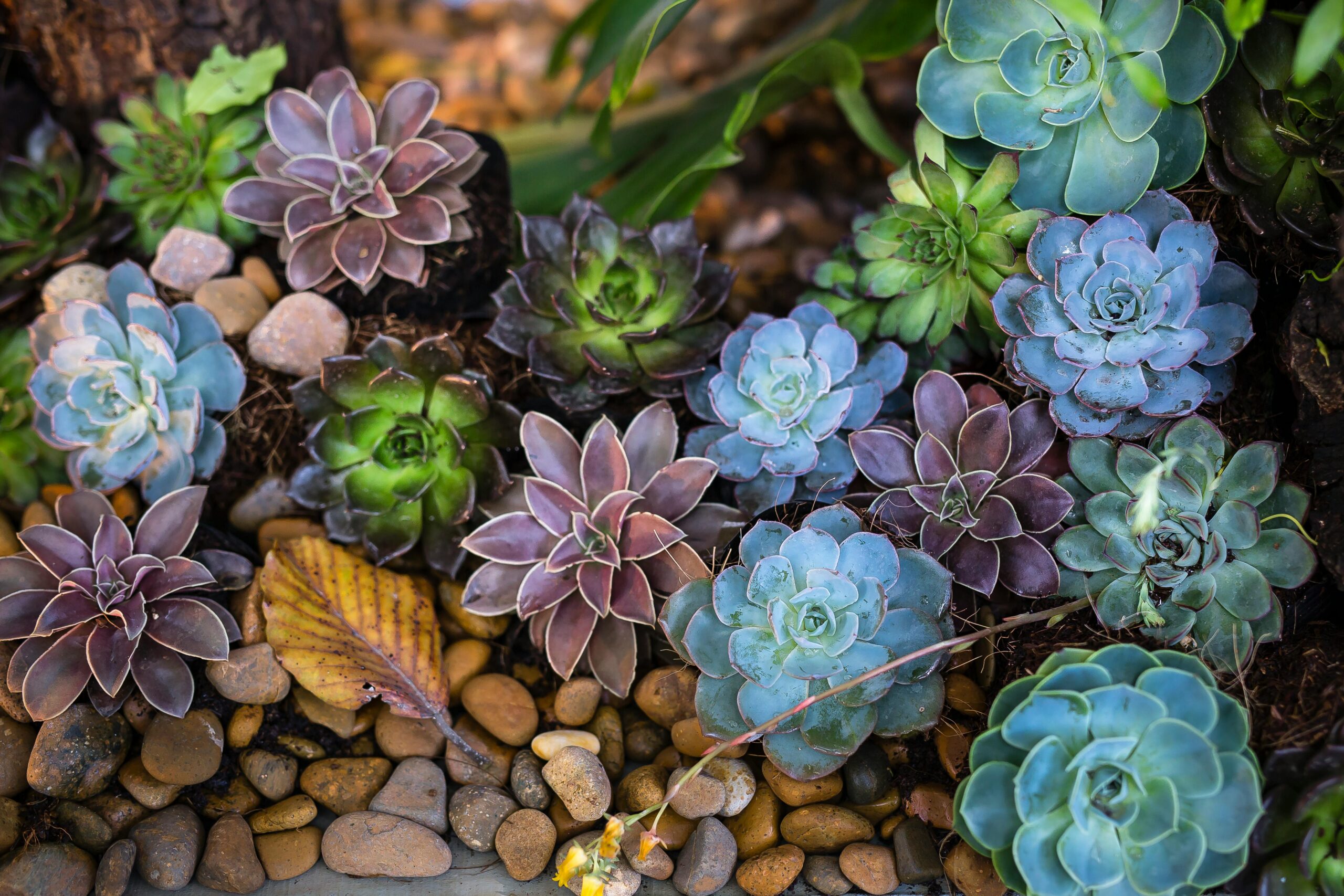
Succulents and Cacti: Perfect for hot, dry climates, these water-storing plants come in stunning variety. Agaves, sedums, echeveria, and yucca offer sculptural forms and often produce spectacular flower spikes. Many are suitable for containers as well as in-ground planting, making them versatile design elements.
Mediterranean Herbs: Lavender, rosemary, thyme, oregano, and sage are not only drought-tolerant but also fragrant, edible, and attractive to pollinators. These plants thrive in poor soil and hot conditions, making them perfect for challenging sites. As a bonus, you can harvest them for culinary use.
Native Wildflowers: Region-specific wildflowers provide incredible color while supporting local ecosystems. Black-eyed Susans, blanket flowers, penstemons, and California poppies are examples of beautiful natives that require virtually no maintenance once established. They often self-seed, creating naturalistic drifts of color.
Drought-Tolerant Shrubs: Structure plants like manzanita, sage varieties, rockrose, and butterfly bush create permanent framework in the landscape. Many offer flowers, berries, or interesting foliage that changes with seasons, providing continual visual interest without demanding constant attention.
🎨 Designing Your Water-Wise Paradise
Successful drought-resistant landscapes balance aesthetics with functionality. Begin by assessing your space, noting areas with different sun exposure, soil conditions, and existing features you want to preserve. This analysis helps you place plants where they’ll naturally thrive while creating cohesive design flow.
Consider dividing your landscape into zones based on water needs. The concept of hydrozoning places plants with similar irrigation requirements together, making watering more efficient and preventing over or under-watering. Typically, you might create a small “oasis zone” near living areas where you gather, a moderate-water zone for frequently viewed areas, and low-water zones for outlying spaces.
Essential Design Elements
Hardscaping: Incorporate permeable patios, pathways, and gathering spaces that reduce planted area while adding functionality. Natural stone, decomposed granite, and permeable pavers allow water infiltration while creating attractive outdoor rooms. These elements reduce overall water needs while expanding usable space.
Mulching: A generous layer of organic mulch (3-4 inches) conserves soil moisture, suppresses weeds, moderates soil temperature, and gradually improves soil as it decomposes. Choose locally-sourced materials like wood chips, bark, or compost that complement your design aesthetic.
Water Features: Contrary to intuition, small recirculating water features can be part of water-wise design. They provide soothing sounds and attract birds and beneficial insects while using minimal water compared to lawn irrigation. Position them strategically as focal points within your drought-resistant plantings.
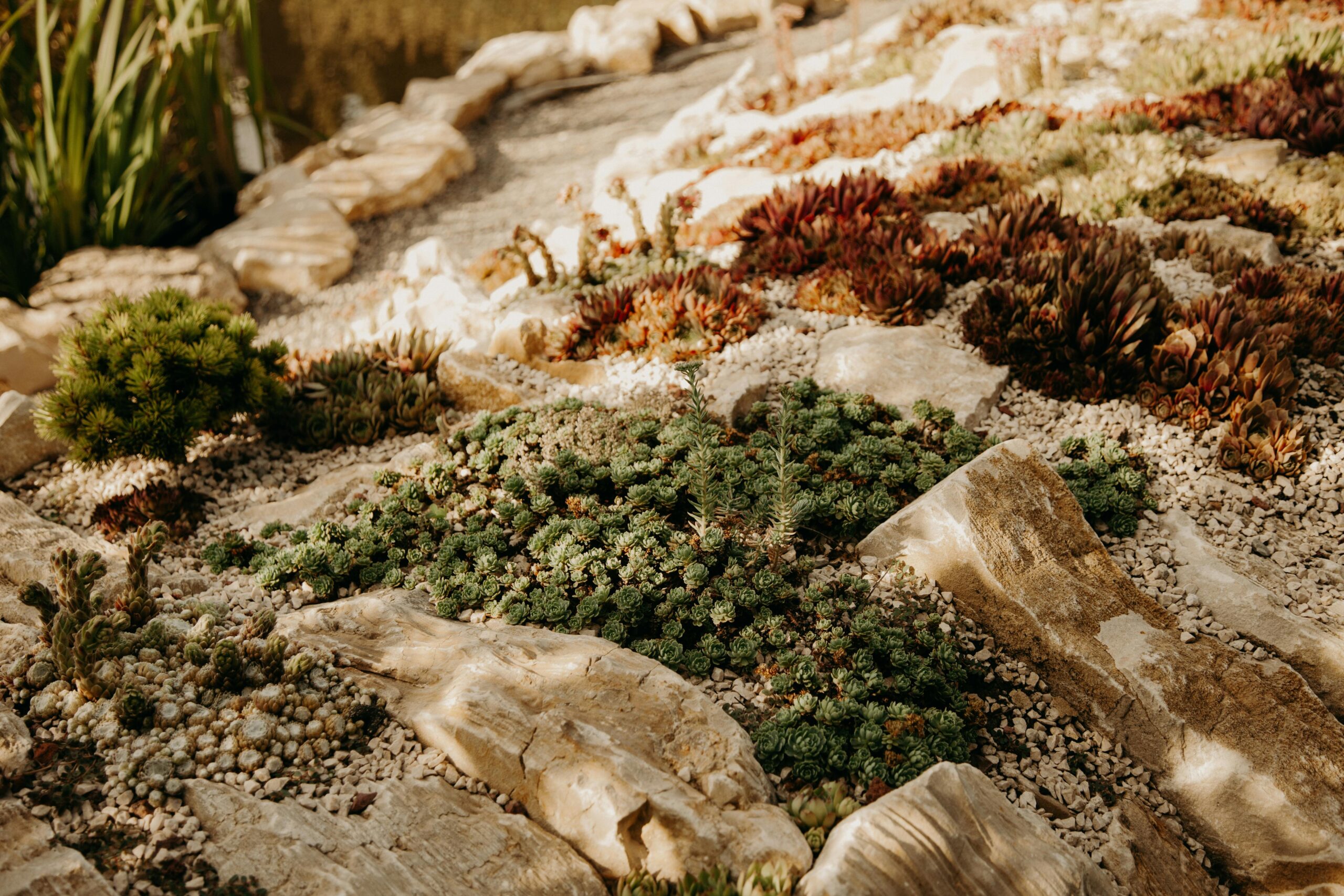
Rock Gardens: Incorporating boulders, decorative rock, and gravel creates dramatic visual interest while eliminating irrigation needs. Rocks also provide thermal mass that can benefit surrounding plants and create microclimates suitable for different species.
💧 Smart Irrigation Strategies
Even drought-resistant plants need regular water during their establishment period, typically the first one to three years. Once established, most require only occasional deep watering during extended dry periods. Implementing efficient irrigation ensures plants establish successfully without wasting water.
Drip irrigation systems deliver water directly to plant root zones with minimal evaporation or runoff. These systems are far more efficient than sprinklers and can be customized to provide different amounts of water to different zones. Installing a smart controller that adjusts watering based on weather conditions optimizes efficiency further.
Deep, infrequent watering encourages plants to develop extensive root systems that access moisture deep in the soil. This creates more resilient plants compared to shallow, frequent watering that keeps roots near the surface. Generally, watering once or twice weekly to a depth of 6-12 inches is more effective than daily shallow watering.
🦋 Supporting Biodiversity and Pollinators
One of the most rewarding aspects of transitioning from lawn to drought-resistant landscape is the explosion of wildlife activity. Native and adapted plants provide nectar, pollen, seeds, and habitat that support diverse species. Your yard can become a vital refuge for pollinators facing habitat loss elsewhere.
Creating layers of vegetation—from groundcovers through shrubs to small trees—provides shelter and foraging opportunities for different species. Leaving some areas slightly “wild” with seed heads standing through winter feeds birds and provides overwintering sites for beneficial insects. Eliminating pesticides allows natural pest control by predatory insects and birds.
Including host plants for butterfly and moth larvae ensures you’ll see these beautiful insects throughout their life cycles. Many native plants serve as essential host plants that caterpillars depend on for survival. By providing these plants, you’re contributing to conservation while enjoying the beauty these creatures bring to your garden.
🛠️ Making the Transition: Practical Steps
Transforming a traditional lawn into a drought-resistant landscape doesn’t have to happen overnight. Many homeowners find a phased approach more manageable both financially and physically. Start with one area, learn from the experience, and gradually expand your water-wise landscape over several seasons.
Phase One—Planning: Research plants suitable for your climate zone and assess your property’s conditions. Take photos, measure spaces, and note existing features to keep or remove. Create a rough design that considers mature plant sizes, color combinations, and seasonal interest. Check local regulations regarding front yard landscaping and potential rebate programs for lawn removal.
Phase Two—Removal: Several methods exist for eliminating existing lawn. Sheet mulching (lasagna gardening) involves covering grass with cardboard and mulch, allowing it to decompose in place while enriching soil. This method takes several months but requires no chemical application or sod removal. Alternatively, sod can be stripped and removed, providing immediate planting opportunities but requiring more physical effort or professional help.
Phase Three—Soil Preparation: Improving soil before planting sets the foundation for success. Most drought-tolerant plants prefer well-draining soil. Incorporate compost to improve structure, but avoid over-amending, as many drought-adapted plants actually prefer lean soil. Testing soil pH and adjusting if necessary ensures optimal plant health.
Phase Four—Installation: Plant during the optimal season for your climate, typically fall in mild regions or spring in cold-winter areas. This timing allows roots to establish before facing temperature extremes. Position plants according to mature sizes, resisting the temptation to overcrowd. Place taller plants as backdrops and shorter species toward front, creating depth and visibility for all plants.
Phase Five—Establishment Care: Water newly installed plants regularly during their first growing season to encourage deep root development. Gradually reduce watering frequency as plants establish. Apply mulch to conserve moisture and suppress weeds. Monitor for pest issues, though drought-adapted plants typically experience fewer problems than thirsty lawns.
🌟 Real-World Success Stories
Across diverse climates, homeowners are discovering the joys of drought-resistant landscaping. In California, where prolonged droughts have made water conservation critical, thousands of residents have participated in lawn removal programs, transforming their properties into colorful, sustainable landscapes. These pioneers report significant water savings, reduced maintenance time, and increased enjoyment of their outdoor spaces.
In the Southwest, xeriscaping has long been embraced as both practical and beautiful. Desert botanical gardens showcase the stunning diversity of plants that thrive without supplemental irrigation. Homeowners in these regions create landscapes that honor regional character while supporting native wildlife and conserving precious water resources.
Even in traditionally wetter climates, drought-resistant landscaping makes sense. Climate change is bringing unpredictable weather patterns everywhere, with dry spells interrupting formerly reliable rainfall. Forward-thinking homeowners in these areas are selecting plants that tolerate both occasional drought and normal precipitation, creating resilient landscapes prepared for uncertain futures.
💰 Financial Incentives and Resources
Many municipalities offer rebates and incentives for lawn removal and drought-resistant landscaping installation. Water districts facing supply challenges often provide substantial financial support to encourage conservation. These programs can offset significant portions of renovation costs, making the transition more affordable.
Beyond rebates, the long-term financial benefits accumulate steadily. Reduced water bills, eliminated lawn care expenses, and decreased equipment maintenance create ongoing savings. Many homeowners find their drought-resistant landscapes pay for themselves within just a few years through these combined savings.
Educational resources abound for those embarking on this journey. Local native plant societies, university extension services, and water districts often offer workshops, plant sales, and garden tours showcasing successful installations. These resources provide valuable region-specific information and connect you with experienced practitioners who can share insights.
🌈 Embracing a New Aesthetic
Letting go of the lawn means embracing a different vision of beauty—one that celebrates diversity, texture, seasonal change, and ecological function. Drought-resistant landscapes offer visual richness that sterile lawns cannot match. The play of light through ornamental grasses, the bold architecture of agaves, the delicate flowers of native perennials, and the wildlife activity throughout create dynamic, ever-changing scenes.
This aesthetic shift connects us more deeply to place and season. Rather than imposing a generic green carpet that looks the same everywhere, drought-resistant landscapes reflect regional character and celebrate plants adapted to local conditions. They tell the story of where you live and demonstrate environmental stewardship that benefits the broader community.
The movement toward sustainable landscaping represents more than trend—it’s a fundamental rethinking of our relationship with outdoor spaces. By saying goodbye to water-hungry lawns and hello to drought-resistant beauties, we create landscapes that are simultaneously more sustainable, more interesting, and more supportive of biodiversity. Your yard becomes not just something to maintain, but a living ecosystem to enjoy and share.
As climate challenges intensify and water becomes increasingly precious, drought-resistant landscaping transitions from optional upgrade to practical necessity. The good news is that necessity and beauty align perfectly in this case. With thoughtful planning, appropriate plant selection, and efficient design, you can create an outdoor space that thrives with minimal inputs while providing maximum enjoyment. The journey from lawn to drought-resistant landscape offers rewards that extend far beyond your property lines, contributing to broader water conservation, habitat restoration, and community resilience. Your beautiful, water-wise garden becomes part of the solution, demonstrating that environmental responsibility and aesthetic appeal aren’t opposing goals but complementary values that enhance both property and planet. 🌎