Drought-resistant plants possess remarkable adaptations that allow them to thrive in water-scarce environments, representing nature’s most ingenious survival strategies in action.

In a world where climate change intensifies and water scarcity becomes increasingly prevalent, understanding how certain plants survive extreme drought conditions has never been more critical. These botanical survivors hold secrets that could revolutionize agriculture, landscape design, and our approach to sustainable gardening. From cacti in scorching deserts to succulents adorning modern homes, drought-resistant plants demonstrate extraordinary mechanisms that challenge our understanding of plant biology.
The science behind drought resistance encompasses cellular adaptations, specialized anatomical structures, and sophisticated biochemical processes that work in harmony. These plants have evolved over millions of years, developing strategies that minimize water loss while maximizing water storage and uptake efficiency. Their survival tactics offer valuable lessons for researchers, farmers, and gardeners alike, especially as we face an uncertain climatic future.
🌵 The Cellular Foundation of Drought Tolerance
At the microscopic level, drought-resistant plants exhibit remarkable cellular modifications that set them apart from their water-dependent counterparts. The cell walls of these plants contain specialized compounds that maintain structural integrity even when water becomes scarce. This fundamental adaptation prevents cellular collapse during dehydration, allowing the plant to resume normal function once water becomes available again.
The cytoplasm within drought-resistant plant cells contains higher concentrations of protective proteins and osmolytes. These molecules act as cellular shields, protecting vital enzymes and membrane structures from damage caused by dehydration stress. When water availability decreases, these plants can accumulate compatible solutes like proline, glycine betaine, and various sugars that help maintain cellular osmotic balance.
Aquaporins, the water channel proteins embedded in cell membranes, play a crucial role in drought adaptation. Drought-resistant species can regulate these channels with remarkable precision, controlling water movement across membranes to optimize hydration levels. This sophisticated water management system operates at the molecular level, responding dynamically to environmental conditions.
Anatomical Adaptations: Nature’s Engineering Marvels
The physical structure of drought-resistant plants reveals nature’s ingenious engineering solutions. Thick, waxy cuticles cover the epidermis of leaves and stems, creating an almost impermeable barrier that dramatically reduces water loss through evaporation. This waxy coating, composed of cutin and various lipids, can be so effective that it reflects sunlight, further reducing heat stress and water demand.
Stomata, the microscopic pores responsible for gas exchange, undergo significant modifications in drought-adapted species. These plants often possess fewer stomata compared to mesophytic plants, and they’re frequently sunken into specialized cavities called crypts. This architectural feature creates a microenvironment with higher humidity around the stomatal opening, reducing the water vapor gradient and consequently minimizing transpirational water loss.

Root systems in drought-resistant plants display extraordinary depth and extent. Some species develop taproots that penetrate dozens of meters into the soil, accessing water reservoirs far beyond the reach of conventional plants. Others create extensive lateral root networks that maximize water capture from occasional rainfall events. The root-to-shoot ratio in these plants typically exceeds that of water-loving species, emphasizing their investment in water acquisition infrastructure.
Specialized Tissue Modifications 🔬
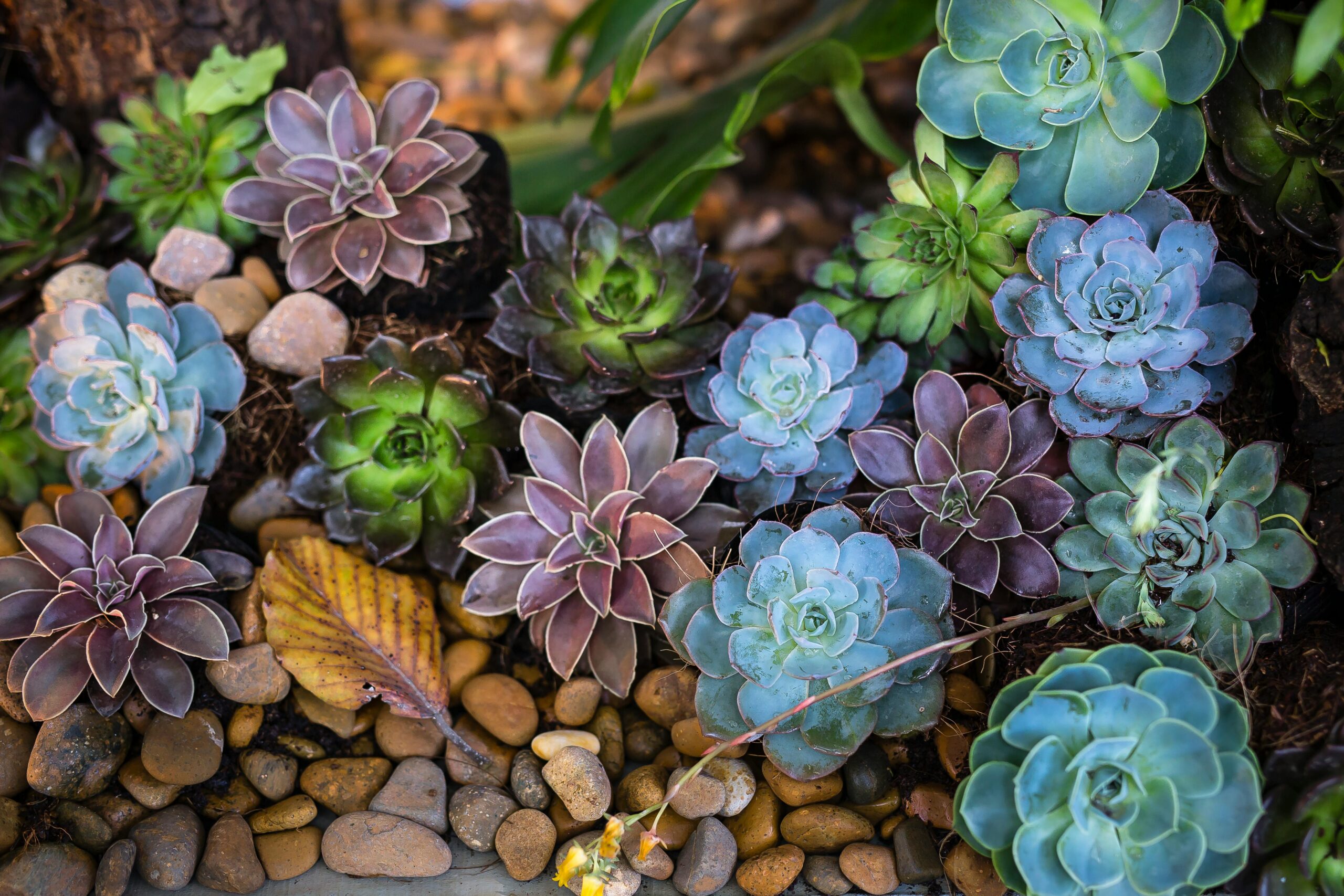
Water storage tissues represent one of the most visible adaptations in drought-resistant plants. Succulents exemplify this strategy, with their fleshy leaves and stems containing specialized parenchyma cells designed for water retention. These cells can expand significantly when water is abundant and contract during drought periods, acting as natural reservoirs that sustain the plant through extended dry spells.
The vascular system in drought-adapted plants shows enhanced lignification and reduced vessel diameter. These modifications prevent cavitation, the formation of air bubbles in water-conducting tissues that can disrupt water transport. Smaller vessels are less prone to cavitation under negative pressure, ensuring continuous water supply to photosynthetic tissues even under severe drought stress.
Photosynthetic Pathways: Metabolic Innovation Under Stress
Perhaps the most fascinating adaptation in drought-resistant plants lies in their modified photosynthetic pathways. While most plants employ C3 photosynthesis, many drought-adapted species have evolved alternative mechanisms that dramatically improve water use efficiency. These innovations represent millions of years of evolutionary experimentation with carbon fixation chemistry.
CAM (Crassulacean Acid Metabolism) photosynthesis stands as one of nature’s most elegant solutions to drought stress. CAM plants open their stomata exclusively at night when temperatures drop and humidity rises, dramatically reducing water loss. They fix carbon dioxide into organic acids during darkness, storing these compounds in vacuoles. During daylight hours, with stomata tightly closed, they release this stored CO2 for photosynthesis. This temporal separation of gas exchange from carbon fixation can improve water use efficiency by up to tenfold compared to C3 plants.
C4 photosynthesis represents another sophisticated adaptation, though it’s more commonly associated with heat tolerance than drought resistance specifically. C4 plants spatially separate initial carbon fixation from the Calvin cycle, concentrating CO2 around RuBisCO enzymes. This mechanism reduces photorespiration and allows these plants to maintain high photosynthetic rates while keeping stomata partially closed, conserving precious water.
Biochemical Defense Mechanisms: The Molecular Shield
Drought-resistant plants deploy an arsenal of biochemical compounds that protect cellular machinery from oxidative stress induced by water scarcity. When plants experience drought, reactive oxygen species (ROS) accumulate, potentially damaging proteins, lipids, and nucleic acids. Antioxidant systems involving enzymes like superoxide dismutase, catalase, and ascorbate peroxidase work continuously to neutralize these harmful molecules.
Abscisic acid (ABA), often called the stress hormone, orchestrates many drought responses at the molecular level. When roots sense decreasing soil moisture, ABA levels surge throughout the plant, triggering stomatal closure, promoting root growth, and activating genes responsible for synthesizing protective proteins. This hormonal signal cascade coordinates the entire plant’s response to water deficit, demonstrating remarkable physiological integration.
Late embryogenesis abundant (LEA) proteins accumulate in drought-stressed plants, providing crucial protection to cellular structures. These hydrophilic proteins can prevent protein aggregation, stabilize membranes, and even form molecular shields around sensitive enzymes. Their presence correlates strongly with drought tolerance across diverse plant species, making them targets for genetic improvement efforts.
Gene Expression Dynamics During Drought 🧬
Modern molecular biology has revealed that drought resistance involves coordinated expression of hundreds of genes. Transcription factors act as master switches, activating entire networks of drought-responsive genes. The DREB (Dehydration-Responsive Element Binding) family of transcription factors has emerged as particularly important, regulating genes involved in osmotic adjustment, protective protein synthesis, and metabolic adaptation.
Epigenetic modifications also contribute to drought resistance, allowing plants to “remember” previous stress events and respond more effectively to subsequent challenges. DNA methylation patterns and histone modifications can be altered by drought exposure, potentially conferring improved tolerance that persists across cell divisions or even generations. This drought memory represents a sophisticated adaptive mechanism that enhances survival in variable environments.
Water Harvesting Strategies: Beyond Root Uptake
Some drought-resistant plants have evolved innovative mechanisms to capture water beyond traditional root absorption. Fog harvesting represents one such strategy, where specialized leaf structures condense atmospheric moisture that then drips to the root zone. Certain desert plants can harvest significant amounts of water through this mechanism during foggy nights, supplementing their water budget substantially.
Hygroscopic salts secreted by some halophytic plants can absorb moisture directly from humid air. These salts create solutions on leaf surfaces that the plant can later absorb, effectively extracting water from the atmosphere. While this mechanism provides limited water quantities, every drop counts in extreme environments where survival margins are razor-thin.
Trichomes, the hair-like structures covering leaves and stems of many drought-adapted species, serve multiple functions in water conservation. They create boundary layers that reduce air movement across leaf surfaces, decreasing transpiration rates. Some trichomes can also reflect sunlight, reducing leaf temperature and thus water demand. In certain species, trichomes even trap morning dew, channeling it toward the plant base.
Seasonal Adaptations and Dormancy Strategies 🍂
Many drought-resistant plants employ deciduousness as a survival strategy, shedding leaves during extended dry periods to minimize water loss. This seemingly drastic measure allows the plant to reduce its transpiring surface area dramatically, entering a state of metabolic dormancy until favorable conditions return. Drought-deciduous plants can survive years of water scarcity by maintaining only essential tissues.
Resurrection plants represent the extreme end of drought tolerance, capable of losing up to 95% of their cellular water and appearing completely desiccated, only to revive within hours of rehydration. These remarkable organisms essentially enter suspended animation, protecting their cellular machinery through sophisticated biochemical mechanisms that prevent irreversible damage. Studying resurrection plants has provided invaluable insights into the limits of desiccation tolerance.
Seed dormancy mechanisms allow drought-resistant annuals to persist through unfavorable periods as seeds rather than active plants. These seeds can remain viable for decades, germinating only when rainfall patterns indicate sufficient moisture for completing their life cycle. Chemical inhibitors in seed coats prevent premature germination, ensuring that emergence occurs only under appropriate conditions.
Practical Applications for Modern Agriculture and Landscaping 🌱
Understanding drought resistance mechanisms has profound implications for agriculture in water-limited regions. Breeding programs increasingly incorporate drought-tolerance traits into crop varieties, improving food security in arid and semi-arid regions. Marker-assisted selection allows breeders to identify drought-resistant genotypes early, accelerating variety development significantly compared to traditional methods.
Genetic engineering offers another avenue for enhancing drought tolerance in crops. Researchers have successfully introduced genes encoding protective proteins, modified transcription factors, and altered stomatal density in various crop species. While genetically modified drought-resistant crops remain controversial in some regions, they represent potentially valuable tools for adapting agriculture to climate change.
Xeriscaping, the practice of designing landscapes that minimize water requirements, draws heavily on drought-resistant plant species. By selecting appropriate plants and implementing efficient irrigation strategies, homeowners and municipalities can reduce landscape water consumption by 50-75% compared to traditional landscaping. This approach becomes increasingly important as urban water supplies face growing pressure from population growth and climate variability.
Selecting Drought-Resistant Species for Different Climates
Different drought-resistant plants suit different climatic zones and applications. Mediterranean climate gardens benefit from lavender, rosemary, and olive trees, which combine drought tolerance with ornamental or culinary value. Desert landscapes can incorporate various cacti, agaves, and desert-adapted shrubs that require minimal supplemental irrigation once established.
Native plant landscaping offers particular advantages, as locally-adapted species typically require less water and maintenance than exotic alternatives. Native plants have evolved alongside local climate patterns, pests, and soil conditions, making them naturally suited to regional environments. They also provide crucial habitat for native pollinators and wildlife, supporting broader ecological health.
The Future of Drought Resistance Research 🔮
Cutting-edge research continues to unveil new dimensions of drought resistance. Advanced imaging techniques allow scientists to observe cellular processes in real-time as plants respond to water stress. Proteomics and metabolomics generate comprehensive profiles of molecular changes during drought, identifying novel targets for genetic improvement.
Climate change modeling suggests that drought frequency and intensity will increase across many agricultural regions. This reality underscores the urgency of developing drought-resistant crops and implementing water-wise landscaping practices. The knowledge gained from studying naturally drought-resistant plants provides a roadmap for these efforts, offering time-tested solutions refined by millions of years of natural selection.
Synthetic biology approaches may eventually allow scientists to design custom drought-resistance systems by combining elements from different plants or even creating entirely novel mechanisms. While such technologies remain largely theoretical, they represent the logical extension of our growing understanding of plant water relations and stress physiology.
Embracing Nature’s Wisdom for a Sustainable Future
Drought-resistant plants embody evolutionary solutions to one of life’s most fundamental challenges: obtaining sufficient water for survival. Their sophisticated adaptations—spanning cellular, anatomical, physiological, and biochemical levels—demonstrate nature’s problem-solving capacity over geological timescales. These plants don’t merely survive drought; they thrive in conditions that would devastate less adapted species.
As humanity confronts water scarcity driven by population growth, agricultural intensification, and climate change, the lessons from drought-resistant plants become increasingly valuable. Whether through crop improvement, landscape design, or fundamental research, these remarkable organisms offer blueprints for sustainable coexistence with limited water resources. Their secrets, painstakingly revealed through scientific inquiry, provide hope and practical solutions for a water-limited future.
The journey to fully understand drought resistance continues, with each discovery opening new questions and possibilities. By studying how these plants master water scarcity, we gain not only scientific knowledge but also a deeper appreciation for nature’s ingenuity. In their resilience, we find inspiration and guidance for building more sustainable agricultural systems and communities adapted to our planet’s evolving climate reality. 🌍