Drought doesn’t have to spell disaster for your garden. By learning to read your plants’ stress signals early, you can intervene effectively and maintain a thriving outdoor space even during challenging dry periods.

🌱 Understanding Plant Stress: The Foundation of Drought Management
Plants are remarkably communicative organisms, constantly sending signals about their health and needs. During drought conditions, these signals become increasingly important as they allow gardeners to identify problems before they become irreversible. Plant stress isn’t simply about lack of water—it’s a complex physiological response that affects every aspect of plant function, from photosynthesis to nutrient uptake.
When plants experience water deficit, they trigger a cascade of protective mechanisms designed to conserve moisture and maintain essential functions. Understanding these responses transforms gardening from guesswork into informed decision-making. The key lies in recognizing that different plant species exhibit stress differently, and the timing of your intervention can mean the difference between a struggling garden and a resilient one.
Early Warning Signs: What Your Plants Are Telling You 🔍
The earliest indicators of drought stress often appear long before visible wilting occurs. Experienced gardeners develop an intuitive sense for these subtle changes, but anyone can learn to spot them with careful observation and consistent monitoring.
Leaf Color Changes and Texture Modifications
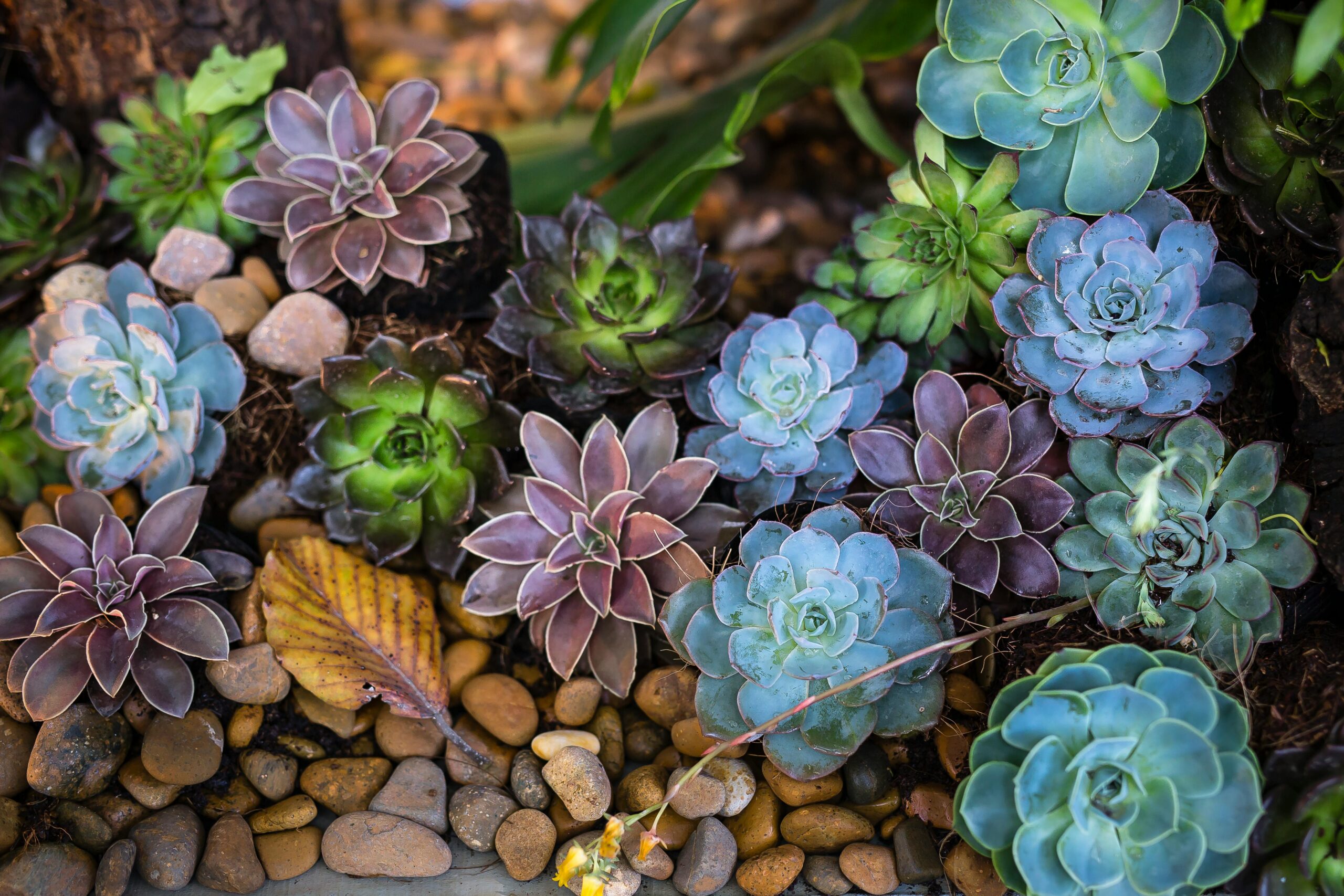
One of the first visible signs of water stress manifests in leaf coloration. Healthy green leaves may develop a slightly grayish or bluish tint as their waxy cuticle thickens to reduce water loss. This adaptive response, while protective, signals that your plants are already working harder to retain moisture. Additionally, leaves may appear duller than usual, losing their characteristic glossy appearance.
Texture changes accompany color shifts. Leaves may feel thicker or more leathery to the touch, becoming less pliable. Some species develop a slightly curled or cupped appearance as cells lose turgor pressure. These modifications occur before dramatic wilting and represent your optimal intervention window.
Growth Pattern Alterations
Stressed plants redirect their energy priorities. New growth may slow dramatically or stop altogether as plants channel resources toward survival rather than expansion. Flowering plants might produce fewer blooms, smaller flowers, or drop buds prematurely. Vegetable plants may set less fruit or produce smaller harvests.
Internode spacing—the distance between leaves on stems—often becomes shorter under stress conditions. This compact growth pattern reduces the plant’s surface area and water demands but also indicates suboptimal growing conditions that require attention.
Advanced Monitoring Techniques for Proactive Gardeners
Beyond visual observation, several monitoring methods provide quantifiable data about soil moisture and plant health, enabling more precise irrigation decisions and better resource management.
Soil Moisture Assessment Tools
While the traditional finger test works reasonably well for surface evaluation, it doesn’t provide information about deeper root zone moisture levels where plants actually draw most of their water. Professional-grade moisture meters offer accurate readings at various depths, helping you avoid both overwatering and underwatering.
Tensiometers measure soil water tension, indicating how hard plants must work to extract moisture. As soil dries, tension increases, and these devices provide numerical readings that remove guesswork from irrigation scheduling. For tech-savvy gardeners, smart soil sensors connect to smartphone applications, delivering real-time data and sending alerts when moisture drops below customized thresholds.
Plant-Based Monitoring Approaches
Rather than focusing solely on soil conditions, some monitoring techniques assess plant water status directly. Pressure chambers and porometers measure leaf water potential and stomatal conductance respectively, though these specialized instruments typically remain in research settings rather than home gardens.
More accessible options include infrared thermometers that detect leaf temperature. Stressed plants often run warmer than well-watered ones because reduced transpiration diminishes their natural cooling mechanism. Temperature differentials of just a few degrees can indicate developing stress before visual symptoms appear.
Creating a Systematic Monitoring Schedule 📅
Consistency transforms casual observation into effective monitoring. Establishing a regular schedule ensures you catch stress signals early when interventions prove most effective and require fewer resources.
During drought conditions or hot summer months, daily morning checks provide baseline information before heat stress compounds water stress. Early morning observations show true plant water status, as overnight recovery from daytime stress will have occurred. Evening checks reveal how well plants cope with daily demands and whether your watering strategy provides adequate support.
Document your observations systematically. Simple notes about leaf appearance, growth rates, and soil conditions create a valuable reference for identifying patterns and refining your approach. Photographs provide visual records that reveal gradual changes you might otherwise miss.
Strategic Intervention: When and How to Act 💧
Recognizing stress signals means little without appropriate response strategies. Effective intervention requires understanding both immediate relief measures and long-term resilience building.
Immediate Response Tactics
When monitoring reveals emerging stress, immediate but measured responses prevent escalation. Deep, infrequent watering proves far superior to shallow, frequent applications. Water penetrating 6-8 inches into soil encourages deep root development, creating plants better equipped to access moisture during dry periods.
Timing matters significantly. Watering during early morning hours minimizes evaporation losses and allows foliage to dry before nightfall, reducing disease risks. Avoid midday watering when heat causes rapid evaporation and cold water can shock warm plant tissues.
Application methods influence efficiency. Drip irrigation and soaker hoses deliver water directly to root zones with minimal waste. If using overhead sprinklers, operate them in early morning and ensure coverage reaches actual root zones rather than just wetting surface soil.
Building Long-Term Drought Resilience
While responsive watering addresses immediate needs, developing garden resilience prevents future crises. Mulching stands as perhaps the single most effective drought management strategy. A 2-4 inch layer of organic mulch moderates soil temperature, reduces evaporation, suppresses competing weeds, and gradually improves soil structure as it decomposes.
Soil amendment with organic matter increases water-holding capacity. Compost, well-rotted manure, and other organic materials improve soil structure, creating more spaces for water retention while enhancing drainage to prevent waterlogging during rains.
| Strategy | Immediate Impact | Long-Term Benefit |
|---|---|---|
| Deep watering | Relieves current stress | Encourages deep roots |
| Mulching | Reduces evaporation | Improves soil health |
| Soil amendment | Modest improvement | Enhanced water retention |
| Plant selection | None | Naturally drought-tolerant garden |
Species-Specific Stress Signals and Responses 🌿
Different plant groups exhibit stress uniquely and require tailored monitoring approaches. Understanding these variations ensures appropriate interventions for each garden section.
Vegetable Gardens Under Stress
Vegetables, particularly annual crops, show stress quickly due to their shallow root systems and rapid growth demands. Lettuce and other leafy greens develop bitter flavors and may bolt prematurely. Tomatoes exhibit blossom end rot—a calcium deficiency exacerbated by inconsistent watering. Fruit set decreases, and existing fruits may crack from irregular moisture availability.
Root vegetables like carrots and radishes become woody and tough when stressed, losing their culinary appeal. Beans and peas drop flowers and developing pods rather than bringing them to maturity. These crops require consistent moisture throughout their growing season, making vigilant monitoring especially important.
Ornamental Plants and Flowers
Flowering perennials often demonstrate remarkable drought tolerance once established, but they communicate stress clearly during vulnerable periods. Newly planted specimens require careful monitoring during their first growing season as roots establish. Premature dormancy, where plants enter rest periods earlier than normal, indicates severe stress.
Container plants deserve special attention as their limited soil volume dries quickly. Hanging baskets and small pots may require daily watering during hot weather. Weight checks provide quick assessments—lift containers regularly to learn how heavy they feel when adequately moist versus dry.
Trees and Shrubs: Long-Term Considerations
Woody plants show stress more gradually but suffer longer-lasting consequences. Leaf drop during growing season, particularly of interior foliage, signals water deficit. Branch dieback may not appear until months after stress occurs, making preventive monitoring crucial.
Established trees access deep water sources, but recent transplants and young specimens require supplemental irrigation. Focus water applications at the drip line—where rainfall naturally drips from outermost branches—rather than against trunks where feeder roots are sparse.
Technology-Assisted Garden Monitoring 📱
Modern technology offers powerful tools for monitoring plant stress and optimizing garden management. Smart gardening systems integrate multiple sensors, weather data, and automated controls to maintain optimal conditions with minimal manual intervention.
Weather-based irrigation controllers adjust watering schedules according to rainfall, temperature, humidity, and evapotranspiration rates. These systems prevent unnecessary watering after rain events and increase irrigation during heat waves, matching water delivery to actual plant needs.
Smartphone applications help gardeners track plant care activities, set reminders for monitoring checks, and access plant-specific care information. Some apps use image recognition to identify stress symptoms and recommend corrective actions, bringing expert knowledge to beginning gardeners.
Water Conservation Without Compromising Plant Health ♻️
Thriving through drought doesn’t require unlimited water resources. Strategic conservation measures maintain plant health while respecting water scarcity and environmental responsibility.
Prioritization and Triage Strategies
During severe drought when water restrictions apply or resources become truly limited, prioritize garden areas strategically. Newly planted specimens and high-value plants receive priority as they’re most vulnerable and represent significant investments. Established trees and shrubs with developed root systems can withstand temporary stress better than annuals or recent transplants.
Consider allowing lawn areas to go dormant while maintaining landscape plants. Turfgrass typically recovers well from drought dormancy, whereas woody ornamentals may suffer permanent damage from severe stress.
Greywater and Rainwater Harvesting
Alternative water sources extend your irrigation capacity during droughts. Greywater from laundry, showers, and bathroom sinks can safely irrigate ornamental plants when proper precautions are followed. Avoid using water containing bleach or harsh chemicals, and don’t apply greywater to edible crops unless properly treated.
Rainwater collection systems, ranging from simple barrel installations to sophisticated cistern networks, capture precipitation for later use. Even modest systems collecting roof runoff provide substantial supplemental water during dry periods. Many regions offer incentives or rebates for rainwater harvesting infrastructure, making these systems increasingly accessible.
Adapting Plant Selection for Future Resilience 🌵
Long-term drought management begins with thoughtful plant selection. As climate patterns shift and water resources face increasing pressure, choosing inherently drought-tolerant species reduces maintenance demands and stress monitoring requirements.
Native plants evolved with local climate conditions, including typical drought patterns. They establish quickly, require less supplemental irrigation, and support local wildlife. Drought-adapted species from similar climate zones also thrive with minimal intervention once established.
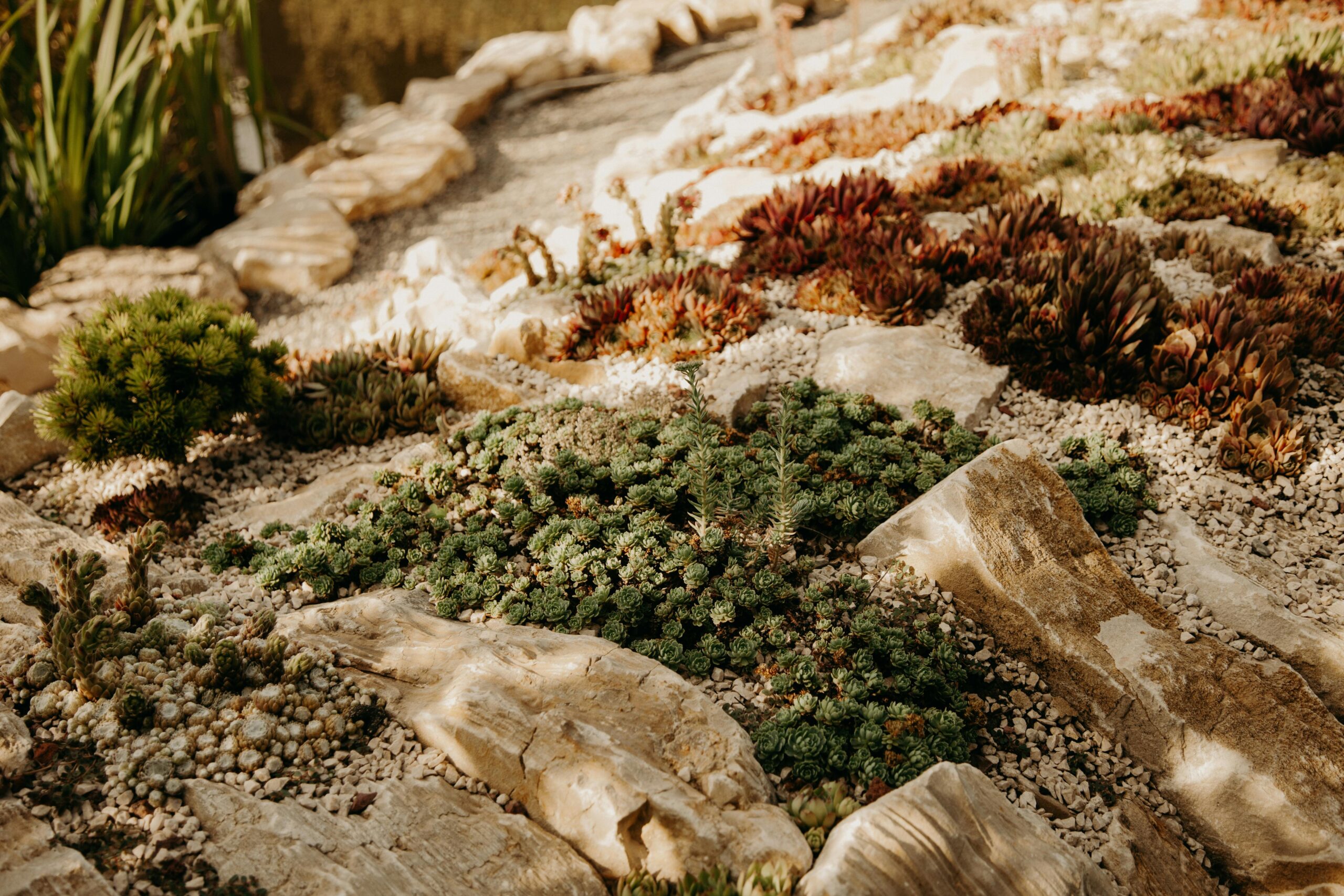
Consider xeriscaping principles that group plants by water needs, placing high-demand plants in limited, easily irrigated zones while filling larger areas with drought-tolerant selections. This approach doesn’t mean sacrificing beauty—many spectacular flowering plants, ornamental grasses, and structural shrubs offer exceptional drought tolerance alongside striking visual appeal.
Recognizing Irreversible Damage and Recovery Potential 🔄
Despite best monitoring efforts, some stress damage becomes inevitable during severe droughts. Understanding what damage proves reversible versus permanent helps set realistic expectations and guides recovery efforts.
Wilted leaves that remain green and recover overnight indicate temporary stress without lasting damage. Brown, crispy foliage won’t recover and should be removed to redirect energy toward producing new growth. Partial defoliation stresses plants but rarely proves fatal if roots remain healthy and conditions improve.
Complete branch dieback on woody plants requires pruning to healthy tissue. Assess damage carefully before removing apparently dead branches—scratch bark to check for green tissue beneath, indicating life. Many plants can recover from losing up to one-third of their canopy, though several growing seasons may pass before they regain previous size.
Seasonal Variations in Stress Monitoring 🍂
Drought stress patterns vary seasonally, requiring adjusted monitoring approaches throughout the year. Spring growth periods demand consistent moisture as plants expand rapidly and produce new tissues. Summer heat compounds water stress, making this season most critical for vigilant observation.
Fall presents transitional challenges as shortening days trigger dormancy preparations, but warm weather may continue demanding water. Proper fall watering, particularly for evergreens and newly planted specimens, prevents winter desiccation when frozen ground prevents root water uptake.
Winter monitoring focuses on evergreen plants and recent transplants. Sunny, windy winter days cause transpiration while frozen soil prevents replacement moisture from reaching roots. Anti-desiccant sprays provide temporary protection, while strategic windbreaks reduce moisture loss.

Empowering Your Garden Through Knowledge 🌸
Mastering plant stress monitoring transforms your relationship with your garden from reactive crisis management to proactive partnership. As you develop observation skills and learn your plants’ communication patterns, interventions become more precise, resource use becomes more efficient, and your garden’s overall resilience increases dramatically.
Every garden teaches unique lessons shaped by local conditions, plant selections, and seasonal variations. Embrace this learning process, document your observations, and adjust strategies based on results. Over time, you’ll develop an intuitive sense for your garden’s needs that complements systematic monitoring.
Drought challenges gardens worldwide, but armed with knowledge about stress signals and appropriate responses, you can maintain a flourishing outdoor space even during difficult dry periods. The key lies not in fighting against drought conditions but in working with your plants to navigate stress periods successfully, emerging with a more resilient and beautiful garden than before.
By combining regular monitoring, strategic interventions, appropriate plant selection, and water conservation practices, your garden can not just survive but truly thrive through drought conditions. The investment in developing these skills pays dividends in reduced water consumption, decreased plant losses, and the deep satisfaction of nurturing a resilient, sustainable garden ecosystem.