Drought-tolerant gardens offer beauty and sustainability, but they still need water to flourish. Understanding seasonal watering schedules ensures your resilient landscape remains vibrant year-round.

🌵 Understanding the True Nature of Drought-Tolerant Plants
The term “drought-tolerant” often creates confusion among gardeners. Many people assume these plants require zero maintenance once established, but this misconception can lead to struggling or dying landscapes. Drought-tolerant plants have evolved mechanisms to survive extended dry periods, but they still need strategic watering to reach their full potential.
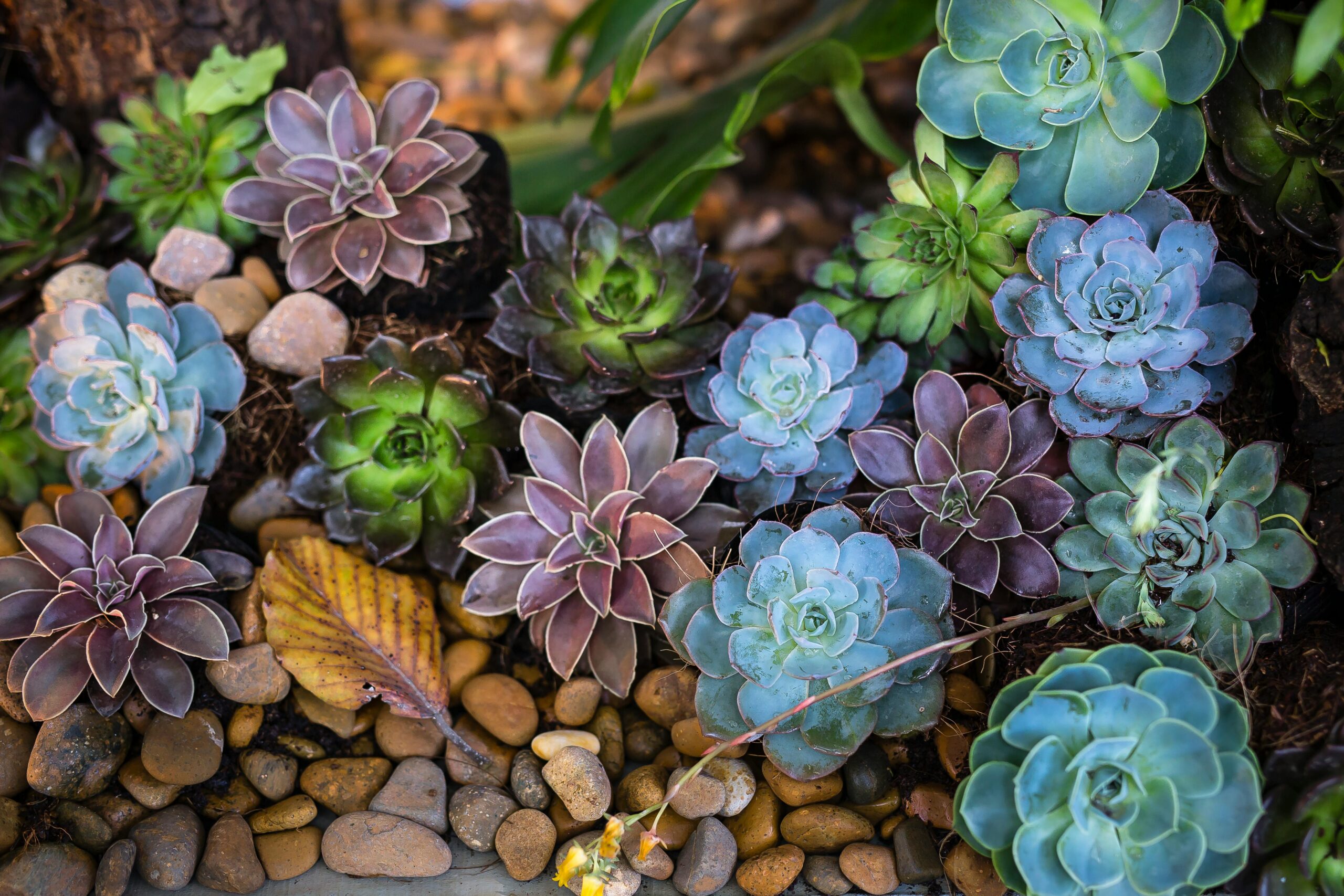
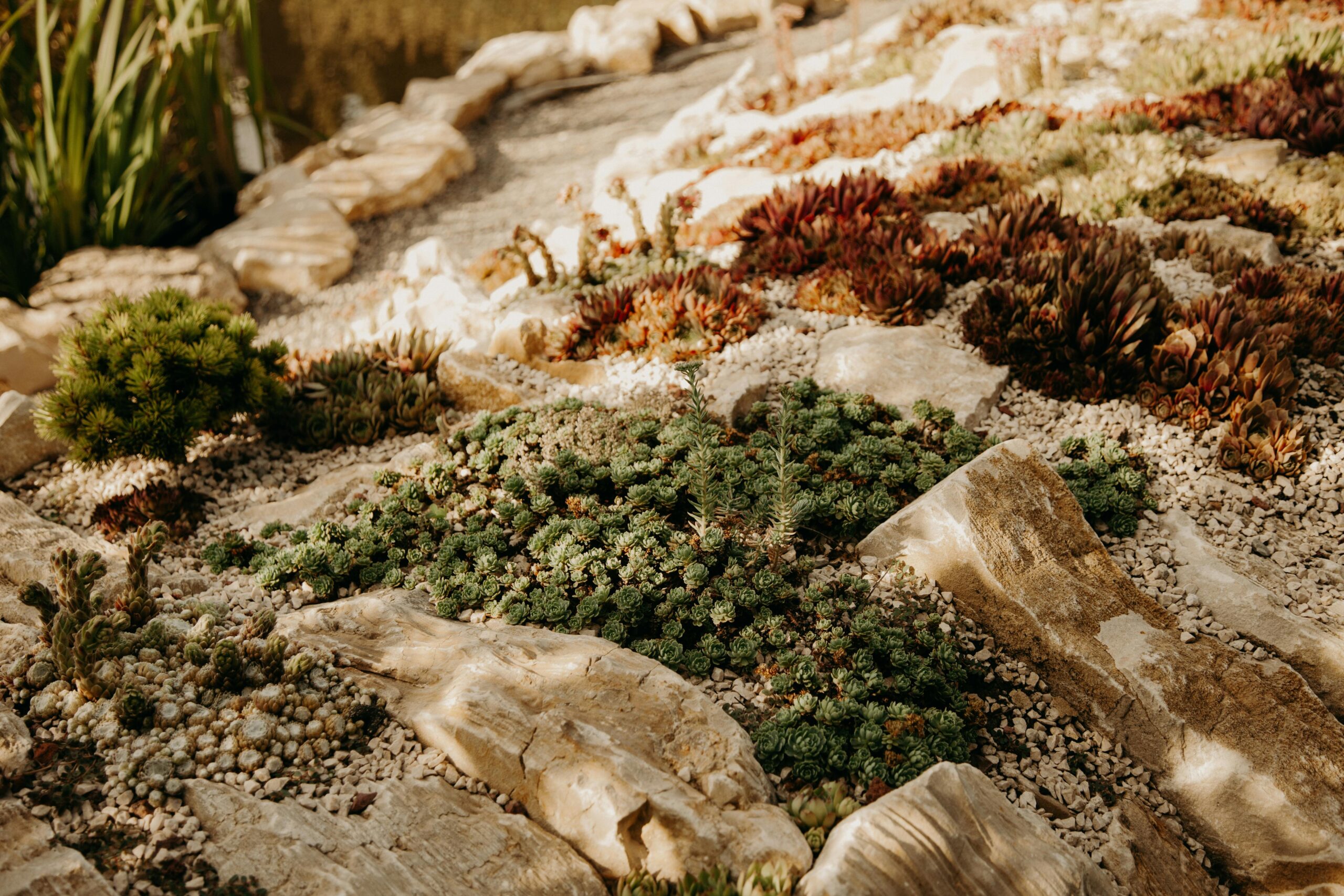
These resilient species typically feature deep root systems, waxy leaves, or water-storing tissues that help them endure water scarcity. Native succulents, Mediterranean herbs, and desert-adapted shrubs fall into this category. However, even the toughest xerophytes benefit from occasional deep watering, especially during their establishment phase and extreme weather conditions.
The key difference lies in frequency rather than elimination. Where traditional gardens might need watering three to four times weekly, drought-tolerant landscapes thrive with deep, infrequent irrigation that encourages roots to grow downward seeking moisture. This fundamental shift in approach creates stronger, more independent plants that genuinely can withstand drought when it arrives.
Establishing Your Garden: The Critical First Year
The establishment period represents the most water-intensive phase of your drought-tolerant garden’s life. During the first growing season, newly planted specimens haven’t developed the extensive root systems that make them drought-resistant. This vulnerable period typically lasts between six months to two years, depending on plant type and climate conditions.
For the first three months after planting, water your drought-tolerant garden two to three times per week, providing enough moisture to penetrate 6-8 inches into the soil. This frequency supports root development without creating waterlogged conditions that could cause rot. Check soil moisture by inserting your finger or a moisture meter before each watering session.
Between months four and twelve, gradually reduce watering frequency to once or twice weekly. Monitor plants for stress signals like wilting, leaf dropping, or color changes. Native plants and succulents adapt faster than non-native drought-tolerant species, often requiring less frequent intervention by month six.
Transitioning to Mature Plant Care
After the first full year, most drought-tolerant plants have established sufficient root systems to begin their water-independent phase. At this stage, you can implement true water-conservation strategies. Reduce irrigation to once every 10-14 days during the growing season, focusing on deep watering that reaches 12-18 inches below the surface.
This transition period tests your patience but rewards you with genuinely resilient plants. Some gardeners struggle to resist over-watering, but remember that excessive moisture weakens drought-adapted plants by keeping roots shallow and dependent on surface water.
🌸 Spring Watering Strategies: Supporting New Growth
Spring awakens dormant plants and triggers new growth cycles across your drought-tolerant landscape. This season demands careful attention as plants emerge from winter dormancy and begin their most active growing period. Temperature fluctuations and variable rainfall patterns make spring particularly challenging for water management.
Begin spring by assessing winter rainfall accumulation. In regions with wet winters, your established drought-tolerant garden might need zero supplemental irrigation for the first 4-6 weeks of spring. Check soil moisture at root depth before initiating any watering schedule. Clay soils retain moisture longer than sandy compositions, affecting your timing significantly.
As temperatures rise and growth accelerates, established plants typically require watering every 10-14 days. Focus your efforts on newer plantings and species in their first or second year. Mature specimens often survive entirely on spring rainfall in many climate zones. Water in early morning hours between 4-10 AM to minimize evaporation and allow foliage to dry before evening, reducing disease risks.
Managing Spring Rain Variations
Spring weather patterns vary dramatically year to year and region to region. Install a rain gauge in your garden to accurately track natural precipitation. After rainfall events of one inch or more, skip your next scheduled watering entirely. Drought-tolerant plants appreciate the occasional soaking rain but suffer when natural and supplemental water combine to create oversaturated conditions.
For container gardens with drought-tolerant plants, spring requires more frequent attention than in-ground plantings. Containers dry faster and lack access to deep soil moisture reserves. Water containerized succulents and cacti when the top two inches of soil feel completely dry, typically every 7-10 days in spring.
☀️ Summer Watering: Balancing Heat and Conservation
Summer presents the greatest challenge for drought-tolerant garden maintenance. Even water-wise plants face stress during extended heat waves and peak evaporation periods. Your summer strategy should balance plant health with water conservation principles, adjusting for your specific climate zone and current weather patterns.
Established drought-tolerant landscapes typically thrive with deep watering every 14-21 days during summer months. This extended interval encourages roots to seek moisture at lower soil levels, building resilience for true drought conditions. Each watering session should deliver 1-1.5 inches of water, penetrating deeply rather than wetting surface soil.
Monitor your plants for heat stress indicators. Temporary afternoon wilting that recovers by evening is normal and doesn’t signal the need for additional water. However, morning wilting, leaf curling, or sustained drooping indicates insufficient moisture. Adjust your schedule accordingly, but resist the urge to water frequently with small amounts.
Heat Wave Modifications
During extreme heat events with temperatures exceeding 100°F (38°C) for multiple consecutive days, even drought-tolerant plants benefit from supplemental watering. Increase frequency slightly to every 10-14 days rather than your standard interval. Focus on younger plants and specimens in full sun exposure, which experience greater heat stress than shaded plantings.
Apply a 2-4 inch layer of organic mulch around plants to moderate soil temperature and reduce moisture evaporation. Keep mulch several inches away from plant stems and trunks to prevent rot and pest issues. Quality mulching can reduce summer water needs by 25-40 percent while improving overall soil health.
🍂 Fall Watering Adjustments: Preparing for Dormancy
Autumn brings cooler temperatures and often increased rainfall, allowing you to significantly reduce irrigation efforts. However, fall watering remains important for preparing plants to survive winter conditions. This transitional season requires thoughtful adjustment rather than abrupt cessation of watering practices.
As temperatures moderate in early fall, extend watering intervals to every 14-21 days for established plants. Monitor weather patterns and rainfall closely, as many regions receive substantial precipitation during autumn months. Natural rainfall may eliminate the need for supplemental irrigation entirely during this period.
Continue watering through fall until plants enter full dormancy or until consistent rainfall begins. In mild winter climates where plants remain semi-active, maintain occasional deep watering through the cooler months. Desert regions with warm falls may require continued regular irrigation until temperatures consistently drop below 70°F (21°C).
Pre-Winter Deep Watering
Before the first hard freeze in cold-winter regions, provide one final deep watering session. This pre-winter irrigation ensures plants enter dormancy with adequate moisture reserves, protecting roots and crowns from freeze damage. Well-hydrated plants survive winter stress better than those entering cold periods with dry root systems.
For evergreen drought-tolerant species, fall watering becomes especially critical. These plants continue transpiring water through winter and benefit from entering the cold season with moisture reserves. Water evergreen succulents, cacti, and shrubs thoroughly in late fall before ground freezing occurs.
❄️ Winter Care: The Dormant Season Strategy
Winter represents the rest period for most drought-tolerant gardens, requiring minimal intervention in many climate zones. However, winter watering needs vary dramatically based on your regional climate. Mediterranean zones with wet winters need almost no supplemental irrigation, while desert regions with dry winters still require occasional attention.
In regions with frozen ground and snow cover, cease watering entirely once soil freezes. Snow provides insulation and slow-release moisture as it melts. Watering frozen ground proves futile and potentially harmful, as plants cannot absorb moisture through frozen root systems.
For mild-winter climates where plants remain semi-active, reduce watering frequency to once every 3-4 weeks. Many drought-tolerant species enter partial dormancy even in warm regions, significantly reducing their water requirements. Check soil moisture before winter watering, irrigating only when the top 4-6 inches feel completely dry.
Container Plant Winter Considerations
Containerized drought-tolerant plants require special winter attention. Pots dry faster than ground soil even in cold weather, and roots have limited access to moisture reserves. Check container moisture monthly, watering when soil becomes dry at depth. Reduce frequency compared to summer schedules, but don’t allow complete desiccation.
Move containers to protected locations during severe winter weather if possible. Extreme cold combined with dry conditions can damage even hardy drought-tolerant species when roots are confined to pots.
💧 Efficient Irrigation Methods for Water-Wise Gardens
The watering method you choose impacts both plant health and water conservation significantly. Drought-tolerant gardens benefit most from irrigation systems that deliver water directly to root zones, minimizing waste through evaporation and runoff. Selecting appropriate equipment makes seasonal schedule adjustments easier and more effective.
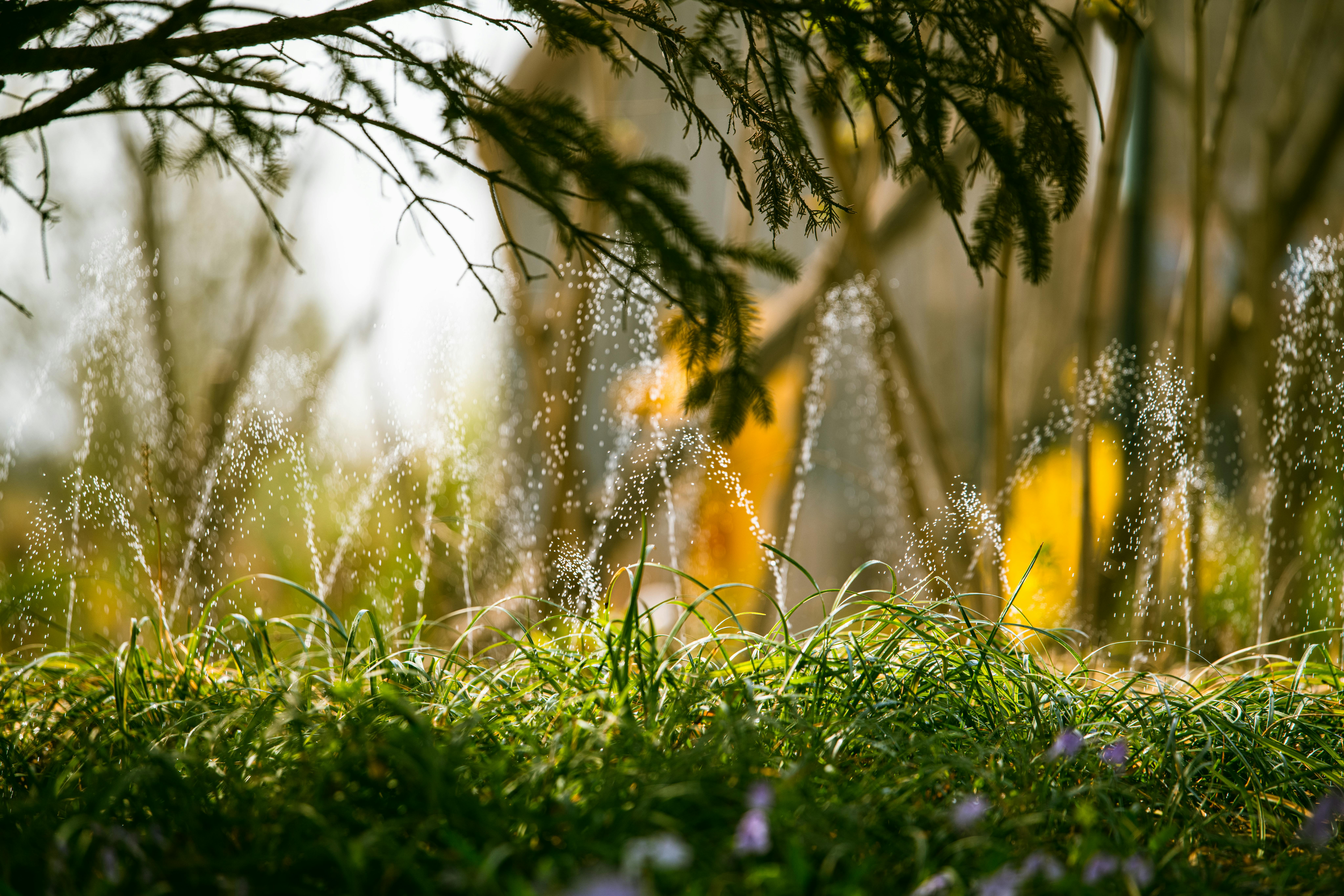
Drip irrigation systems represent the gold standard for drought-tolerant landscapes. These efficient networks deliver water slowly and precisely to plant root zones, reducing waste by 30-50 percent compared to overhead sprinklers. Install emitters at varying flow rates based on individual plant water needs, allowing customization within a single system.
Soaker hoses offer a budget-friendly alternative to drip systems. These porous tubes weep water along their entire length, working well for linear plantings and vegetable gardens with drought-tolerant herbs. Position soaker hoses directly on soil beneath mulch layers for maximum efficiency.
Smart Controllers and Moisture Sensors
Modern irrigation controllers with weather-based adjustment capabilities optimize watering schedules automatically. These smart systems access local weather data, adjusting run times based on temperature, rainfall, and evaporation rates. For busy gardeners managing drought-tolerant landscapes, smart controllers provide significant convenience while conserving water.
Soil moisture sensors add another level of precision to automated systems. These devices measure actual soil moisture content, preventing irrigation when adequate moisture already exists. Install sensors at multiple depths to monitor both surface and root-zone conditions accurately.
🌱 Recognizing and Responding to Plant Water Stress
Even with careful scheduling, occasional adjustments become necessary based on plant responses. Learning to read water stress signals helps you fine-tune irrigation timing for optimal results. Drought-tolerant plants exhibit specific symptoms when moisture levels fall too low or rise too high.
Underwatering symptoms include leaf curling, wilting that persists through cool morning hours, premature leaf drop, and slowed growth. Succulents display shriveled, wrinkled leaves when severely dehydrated. If you observe these signs, provide immediate deep watering and slightly increase frequency going forward.
Overwatering causes equally serious problems, often manifesting as yellowing leaves, mushy stems, or root rot. Fungal growth on soil surfaces, persistent soil dampness, and pest infestations also indicate excessive moisture. If overwatering occurs, cease irrigation immediately and improve drainage if necessary. Allow soil to dry thoroughly before resuming a reduced watering schedule.
Soil Testing for Precision
Invest in a quality soil moisture meter to remove guesswork from your watering decisions. Insert the probe to root depth in multiple locations around your garden, taking readings before each scheduled irrigation. Water only when readings indicate dry conditions in the root zone, typically below 30 percent moisture content for established drought-tolerant plants.
Different soil types retain moisture differently. Clay soils stay wet longer but also become harder when dry, potentially shedding water rather than absorbing it. Sandy soils drain quickly, requiring slightly more frequent watering but less volume per session. Understanding your soil composition helps calibrate appropriate watering amounts and frequencies.
🌍 Regional Climate Considerations
Your specific climate zone profoundly influences optimal watering schedules. Mediterranean climates with wet winters and dry summers require opposite seasonal adjustments compared to monsoon regions with summer rainfall peaks. Desert climates demand year-round attention due to consistently low humidity and rainfall.
Coastal gardens benefit from natural humidity and moderate temperatures, reducing overall water needs. However, salt spray and sandy soils present unique challenges requiring specific strategies. Rinse salt accumulation from foliage occasionally and amend sandy soil with compost to improve moisture retention.
High-altitude gardens experience intense solar radiation and rapid moisture evaporation despite cooler temperatures. These conditions may require more frequent watering than expected based on temperature alone. Protect plants with strategic shade structures and windbreaks to reduce water stress.
Microclimates within your property create localized variations requiring customized approaches. South-facing slopes dry faster than north exposures. Areas beneath eaves receive no natural rainfall. Wind-exposed locations lose moisture rapidly. Map your garden’s microclimates and adjust watering zones accordingly for optimal efficiency.
Creating Your Personalized Seasonal Schedule
Armed with understanding of drought-tolerant plant needs, seasonal variations, and efficient methods, you can now construct a customized watering calendar for your specific garden. Begin by documenting your climate zone, soil type, and plant inventory. Note which specimens are newly planted versus established, and identify microclimates within your landscape.
Create a simple spreadsheet or calendar marking seasonal transitions and corresponding watering frequency adjustments. Include reminders to check weather forecasts, measure rainfall, and test soil moisture before irrigating. Build flexibility into your schedule, recognizing that actual weather conditions may require deviation from planned intervals.
Review and refine your schedule annually based on plant performance and changing conditions. Mature gardens require less intervention than newly established landscapes. Climate patterns shift over time, and plant communities evolve. Your watering strategy should adapt accordingly, becoming increasingly efficient as your drought-tolerant garden matures.
Maximizing Long-Term Garden Resilience
Proper seasonal watering represents just one component of comprehensive drought-tolerant garden management. Combine smart irrigation with soil improvement, appropriate plant selection, and regular maintenance for truly sustainable landscapes. Healthy soil biology supports plant resilience, reducing dependence on supplemental watering over time.
Add compost annually to improve soil structure and water-holding capacity. Organic matter acts like a sponge, capturing and slowly releasing moisture to plant roots. Even sandy, fast-draining soils benefit tremendously from consistent organic amendments, reducing irrigation frequency by 20-30 percent.
Group plants with similar water requirements together in hydrozones. This design strategy allows precise irrigation management, delivering appropriate amounts to each zone without over or under-watering any species. Separate water-loving accent plants from truly drought-tolerant specimens, maintaining efficient irrigation practices throughout your landscape.
Regular mulch replenishment maintains consistent soil moisture and temperature moderation. Organic mulches decompose over time, requiring yearly top-dressing to maintain 2-4 inch depth. This simple practice dramatically reduces water needs while improving soil health and suppressing weeds that compete for moisture.
Your drought-tolerant garden represents an investment in sustainable landscaping that pays dividends through reduced water bills, minimal maintenance, and environmental benefits. By implementing thoughtful seasonal watering schedules and efficient irrigation methods, you ensure these resilient plants reach their full potential. The beauty and functionality of water-wise gardens demonstrate that environmental responsibility and aesthetic excellence coexist perfectly when approached with knowledge and care. 🌿