Water scarcity challenges gardeners worldwide, but nature offers remarkable solutions. Drought-resistant plants have evolved extraordinary mechanisms to survive and even flourish when rainfall becomes scarce and temperatures soar.

🌵 Understanding the Science Behind Drought Resistance

Drought-resistant plants, also known as xerophytes, possess specialized adaptations that allow them to conserve water and maintain vital functions during extended dry periods. These remarkable organisms have developed thick, waxy cuticles on their leaves, reduced leaf surface areas, and deep root systems that tap into underground water reserves. Some species even have the ability to close their stomata during the hottest parts of the day, minimizing water loss through transpiration while still conducting photosynthesis during cooler hours.
Understanding these biological mechanisms helps gardeners make informed decisions when selecting plants for water-wise landscapes. The cellular structure of drought-resistant plants often includes specialized water storage tissues, modified leaf structures, and protective coverings that reflect sunlight rather than absorbing it. This knowledge transforms how we approach garden design in arid and semi-arid regions.
🏜️ Selecting Champions for Water-Scarce Environments
The foundation of a successful drought-resistant garden begins with choosing the right plants. Native species adapted to your specific climate typically require less intervention and resources than exotic alternatives. These local champions have spent millennia fine-tuning their survival strategies to match regional rainfall patterns, soil conditions, and temperature extremes.
Top Performers for Hot, Dry Climates
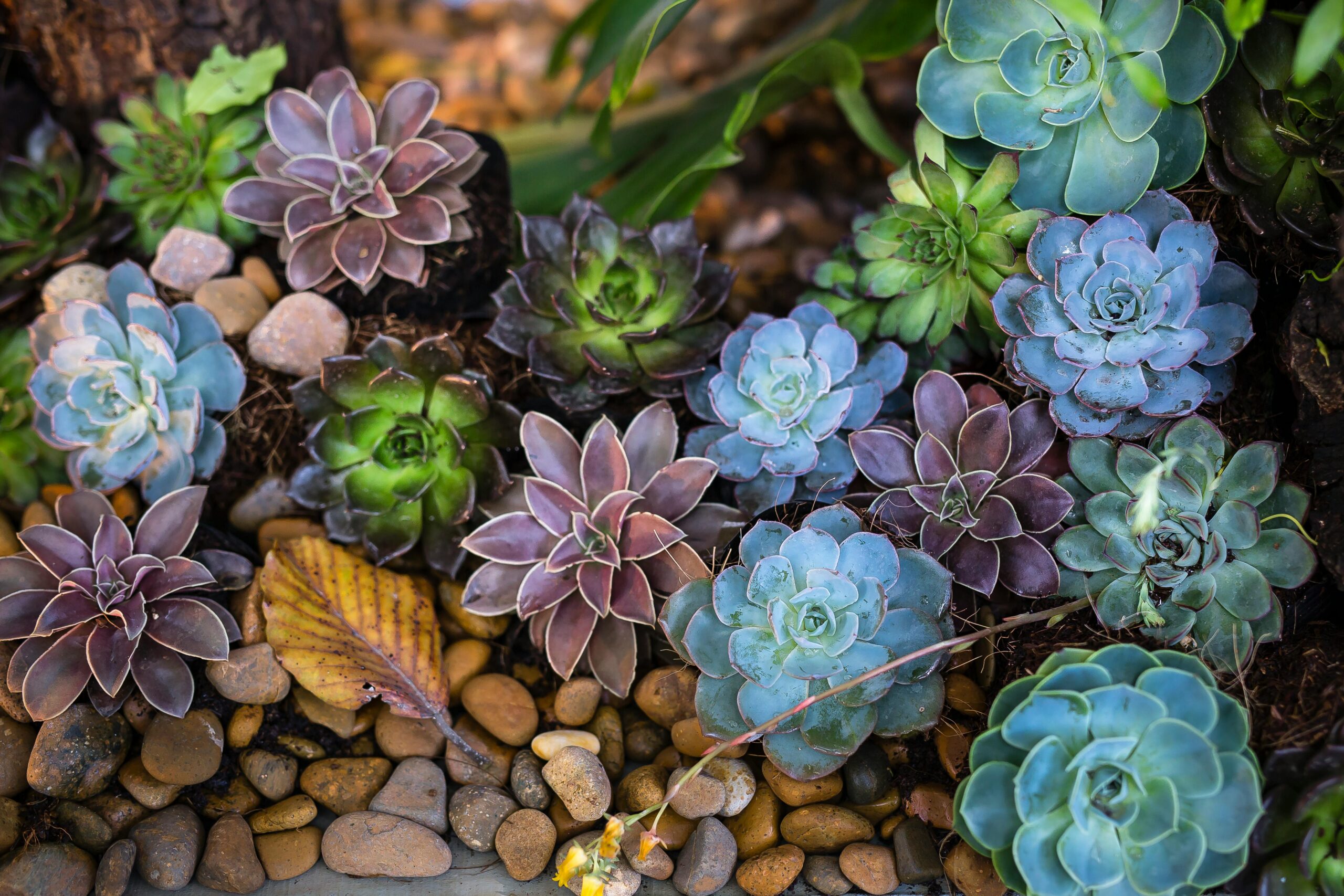
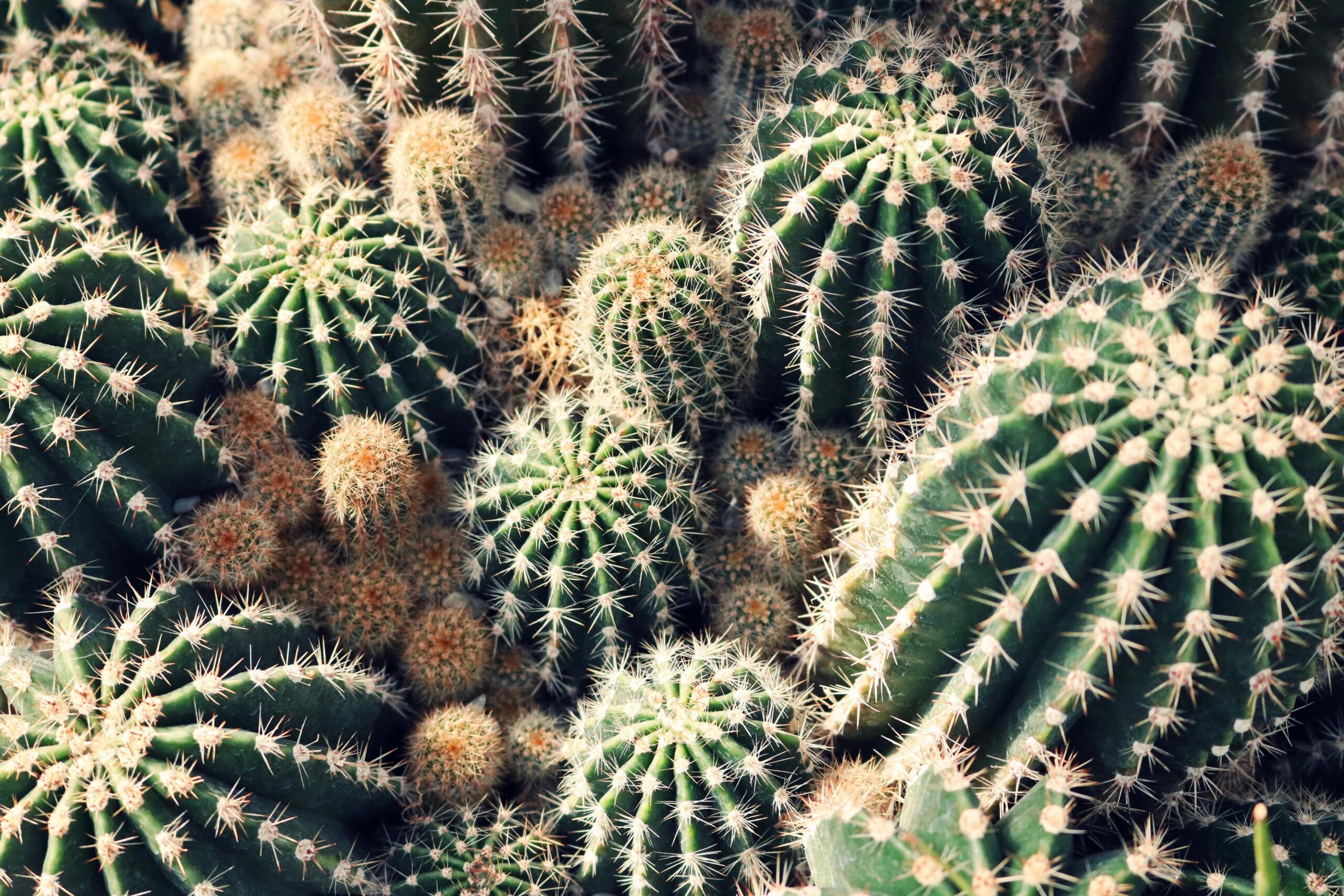
Succulents and cacti immediately come to mind when considering drought-resistant options, but the selection extends far beyond these familiar favorites. Lavender, with its fragrant purple blooms and silvery foliage, thrives in Mediterranean climates and requires minimal watering once established. Russian sage offers similar benefits, producing airy spikes of blue flowers that attract pollinators while demanding little moisture.
Ornamental grasses like blue fescue, feather reed grass, and Mexican feather grass create movement and texture in the landscape while surviving on natural rainfall in many regions. These graceful plants develop extensive root systems that anchor soil, prevent erosion, and access moisture far below the surface. Their seasonal color changes add visual interest throughout the year without requiring supplemental irrigation.
Flowering perennials such as yarrow, coneflowers, and black-eyed Susans combine beauty with resilience. These hardy plants establish deep taproots that sustain them through dry spells while providing nectar sources for beneficial insects and pollinators. Their ability to self-seed ensures continuous presence in the garden with minimal replanting efforts.
💧 Implementing Water-Smart Planting Techniques
Even the most drought-resistant plants benefit from proper installation methods that maximize their survival potential. The planting process itself can significantly influence how well specimens adapt to challenging conditions and establish sustainable root systems.
Soil Preparation Strategies That Make a Difference
Amending soil before planting creates an optimal environment for root development. While drought-resistant plants often tolerate poor soils, incorporating organic matter improves water retention without creating waterlogged conditions. Compost, well-rotted manure, and leaf mold enhance soil structure, allowing roots to penetrate deeply while maintaining adequate drainage.
Testing soil composition helps determine whether amendments are necessary. Sandy soils drain rapidly but hold little moisture, while clay soils retain water but may become compacted. Balancing these extremes through strategic amendments creates conditions where drought-resistant plants can establish quickly and access available moisture efficiently.
The Critical Establishment Period
Newly planted specimens, regardless of their eventual drought tolerance, require consistent moisture during their first growing season. This establishment phase allows roots to spread throughout the surrounding soil, creating the network necessary for independent survival. Deep watering sessions spaced several days apart encourage roots to grow downward rather than remaining near the surface.
Applying mulch around newly installed plants conserves soil moisture, regulates temperature, and suppresses competing weeds. Organic mulches like shredded bark, wood chips, or pine needles gradually decompose, contributing nutrients to the soil while maintaining a protective layer that reduces evaporation. A two to four-inch mulch depth provides optimal benefits without suffocating plant crowns.
🌞 Designing Landscapes That Conserve Water
Strategic landscape design maximizes the efficiency of drought-resistant plants while creating visually appealing outdoor spaces. Thoughtful planning reduces water consumption, maintenance requirements, and environmental impact while enhancing property value and aesthetic appeal.
Hydrozoning: Grouping Plants by Water Needs
Hydrozoning involves clustering plants with similar water requirements in designated areas. This technique allows targeted irrigation that delivers moisture only where needed, preventing waste and ensuring each plant receives appropriate care. High-water-use plants occupy small, easily irrigated zones near outdoor living spaces, while drought-resistant specimens populate larger areas that rely primarily on natural precipitation.
Creating transition zones between high and low-water areas prevents stark contrasts and maintains visual continuity throughout the landscape. Medium-water-use plants bridge these spaces, establishing gradual shifts that appear natural while accommodating different moisture levels.
Leveraging Microclimates for Maximum Efficiency
Every property contains microclimates—small areas where conditions differ from surrounding spaces. South-facing walls radiate heat and create hot, dry zones perfect for sun-loving succulents and Mediterranean herbs. Shaded areas under trees retain moisture longer, supporting plants that tolerate drought but appreciate occasional relief from intense sun exposure.
Identifying and utilizing these microclimates allows gardeners to expand plant diversity while maintaining water-wise practices. Observing where snow melts first in spring, which areas dry out quickly after rain, and where puddles form after storms reveals these valuable microclimates within the landscape.
⚡ Advanced Irrigation Techniques for Minimal Water Use
Even drought-resistant gardens occasionally require supplemental irrigation during extreme conditions or establishment periods. Modern irrigation technology delivers water efficiently, minimizing waste while ensuring plant health during critical times.
Drip Irrigation Systems
Drip irrigation represents the gold standard for water conservation in ornamental landscapes. These systems deliver water directly to plant root zones through networks of tubing and emitters, reducing evaporation losses and preventing foliar diseases associated with overhead watering. Drip systems can be automated with timers and moisture sensors that prevent overwatering while ensuring adequate hydration.
Installing drip irrigation during initial planting simplifies maintenance and guarantees consistent water delivery throughout the establishment phase. As plants mature and become more drought-tolerant, adjusting emitter flow rates or watering frequency accommodates their changing needs without system redesign.
Rainwater Harvesting Integration
Capturing and storing rainfall for landscape irrigation reduces dependence on municipal water supplies while making use of a free, naturally soft water source. Rain barrels connected to downspouts collect roof runoff, providing supplemental irrigation during dry spells. Larger cistern systems store thousands of gallons, sufficient for extended periods without rain.
Rainwater lacks the chlorine, fluoride, and dissolved minerals found in tap water, making it ideal for sensitive plants. The neutral pH and natural composition of rainwater often produce better plant growth than treated municipal supplies, particularly for acid-loving species.
🌱 Maintaining Drought-Resistant Gardens Through the Seasons
Established drought-resistant landscapes require less maintenance than traditional gardens, but strategic care ensures optimal performance and longevity. Understanding seasonal needs allows gardeners to provide timely interventions that support plant health without excessive resource investment.
Pruning and Deadheading Practices
Removing spent flowers and trimming dead foliage maintains plant vigor and prevents disease while enhancing appearance. Many drought-resistant perennials benefit from cutting back after flowering, which encourages compact growth and sometimes triggers additional bloom cycles. Timing these maintenance tasks to coincide with natural dormancy periods minimizes plant stress.
Avoiding excessive pruning allows plants to develop their natural forms and maximizes photosynthetic capacity. Over-pruning forces new growth that requires additional water and nutrients, contradicting water-wise principles. Selective trimming that removes damaged or diseased material while preserving overall plant structure strikes the appropriate balance.
Fertilization Strategies for Water-Wise Plants
Drought-resistant plants typically require less fertilization than water-intensive species. Excessive nutrients, particularly nitrogen, stimulate lush growth that demands more water and becomes susceptible to pests and diseases. Applying slow-release, low-nitrogen fertilizers once annually in early spring provides adequate nutrition without promoting problematic growth.
Allowing plant debris and fallen leaves to decompose naturally around established specimens creates nutrient cycling that mimics natural ecosystems. This approach reduces fertilizer requirements while building soil organic matter and supporting beneficial microorganisms that enhance plant health.
🦋 Creating Habitat While Conserving Water
Drought-resistant gardens support diverse wildlife populations while using minimal resources. Native plants that evolved alongside local fauna provide food sources, nesting materials, and shelter that exotic species cannot match. This ecological approach creates resilient, self-sustaining landscapes that benefit both people and wildlife.
Pollinator Gardens in Arid Conditions
Many drought-resistant flowering plants produce abundant nectar and pollen that attract bees, butterflies, and hummingbirds. Planting diverse species that bloom sequentially throughout the growing season ensures continuous food availability for pollinators. Native wildflowers, penstemons, salvias, and agastaches thrive in dry conditions while providing critical resources for beneficial insects.
Avoiding pesticides in drought-resistant gardens protects pollinators and predatory insects that control pest populations naturally. The reduced water and fertilizer inputs in water-wise landscapes typically result in fewer pest problems, minimizing the need for chemical interventions that harm beneficial species.
Providing Water Sources for Wildlife
While minimizing landscape irrigation conserves water resources, providing small water sources for wildlife supports ecosystem health. Shallow dishes, birdbaths, and small fountains offer drinking and bathing opportunities for birds, butterflies, and beneficial insects. These features use minimal water compared to traditional irrigation while creating focal points that enhance garden enjoyment.
Positioning water features near cover allows wildlife to approach safely while maintaining vigilance for predators. Regular cleaning prevents mosquito breeding and ensures fresh, clean water remains available throughout the season.
🏡 Transitioning Traditional Landscapes to Drought-Resistant Gardens
Converting existing water-intensive landscapes to drought-resistant alternatives requires planning and patience but delivers significant long-term benefits. Gradual transitions allow homeowners to adjust maintenance routines while plants establish and mature into cohesive designs.
Phased Conversion Approach
Tackling landscape conversion in stages makes the process manageable and budget-friendly. Beginning with the most visible or problematic areas demonstrates immediate improvement while building momentum for continued transformation. Removing turf grass from difficult-to-irrigate slopes, narrow strips, and shaded areas where it struggles anyway creates early successes that motivate further changes.
Documenting water bills before, during, and after conversion quantifies savings and validates the investment in drought-resistant landscaping. Photographs taken at regular intervals track visual progress and provide before-and-after comparisons that showcase transformation results.
Managing Expectations During Establishment
Newly installed drought-resistant landscapes often appear sparse initially, as plants require time to fill their designated spaces. Resisting the temptation to overcrowd plantings prevents future competition and maintenance headaches. Temporary annuals fill gaps during the establishment phase, providing color and interest while permanent specimens mature.
Understanding that drought-resistant gardens evolve differently than traditional landscapes helps manage expectations. Rather than requiring constant intervention to maintain appearance, water-wise gardens develop self-sustaining rhythms that align with natural seasonal patterns. This shift from active management to thoughtful observation represents a fundamental philosophical change in gardening approach.
🌍 Environmental and Economic Benefits of Drought-Resistant Landscaping
Beyond water conservation, drought-resistant gardens deliver substantial environmental and financial advantages. Reduced irrigation lowers water bills significantly, with some homeowners reporting savings of fifty percent or more compared to traditional landscapes. Decreased maintenance requirements free time for other pursuits while eliminating expenses for lawn care services, fuel, and equipment.
Environmental benefits extend beyond individual properties to impact entire communities and watersheds. Lower water demand reduces strain on municipal supplies during drought periods, decreasing the likelihood of restrictions and emergency measures. Reduced fertilizer and pesticide applications prevent chemical runoff that pollutes waterways and harms aquatic ecosystems.
Carbon sequestration in perennial root systems and reduced fossil fuel consumption from decreased maintenance contribute to climate change mitigation. These cumulative benefits demonstrate how individual landscape choices collectively impact environmental sustainability at local, regional, and global scales.
🎯 Overcoming Common Challenges in Drought-Resistant Gardening
Despite their inherent advantages, drought-resistant gardens present unique challenges that require creative solutions. Understanding these potential obstacles and planning appropriate responses ensures successful long-term results.
Addressing Aesthetic Concerns
Some observers perceive drought-resistant landscapes as less lush or attractive than traditional gardens. Countering this perception requires demonstrating the diverse beauty available through water-wise plant selections. Combining varied textures, foliage colors, and seasonal interest creates dynamic landscapes that rival conventional designs in visual appeal.
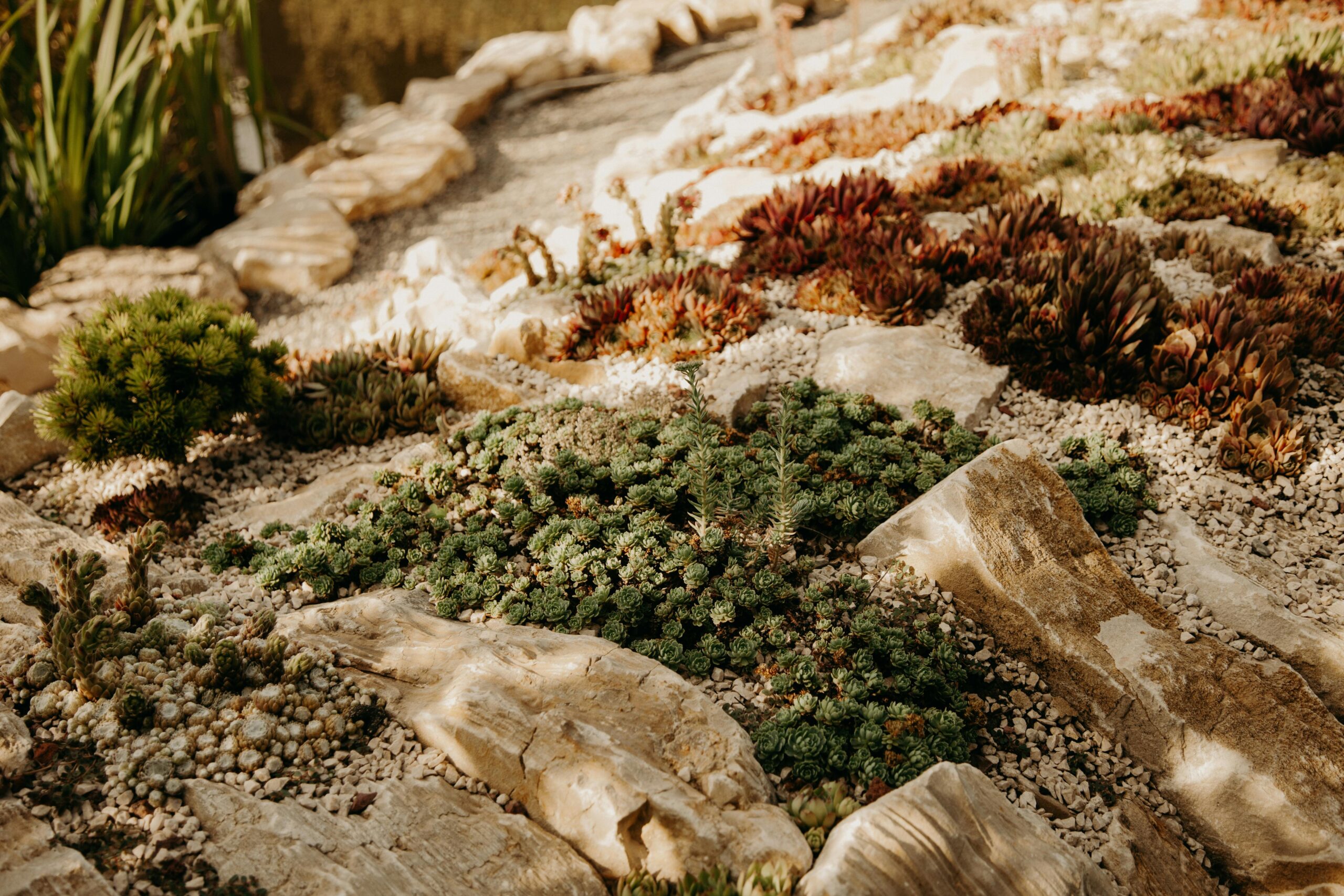
Incorporating hardscape elements like decorative rocks, artistic sculptures, and architectural features enhances drought-resistant gardens while requiring zero water. These permanent installations provide year-round structure and interest that complements seasonal plant displays.
Managing Social and Regulatory Pressures
Homeowners associations and local ordinances sometimes restrict landscape choices, creating barriers to drought-resistant garden implementation. Educating decision-makers about water conservation benefits, environmental advantages, and design possibilities often opens pathways for approval. Presenting professional landscape plans and sharing successful examples from similar communities demonstrates viability and attractiveness.
Some regions now offer incentives, rebates, and technical assistance for converting to drought-resistant landscapes. Researching available programs provides financial support and expert guidance that facilitates transitions while building community momentum toward water conservation.
✨ Future-Proofing Gardens Against Climate Uncertainty
Climate variability and changing precipitation patterns make drought-resistant landscaping increasingly relevant across diverse regions. Gardens designed for water scarcity inherently possess resilience against weather extremes, adapting more successfully to unpredictable conditions than landscapes dependent on consistent moisture.
Selecting plants from multiple geographic origins with similar climate characteristics increases diversity and reduces vulnerability to specific pests or diseases. This strategy, inspired by ecological principles, creates layered redundancy that ensures landscape persistence despite environmental stresses.
Continued observation, adjustment, and learning allow drought-resistant gardens to evolve with changing conditions. Viewing landscape development as an ongoing process rather than a completed project embraces adaptability as a core principle, ensuring gardens remain beautiful, functional, and sustainable regardless of future challenges.
Thriving through dry times becomes achievable when we align gardening practices with natural water cycles, select appropriate plants, and implement strategies that maximize efficiency. Drought-resistant landscapes represent not just adaptation to scarcity, but celebration of plants that flourish when given conditions matching their evolutionary heritage. These resilient gardens offer beauty, habitat, and sustainability while conserving precious water resources for essential uses and future generations.