Climate change is reshaping our gardens, forcing us to rethink traditional landscaping approaches and embrace plants that thrive despite water scarcity.

🌵 Understanding the New Normal: Why Drought-Resistant Gardening Matters
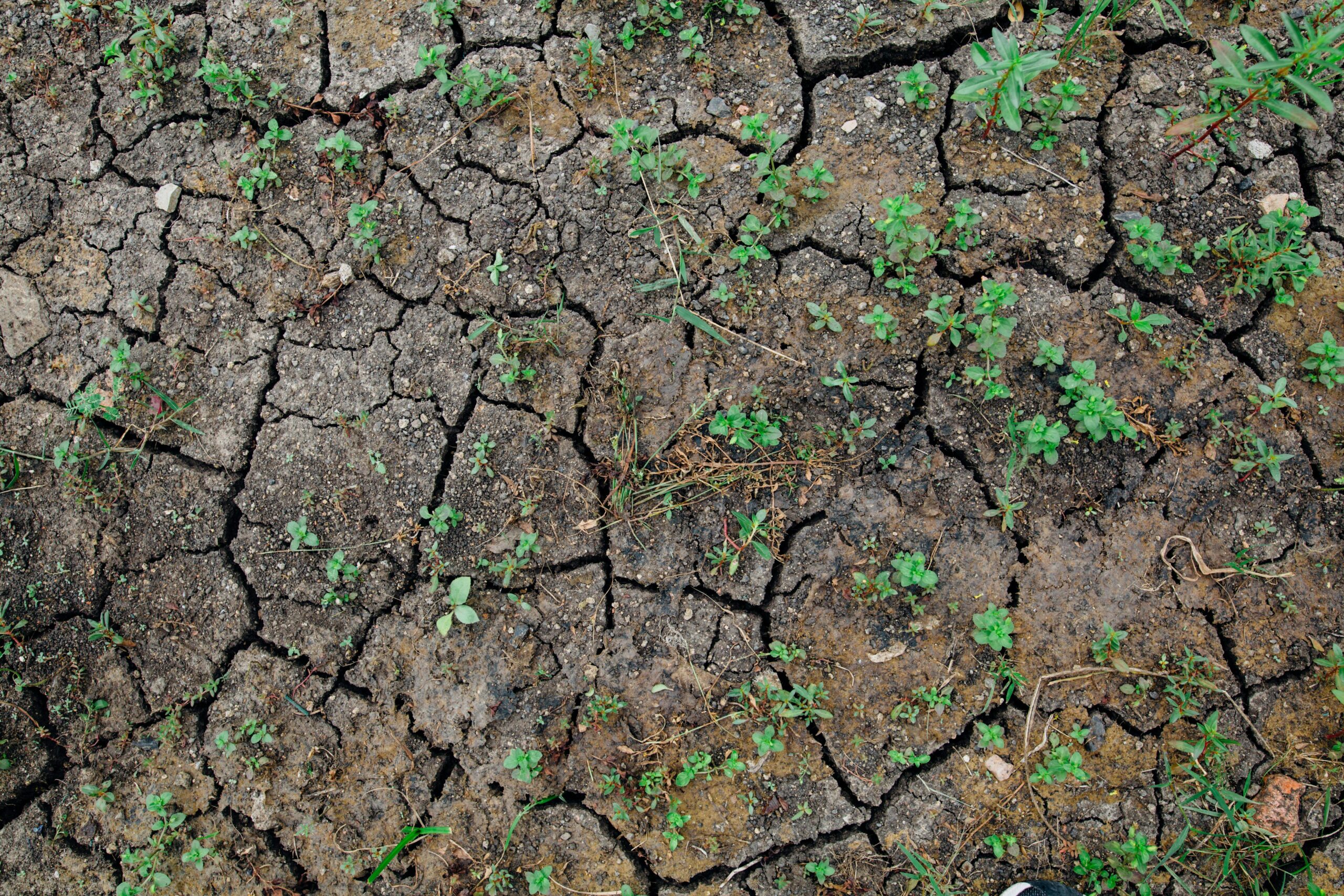
The frequency and intensity of heatwaves have dramatically increased over the past decade, transforming once-lush landscapes into barren, thirsty expanses. As water becomes an increasingly precious resource, homeowners, landscapers, and urban planners face a critical question: how can we maintain beautiful outdoor spaces while conserving water and adapting to our changing climate?
Drought-resistant gardening isn’t just an environmental statement—it’s a practical necessity. Traditional lawns and water-hungry ornamentals are becoming unsustainable in many regions, with some municipalities implementing strict watering restrictions or even offering financial incentives to replace thirsty turf with drought-tolerant alternatives. The transition to resilient plantings not only reduces water consumption by up to 75% but also decreases maintenance costs, eliminates the need for constant irrigation, and creates habitats for native pollinators.
Beyond practical benefits, drought-resistant landscapes offer unexpected aesthetic advantages. These gardens showcase unique textures, striking architectural forms, and surprising color palettes that challenge conventional notions of beauty. Silver-leaved plants shimmer in sunlight, while succulents provide sculptural interest year-round, proving that water-wise doesn’t mean beauty-compromised.
The Science Behind Plant Resilience: What Makes Some Plants Drought Champions
Not all plants respond to water stress equally. Understanding the physiological adaptations that enable certain species to survive extended dry periods helps gardeners make informed choices. Drought-resistant plants typically employ several survival strategies that set them apart from their water-dependent cousins.

Xerophytic plants—those specially adapted to dry conditions—have evolved remarkable mechanisms. Many feature reduced leaf surface area to minimize transpiration, the process by which plants lose water through their leaves. Others develop thick, waxy coatings called cuticles that seal in moisture, while some species have extensive root systems that reach deep underground water reserves or spread widely to capture every available drop.
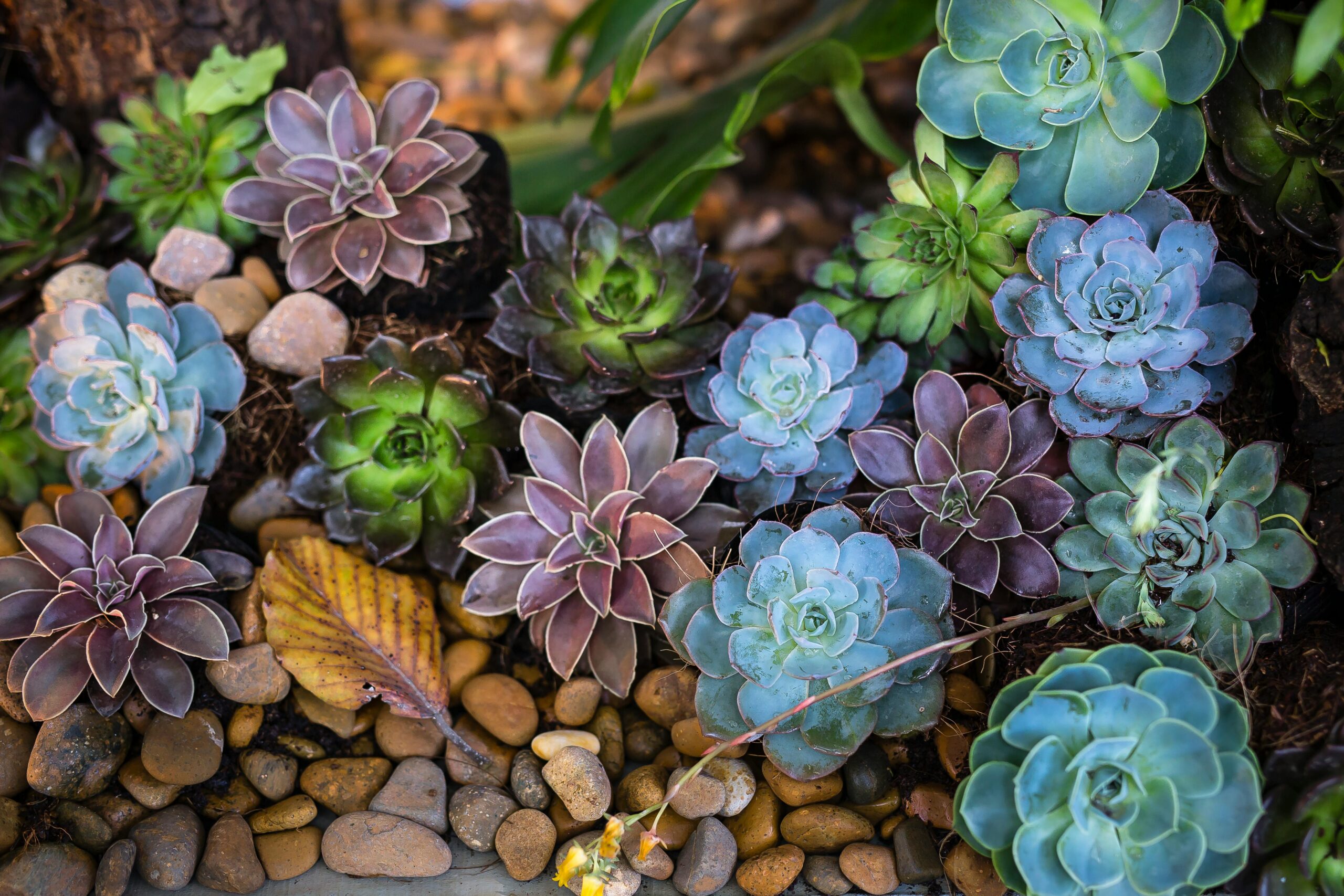
Succulents represent perhaps the most recognizable drought adaptation: water storage. These plants stock moisture in specialized tissues within their leaves, stems, or roots, creating living reservoirs that sustain them through prolonged droughts. CAM photosynthesis—a special metabolic pathway—allows them to open their stomata at night rather than during the day, dramatically reducing water loss.
🔬 Key Adaptive Features to Look For
- Silver or gray foliage: Reflective leaf surfaces deflect intense sunlight and reduce heat absorption
- Small, needle-like leaves: Minimize surface area exposed to drying winds and hot sun
- Thick, fleshy leaves: Indicate water storage capacity within plant tissues
- Deep or extensive root systems: Access water sources unavailable to shallow-rooted plants
- Dormancy capabilities: Ability to shut down during extreme stress and revive when conditions improve
- Hairy or fuzzy leaves: Create a protective layer that traps humidity near the leaf surface
Top Performers: Resilient Trees for Drought-Stricken Landscapes
Trees anchor any landscape design, providing shade, structure, and habitat value. Selecting drought-resistant species ensures your investment survives and thrives despite water scarcity. These champions combine toughness with beauty, creating focal points that endure season after season.
The Desert Willow (Chilopsis linearis) defies its common name, thriving in hot, dry conditions while producing stunning orchid-like flowers from spring through fall. This small tree reaches 15-30 feet tall and tolerates extreme heat, poor soil, and extended drought once established. Its airy canopy casts dappled shade without creating oppressive darkness below.
Mediterranean natives like the Olive Tree (Olea europaea) have sustained civilizations for millennia precisely because of their drought tolerance. These evergreen trees offer silvery foliage, gnarled trunks with character, and edible fruits in favorable conditions. They handle heat, wind, and poor soil with grace, requiring minimal water once their roots establish.
For larger properties, the Afghan Pine (Pinus eldarica) provides fast-growing evergreen screening that tolerates alkaline soils, heat, and drought. The Chaste Tree (Vitex agnus-castus) rewards gardeners with fragrant lavender-blue flower spikes throughout summer, all while demanding little water. The Texas Mountain Laurel (Sophora secundiflora) offers evergreen foliage and grape-scented purple blooms that perfume spring gardens.
Shrubs That Stand Strong: Building the Backbone of Drought Gardens 🌿
Shrubs form the structural middle layer of landscapes, bridging the gap between trees and ground covers. Drought-resistant varieties provide mass, texture, and seasonal interest without constant irrigation demands.
Rosemary (Rosmarinus officinalis) delivers triple value: drought tolerance, culinary usefulness, and aromatic foliage that releases fragrance with the slightest touch. This Mediterranean native comes in upright and prostrate forms, handling full sun, poor soil, and neglect with equal aplomb. Its blue flowers attract pollinators while its evergreen needles provide year-round structure.
Rockrose (Cistus species) produces paper-thin flowers in white, pink, or magenta throughout late spring, covering plants in ephemeral blooms that last just a day but appear in continuous succession. These shrubs thrive in hot, dry conditions, requiring no supplemental water once established. Their resinous foliage resists deer browsing and adds aromatic interest to the garden.
Native to American deserts, Red Yucca (Hesperaloe parviflora) isn’t actually a yucca but shares similar toughness. Its grass-like leaves form architectural clumps topped by tall stalks of coral-pink tubular flowers that hummingbirds adore. This plant tolerates extreme heat, cold, drought, and poor soil—a true survivor that looks exotic despite minimal care requirements.
Additional Shrub Champions Worth Considering
- Lavender (Lavandula species): Fragrant, pollinator-friendly, and quintessentially Mediterranean
- Sage (Salvia species): Hundreds of varieties offering diverse colors and forms
- Texas Ranger (Leucophyllum frutescens): Silver foliage erupts with purple flowers after summer rains
- Manzanita (Arctostaphylos species): Sculptural branches, evergreen leaves, and spring flowers
- Bush Germander (Teucrium fruticans): Silver-gray foliage with lavender-blue flowers
Ground Covers and Perennials: Carpeting the Earth with Resilience
The lowest layer of drought-resistant landscapes features tough ground covers and perennials that suppress weeds, retain soil moisture, and provide seasonal color without demanding irrigation systems.
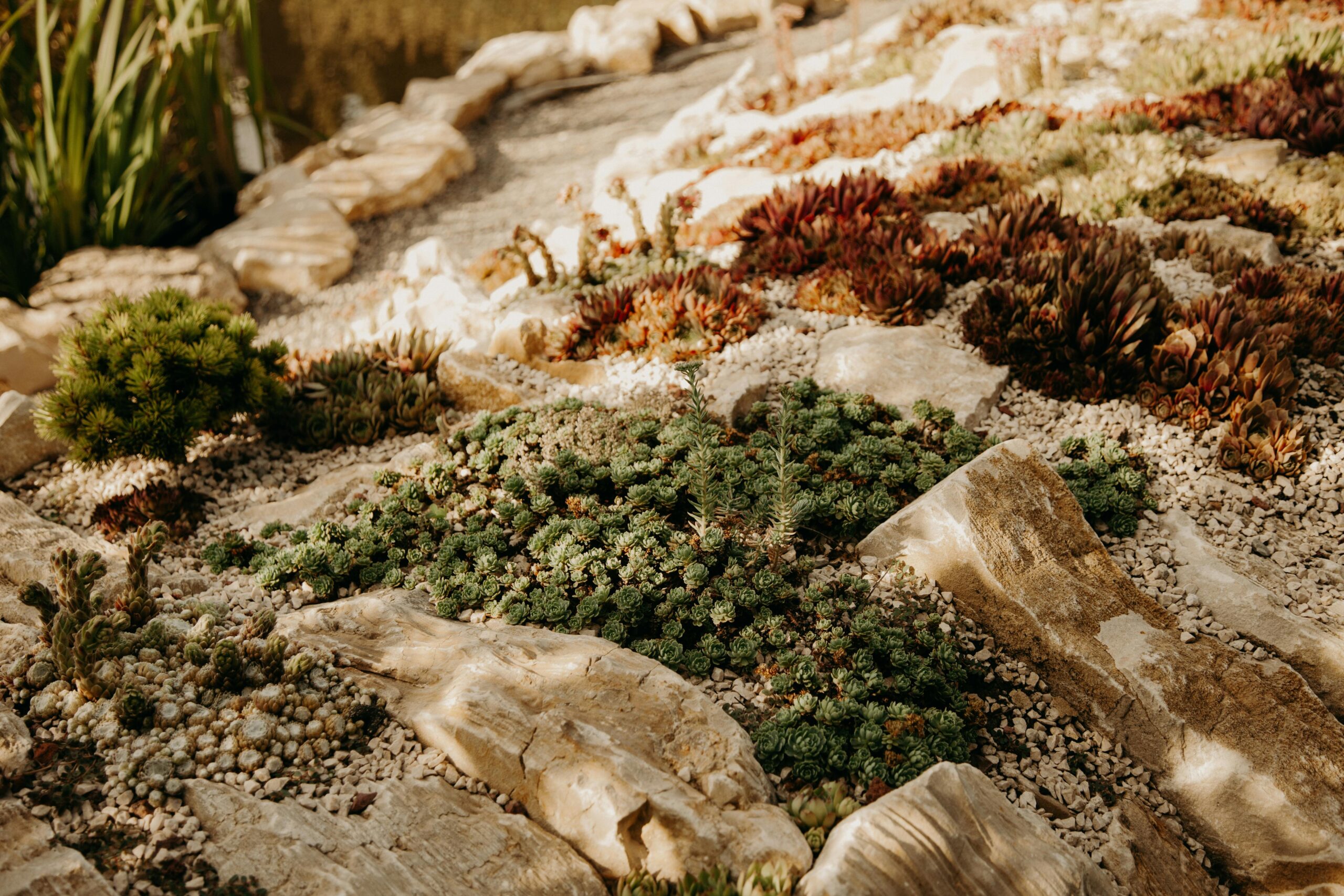
Sedums represent perhaps the most diverse group of drought-tolerant ground covers, ranging from tiny creeping types to substantial upright varieties. Their succulent leaves store water efficiently, while their ability to grow in shallow soil makes them perfect for rock gardens, green roofs, and challenging slopes. Autumn Joy Sedum transforms from pink buds to copper flowers to russet seed heads, providing nearly year-round interest.
Yarrow (Achillea species) combines ferny foliage with flat-topped flower clusters in white, yellow, pink, or red. This tough perennial spreads to form substantial colonies, handles foot traffic reasonably well, and attracts beneficial insects. Once established, it survives on rainfall alone in many climates, blooming prolifically throughout summer despite water stress.
For shaded dry areas—those challenging spots under trees or beside buildings—Epimedium species provide elegant solutions. These shade-tolerant perennials feature heart-shaped leaves and delicate spring flowers, thriving in conditions that defeat most plants: dry shade with root competition.
Creating Living Tapestries: Combining Plants for Maximum Impact 🎨
Successful drought-resistant landscapes aren’t simply collections of tough plants—they’re carefully orchestrated combinations that create visual harmony while supporting ecosystem health. Strategic plant placement maximizes water efficiency while minimizing maintenance demands.
The concept of hydrozoning groups plants with similar water needs together, allowing targeted irrigation (when necessary) rather than blanket watering. Place the most drought-tolerant species in the hottest, driest locations—south-facing slopes, reflective areas near pavement, and exposed hilltops. Reserve slightly more water-demanding plants for naturally moister locations like swales, north-facing aspects, and areas protected from drying winds.
Layering creates depth and interest while improving microclimate conditions. Taller plants provide shade that reduces soil temperatures and water evaporation, creating more favorable conditions for understory plants. This natural stratification mimics wild plant communities where vegetation layers moderate extremes and create diverse habitats.
Color theory applied to drought landscapes yields stunning results. Silver and gray foliage plants like artemisia, sage, and lamb’s ears create cooling visual effects while their reflective surfaces actually reduce heat absorption. Purple and blue flowers from salvias, lavenders, and catmints provide contrast without demanding additional water. Hot-colored blooms from penstemons, California poppies, and blanket flowers echo the intense sunshine these plants thrive under.
Soil Preparation: The Foundation of Drought Resilience
Even the most drought-tolerant plants struggle in poorly prepared soil. Proper foundation work ensures plants establish robust root systems capable of accessing available moisture and withstanding stress periods.
Contrary to intuition, most drought-resistant plants don’t need rich, fertile soil—they actually prefer lean conditions. Excessive fertility, particularly nitrogen, promotes soft, succulent growth that requires more water and proves less hardy. Instead, focus on improving soil structure and drainage, which allows roots to penetrate deeply and prevents waterlogging during occasional heavy rains.
Incorporating organic matter improves water-holding capacity in sandy soils while enhancing drainage in clay soils—beneficial in both extremes. Compost, aged manure, or leaf mold worked into the planting area helps young plants establish without creating dependency on constant irrigation. However, avoid excessive amendments that create too great a contrast between amended planting holes and surrounding native soil, which can cause roots to circle rather than venture outward.
Soil Amendment Guidelines
| Soil Type | Primary Challenge | Recommended Amendment | Application Rate |
|---|---|---|---|
| Heavy Clay | Poor drainage, compaction | Coarse compost, pumice | 3-4 inches tilled in |
| Sandy | Low water retention | Compost, aged manure | 2-3 inches tilled in |
| Rocky | Shallow depth, low nutrients | Compost in pockets | As needed for planting |
| Caliche/Hardpan | Impenetrable layer | Break through, add gypsum | Physical removal required |
Mulching Strategies: Protecting Soil and Conserving Precious Water 💧
Mulch represents one of the most effective water conservation strategies available to gardeners. A proper mulch layer reduces evaporation, moderates soil temperatures, suppresses weeds that compete for moisture, and gradually improves soil structure as organic mulches decompose.
Organic mulches like shredded bark, wood chips, or compost provide multiple benefits beyond water conservation. As they break down, they feed soil organisms that improve structure and nutrient availability. Apply organic mulches 3-4 inches deep, keeping material away from plant crowns to prevent rot. Replenish annually as decomposition occurs.
Inorganic mulches like gravel, decomposed granite, or crushed rock suit drought gardens aesthetically and functionally. These materials don’t decompose, so they require less frequent replenishment. They also reflect heat and light, which can benefit heat-loving plants. However, they don’t improve soil structure and can make future planting more difficult.
The critical zone around newly planted specimens deserves special attention. A generous mulch ring extending at least twice the plant’s canopy width conserves moisture during the crucial establishment period. As plants mature and their drought tolerance increases, this intensive mulching can be reduced or integrated into broader landscape mulching.
Watering Wisdom: Establishing Plants for Long-Term Independence
Even drought-resistant plants need water during establishment—typically the first one to three growing seasons. Strategic watering during this period develops deep, extensive root systems that enable future drought survival.
The principle of “deep and infrequent” watering encourages roots to grow downward seeking moisture rather than remaining shallow where they’re vulnerable to surface drying. Instead of frequent light sprinklings, provide thorough soakings that penetrate 12-18 inches deep, then allow soil to dry before watering again. This cycle might mean watering every 7-14 days rather than daily.
Drip irrigation or soaker hoses deliver water directly to root zones without waste from evaporation or runoff. These systems apply water slowly, allowing soil absorption rather than creating runoff. Installing drip irrigation on timers automates the establishment process, though monitoring remains essential as weather and seasonal needs change.
Gradually reducing irrigation frequency over the establishment period “trains” plants to become increasingly self-sufficient. During the first season, water weekly. The second season, extend to every two weeks. By the third year, most drought-resistant species survive on rainfall alone in appropriate climates, requiring supplemental water only during extreme drought.
Seasonal Strategies: Working with Nature’s Rhythms 🌤️
Timing planting and maintenance activities with seasonal patterns dramatically improves success rates while reducing resource inputs. Understanding natural cycles allows gardeners to work with nature rather than against it.
Fall planting provides optimal establishment conditions in many climates. Cooler temperatures reduce transplant stress, while autumn and winter rainfall help roots establish before summer heat arrives. Spring-planted specimens often struggle through their first summer, requiring intensive irrigation to survive, while fall-planted counterparts develop robust root systems during mild months and face summer heat as established plants.
Spring cleanup in drought gardens differs from traditional landscapes. Instead of removing all dead material, consider leaving seed heads that feed birds and dried foliage that protects crowns. Many drought-resistant perennials appreciate this natural mulch that moderates soil temperatures and conserves moisture. Delay cutting back until new growth emerges, revealing what’s truly dead versus merely dormant.
Summer maintenance focuses on monitoring rather than intervening. Check plants for stress signals like wilting, leaf drop, or color changes that indicate problems beyond normal drought tolerance. However, distinguish between temporary wilting during peak heat (often recovered by evening) and sustained stress requiring intervention. Most established drought-resistant plants naturally slow growth during extreme heat—this dormancy is protective, not problematic.
Beyond Survival: Creating Thriving Ecosystems in Challenging Conditions
The ultimate goal of drought-resistant landscaping extends beyond merely keeping plants alive—it’s about creating vibrant, biodiverse ecosystems that support wildlife, improve environmental conditions, and provide beauty throughout the year.
Native plants offer particular advantages in drought-stricken landscapes. Evolved alongside local wildlife, they provide food and habitat for native birds, butterflies, and beneficial insects. Their adaptation to regional climate patterns, including drought cycles, means they’re genetically programmed to survive local extremes. Native plant communities also resist pest and disease problems better than non-adapted species, reducing the need for interventions.
Pollinator support becomes increasingly critical as habitat loss and climate change stress insect populations. Drought-resistant gardens featuring salvias, penstemons, buckwheats, and native milkweeds provide nectar and pollen sources when other landscapes offer little. These gardens become refuge corridors where pollinators find sustenance despite surrounding challenges.
Water harvesting techniques integrated into drought landscapes capture and utilize every available drop. Rain gardens positioned to receive roof runoff create temporary pools that support slightly less drought-tolerant plants while recharging groundwater. Berms and swales direct water to planted areas rather than allowing it to run off unused. These features transform liability into asset, making occasional rainfall events more valuable.
Embracing Beauty in Arid Aesthetics: Redefining Garden Success 🌺
Perhaps the most significant shift required for successful drought gardening is aesthetic—moving beyond traditional green lawn expectations toward appreciation of textures, forms, and seasonal changes that define water-wise landscapes.
The architectural qualities of drought-resistant plants offer unexpected design opportunities. Agaves and yuccas provide dramatic sculptural accents, their geometric forms creating focal points that command attention. Ornamental grasses like blue fescue or Mexican feather grass add movement and sound as breezes ripple through their blades. These plants offer beauty through structure rather than fleeting flowers.
Seasonal dormancy becomes a design feature rather than a failure when properly embraced. The golden tones of dormant grasses provide warm color during winter months. Seed heads left standing create architectural interest and catch snow or frost for magical effects. Understanding that many drought-resistant plants naturally look their worst in late summer—during peak stress—helps gardeners appreciate their spring and fall glory without judging harshly during challenging periods.
Color palettes in drought gardens often favor silvers, blues, purples, and warm earth tones over bright greens. This sophisticated palette creates cohesive designs that feel intentional rather than resigned. Silver artemisia, blue-gray succulents, purple salvias, and russet-toned sedums combine beautifully, proving that limited water doesn’t mean limited beauty.
The future of gardening lies not in fighting climate reality but in adapting intelligently to changing conditions. Drought-resistant landscaping represents more than compromise—it offers opportunity to create resilient, beautiful outdoor spaces that thrive despite water scarcity. By selecting plants evolved for arid conditions, preparing soil properly, employing smart watering strategies, and embracing new aesthetics, gardeners transform challenging conditions into showcases of sustainable beauty. These landscapes don’t just survive heatwaves; they flourish, demonstrating that adaptation and beauty walk hand in hand toward a more sustainable future.