Xeriscape design proves that water-wise landscaping doesn’t mean sacrificing beauty. Creating a luxurious outdoor sanctuary while conserving precious resources is entirely achievable with thoughtful planning.

🌵 Understanding the Art of Luxurious Xeriscaping
The term “xeriscape” often conjures images of stark desert landscapes filled with nothing but rocks and cacti. However, this misconception couldn’t be further from reality. Modern xeriscaping represents a sophisticated approach to landscape design that prioritizes water conservation while creating visually stunning outdoor spaces that rival traditional water-intensive gardens.
Derived from the Greek word “xeros” meaning dry, xeriscaping emerged in the 1980s as a response to drought conditions and growing environmental awareness. Today, it has evolved into an art form that combines ecological responsibility with aesthetic excellence. The philosophy centers on working with nature rather than against it, selecting plants adapted to local conditions and designing landscapes that thrive with minimal supplemental irrigation.
A luxe xeriscape oasis balances multiple elements: texture, color, form, and seasonal interest. These gardens incorporate diverse plant palettes, strategic hardscaping, thoughtful water features, and sophisticated design principles that create depth and visual intrigue throughout the year.
The Seven Foundational Principles of Premium Xeriscape Design
Creating a high-end xeriscape requires understanding and implementing seven core principles that distinguish exceptional water-wise landscapes from mediocre attempts. These guidelines form the blueprint for sustainable beauty that endures through seasons and climate challenges.
Strategic Planning and Design Excellence
Every remarkable landscape begins with comprehensive planning. Assess your property’s unique characteristics including sun exposure, soil composition, drainage patterns, and microclimates. Consider how you’ll use different zones—entertaining areas, private retreats, visual focal points, and transitional spaces. Sketch preliminary designs that incorporate circulation patterns, sight lines, and functional requirements alongside aesthetic aspirations.
Professional xeriscape designers often create detailed site analyses before selecting a single plant. They map existing vegetation, identify areas prone to heat accumulation or frost pockets, and note where water naturally collects or runs off. This foundational knowledge informs every subsequent decision and prevents costly mistakes.
Soil Enhancement for Optimal Plant Performance
Healthy soil forms the foundation of any thriving xeriscape. While drought-tolerant plants adapt to challenging conditions, they perform exponentially better in well-structured soil with proper drainage and adequate organic matter. Invest time in soil improvement before planting to ensure long-term success and reduced maintenance needs.
Amend clay soils with compost, pumice, or decomposed granite to improve drainage and prevent root rot. Sandy soils benefit from organic matter that increases water retention and nutrient availability. Target a soil pH appropriate for your selected plants, typically between 6.0 and 7.5 for most xeriscape species. Deep soil preparation—working amendments into the top 12 to 18 inches—encourages robust root development that helps plants access moisture during dry periods.
Practical Turf Reduction Strategies
Traditional lawns consume approximately 50% of residential water usage in many regions. Reducing or eliminating turf grass represents the single most impactful water-saving strategy in xeriscape design. However, luxurious xeriscapes don’t simply remove grass—they replace it with compelling alternatives that enhance visual appeal and functionality.
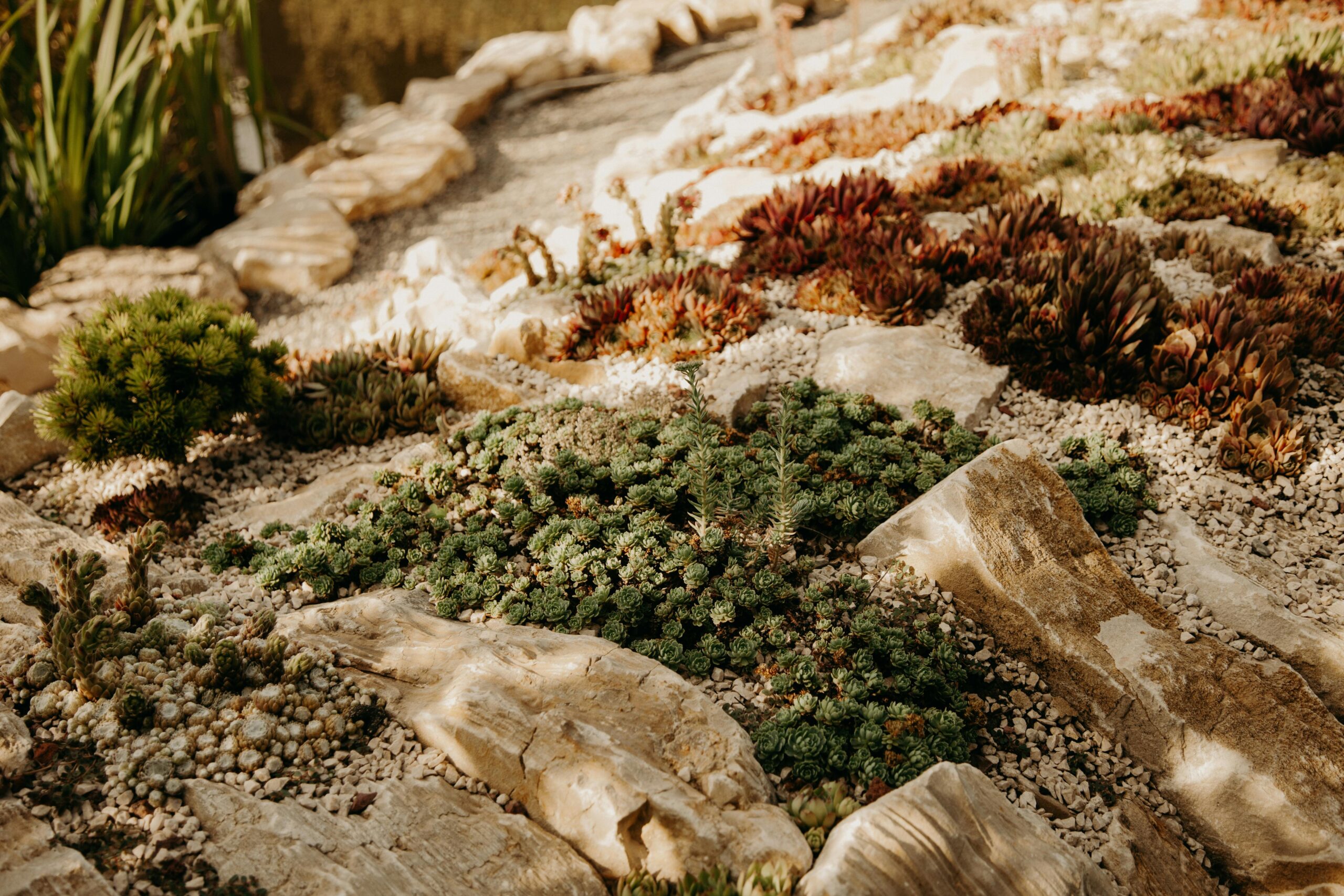
Consider which lawn areas actually receive use. High-traffic zones might benefit from permeable pavers, decomposed granite pathways, or durable groundcovers. Ornamental areas transition beautifully to artfully arranged succulent gardens, flowing ornamental grasses, or tapestries of flowering perennials. Reserve small sections of drought-tolerant grass varieties for active play areas or pet spaces where soft surfaces remain desirable.
🎨 Crafting Visual Drama with Water-Wise Plants
The plant palette distinguishes extraordinary xeriscapes from ordinary ones. Luxury water-wise gardens showcase sophisticated plant combinations that deliver year-round interest through varied textures, complementary colors, architectural forms, and seasonal transformations. Moving beyond basic cacti and agaves, explore the remarkable diversity available within drought-adapted species.
Layering Textures for Dimensional Beauty
Texture creates visual richness and tactile interest in xeriscapes. Combine plants with contrasting leaf sizes, shapes, and surface qualities to build complexity. Pair fine-textured ornamental grasses like Mexican feather grass with bold, sculptural agaves. Juxtapose the soft, silvery foliage of lamb’s ears against the architectural presence of yuccas or the spiky drama of red yucca blooms.
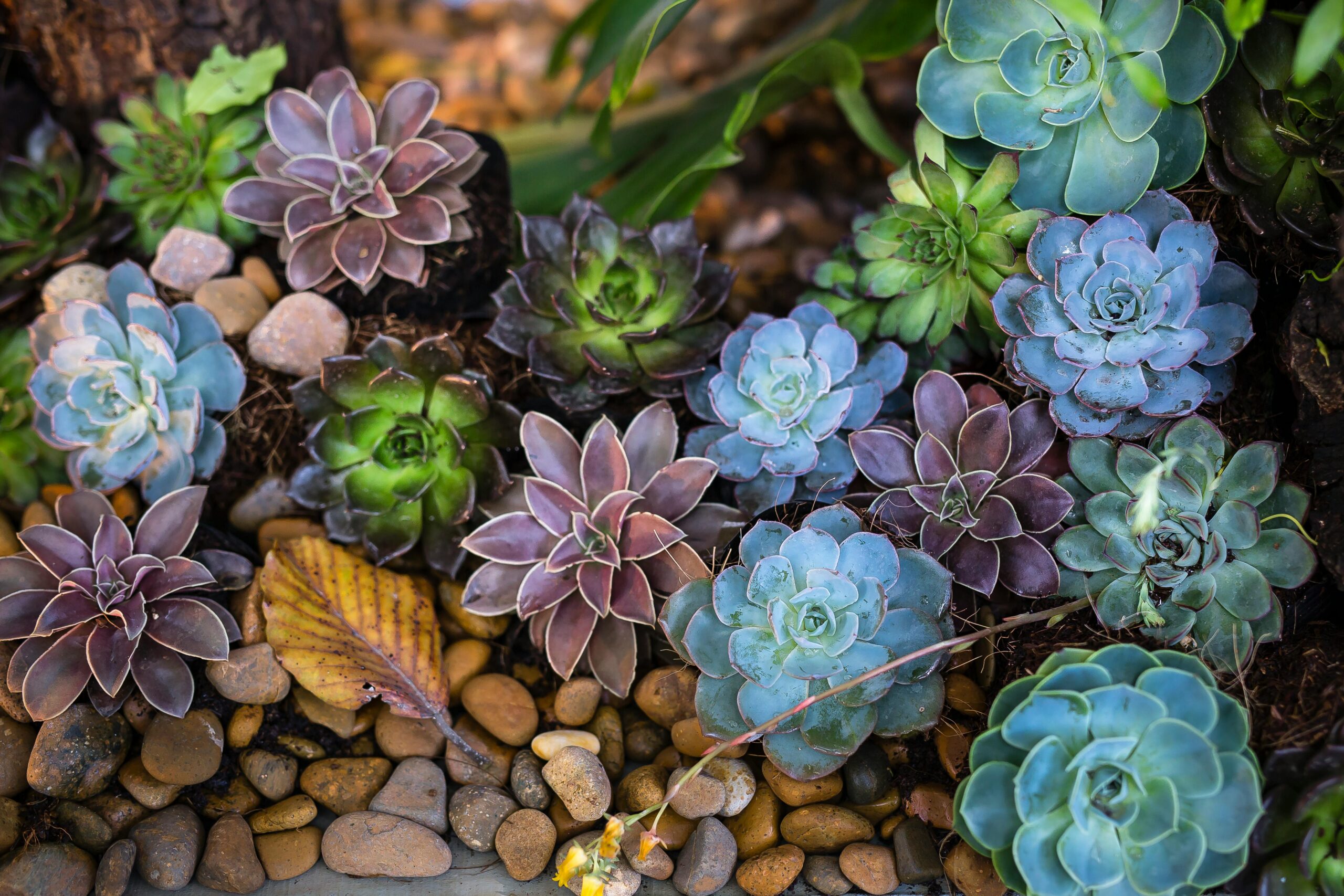
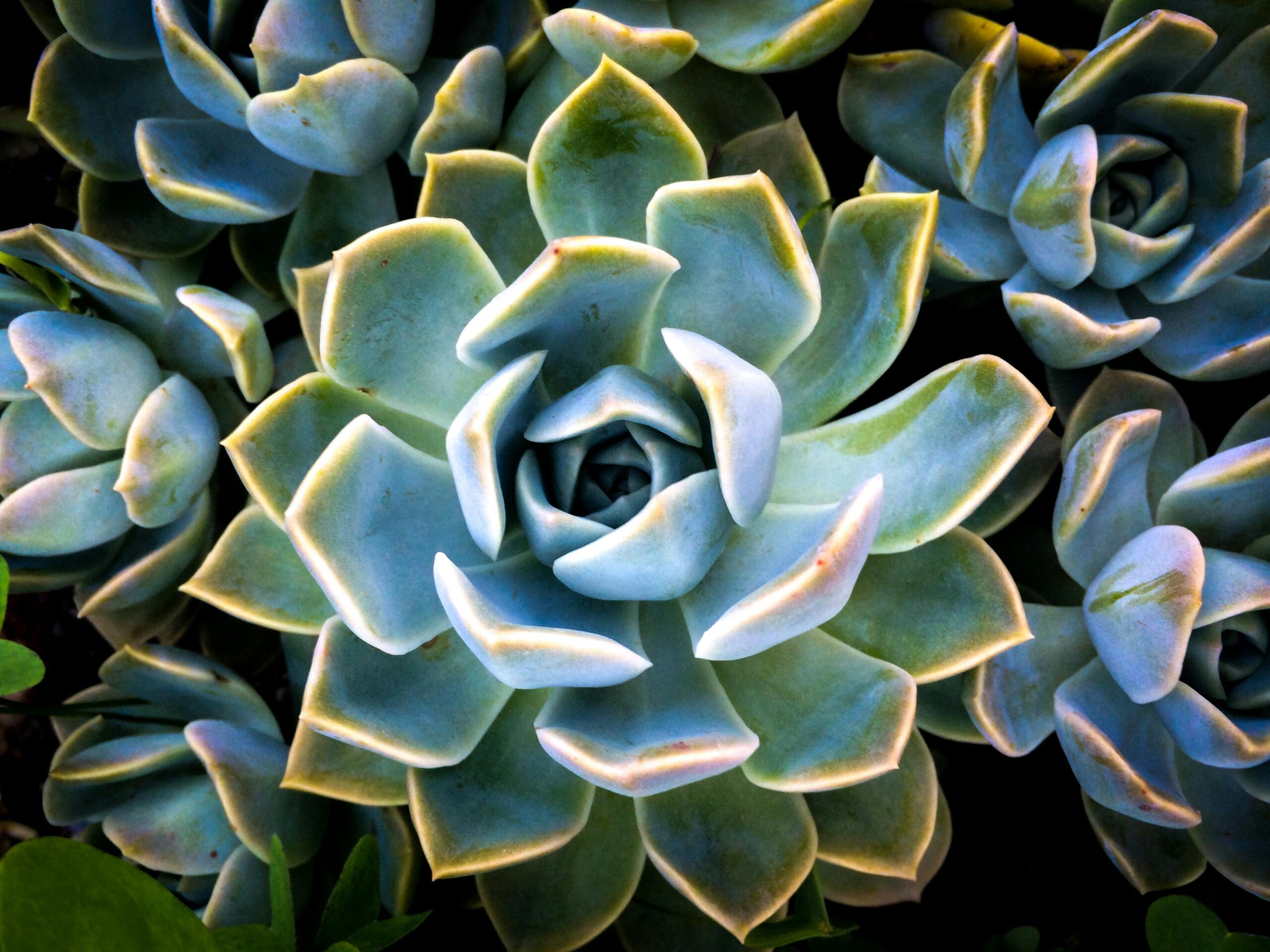
Incorporate plants with interesting bark textures such as paperbark maple or crape myrtle. Add ornamental grasses that catch light and movement, creating dynamic elements that shift throughout the day. Include succulents with diverse forms—rosettes, cascading varieties, columnar specimens—to build three-dimensional interest at ground level.
Orchestrating Color Across Seasons
Strategic color planning ensures your xeriscape oasis remains visually compelling through all seasons. Design with bloom sequences that carry color from spring through fall. Many drought-tolerant perennials offer extended flowering periods that surpass water-hungry alternatives.
Spring might feature penstemon, desert marigold, and California poppies in vibrant oranges, pinks, and golds. Summer showcases the architectural blooms of agaves, the coral flowers of hummingbird trumpet, and the purple spikes of salvia. Autumn brings ornamental grasses into prominence with tawny seed heads catching late afternoon light, while asters and chrysanthemums provide final color flourishes. Winter interest comes from evergreen structure, colorful bark, persistent seed heads, and carefully selected plants like winter jasmine or hellebores that bloom during cold months.
Selecting Signature Specimens
Every luxurious landscape needs focal point plants that command attention and establish character. In xeriscapes, these specimens often possess dramatic architectural qualities that create instant impact. Consider mature agaves, sculptural cacti, multi-trunk desert willows, or striking Joshua trees depending on your climate zone.
Position signature plants where they’ll be viewed from key vantage points—framing entryways, anchoring seating areas, or creating visual destinations that draw the eye through the landscape. Repeat complementary but not identical specimens to establish rhythm without monotony. Underplant dramatic focal points with lower-growing companions that enhance rather than compete with the star performer.
Hardscaping Elements That Define Luxury
In water-wise landscapes, hardscaping assumes greater prominence than in traditional gardens. These permanent elements provide structure, define spaces, create usable surfaces, and contribute significantly to the overall aesthetic. Premium materials and thoughtful execution distinguish high-end xeriscapes from budget approaches.
Natural Stone and Sophisticated Pathways
Pathways guide movement and create visual flow through xeriscape gardens. Select materials that complement your home’s architecture and the landscape’s overall design language. Flagstone set in decomposed granite offers a naturalistic elegance, while precisely cut bluestone creates formal sophistication. Permeable pavers in contemporary patterns suit modern designs, allowing rainfall to infiltrate soil rather than running off.
Vary pathway widths to create interest and accommodate different functions. Main circulation routes might span four to five feet, inviting two people to walk comfortably side by side, while secondary paths narrow to 24 to 30 inches, creating more intimate exploration experiences. Edge pathways with low plantings, decorative boulders, or metal edging that provides crisp definition.
Strategic Boulder Placement and Rock Features
Rocks and boulders serve multiple functions in xeriscapes: they anchor planting compositions, create microclimates, provide thermal mass, prevent erosion, and add sculptural beauty. Selection and placement require artistry to avoid the dreaded “rock pile” appearance.
Choose boulders indigenous to your region for authenticity and visual harmony. Bury at least one-third of each boulder to create the impression of natural geological formations rather than rocks dropped randomly on the surface. Group odd numbers of varied sizes, positioning them to appear as outcroppings. Use rocks to create subtle grade changes, define planted areas, and provide visual weight that balances tall plantings.
Water Features That Maximize Impact While Minimizing Waste
Water features might seem contradictory in xeriscapes, but thoughtfully designed elements add sensory richness without significant water consumption. Recirculating fountains, bubbling rock features, and narrow rills use surprisingly little water while delivering the soothing sounds and reflective qualities that elevate outdoor spaces into true oases.
Modern fountain designs range from sleek geometric styles suited to contemporary settings to naturalistic installations that mimic springs emerging from rock formations. Self-contained units minimize water loss and maintenance requirements. Position water features near seating areas where their calming effects can be fully appreciated, and consider LED lighting to extend their impact into evening hours.
💧 Intelligent Irrigation Systems for Efficient Water Delivery
Even drought-tolerant landscapes require irrigation, particularly during establishment periods and in regions with extended dry seasons. The difference lies in delivering water precisely where and when needed, eliminating the waste inherent in conventional sprinkler systems that spray water indiscriminately across entire landscapes.
Drip Irrigation Technology
Drip irrigation represents the gold standard for xeriscape watering. These systems deliver water directly to root zones through networks of tubing fitted with emitters that release controlled amounts of water. Efficiency rates reach 90% or higher compared to 50-70% for traditional sprinklers, translating to substantial water savings and healthier plants.
Design drip systems with zones that group plants according to water requirements. Desert-adapted succulents receive minimal supplemental irrigation, while flowering perennials might need moderate watering during peak bloom periods. Adjust emitter flow rates to match plant sizes and soil types—faster-draining sandy soils benefit from higher flow rates over shorter durations, while clay soils need slower application to prevent runoff.
Smart Controllers and Weather-Based Scheduling
Technology transforms irrigation management from guesswork into precision. Smart controllers equipped with weather sensors automatically adjust watering schedules based on rainfall, temperature, humidity, and seasonal changes. These devices reduce water consumption by 30-50% compared to conventional timers while maintaining optimal plant health.
Program controllers for early morning irrigation when evaporation rates remain minimal and water pressure stays consistent. Implement seasonal adjustments that reduce frequency as plants mature and root systems expand. Many smart controllers offer smartphone integration, allowing remote monitoring and adjustments from anywhere—particularly valuable during travel or unexpected weather events.
✨ Design Techniques That Create Resort-Quality Ambiance
Transforming functional xeriscapes into luxurious outdoor retreats requires attention to design details that engage all senses and create emotional connections with outdoor spaces. These elements distinguish professionally designed landscapes from simple plant collections.
Outdoor Living Integration
Contemporary xeriscape design seamlessly integrates outdoor living areas into the planted landscape. Define entertaining zones with natural stone patios, install fire features that extend usability into cooler months, and create shaded structures using drought-tolerant vines on pergolas or ramadas. Select outdoor furniture in materials that complement the landscape’s aesthetic—weathered teak, powder-coated metal, or natural wicker depending on your design style.
Position seating areas to capture favorable views, cooling breezes, and interesting light conditions. Create privacy through strategic plant placement rather than solid walls, using tall ornamental grasses, screen plantings of drought-tolerant shrubs, or espaliered trees that provide enclosure without blocking airflow. Incorporate multiple gathering zones scaled for different group sizes and activities—intimate conversation nooks, dining areas, and open spaces for larger gatherings.
Lighting Design That Extends Garden Enjoyment
Sophisticated landscape lighting transforms xeriscapes after dark, highlighting architectural plants, illuminating pathways for safety, and creating dramatic effects that showcase the garden’s structure. LED technology provides energy efficiency and long lifespans while offering flexibility in color temperature and intensity.
Uplighting emphasizes the sculptural qualities of agaves, cacti, and specimen trees. Path lights ensure safe navigation while defining circulation routes. Downlighting from trees creates natural moonlight effects and highlights groundcovers below. Accent lighting draws attention to water features, boulders, or artworks integrated into the landscape. Layer lighting at multiple heights and intensities to build depth and avoid harsh, flat illumination.
Art and Ornamental Elements
Carefully selected art pieces and ornamental features personalize xeriscapes and provide focal points during seasons when flowering plants rest. Contemporary metal sculptures complement modern designs, while naturalistic stone carvings suit traditional aesthetics. Ceramic vessels in colors that echo plant palettes add visual weight and textural interest.
Position art where it creates visual destinations or punctuates key sight lines. Ensure scale remains appropriate—oversized pieces overwhelm small spaces while diminutive objects disappear in expansive landscapes. Consider how art interacts with surrounding plantings across seasons, and select materials that weather gracefully in your climate.
🌱 Maintenance Practices for Enduring Beauty
The promise of low-maintenance landscapes attracts many to xeriscaping, but “low” doesn’t mean “no” maintenance. Establishing proper care routines ensures your luxe oasis remains healthy and beautiful with minimal resource inputs. Most xeriscapes require significantly less time and effort than traditional landscapes once plants mature and establish.
Mulching Strategies for Water Conservation
Organic mulch serves multiple critical functions: it suppresses weeds, moderates soil temperatures, reduces evaporation, prevents erosion, and gradually improves soil as it decomposes. Apply 2-4 inches of mulch around plants, keeping it several inches away from stems to prevent rot and pest issues.
Select mulch materials appropriate to your design aesthetic. Shredded bark suits naturalistic landscapes, while cocoa hulls or fine wood chips complement formal gardens. Inorganic options like decomposed granite or small river rock provide permanent solutions requiring less frequent replenishment. Refresh organic mulches annually or as needed to maintain effective depth.
Seasonal Pruning and Grooming
Regular maintenance keeps xeriscapes looking crisp and healthy. Remove spent flower stalks to encourage continued blooming or preserve seed heads for winter interest depending on design goals. Prune dead or damaged growth from succulents and shrubs. Trim ornamental grasses in late winter before new growth emerges. Thin dense growth to improve air circulation and prevent pest issues.
Approach pruning with restraint, preserving natural plant forms rather than imposing artificial shapes. Most xeriscape plants evolved with minimal water and nutrients, so aggressive pruning can stimulate excessive growth requiring increased irrigation. Remove only what’s necessary for plant health and aesthetic appeal.
Soil Health and Nutrient Management
Established xeriscapes generally require minimal fertilization. Many drought-adapted plants evolved in nutrient-poor soils and actually perform better without heavy feeding, which can cause weak, water-dependent growth. Top-dress annually with compost to slowly improve soil structure and provide moderate nutrition.
Monitor plants for signs of specific deficiencies—yellowing leaves might indicate iron or nitrogen needs, while purplish tones sometimes signal phosphorus deficiency. Address issues with targeted amendments rather than broad-spectrum fertilizers. Conduct soil tests every few years to track nutrient levels and pH, adjusting as necessary to maintain optimal conditions.
Adapting Xeriscape Principles to Different Climate Zones
While xeriscaping originated in arid regions, its principles apply successfully across diverse climates. The specific plants, materials, and techniques vary by location, but the core philosophy of working with natural conditions and selecting adapted plants remains constant. Understanding your specific zone allows you to create sustainable beauty regardless of whether you garden in desert heat, Mediterranean climates, or cooler regions with periodic drought.
Hot arid regions naturally lend themselves to classic xeriscape palettes featuring cacti, agaves, and desert-adapted shrubs. Mediterranean climates offer broader options including drought-tolerant plants from similar regions worldwide—California natives, South African species, and Australian plants thrive alongside Mediterranean basin vegetation. Cooler zones emphasize native prairie plants, drought-tolerant perennials, and ornamental grasses that withstand both water limitations and temperature extremes.
Research plants native to your region or similar climates elsewhere. These species evolved under local conditions and typically outperform exotics requiring special accommodation. Native plants also support local ecosystems, providing food and habitat for pollinators, birds, and beneficial insects that contribute to landscape health and ecological balance.
Environmental and Economic Benefits Beyond Water Savings
Creating luxurious xeriscapes delivers benefits extending far beyond reduced water bills. These landscapes contribute positively to environmental health while providing economic advantages that compound over time. Understanding the full scope of xeriscape benefits reinforces the value of investing in quality water-wise design.
Reduced irrigation requirements translate directly to lower utility costs—savings ranging from 30% to 60% are common once landscapes mature. Decreased lawn areas mean less time and money spent on mowing, reducing both labor costs and equipment maintenance. Minimal fertilizer and pesticide requirements eliminate recurring chemical expenses while improving environmental health.
Properly designed xeriscapes reduce stormwater runoff through increased infiltration, helping prevent erosion and water pollution. They create habitat for wildlife, supporting biodiversity in developed areas. Many drought-tolerant plants require less frequent replacement than water-dependent species, reducing long-term landscape costs. Property values often increase with well-designed xeriscapes as water conservation becomes increasingly valued.
Embracing Sustainable Luxury in Your Outdoor Spaces
Creating a luxe xeriscape oasis represents more than following trends—it embodies a commitment to sustainable living without compromising beauty or comfort. These landscapes prove that environmental responsibility and aesthetic excellence complement rather than contradict each other. By understanding design principles, selecting appropriate plants, implementing efficient irrigation, and maintaining with care, you can craft outdoor spaces that inspire, rejuvenate, and endure.
The journey toward a stunning water-wise landscape begins with envisioning possibilities rather than limitations. Consider your outdoor spaces as canvases for expressing personal style while honoring environmental realities. Invest in quality materials, thoughtful design, and plants suited to your specific conditions. The result will be an outdoor sanctuary that delivers years of beauty, functionality, and satisfaction while conserving precious resources for future generations.
Start small if comprehensive renovation feels overwhelming. Convert one section of lawn to demonstration plantings, install drip irrigation in a single zone, or redesign an entryway with drought-tolerant specimens. Each improvement builds confidence and provides lessons that inform future phases. Over time, these incremental changes transform entire properties into cohesive, sustainable landscapes that reflect both personal values and design aspirations. Your luxe xeriscape oasis awaits—begin creating it today. 🌿