Water scarcity and rising temperatures are transforming how we approach garden maintenance. Smart irrigation methods combined with resilient plant choices create sustainable, beautiful landscapes that thrive with minimal resources.

💧 Why Water Efficiency Matters More Than Ever
Climate change has made water conservation a critical concern for gardeners worldwide. Traditional irrigation methods waste up to 50% of water through evaporation, runoff, and overwatering. As drought conditions become more frequent and water restrictions more common, adapting our gardening practices isn’t just environmentally responsible—it’s essential for maintaining healthy outdoor spaces.
The shift toward water-efficient gardening doesn’t mean sacrificing beauty or productivity. Modern techniques like drip irrigation, combined with carefully selected drought-resistant plants, allow you to create lush, thriving gardens while dramatically reducing water consumption. This approach benefits both your water bill and the environment, making it a win-win solution for conscientious gardeners.
🌱 Understanding Drip Irrigation Systems
Drip irrigation represents one of the most significant advances in water-efficient gardening. Unlike traditional sprinkler systems that spray water indiscriminately into the air, drip irrigation delivers water directly to plant roots through a network of tubes, valves, and emitters.
This targeted approach reduces water waste by 30-50% compared to conventional methods. Water goes exactly where plants need it, minimizing evaporation and preventing moisture-related diseases that occur when foliage stays wet. The slow, steady application also ensures better soil penetration and reduces runoff, even on slopes or clay soils.
Components of a Drip Irrigation System
A basic drip irrigation setup includes several key components working together. The mainline tubing carries water from your source throughout the garden. From this backbone, smaller distribution tubes branch off to reach different planting areas. Emitters or drippers attach along these tubes, releasing water at controlled rates directly to plant root zones.
Pressure regulators maintain consistent water flow throughout the system, while filters prevent clogging from sediment or debris. Timers automate watering schedules, ensuring plants receive moisture at optimal times without requiring your constant attention. This automation proves especially valuable during vacations or busy periods when manual watering becomes impractical.
Installation Strategies for Maximum Efficiency
Installing a drip system requires planning but doesn’t demand professional expertise. Start by mapping your garden, noting plant locations, water sources, and areas requiring irrigation. Group plants with similar water needs together—this zonation allows precise watering without overwatering drought-tolerant species or under-watering thirsty ones.
Lay mainlines along garden edges or paths where they won’t interfere with cultivation. Use stakes or ground staples to secure tubing, preventing movement and ensuring emitters stay positioned near plant roots. For vegetable gardens, run drip lines along rows with emitters spaced according to plant spacing. In ornamental beds, snake tubing around plants, adjusting emitter placement as plants grow.
Mulching over drip lines provides multiple benefits. It protects tubing from UV degradation, conceals the system for better aesthetics, and further reduces evaporation. Organic mulches like wood chips or straw also improve soil quality as they decompose, creating a healthier growing environment.
🏜️ Selecting Drought-Resistant Plants
Choosing plants adapted to low-water conditions forms the foundation of water-efficient gardening. Drought-resistant plants have evolved various strategies to survive with minimal moisture—from deep root systems that access underground water to specialized leaf structures that reduce water loss.
These resilient species aren’t limited to cacti and succulents. Many attractive flowering perennials, ornamental grasses, herbs, and even vegetables demonstrate excellent drought tolerance once established. The key lies in understanding which characteristics indicate water efficiency and matching plants to your specific climate and conditions.
Characteristics of Water-Wise Plants
Drought-resistant plants share identifiable features that signal their water-conserving abilities. Small, narrow, or waxy leaves reduce surface area and prevent moisture loss. Silver or gray foliage often indicates tiny hairs that reflect sunlight and trap humidity. Thick, fleshy leaves store water for dry periods, while aromatic plants typically contain oils that help retain moisture.

Deep root systems anchor plants while accessing moisture unavailable to shallow-rooted species. Native plants naturally adapted to your region’s rainfall patterns typically require less supplemental watering than exotic species. Observing these characteristics helps identify suitable candidates when selecting new additions to your water-efficient garden.
Top Drought-Tolerant Plants for Different Garden Zones
Ornamental grasses bring movement, texture, and year-round interest with minimal water needs. Species like fountain grass, blue fescue, and Mexican feather grass thrive in full sun with infrequent watering. Their extensive root systems stabilize soil while their graceful forms soften hardscapes and contrast with broader-leaved plants.
Mediterranean herbs—lavender, rosemary, thyme, and oregano—combine culinary usefulness with drought tolerance and attractive foliage. These aromatic plants actually perform better with lean, dry conditions, developing more concentrated flavors and oils. Their purple, pink, and white flowers attract beneficial pollinators while requiring virtually no maintenance once established.
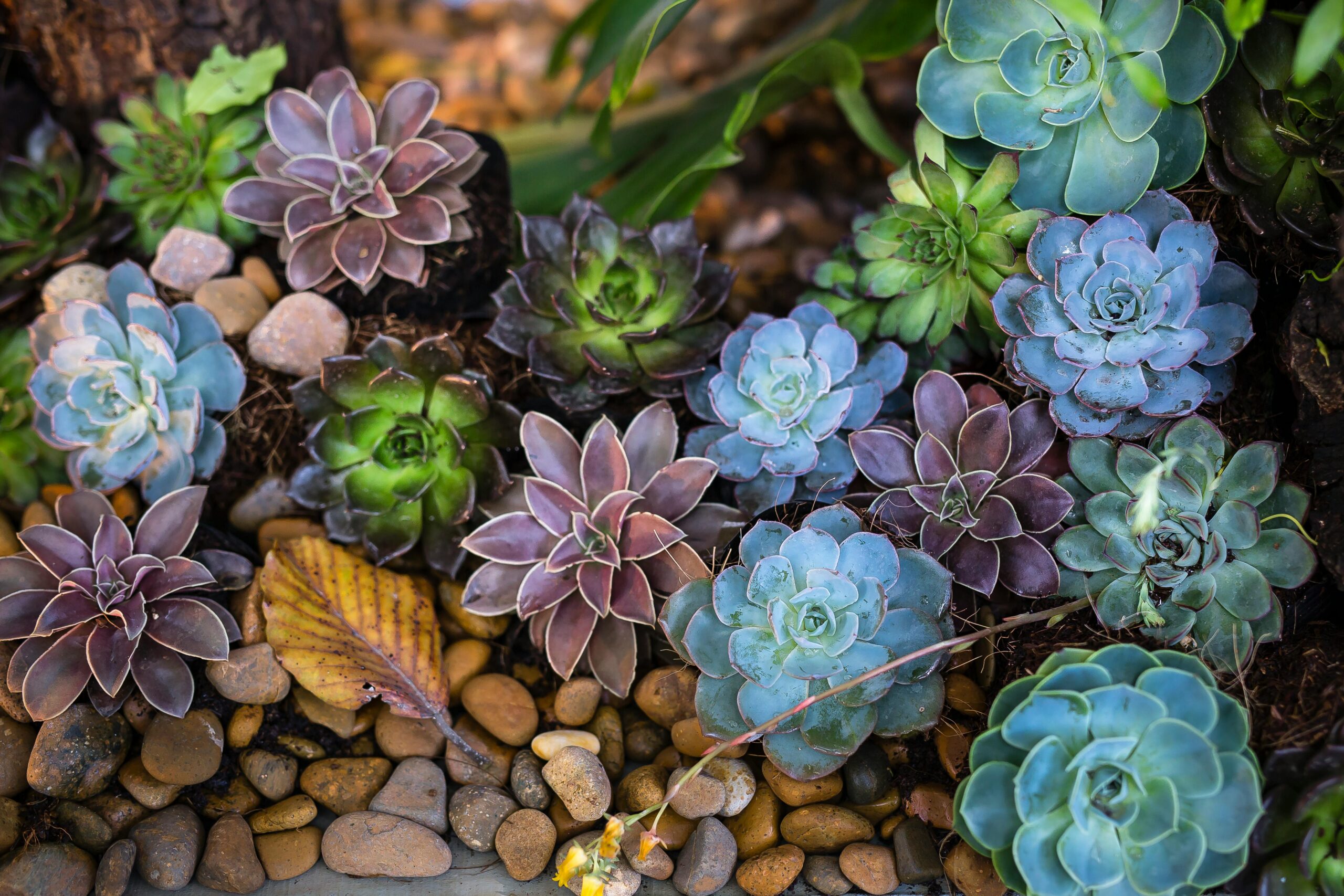
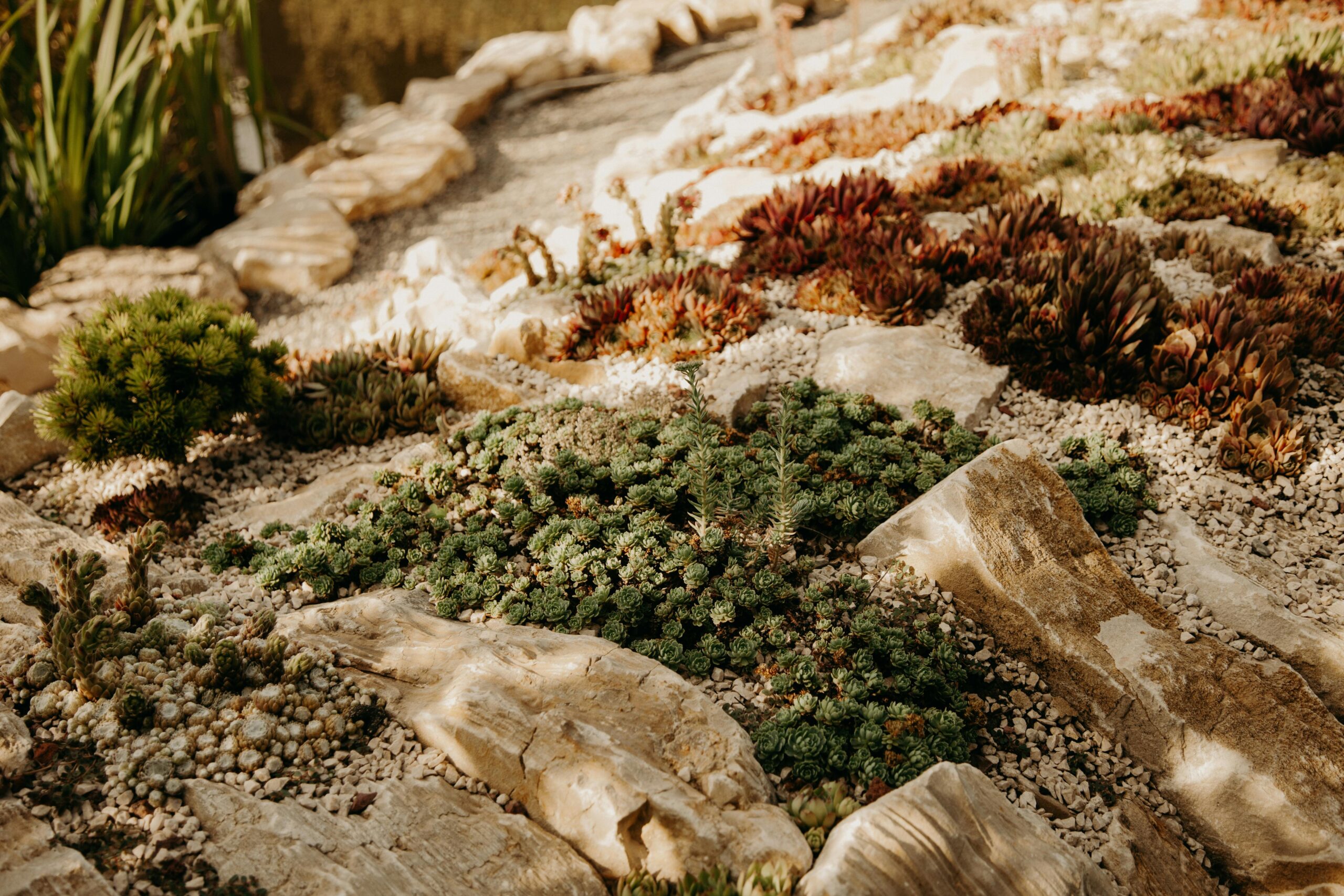
Succulents extend beyond stereotypical cacti to include sedums, sempervivums, and agaves in countless colors and forms. These versatile plants work equally well in containers, rock gardens, or ground covers. Their architectural qualities create striking focal points while their water-storage capabilities make them nearly indestructible during dry spells.
Flowering perennials like coneflowers, black-eyed Susans, yarrow, and salvia provide seasonal color without constant watering. These workhorses of the drought-tolerant garden bloom reliably, attract pollinators, and often self-seed to fill gaps naturally. Many cut back naturally in winter, requiring minimal cleanup while conserving energy for vigorous spring growth.
🌿 Combining Drip Irrigation with Drought-Resistant Plants
The synergy between efficient irrigation and water-wise plants creates gardens that survive and thrive with remarkable resource economy. Drip systems allow precise water delivery even to drought-tolerant species during establishment or extreme conditions, while these resilient plants require less frequent irrigation as they mature.
This combination provides insurance against unexpected dry spells without encouraging water dependence. Young drought-resistant plants benefit from consistent moisture during their first growing season as roots establish. Drip irrigation delivers this crucial support efficiently, then gradually reduces as plants develop self-sufficiency.
Establishing New Plantings Successfully
Even drought-resistant plants require attention when first planted. Their water-conserving adaptations need time to develop, making establishment the most critical phase. Drip irrigation perfectly supports this transition, providing consistent root-zone moisture without wasting water on unplanted areas.
Position emitters 2-4 inches from new plant stems, allowing roots to grow toward moisture sources. Water daily for the first week, every other day for weeks two through four, then transition to twice-weekly watering. As plants show vigorous growth—typically after 6-12 weeks—gradually extend intervals between watering sessions.
Monitor soil moisture by probing with your finger or a moisture meter. Drought-tolerant plants prefer soil that dries somewhat between waterings rather than staying constantly moist. This drying cycle encourages roots to grow deeper, searching for moisture and developing the robust systems that sustain plants during drought.
Seasonal Adjustments for Optimal Results
Water needs fluctuate throughout the growing season, requiring periodic system adjustments. Spring typically brings adequate rainfall in many regions, allowing reduced supplemental irrigation. As temperatures rise and plants actively grow in summer, increase watering frequency while taking advantage of drip systems’ efficiency during peak demand periods.
Fall presents opportunities to scale back irrigation as temperatures moderate and plant growth slows. Many drought-resistant plants enter dormancy or semi-dormancy, requiring minimal moisture. Winter watering depends on your climate—cold-winter regions may need occasional irrigation during dry spells, while mild climates might require more consistent moisture.
Automated timers simplify seasonal adjustments. Rather than remembering to water more or less frequently, simply reprogram watering duration and frequency as conditions change. Smart controllers with weather sensors automatically adjust schedules based on temperature, rainfall, and evapotranspiration rates, optimizing water use without constant manual intervention.
💰 Financial and Environmental Benefits
Investing in drip irrigation and drought-resistant plants delivers returns that extend beyond water savings. While initial setup costs exist, the long-term financial and environmental benefits make this approach highly cost-effective for homeowners committed to sustainable gardening.
Water bill reductions provide the most immediate financial benefit. Homeowners typically see 30-60% decreases in landscape water use after transitioning to drip irrigation and water-wise plants. In regions with tiered water pricing or drought surcharges, these savings become even more significant. The system often pays for itself within 2-3 growing seasons through reduced water costs alone.
Reduced Maintenance and Chemical Inputs
Water-efficient gardens require less maintenance than traditional landscapes. Drought-resistant plants evolved to thrive with minimal inputs, needing little fertilizer, pest control, or disease management. Their natural resilience reduces reliance on chemical treatments, creating healthier garden ecosystems while saving money on amendments and pesticides.
Precise water delivery from drip systems prevents the moisture-related diseases common with overhead watering. Fungal problems, leaf spot, and powdery mildew occur less frequently when foliage stays dry. This disease resistance further reduces chemical use while producing more attractive, vigorous plants.
Weed suppression improves dramatically with drip irrigation. Since water reaches only planted areas rather than entire beds, weed seeds receive no moisture to germinate. Mulching over drip lines enhances this effect, blocking light and creating unfavorable conditions for opportunistic plants. Less weeding means more time enjoying your garden rather than maintaining it.
Environmental Impact and Sustainability
Water conservation directly benefits stressed water supplies and ecosystems. Every gallon saved in your garden remains available for agricultural needs, wildlife habitat, or human consumption. As climate change intensifies competition for water resources, individual conservation efforts collectively create meaningful impact.
Reducing energy consumption represents another significant environmental benefit. Water treatment and distribution require substantial energy. Pumping, filtering, and delivering municipal water to homes consumes electricity from power plants, often fossil-fuel-based. Using less water decreases this energy demand, reducing carbon emissions and environmental impact.
Chemical runoff decreases when water-efficient gardens need fewer pesticides and fertilizers. Excess irrigation carries these substances into storm drains, streams, and groundwater. Targeted drip irrigation eliminates runoff, while drought-resistant plants’ minimal chemical requirements protect water quality and aquatic ecosystems.
🔧 Troubleshooting Common Challenges
Even well-designed water-efficient gardens encounter occasional issues. Understanding common problems and solutions ensures your system performs optimally throughout the growing season.
Clogged emitters rank as the most frequent drip irrigation problem. Mineral deposits from hard water, algae growth, or sediment particles block the small openings through which water flows. Installing quality filters prevents most clogging, but periodic emitter inspection remains important. Flush lines seasonally by removing end caps and running water through the system. Replace clogged emitters rather than attempting to clear them—the time saved justifies the minimal cost.
Addressing Plant Stress and Adjusting Coverage
Despite drought tolerance, plants occasionally show stress symptoms—wilting, yellowing, or stunted growth. Before increasing watering, investigate other causes. Poor drainage creates conditions as problematic as drought for many plants. Compacted soil, pest damage, or nutrient deficiencies can mimic drought stress. Probe soil near stressed plants; if moisture exists, the problem likely isn’t water-related.
Uneven coverage sometimes occurs as gardens mature and plants grow. What provided adequate irrigation for young plants may prove insufficient for established specimens. Add emitters to existing lines, or install additional distribution tubing to serve expanding root zones. Remember that drip systems easily modify—their flexibility represents a key advantage over permanent sprinkler installations.
Seasonal adjustments prevent both overwatering and drought stress. Many gardeners set watering schedules in spring and forget them, resulting in excessive irrigation during cool, rainy fall weather. Review and adjust your system monthly, accounting for temperature changes, rainfall, and plant dormancy cycles.
🌎 Planning Your Water-Efficient Garden Transformation
Transitioning to water-efficient gardening doesn’t require complete landscape renovation. Gradual implementation allows budget spreading while teaching valuable lessons about plant selection and irrigation management. Start with the most visible or problematic areas, expanding your water-wise approach as experience and resources allow.
Begin by assessing current water use and identifying inefficiencies. Walk your property after irrigation to observe runoff, overspray, or areas that remain soggy. Note which plants require constant attention to survive, consuming disproportionate water and time. These observations guide priority decisions about where drip irrigation and drought-resistant plants will deliver greatest impact.
Creating a Phased Implementation Plan
Year one might focus on converting annual flower beds to drought-tolerant perennials with drip irrigation. These areas typically receive frequent watering, making them ideal candidates for efficiency improvements. Install drip systems in spring, allowing full growing season evaluation. Plant drought-resistant species adapted to your region, spacing them appropriately and mulching thoroughly.
Year two could address shrub borders or foundation plantings. Retrofit existing landscape areas by adding drip lines beneath mulch around established plants. Replace water-hungry species as they decline with drought-tolerant alternatives. This gradual approach prevents landscape disruption while steadily reducing water consumption.
Vegetable gardens benefit tremendously from drip irrigation and often motivate gardeners to adopt water-efficient practices. The precise water control enhances production while reducing disease pressure. Combine drip systems with drought-tolerant herbs, tomatoes, peppers, and Mediterranean vegetables that thrive with moderate water and produce abundant harvests.
🎯 Maximizing Success with Smart Garden Practices
Water efficiency extends beyond irrigation systems and plant selection. Complementary practices enhance drought resistance while creating healthier, more sustainable gardens. Soil improvement forms the foundation of water-wise gardening success.
Healthy soil acts like a sponge, absorbing and holding moisture available to plant roots. Incorporate organic matter—compost, aged manure, or leaf mold—to improve water retention in sandy soils and drainage in clay soils. This amendment also supports beneficial microorganisms that help plants access nutrients and resist stress.
Mulching serves as the ultimate water conservation tool. A 2-4 inch organic mulch layer reduces evaporation by up to 70% while moderating soil temperature extremes. Mulch also suppresses weeds, prevents erosion, and gradually enriches soil as it decomposes. Replenish mulch annually to maintain depth and maximize benefits.
Proper plant spacing prevents competition while allowing air circulation that reduces disease pressure. Crowded plants compete for limited water and nutrients, requiring more irrigation than properly spaced specimens. Follow spacing recommendations based on mature plant sizes rather than filling beds densely for immediate effect.
🌟 Embracing the Water-Wise Garden Lifestyle
Creating a thriving garden through drip irrigation and drought-resistant plants represents more than resource conservation—it reflects a fundamental shift toward working with nature rather than against it. This approach acknowledges environmental realities while producing landscapes that celebrate regional character and ecological harmony.
The aesthetic possibilities of water-efficient gardens rival any traditional landscape. Ornamental grasses create movement and texture, drought-tolerant perennials provide season-long color, and carefully selected shrubs offer structure and year-round interest. Far from the barren, cactus-filled stereotype, modern water-wise gardens showcase diverse plants in attractive, functional designs.
As climate patterns continue changing, water-efficient gardening transitions from optional to essential. Early adopters enjoy immediate benefits while developing expertise that will serve them throughout decades of gardening. The skills, knowledge, and systems you establish today create resilience against uncertain future conditions.
Your water-efficient garden becomes a teaching tool and inspiration for neighbors, friends, and community members. Demonstrating that beautiful, productive landscapes don’t require excessive resources encourages others to adopt similar practices. This ripple effect multiplies individual efforts into collective impact, contributing to broader water conservation and environmental stewardship.
The journey toward water efficiency doesn’t end with installation. Continuous learning, observation, and adjustment refine your approach over time. Pay attention to which plants thrive with minimal input, how seasonal patterns affect irrigation needs, and where system improvements enhance efficiency. This ongoing engagement deepens your connection with your garden while sharpening your skills as a resourceful, adaptive gardener.
Embrace the challenge and rewards of water-efficient gardening. Your investment in drip irrigation and drought-resistant plants pays dividends in reduced water bills, lower maintenance demands, and the satisfaction of creating sustainable beauty. Most importantly, you’ll enjoy a thriving garden that celebrates life even during the driest conditions, proving that conservation and abundance can flourish together.