Urban heat islands are transforming our cities into uncomfortable, energy-draining hotspots. Green roofs offer an innovative solution to combat rising temperatures and create more livable urban environments.

🌆 Understanding the Urban Heat Island Effect
Cities around the world are experiencing a phenomenon that makes them significantly warmer than surrounding rural areas. This urban heat island effect occurs when natural landscapes are replaced with concrete, asphalt, and buildings that absorb and retain heat throughout the day and release it slowly at night.
The temperature difference between urban and rural areas can be striking. During the day, urban centers may be 1-7°F warmer than their surroundings, but at night, this difference can increase to as much as 22°F. This isn’t just uncomfortable—it’s dangerous, costly, and environmentally damaging.
Several factors contribute to this heat buildup. Dark surfaces like asphalt roads and black rooftops absorb solar radiation rather than reflecting it. The lack of vegetation means fewer plants are available to provide cooling through evapotranspiration. Additionally, waste heat from vehicles, air conditioning systems, and industrial activities adds to the thermal burden.
🏢 Why Traditional Roofs Make the Problem Worse
Conventional roofing materials are among the biggest culprits in urban heat retention. Dark-colored roofs can reach temperatures of 150-190°F during summer days, compared to air temperatures that might only be 90-100°F. These superheated surfaces radiate warmth into the surrounding air, contributing significantly to the heat island effect.
Traditional roofs also transfer heat directly into buildings, forcing air conditioning systems to work harder and consume more energy. This creates a vicious cycle: more energy consumption leads to higher electricity costs and increased greenhouse gas emissions, which further contribute to global warming and urban heat.
The impermeable nature of conventional roofs also exacerbates stormwater runoff problems, overwhelming drainage systems and missing opportunities to cool the environment through water evaporation.
🌱 What Exactly Are Green Roofs?
Green roofs, also known as living roofs or eco-roofs, are building rooftops partially or completely covered with vegetation and a growing medium, planted over a waterproofing membrane. They may also include additional layers such as root barriers, drainage systems, and irrigation components.
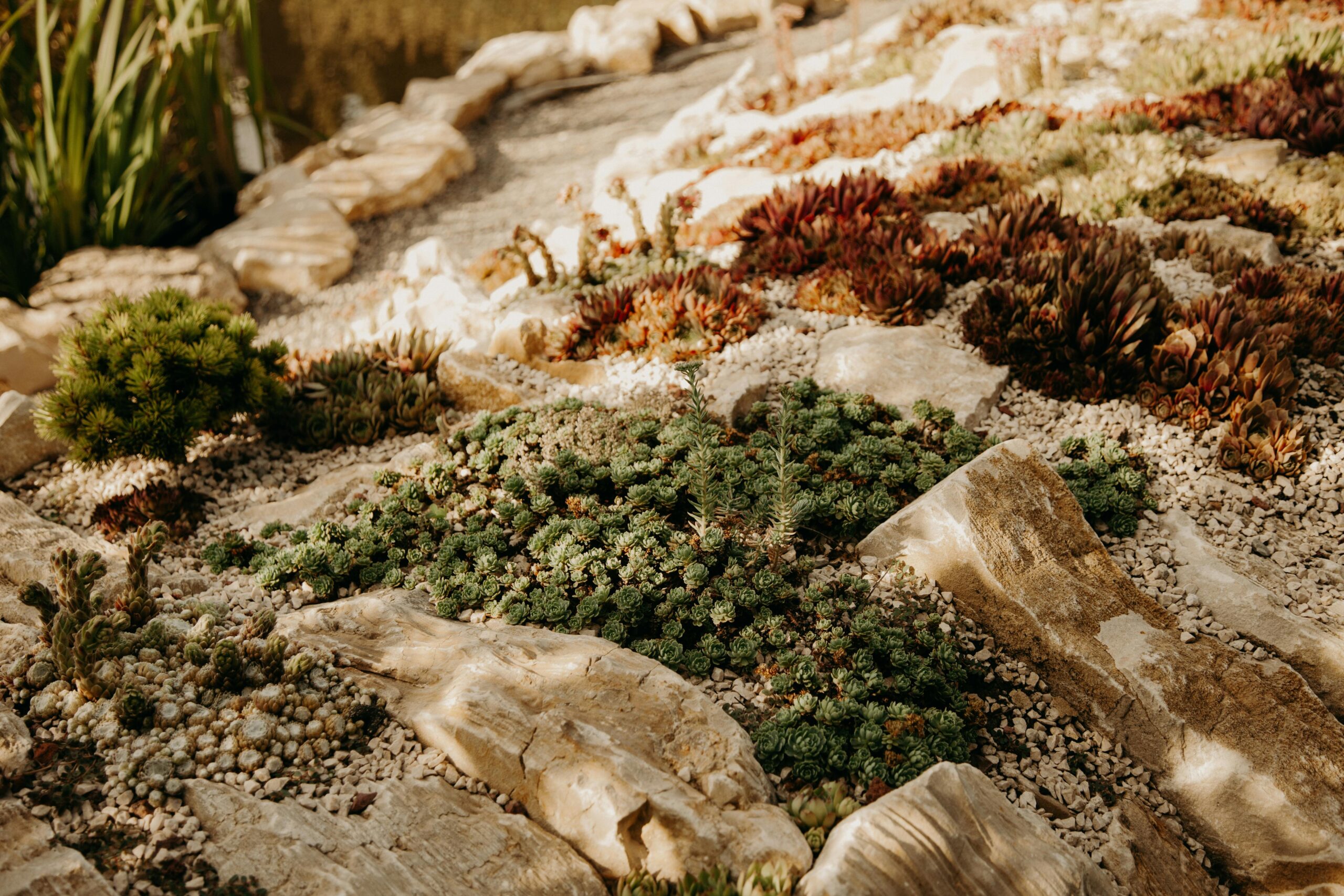
There are two main types of green roofs. Extensive green roofs are lightweight systems with shallow growing medium (typically 2-6 inches deep) that support hardy, drought-resistant plants like sedums, grasses, and herbs. These require minimal maintenance and are ideal for buildings with limited structural capacity.
Intensive green roofs, on the other hand, are more like traditional gardens. With deeper soil (6 inches to several feet), they can support a wider variety of plants, including shrubs, trees, and even walking paths. While they offer more recreational opportunities and greater environmental benefits, they require stronger structural support and more maintenance.
❄️ How Green Roofs Combat Urban Heat Islands
Green roofs attack the heat island problem through multiple mechanisms. The most immediate effect is shading. The vegetation and growing medium shield the roof surface from direct sunlight, preventing the heat absorption that occurs with traditional materials.
Evapotranspiration provides another powerful cooling mechanism. Plants release water vapor through their leaves, a process that requires energy and therefore removes heat from the surrounding air. On a hot summer day, a green roof can be 30-40°F cooler than a conventional roof, with surface temperatures often no higher than ambient air temperature.
The growing medium itself acts as insulation, buffering heat transfer between the outside environment and the building interior. This thermal mass moderates temperature fluctuations, keeping buildings cooler in summer and warmer in winter.
Unlike dark, impermeable surfaces that radiate heat back into the atmosphere, green roofs absorb solar radiation and convert it into biomass through photosynthesis. This effectively removes energy from the urban heat system rather than cycling it back into the environment.
💰 Energy Savings and Economic Benefits
The cooling effects of green roofs translate directly into reduced energy consumption. Studies show that buildings with green roofs can reduce cooling energy use by 15-50% depending on climate, building design, and roof characteristics. In winter, the insulating properties can reduce heating costs by 10-30%.
These energy savings accumulate year after year, providing substantial returns on investment. While green roofs cost more to install than conventional roofing—typically $10-25 per square foot compared to $5-10 for traditional roofs—the extended lifespan often makes them economically competitive.
Conventional roofs typically last 15-20 years, while green roofs can last 40-60 years because the vegetation protects the waterproofing membrane from UV radiation, extreme temperature fluctuations, and physical damage. This extended lifespan means fewer replacement costs over a building’s lifetime.
Green roofs can also increase property values and provide marketing advantages for environmentally conscious businesses. They may qualify buildings for LEED certification points, green building incentives, and reduced stormwater fees in many municipalities.
🌍 Beyond Cooling: Additional Environmental Benefits
While urban heat reduction is impressive, green roofs deliver numerous other environmental advantages. They capture and filter stormwater, reducing runoff by 50-90% depending on design and climate. This helps prevent sewer overflows and reduces pollution entering waterways.
Green roofs improve air quality by filtering particulates and absorbing pollutants like nitrogen dioxide and sulfur dioxide. The plants capture airborne particles on their leaf surfaces and absorb gases through their stomata, contributing to cleaner urban air.
These living systems also provide habitat for birds, butterflies, bees, and other wildlife, creating biodiversity corridors in urban environments. In cities where natural habitats have been largely eliminated, green roofs offer valuable ecological stepping stones.
Additionally, green roofs help mitigate the urban carbon footprint. The plants sequester carbon dioxide through photosynthesis, and the reduced energy consumption for heating and cooling means fewer fossil fuels burned for electricity generation.
🏙️ Cities Leading the Green Roof Revolution
Many cities worldwide have embraced green roofs as part of their climate adaptation strategies. Copenhagen aims to have all new buildings with flat roofs incorporate green infrastructure. The city has made green roofs mandatory for new buildings with roof slopes less than 30 degrees since 2010.
Toronto became the first city in North America to require green roofs on new commercial and residential buildings over 2,000 square meters. Since implementing its Green Roof Bylaw in 2009, the city has added over 500,000 square meters of vegetated roofing.
Singapore has integrated green roofs into its “City in a Garden” vision, incorporating them into high-rise buildings, shopping centers, and government facilities. The city-state offers significant incentives for green roof installation and has created stunning examples like the Parkroyal Collection Pickering hotel.
Chicago pioneered green roof adoption in North America with City Hall’s demonstration project in 2001. The success of this high-profile installation inspired hundreds of private and public buildings to follow suit, adding over 500 green roofs throughout the city.
🛠️ Overcoming Implementation Challenges
Despite their benefits, green roofs face several barriers to widespread adoption. The higher upfront costs can deter building owners, even though long-term economics may be favorable. Many cities have addressed this through incentive programs, grants, and tax breaks that reduce initial investment requirements.
Structural capacity concerns are common, especially for retrofitting existing buildings. However, extensive green roof systems are lightweight enough for many existing structures, and structural assessments can determine feasibility. For new construction, incorporating green roofs into the design phase makes structural accommodation straightforward.
Maintenance requirements can worry property managers unfamiliar with green infrastructure. While green roofs do require some maintenance—weeding, irrigation system checks, and occasional replanting—extensive systems with appropriate plant selection typically need less upkeep than traditional landscaping.
Building codes and regulations sometimes lag behind green infrastructure innovation. Progressive cities are updating their codes to accommodate and encourage green roofs, while also ensuring safety and performance standards are met.
🌿 Choosing the Right Plants for Urban Conditions
Plant selection is crucial for green roof success. The harsh rooftop environment—with intense sun exposure, strong winds, temperature extremes, and limited water availability—requires specially adapted species.
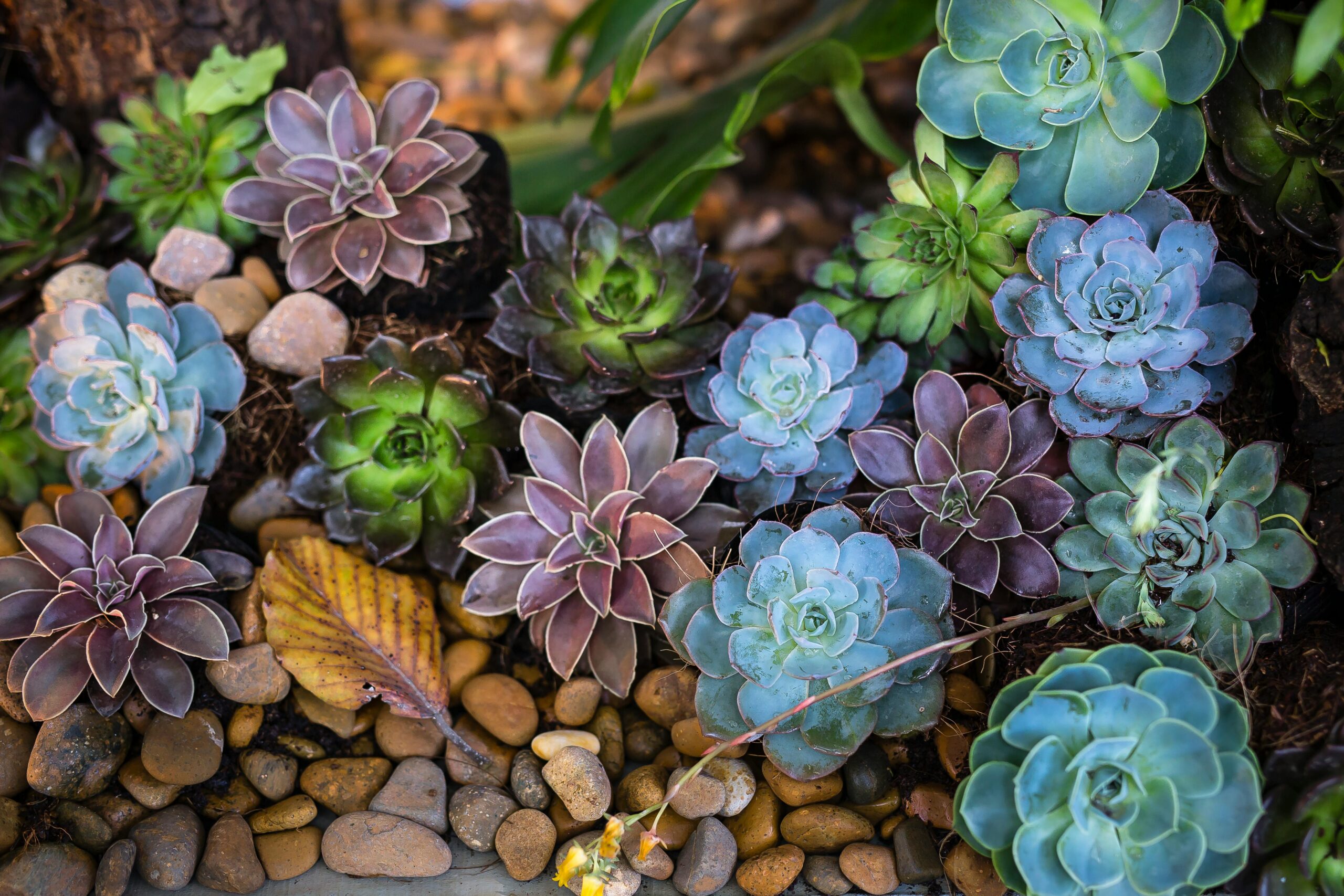
Sedums are the workhorses of extensive green roofs. These succulent plants store water in their leaves, tolerate drought, require minimal maintenance, and provide year-round interest with varied foliage colors and seasonal flowers. Species like Sedum album, Sedum reflexum, and Sedum spurium are particularly popular.
Native plants offer ecological advantages by providing familiar habitat for local wildlife and requiring no acclimation to regional climate conditions. Prairie grasses, wildflowers, and regional groundcovers can create biodiverse green roofs that support pollinators and birds.
For intensive green roofs with deeper growing media, the plant palette expands to include perennials, ornamental grasses, shrubs, and even small trees. These installations can function as true gardens, providing recreational spaces and food production opportunities through rooftop agriculture.
💡 Getting Started: From Concept to Reality
For building owners interested in green roof implementation, the process begins with assessment. A structural engineer should evaluate whether the building can support the additional weight, which ranges from 10-150 pounds per square foot depending on system type and saturation levels.
Working with experienced green roof designers and installers is essential. These professionals can recommend appropriate systems, select suitable plants, design proper drainage and waterproofing, and ensure compliance with local codes. Many regions now have certified green roof professionals who specialize in these installations.
Exploring financial incentives should be an early step. Many cities, utilities, and regional authorities offer grants, rebates, tax incentives, or expedited permitting for green infrastructure projects. Stormwater fee reductions can also provide ongoing savings.
For those unable to install a full green roof, starting small is an option. Modular green roof systems allow for phased installation or pilot projects. Even covering a portion of a roof provides benefits and can demonstrate feasibility for future expansion.
🚀 The Future of Urban Cooling
As climate change intensifies heat waves and urban populations continue growing, green roofs will become increasingly important tools for creating resilient, livable cities. Technology advances are making these systems more affordable, efficient, and accessible.
Innovations include lightweight growing media that reduces structural requirements, smart irrigation systems that optimize water use, and plant cultivars specifically bred for rooftop conditions. Modular systems and pre-vegetated mats are simplifying installation and reducing costs.
Integration with other green infrastructure creates synergistic benefits. Combining green roofs with solar panels (biosolar roofs), rainwater harvesting systems, and urban agriculture initiatives maximizes sustainability outcomes. The plants cool the solar panels, improving their efficiency, while the panels provide partial shade that can expand plant options.
Policy trends favor green infrastructure expansion. More cities are adopting mandates, incentives, and planning frameworks that prioritize nature-based solutions for urban challenges. As evidence of benefits accumulates and costs decrease, green roofs are transitioning from innovative experiments to mainstream building practices.
🌤️ Creating Cooler, Healthier Cities Together
Green roofs represent a powerful strategy for combating urban heat islands while delivering multiple co-benefits for buildings, communities, and ecosystems. By transforming unused rooftop space into functional green infrastructure, we can make cities more comfortable, sustainable, and resilient in the face of climate challenges.
The technology is proven, the benefits are documented, and the opportunities are abundant. Every green roof installed contributes to cooling the urban environment, reducing energy consumption, managing stormwater, supporting biodiversity, and improving quality of life for city residents.
Whether you’re a building owner, urban planner, architect, or concerned citizen, you can play a role in expanding green roof adoption. Support policies that incentivize green infrastructure, consider green roofs for your own projects, and spread awareness about these living systems that help our cities beat the heat.
The roofs above us represent vast untapped potential for urban transformation. By covering them with vegetation rather than leaving them as heat-absorbing liabilities, we can create cooler microclimates block by block, neighborhood by neighborhood, until entire cities benefit from this natural cooling solution. The future of urban living is green—starting from the top down. 🌿