Urban heat islands are pushing cities to explore innovative cooling solutions, with cool pavements and green infrastructure emerging as two leading strategies in the fight against rising temperatures.

🌡️ The Urban Heat Crisis: Why Cities Are Burning Up
Cities worldwide are experiencing unprecedented temperature increases, with urban areas often measuring 5-7 degrees Fahrenheit warmer than surrounding rural regions. This phenomenon, known as the urban heat island effect, results from extensive concrete surfaces, reduced vegetation, and heat-generating human activities. As climate change intensifies, metropolitan areas face mounting pressure to implement effective cooling strategies that protect residents, reduce energy consumption, and create more livable environments.
The health implications of urban heat are staggering. Heat-related illnesses send thousands to emergency rooms annually, with vulnerable populations including the elderly, children, and low-income communities bearing the heaviest burden. Beyond human health, elevated temperatures increase air conditioning demand, strain electrical grids, elevate energy costs, and exacerbate air quality issues through increased ground-level ozone formation.
Traditional urban development prioritized functionality and cost-efficiency over environmental considerations, creating vast expanses of heat-absorbing materials. Dark asphalt parking lots, black rooftops, and concrete sidewalks dominate city landscapes, transforming metropolitan areas into thermal collectors that radiate heat long after sunset. This trapped heat creates uncomfortable nighttime temperatures that prevent natural cooling and recovery.
Cool Pavements: The Reflective Revolution
Cool pavement technology represents a straightforward approach to urban heat mitigation through enhanced solar reflectivity and thermal emittance. These innovative surfaces reflect more sunlight than conventional pavements, absorbing less heat and maintaining lower surface temperatures. The technology encompasses various applications, including reflective coatings, lighter-colored aggregates, and permeable materials designed specifically for heat reduction.
Surface temperature differences between cool and conventional pavements can be dramatic. Standard asphalt can reach scorching temperatures exceeding 150°F on summer days, while cool pavement alternatives typically remain 20-30°F cooler under identical conditions. This temperature reduction translates directly to decreased radiant heat affecting pedestrians, reduced heat transfer to surrounding buildings, and lower ambient air temperatures in treated areas.
Types of Cool Pavement Technologies
Reflective coatings represent one popular cool pavement approach, applying specialized sealants or paints to existing surfaces. These products contain light-colored pigments and reflective particles that increase solar reflectance without requiring complete pavement replacement. Cities can apply these coatings to parking lots, playgrounds, and low-traffic streets relatively quickly and cost-effectively.
Light-colored concrete and asphalt mixtures offer another solution, incorporating lighter aggregates or synthetic binders that naturally possess higher reflectivity. These materials provide cooling benefits throughout their lifecycle without requiring additional surface treatments. Some advanced formulations include photocatalytic materials that break down air pollutants while maintaining cool surface properties.
Permeable pavements combine cooling benefits with stormwater management, allowing water infiltration while featuring lighter colors and enhanced reflectivity. These systems reduce surface temperatures through evaporative cooling while addressing urban flooding concerns and groundwater recharge needs.
🌳 Green Infrastructure: Nature’s Climate Control System
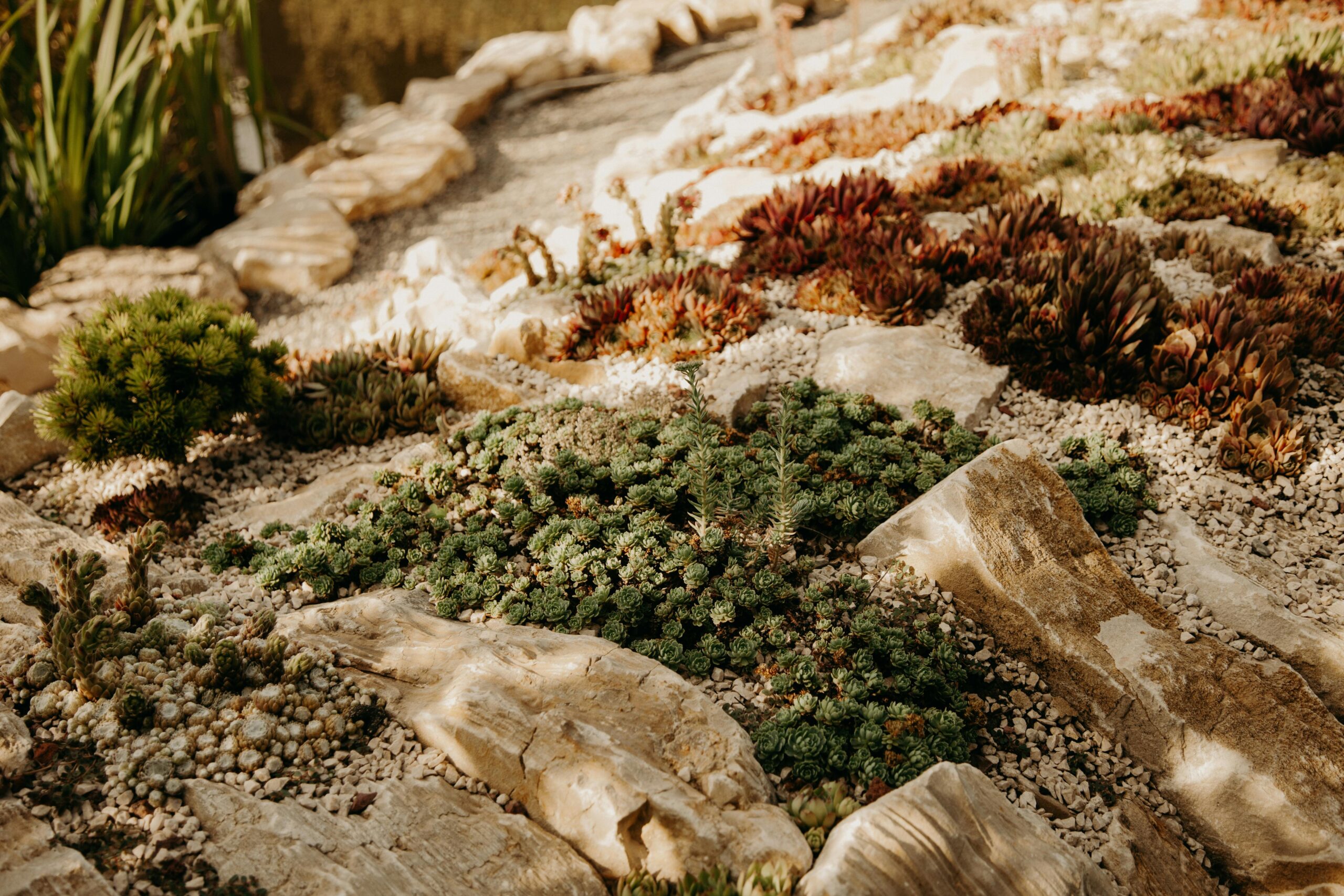
Green infrastructure harnesses natural processes to combat urban heat through strategic placement of vegetation, trees, and living systems throughout cityscapes. This approach includes street trees, green roofs, vertical gardens, urban forests, bioswales, and vegetated medians that provide cooling through shade, evapotranspiration, and reduced heat absorption.
The cooling mechanisms of green infrastructure operate through multiple pathways simultaneously. Tree canopies block direct sunlight from reaching heat-absorbing surfaces, potentially reducing ground-level temperatures by 20-45°F in shaded areas. Evapotranspiration—the process by which plants release water vapor—functions as natural air conditioning, cooling surrounding air as water evaporates from leaves and soil.
Beyond temperature reduction, green infrastructure delivers extensive co-benefits that cool pavements cannot match. Trees improve air quality by filtering pollutants and producing oxygen, manage stormwater through root absorption and canopy interception, enhance biodiversity by providing habitat, reduce noise pollution, improve mental health and wellbeing, and increase property values in adjacent areas.
Strategic Tree Placement for Maximum Cooling
Not all green infrastructure installations provide equal cooling benefits. Strategic planning maximizes temperature reduction through careful consideration of tree species, placement locations, and maintenance requirements. Deciduous trees planted on building south and west sides provide summer shade while allowing warming winter sunlight. Street trees positioned to shade pavements deliver direct surface temperature reductions where pedestrians experience the greatest heat exposure.
Large-canopy trees offer superior cooling compared to smaller species, with mature specimens providing shade coverage exceeding 3,000 square feet. However, species selection must account for local climate conditions, water availability, soil quality, and urban constraints including underground utilities and overhead power lines. Native species typically require less maintenance and support local ecosystems more effectively than non-native alternatives.
Head-to-Head Comparison: Measuring Performance
Comparing cool pavements and green infrastructure requires examining multiple performance metrics beyond simple temperature reduction. Cost considerations, implementation timelines, maintenance requirements, longevity, and secondary benefits all influence which strategy proves most effective for specific urban contexts.
Temperature Reduction Effectiveness
Research indicates both strategies deliver measurable cooling benefits, though through different mechanisms and scales. Cool pavements primarily reduce surface temperatures, with air temperature reductions typically ranging from 1-3°F in treated areas. The cooling effect concentrates at the pavement surface, benefiting pedestrians through reduced radiant heat but providing limited impact on overall neighborhood air temperatures.
Green infrastructure, particularly street trees, can reduce ambient air temperatures by 2-9°F in well-vegetated neighborhoods. The cooling extends vertically and horizontally from vegetation, creating broader climate benefits. However, achieving significant temperature reductions requires substantial tree canopy coverage—typically 30-40% or greater—which demands years of growth and substantial spatial commitment.
Implementation Costs and Timeline
Cool pavement projects often demonstrate lower upfront costs and faster implementation compared to green infrastructure initiatives. Reflective coatings can be applied quickly to existing surfaces at costs ranging from $1-3 per square foot, with immediate cooling benefits. Complete pavement replacement with cool materials costs more but still provides rapid temperature reduction once installed.
Tree planting initiatives require higher initial investments, including site preparation, quality nursery stock, and establishment watering. Young trees provide minimal cooling benefits initially, requiring 10-15 years to develop substantial canopies that deliver significant temperature reduction. However, mature trees offer cooling benefits that increase over time without requiring replacement, potentially providing superior long-term value despite higher initial costs.
⚖️ The Maintenance and Longevity Challenge
Long-term performance depends heavily on maintenance commitments and material durability. Cool pavement coatings degrade over time, losing reflectivity as surfaces accumulate dirt, tire marks, and weather damage. Most coatings require reapplication every 5-7 years to maintain cooling effectiveness, creating ongoing expense and disruption. Lighter-colored concrete and asphalt mixtures maintain reflectivity longer but eventually darken with use and environmental exposure.
Green infrastructure demands different maintenance investments, including regular watering during establishment periods, pruning for safety and health, pest management, and eventual tree replacement. Urban trees face numerous stressors including limited root space, soil compaction, pollution exposure, and physical damage. However, well-maintained trees can provide 50-100 years of cooling benefits, far exceeding the lifespan of cool pavement applications.
Equity and Environmental Justice Considerations
Urban heat disproportionately affects low-income communities and neighborhoods with predominantly minority residents. Historical disinvestment and discriminatory practices created urban landscapes with minimal tree canopy and extensive pavement coverage in disadvantaged areas. Effective heat mitigation strategies must address these inequities through targeted interventions in communities bearing the greatest heat burden.
Cool pavements offer advantages for rapid deployment in heat-vulnerable neighborhoods, providing immediate relief without waiting for tree maturation. However, these communities may lack resources for ongoing maintenance and reapplication. Green infrastructure provides lasting benefits and additional quality-of-life improvements but requires sustained investment, adequate maintenance funding, and community engagement to ensure success.
🔄 Integrated Approaches: Combining Strategies for Optimal Results
Rather than viewing cool pavements and green infrastructure as competing alternatives, forward-thinking cities increasingly implement integrated strategies that leverage the strengths of both approaches. This comprehensive methodology recognizes that different urban contexts require tailored solutions based on spatial constraints, budget availability, timeline requirements, and community priorities.
Wide streets with adequate space can accommodate both street trees and cool pavement applications, maximizing cooling through complementary mechanisms. Parking lots can feature cool surface treatments combined with shade trees in planting islands, delivering immediate surface cooling while establishing long-term canopy coverage. Green roofs paired with cool pavement in adjacent areas create cooling corridors that reduce temperatures more effectively than either strategy alone.
Site-Specific Strategy Selection
Optimal strategy selection depends on careful site analysis. Narrow streets with limited planting space may favor cool pavements over trees that could interfere with utilities or structures. Parks and broad medians present ideal green infrastructure opportunities where spatial constraints pose fewer challenges. High-traffic areas may benefit from durable cool pavement solutions, while residential streets with lower vehicle volumes can accommodate trees more easily.
Water availability significantly influences strategy selection. Arid regions may struggle to maintain urban forests without substantial irrigation investments, making cool pavements more practical. Humid climates with adequate rainfall can support green infrastructure more sustainably. However, drought-tolerant tree species and efficient irrigation systems can extend green infrastructure feasibility into drier environments.
Real-World Implementation: Cities Leading the Way
Numerous cities worldwide are pioneering urban cooling initiatives that provide valuable lessons for other metropolitan areas. Los Angeles launched an ambitious cool pavement program, coating streets in heat-vulnerable neighborhoods with light-colored sealants. Initial results showed significant surface temperature reductions, though some community members reported increased glare and questioned long-term durability.
Phoenix, Arizona embraces comprehensive heat mitigation including both cool pavements and aggressive tree planting initiatives. The city recognizes that desert environments require multiple strategies to combat extreme temperatures effectively. Melbourne, Australia implemented extensive urban forest expansion with goals of doubling tree canopy coverage, acknowledging that mature vegetation provides superior long-term cooling despite implementation challenges.
Singapore demonstrates how integrated approaches can transform dense urban environments. The city-state combines extensive green walls, rooftop gardens, street trees, and reflective building materials to create one of the world’s greenest cities despite limited land availability. This holistic strategy recognizes that urban cooling requires coordinated interventions across multiple scales and surface types.
🔬 Innovation and Future Technologies
Ongoing research continues advancing both cool pavement and green infrastructure technologies. Scientists are developing advanced photocatalytic coatings that maintain reflectivity while breaking down air pollutants. Smart pavements incorporating phase-change materials absorb heat during peak temperatures and release it overnight, moderating temperature extremes.
Green infrastructure innovation focuses on urban-adapted tree species tolerant of compacted soils, limited water, and pollution exposure. Structural soil systems provide adequate root space beneath pavements, allowing trees to achieve substantial size in constrained environments. Living architecture including bioengineered moss walls and algae panels offers cooling benefits in spaces where traditional vegetation cannot survive.
Making the Right Choice for Your City
Cities facing urban heat challenges must evaluate local conditions, resources, and priorities when selecting cooling strategies. Communities with immediate heat health crises may prioritize cool pavement projects delivering rapid relief. Jurisdictions with longer planning horizons and adequate maintenance capacity may invest in green infrastructure that provides expanding benefits over decades.
Successful urban cooling initiatives require community engagement, ensuring that solutions address resident priorities and concerns. Heat mitigation strategies should integrate with broader sustainability goals including stormwater management, air quality improvement, and climate adaptation. Monitoring and evaluation systems help cities track effectiveness, adjust approaches, and demonstrate return on investment to stakeholders and taxpayers.
The battle against urban heat demands creative thinking, sustained commitment, and willingness to implement multiple complementary strategies. Cool pavements and green infrastructure each offer valuable tools in this critical effort. By thoughtfully combining these approaches based on local conditions and priorities, cities can create cooler, healthier, and more resilient communities prepared for the climate challenges ahead. The future of urban cooling lies not in choosing one strategy over another, but in intelligently integrating diverse solutions that work together to beat the heat. 🌆