Scorching summer heat doesn’t have to turn your lush garden into a parched wasteland. With strategic maintenance and smart planning, you can create an outdoor oasis that thrives even when temperatures soar.

🌡️ Understanding Heat Stress in Your Landscape
Before diving into solutions, it’s crucial to recognize how extreme temperatures affect your outdoor spaces. Heat stress manifests differently across various plants, soil types, and landscape elements. When temperatures climb, plants lose moisture faster through transpiration, soil dries out rapidly, and even hardscape materials can deteriorate or become uncomfortably hot.
Your landscape faces multiple challenges during heat waves: evaporation rates skyrocket, beneficial soil organisms become less active, and plant roots struggle to absorb nutrients efficiently. Understanding these dynamics helps you implement targeted maintenance strategies that address root causes rather than just symptoms.
💧 Irrigation Strategies That Actually Work
Water management becomes your most powerful tool during hot months. However, simply increasing watering frequency isn’t the answer—it’s about watering smarter, not harder.
Timing Makes All the Difference
Early morning watering, ideally between 4 AM and 10 AM, allows moisture to penetrate soil before evaporation accelerates. Evening watering creates prolonged moisture on foliage, potentially inviting fungal diseases. If morning isn’t possible, late afternoon works better than midday, when up to 50% of water can evaporate before reaching roots.
Deep Watering vs. Frequent Shallow Watering
Deep, infrequent watering encourages roots to grow deeper, making plants more drought-resistant. Aim for 6-8 inches of soil penetration for most plants. Shallow daily watering creates surface-dependent roots that suffer more during heat stress. Use a soil probe or long screwdriver to check moisture depth—it should penetrate easily into moist soil.
Drip Irrigation and Soaker Hoses
These systems deliver water directly to root zones with minimal waste. Drip irrigation reduces water usage by 30-50% compared to traditional sprinklers while providing consistent moisture. Soaker hoses work exceptionally well in vegetable gardens and flower beds, slowly releasing water along their entire length.
🌿 Mulching: Your Landscape’s Summer Shield
Mulch acts as insulation for soil, regulating temperature and moisture levels while suppressing weeds that compete for water. The right mulching strategy can reduce watering needs by up to 70%.
Choosing the Right Mulch Material
Organic mulches like shredded bark, wood chips, and compost offer multiple benefits. They decompose gradually, enriching soil while maintaining coverage. Bark mulch works wonderfully for perennial beds, lasting 2-3 years. Wood chips suit pathways and larger landscape areas. Compost provides immediate nutrients but breaks down faster, requiring annual replenishment.
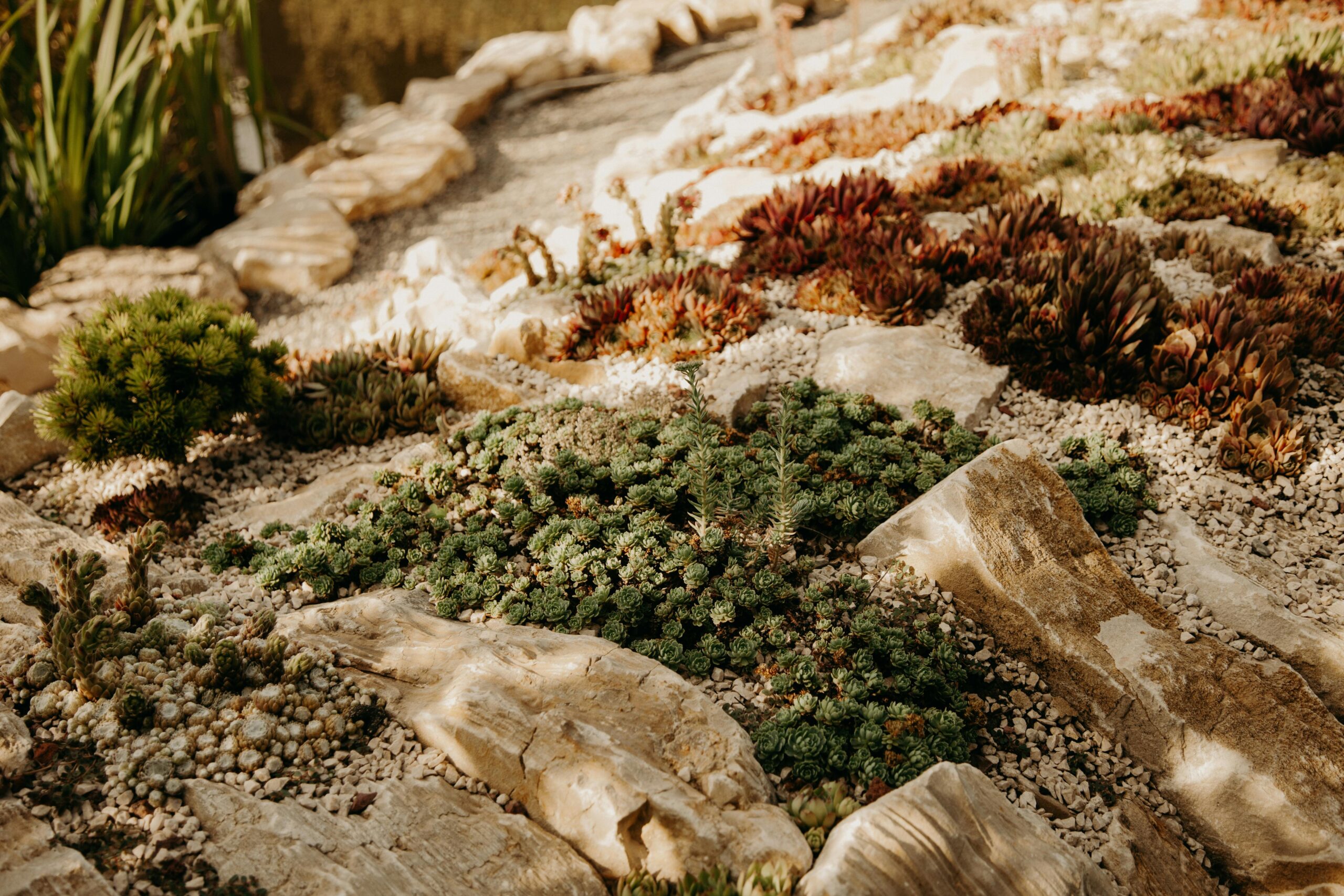
Inorganic options like river rock and gravel excel in xeriscaping and desert-style landscapes. They don’t decompose but can absorb and radiate heat, making them less ideal around heat-sensitive plants.
Proper Mulch Application Techniques
Apply organic mulch 2-4 inches deep, keeping it several inches away from plant stems and tree trunks to prevent rot. Deeper layers block oxygen and water penetration. Refresh mulch annually or when it decomposes to less than 2 inches. Spring application prepares landscapes for summer heat, while fall mulching protects roots during winter.
🌱 Plant Selection and Placement for Heat Tolerance
Strategic plant choices dramatically reduce maintenance demands during hot weather. Native and adapted species evolved to handle local climate extremes, requiring less intervention than exotic varieties.
Heat-Loving Plants That Thrive
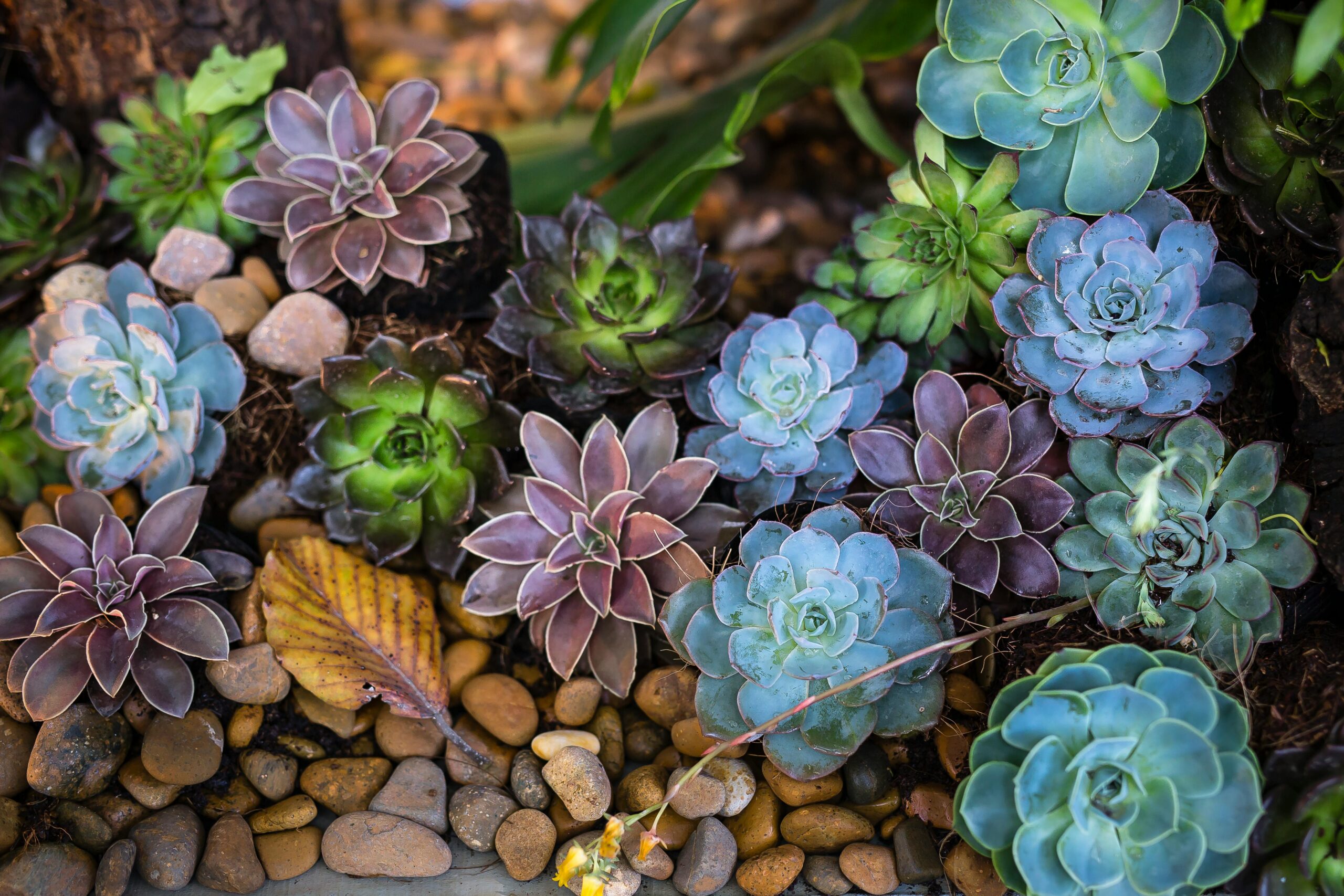
Mediterranean herbs like rosemary, lavender, and thyme flourish in hot, dry conditions. Succulents and cacti store water efficiently, making them perfect for low-maintenance areas. Ornamental grasses like fountain grass and blue fescue add movement and texture while tolerating heat beautifully.
For color, consider blanket flower, coneflowers, lantana, and zinnias—all heat-tolerant bloomers. Trees like desert willow, Texas mountain laurel, and crape myrtle provide shade without demanding excessive water.
Creating Microclimates
Position heat-sensitive plants in naturally cooler spots—east-facing areas that receive morning sun but afternoon shade, or locations benefiting from building shadows. Group plants with similar water needs together, creating irrigation zones that prevent overwatering some while underwatering others.
☀️ Shade Structures and Cooling Elements
Physical structures provide immediate relief from intense sun while adding architectural interest to your landscape.
Living Shade Solutions
Deciduous trees offer summer shade while allowing winter sunlight through bare branches. Position them strategically to shade patios, windows, and heat-sensitive plants. Vertical gardens on trellises cool surrounding areas through transpiration while maximizing growing space.
Pergolas with climbing vines create beautiful, functional shade. Wisteria, grape vines, and climbing roses transform pergolas into living canopies. The combination of structure and foliage reduces temperatures beneath by 10-15 degrees compared to unshaded areas.
Hardscape Cooling Strategies
Light-colored paving materials reflect rather than absorb heat. Concrete pavers in cream or tan stay significantly cooler than dark asphalt or black stone. Permeable pavers allow water infiltration and air circulation, reducing heat buildup.
Water features provide evaporative cooling effects. A small fountain or bubbling rock can lower surrounding temperatures by several degrees while adding soothing sounds. Even a birdbath contributes moisture to the air while attracting beneficial wildlife.
🌾 Lawn Care During Peak Heat
Traditional lawns demand significant water during summer, but proper maintenance keeps them healthy without excessive resource use.
Mowing Height Adjustment
Raise mower blades to 3-4 inches during hot months. Taller grass shades soil, reduces evaporation, and develops deeper roots. Never remove more than one-third of blade height in a single mowing. Sharp mower blades make clean cuts that heal quickly; dull blades tear grass, creating stress and disease entry points.
Fertilization Timing
Avoid heavy fertilization during peak heat—it forces growth that requires additional water and makes grass more heat-sensitive. If fertilizing is necessary, use slow-release formulations at half-strength. Focus major fertilization efforts on spring and fall when grass naturally grows vigorously.
Grass Alternatives
Consider replacing high-maintenance turf with groundcovers like clover, thyme, or native sedges. These alternatives require less mowing, watering, and fertilization while providing green coverage. Gradually transition by overseeding existing lawns or replacing sections during landscape renovations.
🔧 Equipment and Infrastructure Maintenance
Your irrigation system and landscape equipment need attention to perform efficiently during demanding summer months.
Irrigation System Checkup
Inspect sprinkler heads for clogs, misalignment, or damage. A single broken head can waste thousands of gallons monthly. Check for leaks in pipes and connections—wet spots or unusually green patches indicate problems. Test your system’s timer and sensors to ensure proper operation.
Clean or replace filters in drip irrigation systems. Mineral buildup and debris reduce flow rates, causing uneven watering. Flush lines periodically to maintain optimal performance.
Tool Maintenance
Clean and sharpen pruning tools regularly. Sharp tools make precise cuts that heal faster, reducing plant stress. Oil moving parts and remove rust to extend equipment life. Properly maintained tools make maintenance tasks easier and more effective.
🍂 Pruning and Grooming for Heat Season
Strategic pruning reduces water demands while maintaining landscape aesthetics, but timing and technique matter enormously.
What to Prune and What to Leave
Remove dead, diseased, or damaged branches anytime—they stress plants and invite pests. However, avoid heavy pruning during peak heat. Major pruning forces new growth that requires extra water and is more susceptible to sun damage.
Light grooming maintains shape without triggering excessive regrowth. Remove spent flowers to redirect energy toward root development rather than seed production. This deadheading extends blooming periods for many perennials.
Protecting Fresh Cuts
Large pruning wounds expose inner plant tissues to intense sun and heat. Prune early morning when temperatures are cooler, allowing cuts to begin healing before peak heat. Avoid pruning wound sealants—research shows they trap moisture and slow natural healing processes.
🐛 Pest and Disease Management in Hot Weather
Heat-stressed plants become more vulnerable to pests and diseases, requiring vigilant monitoring and quick response.
Common Heat-Related Problems
Spider mites thrive in hot, dry conditions, creating fine webbing and stippled leaves. Aphids cluster on new growth, sucking plant juices. Powdery mildew appears as white patches, especially when hot days combine with cool nights.
Inspect plants weekly, checking undersides of leaves where pests hide. Early detection allows targeted treatment before problems spread. Strong water sprays dislodge many pests without chemicals.
Integrated Pest Management
Encourage beneficial insects like ladybugs, lacewings, and parasitic wasps that naturally control pest populations. Plant diverse flowers to attract these allies. Avoid broad-spectrum pesticides that kill beneficial and harmful insects indiscriminately.
When intervention becomes necessary, choose targeted, organic options like neem oil, insecticidal soaps, or horticultural oils. Apply during cooler morning or evening hours to prevent leaf burn and maximize effectiveness.
💚 Soil Health: The Foundation of Heat Resistance
Healthy soil retains moisture longer, supports beneficial organisms, and provides plants with resources to withstand environmental stress.
Organic Matter Incorporation
Compost improves soil structure, water retention, and nutrient availability. Work 2-3 inches of finished compost into planting beds annually. Even thin compost layers as topdressing gradually improve soil quality.
Organic matter acts like a sponge, holding water and releasing it gradually to plant roots. Soils rich in organic content require less frequent irrigation while supporting healthier plant growth.
Avoiding Soil Compaction
Compacted soil restricts root growth and water infiltration. Avoid walking on planting beds, especially when soil is wet. Use designated pathways and stepping stones to distribute foot traffic. Aerate lawns annually to break up compaction and improve water penetration.
🌤️ Preparing for Extreme Heat Events
When weather forecasts predict exceptional heat, proactive measures protect vulnerable plants and landscape elements.
Pre-Heat Wave Checklist
Deep-water all plantings 24-48 hours before extreme heat arrives, ensuring soil moisture reserves are full. Apply fresh mulch to any thin areas. Move container plants to shadier locations or group them together so they shade each other.
Set up temporary shade cloth over vegetable gardens and newly planted areas. Even 30-50% shade cloth dramatically reduces heat stress without blocking all sunlight. Remove shade cloth once temperatures moderate to prevent leggy growth.
During the Heat Wave
Resist the urge to overwater—soggy soil causes root problems. Monitor plants for severe wilting. Slight midday drooping is normal; plants should recover by evening. Water only if plants remain wilted after sunset.
Delay all non-essential landscape activities. Skip fertilizing, transplanting, and major pruning until conditions improve. Focus energy on observation and minimal intervention.
🌻 Long-Term Landscape Resilience
Building genuine heat tolerance requires ongoing commitment to sustainable practices rather than reactive emergency measures.
Transitioning to Water-Wise Landscaping
Gradual transitions work better than complete overhauls. Replace struggling plants with adapted alternatives one section at a time. Reduce lawn size incrementally, converting high-maintenance turf to mulched beds, groundcovers, or permeable hardscaping.
Each improvement compounds benefits—less watering reduces utility costs and environmental impact while decreasing maintenance time. Heat-adapted landscapes become more beautiful and resilient with each passing season.
Seasonal Maintenance Calendar
Spring serves as prime preparation time. Refresh mulch, repair irrigation systems, and prune before active growth begins. Summer focuses on monitoring and minimal intervention—water management, pest watching, and light grooming.
Fall offers another planting opportunity when temperatures moderate but soil remains warm. Established plants develop strong roots before winter, emerging vigorous the following spring. Winter provides equipment maintenance time and planning for next season’s improvements.
🏆 Creating Your Cool Oasis
Beating landscape heat doesn’t mean compromising beauty or settling for boring, barren spaces. The most stunning landscapes often feature plants perfectly adapted to local conditions, requiring minimal inputs while providing maximum impact.
Your outdoor space should enhance your life, not enslave you to endless maintenance routines. Strategic planning, appropriate plant selection, and smart irrigation create landscapes that flourish during the hottest months while remaining manageable and enjoyable.
Start with one improvement this season—better mulching, irrigation adjustments, or introducing heat-tolerant plants. Each positive change builds momentum toward a landscape that stays cool, beautiful, and sustainable regardless of what summer weather brings. Your future self will thank you when neighbors struggle with scorched landscapes while yours remains a thriving, inviting retreat.