Urban heat islands are transforming our cities into sweltering zones, making everyday activities like walking to the bus stop or waiting for transit unbearable during summer months.

🌡️ The Rising Challenge of Urban Heat
Cities worldwide are experiencing unprecedented temperature increases, with concrete jungles absorbing and radiating heat at alarming rates. Sidewalks can reach temperatures exceeding 140°F (60°C), while transit stops often lack adequate protection from the sun’s relentless rays. This isn’t just a comfort issue—it’s a public health crisis affecting millions of commuters, pedestrians, and vulnerable populations daily.
The science behind urban heat is straightforward yet concerning. Dark asphalt and concrete surfaces absorb solar radiation throughout the day, releasing it slowly at night. This creates a continuous cycle of heat retention that makes cities significantly warmer than surrounding rural areas. For pedestrians and transit users, this means exposure to dangerous conditions that can lead to heat exhaustion, dehydration, and even heat stroke.
Reimagining Transit Stops as Cool Sanctuaries
Forward-thinking cities are revolutionizing transit stop design with innovative cooling solutions. These aren’t your grandmother’s bus shelters—they’re sophisticated climate-responsive structures that prioritize human comfort while embracing sustainable design principles.
Smart Shade Structures That Work With Nature
Modern transit shelters are incorporating biomimetic designs inspired by nature’s cooling mechanisms. Latticed canopies mimic tree coverage, allowing air circulation while blocking direct sunlight. Cities like Phoenix and Dubai have pioneered shelters with automated louvers that adjust throughout the day, following the sun’s path to maximize shade coverage.
These structures often feature light-colored or reflective materials that bounce solar radiation away rather than absorbing it. Cool roof technology, typically used on buildings, is now being adapted for transit infrastructure. Materials with high solar reflectance can reduce surface temperatures by 50-80°F compared to traditional dark surfaces.
Green Infrastructure Integration 🌿
Living walls and green roofs are transforming transit stops into mini-ecosystems. Vertical gardens on shelter walls provide natural insulation while improving air quality through photosynthesis. Plants release water vapor through transpiration, creating a natural cooling effect that can reduce ambient temperatures by several degrees.
Barcelona’s “green stops” program has installed vegetation-covered shelters throughout the city, reducing perceived temperatures by up to 10°F. These installations require minimal maintenance through drip irrigation systems and native plant selections adapted to local climate conditions.
Revolutionary Sidewalk Cooling Technologies
Sidewalks represent massive heat-absorbing surfaces in urban environments, but innovative materials and designs are changing this reality. Engineers and urban planners are developing creative solutions that transform these necessary pathways into climate-comfortable corridors.
Permeable Pavement Revolution
Traditional concrete and asphalt sidewalks trap heat and prevent water infiltration. Permeable pavement systems address both issues simultaneously. These specially designed surfaces allow water to pass through, reducing runoff while enabling evaporative cooling that lowers surface temperatures.
Materials like pervious concrete, porous asphalt, and permeable pavers incorporate void spaces that facilitate drainage. When water evaporates from these spaces, it removes heat energy from the surrounding material—a natural air conditioning effect. Cities like Portland and Philadelphia have documented temperature reductions of 15-20°F on permeable surfaces compared to traditional pavement.
Reflective and Cool Pavement Coatings
Specialized coatings are giving old sidewalks new cooling capabilities. These treatments increase solar reflectance without creating blinding glare for pedestrians or drivers. Los Angeles has been testing cool pavement technology extensively, applying light-colored sealants to existing streets and sidewalks.
The results show promise: treated surfaces remain 10-15°F cooler than untreated areas. However, ongoing research addresses concerns about long-term durability, pedestrian comfort (some reflective surfaces can feel uncomfortably bright), and cost-effectiveness for large-scale implementation.
🏗️ Architectural Innovations Creating Shade Corridors
Beyond individual transit stops and sidewalk treatments, comprehensive urban design strategies are creating interconnected networks of cool spaces. These shade corridors allow pedestrians to move through cities with minimal heat exposure.
Tensile Fabric Canopies
Lightweight fabric structures are appearing in cities from Sydney to Seville, creating dramatic visual landmarks while providing essential shade. These installations use high-performance textiles designed specifically for UV protection and heat reflection. The materials are breathable, allowing hot air to escape while blocking up to 95% of solar radiation.
Tensile structures offer significant advantages: they’re relatively affordable, quick to install, and can cover large areas with minimal support columns. Their sculptural forms add aesthetic value to public spaces while serving critical functional purposes. Some designs incorporate photovoltaic materials, generating solar energy while providing shade—a true win-win solution.
Tree Canopy Enhancement Programs
Nothing beats trees for natural cooling, and cities are rediscovering the power of strategic tree planting. Mature trees can reduce surrounding air temperatures by 5-10°F through shade and evapotranspiration. Their cooling effect extends beyond the immediate canopy area, influencing neighborhood-scale climate conditions.
Cities like Melbourne and Singapore have implemented aggressive urban forestry programs, prioritizing tree planting along pedestrian routes and near transit infrastructure. The key is selecting appropriate species—trees with broad canopies, deep root systems, and climate resilience. Native species often perform best, requiring less maintenance while supporting local ecosystems.
Technology-Enhanced Cooling Solutions ⚡
The digital age brings new possibilities for managing urban heat through smart technology and real-time responsiveness. These innovations transform static infrastructure into dynamic climate management systems.
Misting Systems and Evaporative Cooling
High-pressure misting systems create ultra-fine water droplets that evaporate quickly, removing heat from the air without leaving pedestrians wet. These systems can reduce ambient temperatures by 15-25°F in the immediate vicinity. Transit agencies in hot climates from Las Vegas to Doha have installed misting systems at popular bus stops with positive user feedback.
Advanced systems incorporate weather sensors and timers, activating only when temperatures exceed thresholds and humidity levels allow effective evaporative cooling. Water consumption is surprisingly minimal—most systems use less than traditional landscape irrigation while providing significant comfort benefits.
Solar-Powered Cooling Infrastructure
Photovoltaic panels integrated into shelter roofs power active cooling systems without drawing from the electrical grid. These self-sufficient structures can operate fans, lighting, and even small air conditioning units. Some designs include battery storage, ensuring cooling capability during peak afternoon heat when solar generation is strongest.
Tokyo has pioneered “cool spots” featuring solar-powered refrigerated benches and cooling panels. These installations provide immediate relief for overheated pedestrians while demonstrating innovative climate adaptation strategies. The technology is becoming more affordable as solar efficiency improves and component costs decrease.
🌍 Global Case Studies in Shade Innovation
Cities worldwide are becoming laboratories for testing and implementing creative cooling solutions. These real-world examples demonstrate what’s possible when design innovation meets climate necessity.
Phoenix’s Cool Pavement Initiative
As one of America’s hottest cities, Phoenix has become a testing ground for heat mitigation strategies. The city’s cool pavement program has treated over 75 miles of residential streets with reflective coatings. While challenges remain—including concerns about maintenance costs and surface longevity—initial results show measurable temperature reductions.
Phoenix is also expanding its tree canopy coverage along major pedestrian corridors and redesigning bus shelters with enhanced shade features. The comprehensive approach addresses heat from multiple angles, recognizing that no single solution suffices in extreme climates.
Singapore’s Garden City Vision
Singapore has elevated urban cooling to an art form through its “City in a Garden” initiative. The strategy integrates nature throughout the urban fabric, from rooftop gardens to tree-lined boulevards. Transit infrastructure incorporates living walls, shade trees, and water features that create naturally cooled microclimates.
The city-state’s investment in green infrastructure has kept temperatures manageable despite dense urban development. Studies show that vegetated areas in Singapore remain 4-5°F cooler than concrete-dominated zones, demonstrating the cooling power of strategic greenery placement.
Community-Centered Design Approaches 👥
The most successful shade projects emerge from community engagement processes that understand local needs and priorities. Effective cooling infrastructure must serve diverse populations with varying mobility levels, schedules, and heat sensitivity.
Elderly residents, pregnant women, children, and people with certain medical conditions face heightened heat vulnerability. Design solutions should accommodate these populations through features like adequate seating, accessible layouts, and proximity to transit routes. Community input helps identify high-priority locations where shade infrastructure delivers maximum benefit.
Public art integration makes functional infrastructure culturally meaningful. Shade structures designed by local artists create landmark destinations while serving practical purposes. This approach builds community ownership and pride in public infrastructure, ensuring better maintenance and longer-term success.
Economic Benefits of Cool Infrastructure Investment
While initial costs for innovative shade solutions may exceed traditional infrastructure, the long-term economic case is compelling. Reduced emergency room visits for heat-related illness save healthcare systems substantial resources. Improved pedestrian comfort increases foot traffic to local businesses, boosting economic activity.
Studies from various cities show that shaded commercial districts experience 15-30% higher pedestrian volumes compared to similar unshaded areas. This translates directly into increased retail sales and property values. Cool infrastructure also extends the usable life of underlying pavement by reducing thermal stress and cracking.
Energy savings represent another economic benefit. Cooler urban environments reduce citywide air conditioning demand, lowering electricity consumption during peak periods when generation costs are highest. Some studies estimate that comprehensive urban cooling strategies could reduce city energy costs by 5-10% during summer months.
⚠️ Implementation Challenges and Solutions
Despite proven benefits, shade infrastructure faces implementation barriers. Budget constraints limit many cities’ ability to invest in comprehensive cooling networks. Competing infrastructure priorities—roads, sewers, schools—demand limited public funds.
Maintenance requirements pose ongoing challenges. Living infrastructure like trees and green walls needs regular care. Mechanical systems require periodic service. Cities must budget not just for installation but for decades of upkeep. Public-private partnerships offer one solution, with businesses sponsoring local cooling infrastructure in exchange for naming rights or advertising opportunities.
Regulatory frameworks sometimes hinder innovation. Building codes and zoning ordinances may not accommodate unconventional shade structures. Progressive cities are updating regulations to facilitate rather than obstruct climate adaptation infrastructure, creating fast-track approval processes for cooling projects.
The Future of Urban Cooling Innovation 🚀
Emerging technologies promise even more effective cooling solutions. Researchers are developing phase-change materials that absorb heat during the day and release it at night, creating thermal batteries for sidewalks and structures. Radiative cooling materials that reflect heat into space—even under direct sunlight—are transitioning from laboratory prototypes to commercial products.
Artificial intelligence and Internet of Things sensors enable responsive urban cooling systems that adapt to real-time conditions. Smart shade structures could automatically adjust configurations based on sun position, temperature, and pedestrian density. Predictive algorithms might deploy mobile cooling resources to locations where crowds are expected to gather.
Bio-engineering offers intriguing possibilities, including genetically optimized plants with enhanced cooling capabilities or novel materials inspired by desert organisms that thrive in extreme heat. While some technologies remain speculative, the trajectory is clear: urban cooling will become increasingly sophisticated and effective.
Making Shade Equity a Priority
Climate justice demands that cooling infrastructure reach all neighborhoods, not just affluent districts. Low-income communities and neighborhoods with high minority populations often have less tree canopy coverage and fewer shaded public spaces—despite frequently being hotter due to industrial land uses and aging building stock.
Equitable cooling infrastructure requires intentional investment in underserved areas. Some cities are adopting “shade equity” policies that prioritize cooling projects in high-heat, low-resource neighborhoods. These initiatives recognize that climate adaptation is a matter of environmental justice, not just engineering.
Community engagement ensures that solutions respect local context and preferences. What works in one neighborhood may not suit another. Bottom-up design processes that incorporate resident input create infrastructure that truly serves community needs while building local capacity for ongoing stewardship.
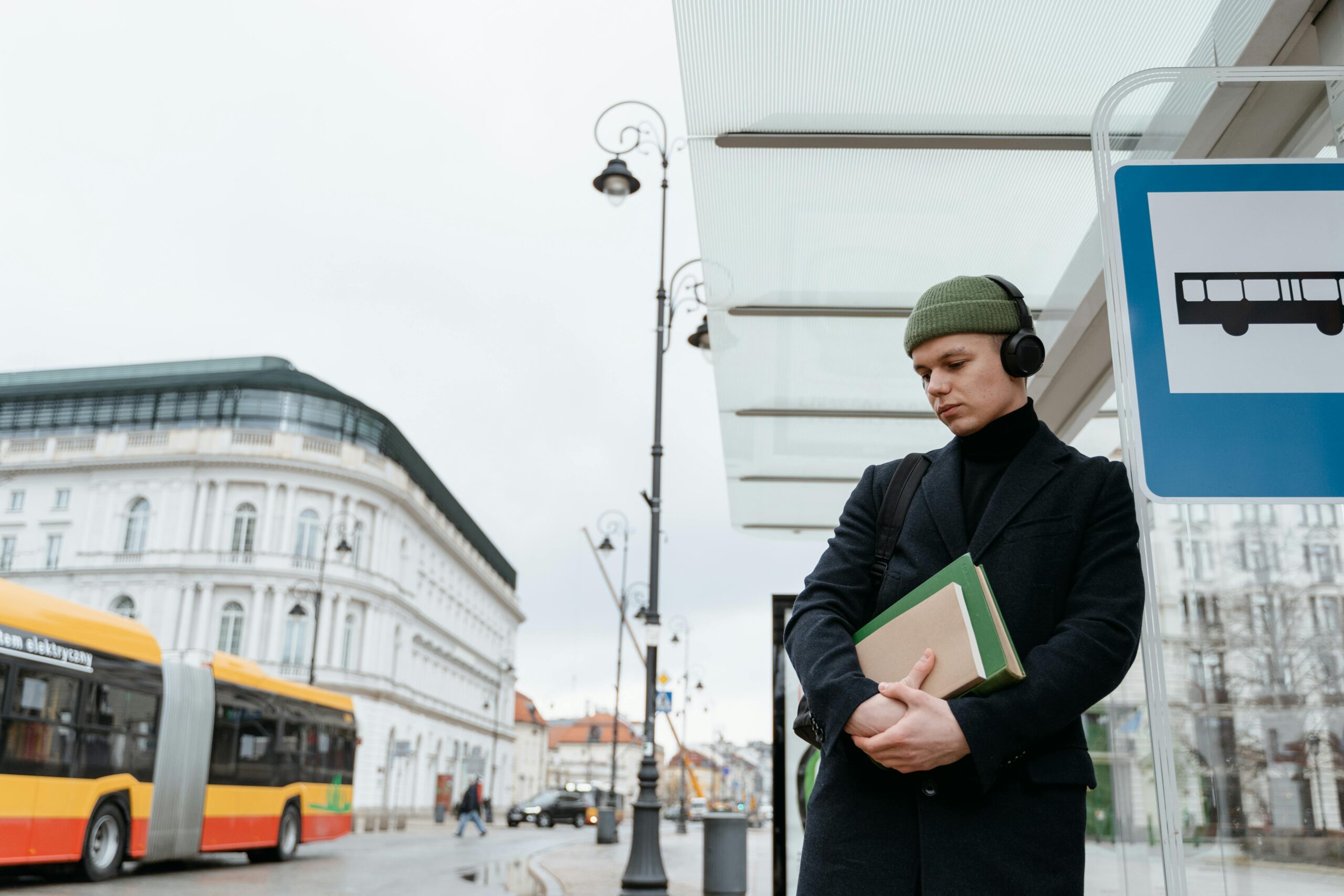
Taking Action: Steps Toward Cooler Cities 🌤️
Creating comprehensively shaded, cool urban environments requires coordinated action across multiple sectors. City governments must prioritize heat mitigation in infrastructure planning and capital budgets. Landscape architects and urban designers need training in climate-responsive design principles. Transit agencies should adopt cooling infrastructure standards for all new and renovated facilities.
Individual actions matter too. Residents can advocate for shade infrastructure in their neighborhoods, volunteer for tree-planting initiatives, and support policies that prioritize climate adaptation. Property owners can install shade elements on their land and choose cool pavement materials for driveways and walkways.
The transformation toward cooler, more livable cities won’t happen overnight, but innovative designs and determined implementation are making real progress. From high-tech materials to low-tech tree planting, solutions exist for every climate, budget, and context. As temperatures continue rising, shade saviors—whether architects, engineers, planners, or engaged citizens—are creating urban environments where people can move comfortably and safely, regardless of what the thermometer reads.
The future of urban living depends on our ability to adapt infrastructure to changing climate realities. Cool sidewalks and shaded transit stops aren’t luxuries—they’re necessities for healthy, functional, equitable cities. By embracing innovation while learning from traditional cooling wisdom, we can beat the heat and build cities that work for everyone, even on the hottest days.