Urban heat islands are suffocating our cities, but pocket parks offer an innovative solution that combines green infrastructure with smart design to create micro-cooling interventions that benefit everyone.

🌿 The Rising Temperature Crisis in Urban Environments
Cities worldwide are experiencing unprecedented heat waves, with temperatures in urban areas often measuring 5-7°F warmer than surrounding rural regions. This phenomenon, known as the urban heat island effect, results from extensive concrete surfaces, limited vegetation, and heat-generating human activities. As climate change intensifies, the need for immediate cooling solutions has never been more urgent.
Traditional approaches to urban cooling require massive infrastructure investments and years of implementation. However, pocket parks—small-scale green spaces strategically placed throughout cities—offer a nimble, cost-effective alternative that delivers immediate cooling benefits while enhancing community well-being.
Understanding Pocket Parks: Small Spaces, Big Impact
Pocket parks, also known as mini-parks or vest-pocket parks, are small outdoor spaces typically ranging from 200 to 5,000 square feet. These compact green oases transform underutilized urban land—vacant lots, unused corners, or forgotten alleyways—into functional community spaces that provide environmental, social, and economic benefits.
The concept originated in the 1960s when landscape architect Robert Zion created Paley Park in New York City, demonstrating that even the smallest green space could offer significant respite from urban congestion and heat. Today, cities from Singapore to Stockholm are embracing pocket parks as essential components of urban climate adaptation strategies.
Key Characteristics of Effective Pocket Parks
Successful pocket parks share several design elements that maximize their cooling potential:
- Strategic placement in heat-vulnerable neighborhoods with limited green space access
- Dense canopy trees that provide immediate shade and long-term cooling
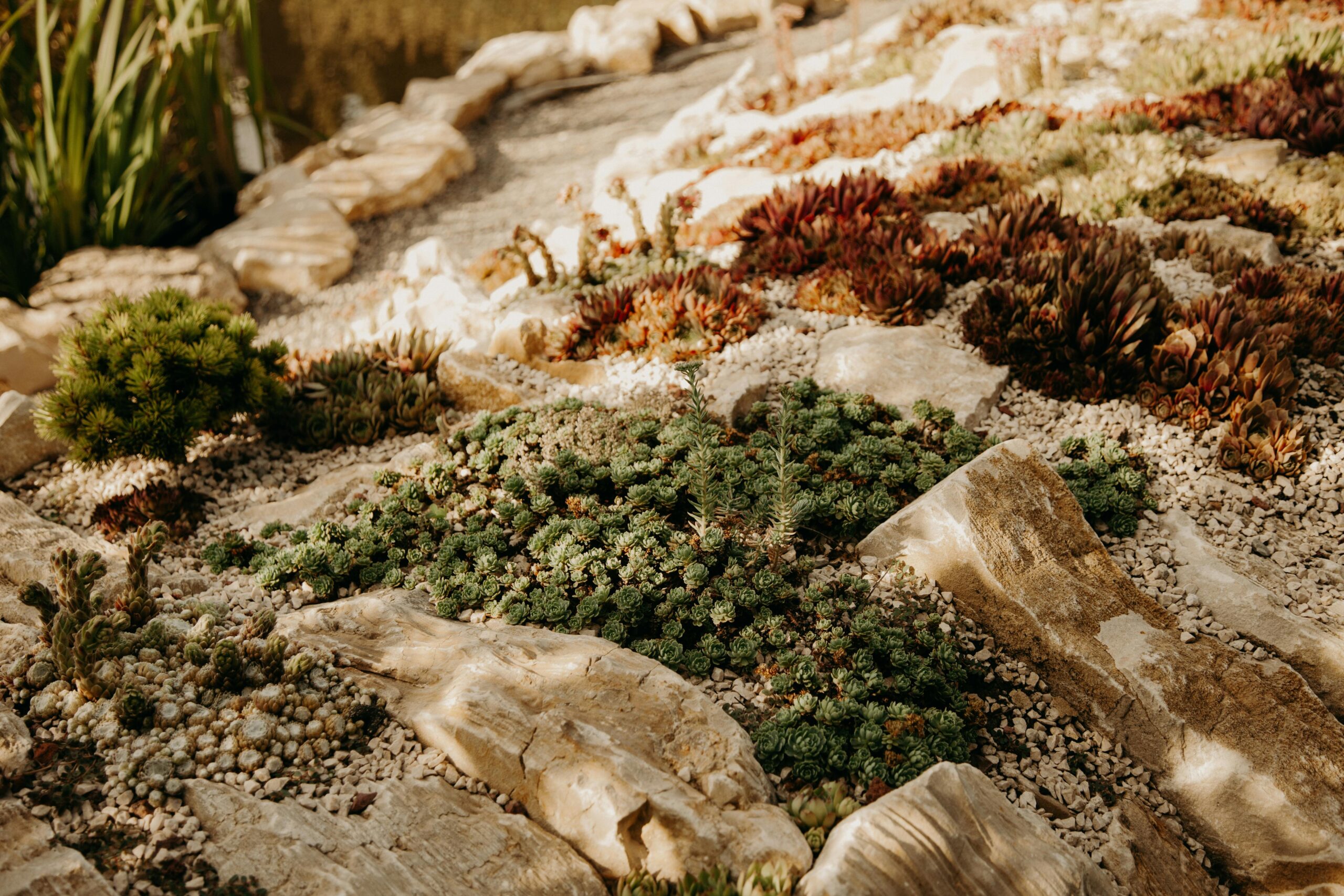
- Permeable surfaces that allow water infiltration and reduce heat reflection
- Water features that cool air through evaporation
- Seating areas positioned to maximize shade during peak heat hours
- Native plantings that thrive with minimal maintenance while supporting biodiversity
🌡️ The Science Behind Micro-Cooling Interventions
Pocket parks cool urban environments through multiple mechanisms working simultaneously. Understanding these processes helps urban planners design more effective micro-cooling interventions that deliver measurable temperature reductions.
Evapotranspiration: Nature’s Air Conditioning
Plants naturally cool their surroundings through evapotranspiration—the process of releasing water vapor from leaves. A single mature tree can transpire up to 100 gallons of water daily, producing a cooling effect equivalent to ten room-sized air conditioners running for 20 hours. When multiple trees cluster together in a pocket park, their collective cooling impact becomes substantial.
Research from the University of Melbourne found that pocket parks with diverse vegetation can reduce ambient air temperatures by 2-4°C within their boundaries and up to 1-2°C in the surrounding area extending 50-100 meters beyond park edges.
Shade and Surface Temperature Reduction
Direct shade from trees and structures dramatically lowers surface temperatures. While exposed pavement can reach 140-160°F on summer days, shaded surfaces remain 20-45°F cooler. This temperature differential not only makes spaces more comfortable but also reduces the heat radiated back into the atmosphere, breaking the cycle of urban heat accumulation.
Albedo Effect and Reflective Surfaces
Pocket parks increase urban albedo—the amount of solar radiation reflected rather than absorbed. Light-colored paving materials, green roofs on adjacent structures, and vegetation all contribute to higher albedo values, reducing heat absorption and lowering overall urban temperatures.
Design Strategies for Maximum Cooling Impact
Creating effective cooling pocket parks requires thoughtful design that balances aesthetic appeal, functionality, and thermal performance. The following strategies have proven most successful in diverse urban contexts.
Strategic Tree Selection and Placement
Tree selection significantly influences cooling effectiveness. Deciduous trees with broad, dense canopies provide optimal summer shade while allowing winter sun penetration. Species like oak, maple, and elm offer excellent cooling performance in temperate climates, while tropical cities benefit from species like rain trees, tamarind, and native palms.
Proper spacing ensures trees reach their full canopy potential without competition. Mature trees should be planted immediately for instant cooling, supplemented by younger specimens that will provide long-term benefits as older trees decline.
Water Features as Cooling Catalysts ☔
Even small water features dramatically enhance cooling effects. Fountains, misting systems, and shallow reflecting pools increase humidity in arid climates and provide evaporative cooling. A modest fountain can lower surrounding air temperatures by 3-7°F within a 25-foot radius.
Designers should consider water conservation by incorporating recirculating systems and using greywater or harvested rainwater. Interactive water features also encourage community engagement, transforming cooling infrastructure into social gathering points.
Material Selection for Thermal Performance
Surface materials profoundly impact thermal comfort. Traditional concrete and asphalt should be replaced with:
- Permeable pavers that allow water infiltration and reduce runoff
- Light-colored materials with high solar reflectance
- Natural materials like wood decking and decomposed granite
- Green ground covers instead of turf grass in low-traffic areas
- Cool pavement technologies that reflect infrared radiation
🏙️ Case Studies: Pocket Parks Making a Difference
Singapore’s Garden City Initiative
Singapore has implemented over 200 pocket parks as part of its comprehensive urban greening strategy. These spaces, called “Skyrise Greenery,” range from ground-level mini-parks to rooftop gardens and vertical green walls. Temperature monitoring shows average cooling of 2-3°C in areas surrounding these interventions, with some locations experiencing reductions up to 5°C.
The city-state’s approach combines native tropical vegetation, water features, and innovative materials. Community adoption has been remarkable, with resident surveys indicating that 87% of people living within 300 meters of a pocket park report improved quality of life.
Philadelphia’s Reimagining of Vacant Lots
Philadelphia transformed over 8,000 vacant lots into pocket parks and green spaces through the Pennsylvania Horticultural Society’s LandCare program. Research by the University of Pennsylvania demonstrated that greened lots reduced nearby surface temperatures by an average of 2.8°C during summer months.
Beyond temperature benefits, the program reduced crime rates by 14% in areas with greened lots and increased adjacent property values by 2-5%, demonstrating the multifaceted value of pocket park investments.
Melbourne’s Urban Forest Strategy
Melbourne’s aggressive pocket park expansion aims to increase tree canopy cover from 22% to 40% by 2040. The city prioritizes heat-vulnerable suburbs with limited green space access, ensuring equitable distribution of cooling benefits. Thermal imaging reveals that established pocket parks create “cool corridors” that channel cooler air through surrounding neighborhoods.
Overcoming Implementation Challenges
Despite their benefits, pocket park development faces several obstacles that cities must address strategically.
Land Availability and Acquisition
Dense urban environments offer limited space for new parks. Creative solutions include temporarily leasing private land, converting unused right-of-ways, and negotiating with developers for public space in exchange for density bonuses. Some cities implement “pocket park zoning” requirements that mandate small green spaces in new developments.
Maintenance and Long-Term Sustainability
Ongoing maintenance represents a significant challenge, particularly for resource-constrained municipalities. Successful programs often incorporate:
- Community stewardship models where local residents maintain nearby parks
- Native plantings that require minimal irrigation and care
- Adopt-a-park programs partnering with businesses and organizations
- Smart irrigation systems that optimize water use
- Durable materials that withstand heavy use with minimal intervention
Ensuring Equitable Access
Pocket parks must serve communities most vulnerable to heat stress—typically low-income neighborhoods with limited green space. Cities should prioritize these areas in planning processes and actively engage residents in design decisions to ensure spaces meet community needs and cultural preferences.
💡 Innovative Technologies Enhancing Cooling Performance
Emerging technologies are amplifying the cooling potential of pocket parks, creating “smart” green spaces that respond dynamically to environmental conditions.
Sensor Networks and Data-Driven Design
Temperature and humidity sensors throughout pocket parks provide real-time data that informs maintenance decisions and demonstrates cooling effectiveness. This information helps cities optimize design strategies and prioritize investments in locations with greatest impact potential.
Green Infrastructure Integration
Advanced pocket parks integrate multiple green infrastructure elements—bioswales, rain gardens, green walls, and permeable pavements—that work synergistically to maximize cooling while managing stormwater and improving air quality. These multifunctional designs deliver exceptional return on investment.
Adaptive Shade Structures
Solar-responsive canopies and retractable shade systems provide flexible cooling that adapts to daily and seasonal variations. These structures offer immediate shade relief while young trees mature, ensuring continuous cooling benefits throughout the park’s lifecycle.
🌍 The Broader Environmental and Social Benefits
While cooling represents the primary motivation for pocket park development, these spaces deliver numerous co-benefits that enhance their value proposition.
Mental Health and Community Well-Being
Access to green space significantly improves mental health outcomes. Studies consistently show that people living near pocket parks experience reduced stress, lower rates of depression, and improved cognitive function. These spaces provide essential respite from urban intensity, offering places for relaxation, socialization, and community building.
Biodiversity and Ecological Connectivity
Pocket parks create stepping-stone habitats that support urban biodiversity. Even small green spaces provide critical resources for pollinators, birds, and small mammals, creating ecological networks throughout cities. Native plantings support specific species while educating communities about local ecosystems.
Economic Value Creation
Property values typically increase 5-15% within 500 feet of pocket parks. These spaces also support local businesses by attracting foot traffic and creating pleasant shopping districts. The cooling effects reduce energy costs for nearby buildings, providing direct financial benefits to residents and businesses.
Implementation Roadmap for Cities
Cities ready to embrace pocket parks as cooling interventions should follow a systematic approach that ensures successful implementation and long-term sustainability.
Phase 1: Assessment and Planning
Conduct thermal mapping to identify heat island hotspots and prioritize intervention locations. Analyze land ownership, community demographics, and existing green space distribution to ensure equitable access. Engage residents early to understand needs and build support.
Phase 2: Design and Community Engagement
Develop design guidelines that mandate cooling-oriented elements while allowing flexibility for site-specific conditions. Host design charrettes that incorporate community input, ensuring spaces reflect local culture and meet actual usage patterns.
Phase 3: Pilot Projects and Monitoring
Implement pilot projects in diverse neighborhoods, testing different design approaches and monitoring thermal performance. Collect data on usage patterns, maintenance costs, and community satisfaction to refine approaches before scaling.
Phase 4: Network Expansion
Systematically expand the pocket park network, targeting 400-meter spacing to ensure all residents have convenient access. Integrate pocket parks with broader urban forestry, green infrastructure, and climate adaptation strategies for maximum synergy.

🌱 The Future of Urban Cooling: Building Resilient Communities
As climate change intensifies urban heat challenges, pocket parks represent an essential adaptation strategy that delivers immediate relief while building long-term resilience. These micro-cooling interventions prove that transformative change doesn’t always require massive infrastructure investments—sometimes the most effective solutions come in small packages strategically deployed throughout our cities.
The success of pocket parks depends on sustained commitment from municipal governments, active community engagement, and innovative design that maximizes cooling performance. Cities that embrace these small-scale interventions today will create cooler, healthier, more livable urban environments for generations to come.
The path forward requires viewing every underutilized space as a potential cooling asset. Parking lot corners, roadway medians, vacant lots, and neglected plazas all offer opportunities for micro-cooling interventions that collectively transform urban thermal landscapes. By thinking small and acting strategically, cities can beat the heat while creating vibrant public spaces that strengthen community bonds and enhance quality of life for all residents.