Transform your outdoor space into a refreshing sanctuary by selecting plants that naturally cool the environment and create a soothing atmosphere perfect for escaping summer’s scorching temperatures.

🌿 Understanding the Science Behind Cooling Plants
Plants are nature’s air conditioners, working tirelessly through a process called transpiration. When plants release water vapor through their leaves, they effectively cool the surrounding air, sometimes lowering temperatures by several degrees. This natural cooling mechanism makes strategic plant selection essential for creating comfortable outdoor living spaces.
The cooling effect varies significantly among different plant species. Large-leaved plants typically release more moisture into the air, while dense foliage creates shade that blocks intense sunlight. Additionally, certain plants reflect more solar radiation than others, contributing to a cooler microclimate around your home or garden.
Research shows that well-planned green spaces can reduce ambient temperatures by 2-8 degrees Fahrenheit compared to barren areas. This temperature reduction translates to lower energy costs, improved air quality, and enhanced outdoor comfort during hot months.
Top Shade-Providing Trees for Maximum Cooling
Trees form the foundation of any cooling landscape strategy. Their expansive canopies provide immediate relief from direct sunlight while their root systems help manage water effectively. Choosing the right trees requires considering mature size, growth rate, and maintenance needs.
Deciduous Champions for Seasonal Comfort
Deciduous trees offer a unique advantage: summer shade and winter sunshine. As they shed leaves in autumn, they allow warming sunlight to reach your home during colder months, creating year-round climate benefits.
Oak trees stand as timeless cooling companions, with species like Red Oak and Live Oak providing dense canopies that filter intense sunlight. These majestic trees develop extensive root systems and can live for centuries, making them excellent long-term investments for property cooling.
Maple trees deliver spectacular shade alongside beautiful seasonal color changes. Sugar Maples and Red Maples grow relatively quickly and feature broad leaves that create substantial cooling effects. Their rounded canopies work particularly well for shading patios and outdoor entertainment areas.
Elm trees have made a comeback with disease-resistant varieties now available. American Elms create magnificent vase-shaped canopies that arch gracefully over properties, providing extensive shade coverage with elegant architectural appeal.
Evergreen Options for Year-Round Protection
Evergreen trees maintain their foliage throughout all seasons, offering consistent shade and wind protection. While they don’t provide the seasonal flexibility of deciduous varieties, they excel at creating permanent cooling structures.
Southern Magnolias feature glossy, leathery leaves that reflect sunlight while their dense growth pattern blocks heat effectively. These trees also produce fragrant flowers that add sensory appeal to cooling gardens.
Pine trees work exceptionally well as windbreaks, reducing hot air circulation during summer and cold winds during winter. Austrian Pines and Eastern White Pines adapt to various soil conditions while growing into substantial shade providers.
🌺 Lush Shrubs That Create Cool Microclimates
Shrubs fill the middle layer of cooling landscapes, creating living walls that block reflected heat from pavement and buildings. Strategic shrub placement around foundations reduces heat absorption while adding aesthetic appeal and privacy.
Hydrangeas thrive in partial shade and release substantial moisture into the air through their large leaves. These flowering shrubs come in numerous varieties, producing spectacular blooms while cooling their immediate surroundings. Their dense foliage creates effective barriers against heat radiating from walls and hard surfaces.
Viburnum species offer diverse options for different climate zones, with many varieties featuring attractive flowers followed by colorful berries. These adaptable shrubs tolerate various conditions while providing excellent coverage for cooling and privacy purposes.
Boxwood remains a classic choice for formal gardens and foundation plantings. While individual plants don’t provide dramatic cooling, mass plantings create substantial temperature reductions by covering ground that would otherwise absorb and radiate heat.
Ground-Level Heroes: Cooling Ground Covers
Ground covers complete the cooling landscape strategy by eliminating bare soil and reducing reflected heat from surfaces. These low-growing plants spread horizontally, creating living carpets that stay significantly cooler than exposed earth or mulch.
Creeping Jenny produces bright green or golden foliage that spreads quickly across bare areas. This vigorous ground cover thrives in moist conditions, releasing water vapor that cools surrounding air while preventing soil from heating excessively.
Mondo Grass creates dense, grass-like coverage in shaded areas where traditional lawns struggle. This evergreen ground cover requires minimal maintenance while providing consistent cooling benefits and visual texture.
Sweet Woodruff flourishes in shade, producing delicate white flowers in spring and releasing pleasant fragrance when crushed. This European native spreads reliably to form thick mats that keep soil temperatures low.
💧 Water-Wise Plants That Cool Without Waste
Creating a cooling oasis doesn’t require excessive water consumption. Many drought-tolerant plants provide excellent cooling effects through shade, reflection, and strategic moisture release without demanding constant irrigation.
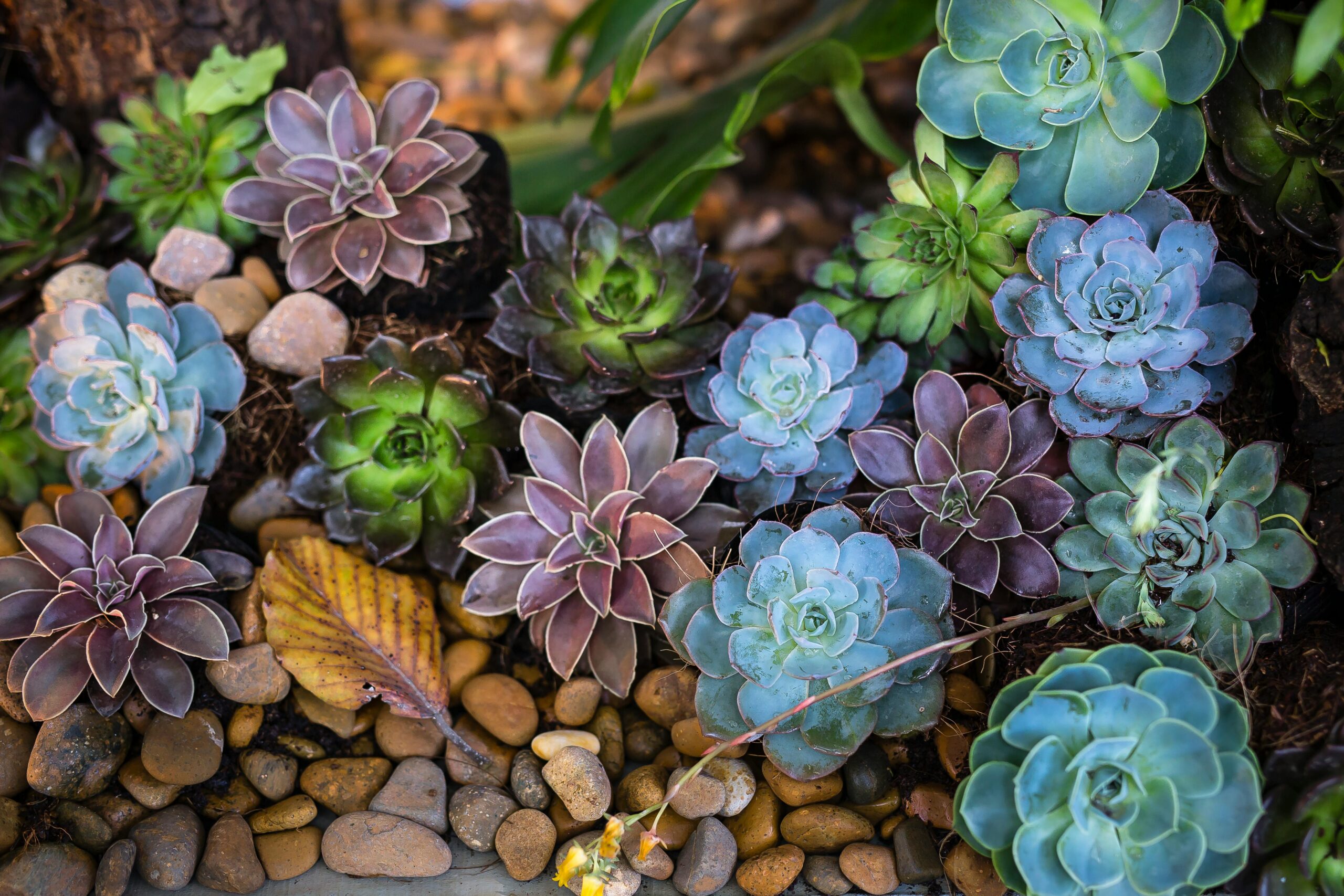
Succulents and cacti might seem counterintuitive for cooling gardens, but their reflective surfaces and heat-resistant properties make them valuable additions. These plants prevent ground heating while requiring minimal water, making them ideal for sustainable cooling landscapes in arid regions.
Agave plants feature architectural forms and silvery-blue foliage that reflects rather than absorbs heat. Their substantial size creates shade at ground level while their water-storing capabilities allow them to thrive with infrequent irrigation.
Yucca species combine sculptural beauty with practical cooling benefits. Their sword-like leaves direct water to their root systems efficiently, and their pale coloration reflects significant amounts of solar radiation.
Native grasses adapted to local conditions provide movement, texture, and cooling without extensive water needs. Varieties like Blue Fescue, Mexican Feather Grass, and Little Bluestem create airy masses that reduce heat buildup while supporting local ecosystems.
🌸 Flowering Plants That Beautify and Cool
Combining aesthetic appeal with functional cooling creates gardens that delight the senses while improving comfort. Many flowering plants offer substantial cooling benefits alongside their visual contributions.
Hostas reign supreme in shaded cooling gardens, with their enormous leaves releasing substantial moisture while creating dramatic foliage displays. These perennials come in hundreds of varieties, offering options for every color scheme and garden size.
Cannas produce tropical-looking foliage and vibrant flowers while thriving in hot, humid conditions. Their large leaves function like natural umbrellas, shading soil and releasing moisture that cools immediate surroundings.
Elephant Ears live up to their name with massive leaves that create instant shade and drama. These heat-loving plants paradoxically cool their environment through transpiration, making them perfect for creating jungle-like retreats in sunny spaces.
Daylilies combine beautiful blooms with cooling grass-like foliage that spreads to cover bare ground. These tough perennials tolerate various conditions while providing reliable seasonal interest and temperature moderation.
Vertical Cooling: Vines and Climbing Plants
Vertical gardens maximize cooling potential in limited spaces by covering walls, fences, and structures. Climbing plants create living insulation that blocks heat absorption while adding dimension and visual interest.
Wisteria produces spectacular spring flowers followed by dense foliage that shades pergolas and arbors effectively. This vigorous climber creates cool tunnels and covered spaces perfect for outdoor relaxation during hot months.
Climbing Hydrangeas thrive in partial shade, producing white flower clusters and attractive foliage that clings to vertical surfaces. These self-clinging vines insulate walls naturally while maintaining moisture in their immediate environment.
Virginia Creeper grows rapidly to cover large areas with five-leaflet foliage that turns brilliant red in autumn. This native climber tolerates various conditions while providing excellent wall cooling and wildlife habitat.
Jasmine varieties offer fragrant flowers and evergreen foliage that creates year-round cooling barriers. Confederate Jasmine and Star Jasmine work particularly well in warmer climates, covering structures with sweet-scented greenery.
🌴 Strategic Plant Placement for Maximum Cooling Impact
Even the best cooling plants won’t achieve their potential without thoughtful placement. Understanding sun patterns, wind direction, and heat sources allows you to position plants where they’ll provide greatest benefit.
West-facing exposures receive the most intense afternoon heat, making them priority areas for shade trees and dense shrubs. Planting deciduous trees 15-20 feet from west-facing walls provides optimal summer shade while allowing winter sun penetration.
South-facing areas benefit from a combination of trees and lower plantings that block ground-level heat reflection. Layering plants at different heights creates multiple shade zones that progressively cool air as it moves through the landscape.
East-facing spaces warm quickly in morning sun, making them ideal for heat-tolerant plants that provide afternoon shade for more delicate species behind them. This creates microclimates within your garden that support diverse plant communities.
North-facing areas receive limited direct sun, making them perfect for shade-loving plants that cool through transpiration. These naturally cooler zones can become refreshing retreats when planted with appropriate species.
Creating Cooling Water Features with Plants
Combining water elements with appropriate plants amplifies cooling effects dramatically. Aquatic and moisture-loving plants enhance evaporative cooling while creating serene environments that feel refreshing on multiple levels.
Water lilies float on pond surfaces, shading water that would otherwise heat rapidly in direct sun. Their large leaves reduce algae growth while their flowers add color and interest to cooling water features.
Papyrus and reeds grow vertically from shallow water, creating movement and visual interest while increasing surface area for evaporative cooling. These architectural plants work well in container water gardens and larger pond installations.
Ferns positioned around water features thrive in the increased humidity while contributing their own cooling effects. Varieties like Japanese Painted Fern and Lady Fern create lush, cool-looking plantings that complement aquatic elements perfectly.
🪴 Container Gardens for Portable Cooling Solutions
Container plantings offer flexibility for renters and those with limited space. Strategic placement of potted plants creates cooling zones that can be repositioned as needs change throughout the season.
Large containers with tropical plants like Banana, Bird of Paradise, or Ginger create instant cooling effects on patios and balconies. Their substantial foliage blocks direct sun while their roots stay cool in elevated containers that allow air circulation.
Grouping multiple containers creates more significant cooling effects than scattered individual pots. Clustering plants mimics natural growing conditions while increasing cumulative transpiration and shade coverage.
Self-watering containers help maintain consistent moisture levels that maximize cooling effects without constant attention. These systems ensure plants have adequate water for transpiration even during heat waves.
Maintenance Tips for Sustained Cooling Performance
Cooling plants require appropriate care to perform their temperature-moderating functions effectively. Proper maintenance ensures plants remain healthy enough to transpire efficiently and provide maximum shade coverage.
Adequate irrigation becomes crucial during heat waves when cooling effects are most needed. Deep, infrequent watering encourages root development while providing moisture for transpiration. Mulching around plants retains soil moisture and prevents root zone heating.
Pruning strategies differ for cooling plants compared to purely ornamental specimens. Maintaining full canopies and dense foliage maximizes shade and transpiration, so avoid excessive thinning that reduces cooling capacity.
Fertilization supports vigorous growth that increases leaf surface area and cooling potential. However, excessive fertilizer can encourage weak growth susceptible to heat stress, so follow species-specific recommendations.
Monitoring plant health ensures early detection of stress that could compromise cooling functions. Heat-stressed plants transpire less efficiently, creating a cycle where reduced cooling leads to increased stress.

🌞 Building Your Personal Cooling Oasis
Creating a refreshing outdoor sanctuary requires combining multiple plant types in cohesive designs that address specific cooling challenges. Start by assessing your space, identifying heat sources, and understanding existing conditions.
Develop a layered approach that incorporates trees for overhead shade, shrubs for mid-level cooling, and ground covers for surface temperature control. This three-dimensional strategy creates comprehensive temperature reduction throughout your property.
Consider year-round appearance and function when selecting plants. While summer cooling remains the primary goal, choose species that provide winter interest and structural beauty during all seasons.
Remember that cooling landscapes take time to mature. Fast-growing species provide quick results while slower-growing plants develop into long-term cooling assets. Combining both approaches ensures continuous benefit as your garden evolves.
Your cooling oasis becomes increasingly effective as plants establish and grow. Patience and proper care transform even modest plantings into powerful climate-moderating landscapes that provide comfort, beauty, and environmental benefits for years to come.