Reflective surfaces and strategic albedo management are transforming how we approach energy efficiency, urban planning, and climate adaptation in our rapidly warming world. 🌍

Understanding Albedo: The Science Behind Surface Reflectivity
Albedo represents the measure of how much light or radiation a surface reflects compared to what it absorbs. Ranging from 0 (complete absorption) to 1 (total reflection), this seemingly simple concept holds profound implications for everything from local microclimates to global temperature patterns. Fresh snow boasts an albedo of approximately 0.8 to 0.9, reflecting most sunlight back into space, while asphalt roads typically register between 0.05 and 0.15, absorbing significant heat energy.
The physics behind albedo involves the interaction between electromagnetic radiation and material properties. When sunlight strikes a surface, photons either bounce back, penetrate and scatter, or convert to heat energy. Surface color, texture, composition, and angle all influence this dynamic exchange. Light-colored, smooth surfaces generally reflect more radiation than dark, rough ones—a principle that ancient civilizations intuitively understood when painting Mediterranean buildings white.
Understanding these fundamentals enables us to manipulate our environment strategically. By selecting materials and finishes with appropriate albedo values, we can reduce cooling costs, mitigate urban heat islands, and even influence regional climate patterns. The potential applications span architecture, urban design, agriculture, and climate engineering.
The Urban Heat Island Effect: A Growing Challenge ☀️
Cities worldwide face a concerning phenomenon known as the urban heat island effect, where metropolitan areas experience significantly higher temperatures than surrounding rural regions. This temperature differential, sometimes exceeding 5-7°C, results primarily from dark surfaces like asphalt and roofing materials that absorb and retain solar radiation throughout the day, releasing it slowly at night.
The consequences extend beyond mere discomfort. Urban heat islands increase energy consumption for air conditioning, elevate heat-related illness and mortality rates, accelerate smog formation, and strain water resources. Vulnerable populations—including elderly residents, children, and those without adequate cooling—suffer disproportionately during heat waves intensified by this effect.
Dark roofs alone can reach temperatures of 65-90°C on summer days, transforming buildings into massive heat absorbers that strain cooling systems and radiate warmth into surrounding air. Multiplied across thousands of structures, this creates a self-reinforcing cycle where heat accumulation demands more energy for cooling, which generates additional waste heat, further warming the urban environment.
Cool Roof Technology: Reflecting Heat Away
Cool roofs represent one of the most effective albedo strategies for combating urban heat. These specially designed roofing systems use highly reflective materials or coatings to bounce sunlight away rather than absorbing it. A typical cool roof might reflect 60-90% of sunlight, compared to just 5-20% for conventional dark roofs.
The benefits cascade through multiple levels. Building owners experience reduced cooling costs, often by 10-30%, with corresponding decreases in peak electricity demand. Equipment lifespan increases due to reduced thermal stress. Indoor comfort improves, particularly in unconditioned spaces like warehouses or garages. At the neighborhood scale, reflected sunlight helps lower ambient air temperatures.
Modern cool roofing technologies include:
- White thermoplastic membranes with solar reflectance exceeding 0.85
- Specially formulated “cool color” coatings that reflect invisible infrared radiation while maintaining aesthetic dark appearances
- Reflective tiles and metal roofing systems designed for durability and performance
- Vegetated green roofs that combine reflectivity with evaporative cooling
Pavement Solutions: Rethinking Roads and Walkways
Traditional asphalt pavement covers approximately 29% of urban surfaces in many cities, creating vast heat-absorbing expanses. Innovative pavement technologies now challenge this status quo by incorporating reflective materials that maintain functionality while reducing heat absorption significantly.
Cool pavements employ several strategies. Reflective coatings applied to existing asphalt can increase albedo from typical values of 0.05-0.15 to 0.25-0.40. Specialized concrete mixes using lighter aggregates naturally reflect more sunlight. Permeable pavements combine reflectivity with stormwater management benefits, allowing water infiltration that provides additional evaporative cooling.
Implementation considerations include pedestrian comfort—highly reflective pavements can create glare issues—and regional climate appropriateness. While cooling benefits prove valuable in hot climates, communities in colder regions might actually benefit from heat-absorbing dark surfaces that help melt snow and reduce heating costs. Context-specific solutions deliver optimal results.
Measuring Real-World Impact 📊
Cities implementing comprehensive albedo strategies report measurable temperature reductions. Los Angeles’s cool pavement pilot program documented surface temperature decreases of 5-7°C on treated streets. Sacramento’s cool roof initiatives contribute to citywide temperature reductions of approximately 0.3-0.5°C, with concentrated benefits in participating neighborhoods.
| Surface Type | Typical Albedo | Peak Temperature |
|---|---|---|
| Black Asphalt | 0.05-0.10 | 65-75°C |
| Concrete | 0.25-0.40 | 45-55°C |
| Cool Pavement | 0.30-0.50 | 35-45°C |
| White Coating | 0.60-0.85 | 30-40°C |
Architectural Applications: Building Better Structures 🏢
Architects increasingly incorporate reflective surface strategies into building design from initial conception rather than as afterthoughts. This integrated approach maximizes benefits while addressing aesthetic concerns that sometimes hinder albedo adoption.
Facade materials now include reflective glass with specialized coatings that reject infrared radiation while maintaining transparency, light-colored cladding systems engineered for durability and weather resistance, and innovative materials like titanium dioxide-infused surfaces that remain clean through photocatalytic reactions, maintaining high reflectivity over time.
The orientation and geometry of reflective surfaces require careful consideration. Strategic placement can direct reflected sunlight away from occupied spaces while maximizing cooling benefits. Computational design tools enable architects to simulate solar angles throughout seasons, optimizing reflective surface positioning for year-round performance.
Balancing Aesthetics and Performance
Early cool roof adoption faced resistance from architects and building owners concerned that white roofs compromised aesthetic vision. This challenge sparked innovation in “cool color” technology—materials engineered to reflect invisible near-infrared radiation while maintaining darker visible appearances.
These advanced coatings allow dark blue, gray, terracotta, and even black roofs to achieve solar reflectance values of 0.30-0.50, significantly better than conventional dark materials (0.05-0.20) while preserving design intent. The technology demonstrates that sustainability and aesthetics need not conflict when approached with creativity and scientific understanding.
Agriculture and Landscape Design: Natural Albedo Management 🌱
Beyond built environments, albedo strategies extend to agricultural practices and landscape design. Crop selection influences regional albedo, with lighter-colored plants reflecting more radiation than darker vegetation. Strategic planning can optimize both agricultural productivity and thermal management.
Landscape designers incorporate reflective elements through careful plant selection, ground cover choices, and hardscape material specification. Light-colored mulches, strategically placed water features that reflect sky light, and appropriate tree canopy coverage create microclimates that reduce cooling demands for nearby structures while maintaining ecological function.
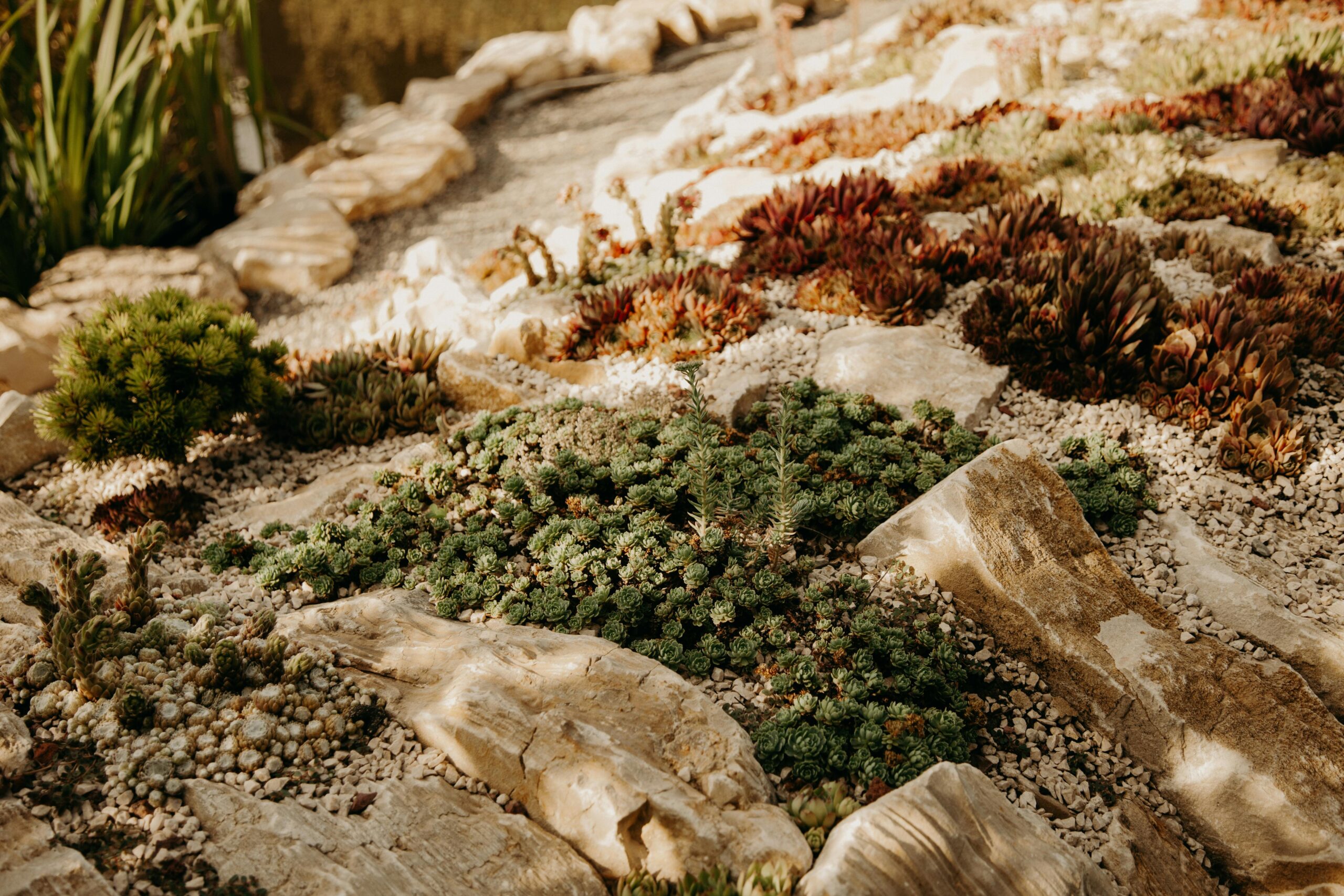
Desert landscaping particularly benefits from albedo considerations. Light-colored gravel, sand, and stone installations reflect radiation while requiring minimal irrigation. When combined with strategically placed vegetation for shade, these landscapes reduce ambient temperatures compared to conventional dark mulch or exposed soil.
Climate Engineering: Planetary-Scale Albedo Modification
Some researchers propose intentional albedo modification at planetary scales as a potential climate intervention strategy. These geoengineering concepts range from relatively modest urban-scale implementations to controversial proposals for stratospheric aerosol injection.
Urban albedo enhancement represents the least controversial approach, delivering localized benefits without systemic risks. Modeling suggests that increasing urban surface reflectivity globally could offset warming equivalent to 44 gigatons of CO2—a significant contribution to climate mitigation efforts.
More ambitious proposals include brightening desert surfaces, enhancing marine cloud reflectivity, or deploying reflective materials across vast areas. However, these interventions raise concerns about unintended consequences, governance challenges, and ethical implications of deliberate climate manipulation. Most experts advocate for proven, reversible strategies before considering more radical interventions.
Implementation Strategies: Making Albedo Work for You 💡
Successful albedo strategies require thoughtful planning appropriate to specific contexts and goals. Property owners can begin with straightforward interventions like cool roof coatings or light-colored hardscaping materials. These relatively simple changes deliver measurable benefits with reasonable investment.
Municipalities developing comprehensive heat mitigation plans should prioritize high-impact areas. Vulnerable neighborhoods with dense development, limited vegetation, and populations susceptible to heat stress benefit most from albedo interventions. Strategic deployment maximizes public health outcomes and community resilience.
Building codes and incentive programs accelerate adoption. Many jurisdictions now mandate minimum roof reflectivity standards for new construction or reroofing projects. Tax incentives, rebate programs, and expedited permitting reduce barriers to voluntary implementation beyond minimum requirements.
Monitoring and Maintenance Considerations
Reflective surfaces require proper maintenance to sustain performance over time. Dust, biological growth, and weathering gradually reduce albedo, diminishing benefits. Regular cleaning protocols, appropriate material selection for local conditions, and periodic recoating extend effective lifespan.
Emerging monitoring technologies enable performance tracking. Infrared thermography identifies heat hotspots indicating degraded reflectivity. Some advanced coatings incorporate indicators that signal when refreshing becomes necessary. These tools support proactive maintenance strategies that preserve investment value.
Economic Implications: Calculating Return on Investment 💰
Albedo strategies deliver measurable economic benefits beyond energy savings. Reduced peak electricity demand decreases infrastructure requirements for utilities, avoiding costly capacity expansion. Extended equipment lifespan lowers replacement frequency. Improved comfort increases productivity in commercial and industrial settings.
Cool roof investments typically achieve payback periods of 2-7 years through energy savings alone in hot climates. When considering additional benefits like extended roof life, reduced maintenance costs, and potential utility incentives, financial returns strengthen considerably. Communities benefit from reduced heat-related healthcare costs and improved economic activity during extreme heat events.
Property values in neighborhoods implementing comprehensive heat mitigation strategies may experience appreciation as climate adaptation becomes increasingly valued. Forward-thinking investors recognize that climate-resilient properties represent reduced risk in warming scenarios.
Future Horizons: Emerging Technologies and Research
Innovation continues advancing albedo management capabilities. Researchers develop adaptive surfaces that modify reflectivity based on environmental conditions—reflecting radiation when cooling is beneficial, absorbing when heating is desired. These “smart surfaces” could optimize year-round performance automatically.
Nanotechnology enables unprecedented control over material optical properties. Engineered nanostructures manipulate light interaction at molecular scales, creating surfaces with precisely tailored reflectivity across different wavelengths. This precision allows optimization for specific climate zones and applications.
Integration with renewable energy systems presents exciting possibilities. Researchers explore surfaces that simultaneously reflect heat and generate electricity through photovoltaic properties, or materials that convert reflected radiation into useful energy rather than simply bouncing it away.

Creating Your Reflective Strategy: Practical Next Steps ✨
Starting your albedo optimization journey begins with assessment. Evaluate existing surfaces for improvement opportunities. Roofs, paving, and exterior walls typically offer greatest potential. Consider climate context—cooling-dominated regions benefit most from high-albedo strategies, while heating-dominated areas require balanced approaches.
Research available products and technologies appropriate for your specific application. Consult manufacturers about performance data, warranty terms, and maintenance requirements. Seek examples of similar successful implementations in comparable climates to understand real-world performance.
Consider engaging professionals experienced with reflective surface strategies. Qualified contractors ensure proper installation critical for achieving promised performance. Energy auditors can model expected savings and help prioritize interventions for maximum return on investment.
Finally, advocate for supportive policies in your community. Encourage building code updates, incentive programs, and municipal adoption of albedo strategies in public infrastructure. Collective action amplifies individual efforts, creating cooler, more comfortable, and more sustainable communities for everyone.
Harnessing reflective surfaces and strategic albedo management represents a powerful, proven approach to climate adaptation and energy efficiency. From individual buildings to entire cities, these strategies deliver measurable benefits today while contributing to longer-term climate stability. By understanding the science and implementing appropriate solutions thoughtfully, we can literally reflect our way toward a cooler, more sustainable future.