
Parks and plazas are only as successful as the frequency with which people return. Creating vibrant public spaces requires more than attractive design—it demands strategic retention approaches that transform first-time visitors into regular patrons.

🌳 Understanding the Retention Challenge in Public Spaces
The difference between a thriving urban plaza and an empty one isn’t always about location or budget. Research shows that successful public spaces share a common characteristic: they’ve mastered the art of bringing people back. Unlike retail environments where customer retention drives revenue, parks and plazas must cultivate return visits through emotional connection, programming excellence, and continuous relevance to community needs.
Municipal planners and landscape architects increasingly recognize that inaugural visits tell only part of the story. The real measure of success lies in repeat engagement—when residents choose these spaces repeatedly for recreation, socialization, and daily routines. This shift in perspective transforms how we approach design, maintenance, and community programming.
The Psychology Behind Repeated Visits
Human behavior in public spaces follows predictable patterns rooted in psychology. People return to places that satisfy multiple needs simultaneously: physical comfort, social connection, aesthetic pleasure, and functional utility. Understanding these motivations provides the foundation for effective retention strategies.
Creating Emotional Anchors
Emotional attachment to place doesn’t happen accidentally. It develops through positive experiences, personal memories, and consistent quality. When visitors associate a park or plaza with pleasant emotions—whether from a successful first date, a child’s laughter, or a peaceful lunch break—they’re neurologically programmed to seek that experience again.
Strategic design elements can accelerate this emotional bonding. Distinctive features that serve as mental landmarks, spaces that accommodate personal rituals, and environments that evolve with the seasons all contribute to deeper connections. The goal isn’t merely satisfaction but genuine affection for the space.
Building Habit Loops in Public Space Usage
Behavioral scientists understand that habits form through consistent cue-routine-reward cycles. Successful parks and plazas integrate themselves into daily routines by providing reliable cues (convenient location, visible from regular routes), rewarding experiences (pleasant atmosphere, useful amenities), and consistent quality that reinforces the behavior loop.
Morning joggers, lunchtime walkers, evening dog owners—each represents a habit loop that retention-focused spaces cultivate. The most successful public spaces support multiple habit loops, ensuring activity throughout the day and across seasons.
🎯 Core Retention Strategies That Work
Effective retention in public spaces requires intentional, multi-layered approaches. The following strategies have proven successful across diverse communities and space types.
Programming That Creates Anticipation
Regular programming transforms passive spaces into active destinations. Weekly farmers markets, monthly concerts, seasonal festivals—these recurring events create anticipation and establish attendance patterns. The key lies in consistency and quality that exceeds expectations.
Successful programming balances predictability with novelty. Regular yoga classes at the same time each week build habitual attendance, while special guest instructors provide fresh experiences that re-engage existing participants and attract new ones. This combination prevents stagnation while maintaining reliable anchors that people build their schedules around.
Layered Activities for Diverse Users
Single-purpose spaces rarely achieve high retention rates. The most successful parks and plazas accommodate multiple activities simultaneously, allowing different user groups to find value during the same visit. A well-designed plaza might host children playing near fountains while professionals conduct walking meetings along peripheral paths and seniors enjoy shaded seating areas.
This layering extends beyond physical design into temporal programming. Spaces that transform throughout the day—from morning fitness zone to midday work-friendly environment to evening entertainment venue—multiply their utility and broaden their appeal, increasing the likelihood that various community segments will return regularly.
Design Elements That Encourage Return Visits
Physical design profoundly influences retention, though often in subtle ways that escape casual observation. Certain design principles consistently correlate with higher return visit rates.
Comfortable Microclimates Throughout Seasons ☀️
Weather resistance determines whether spaces remain viable year-round or become seasonal destinations. Strategic placement of shade structures, windbreaks, and sun-exposed areas allows users to find comfort regardless of conditions. Spaces designed with microclimate variation accommodate individual preferences and changing weather patterns throughout a single day.
The most retention-focused designs anticipate seasonal transitions. Deciduous trees providing summer shade while allowing winter sun, water features that transform into seasonal displays, and shelter options for unexpected weather—these elements signal that the space welcomes visitors consistently, not just during optimal conditions.
Flexible Furniture and Movable Elements
Fixed benches in predetermined arrangements limit how people use spaces. Movable seating empowers users to configure their environment, creating ownership and personalization that strengthens attachment. This flexibility accommodates solo visitors seeking solitude and groups requiring conversation circles with equal effectiveness.
Research by William H. Whyte demonstrated that spaces with movable chairs see significantly higher usage and longer dwell times than those with fixed seating. This finding has profound retention implications—when people can shape their environment to match their needs, they’re more likely to return knowing the space adapts to them rather than forcing adaptation.
📊 Measuring What Brings People Back
Retention strategies require measurement to validate effectiveness and guide refinements. Modern technology enables sophisticated tracking while respecting privacy.
Visitor Pattern Analytics
Understanding who returns, when, and how frequently provides actionable insights. Anonymized WiFi tracking, pedestrian counters, and periodic observational studies reveal usage patterns that inform programming decisions and design modifications.
| Metric | What It Reveals | Retention Insight |
|---|---|---|
| Peak usage times | When space is most valued | Optimal programming windows |
| Average dwell time | Comfort and engagement levels | Design effectiveness |
| Return visit frequency | Habit formation success | Core retention measure |
| Activity diversity | Multi-purpose utility | Breadth of appeal |
| Seasonal variation | Year-round viability | Weather-resistance effectiveness |
Qualitative Feedback Mechanisms
Numbers tell important stories, but qualitative insights reveal the emotional drivers behind retention. Regular community surveys, suggestion boxes, social media monitoring, and informal conversations with frequent users uncover what quantitative data cannot—the personal reasons people choose to return.
Successful space managers create feedback loops that demonstrate responsiveness. When visitors see their suggestions implemented, their investment in the space deepens. This participatory relationship transforms passive users into active stakeholders who feel ownership and advocate for the space within their social networks.
Community Engagement as Retention Foundation
The strongest retention strategies recognize that communities sustain public spaces, not municipalities alone. Genuine engagement creates invested participants who return not merely as visitors but as co-creators and guardians.
Volunteer Programs That Build Ownership 🤝
Organized volunteer opportunities—from garden maintenance to event staffing—convert casual users into committed stakeholders. People who invest time and effort develop deeper connections and become ambassadors who encourage others to visit and return.
The most effective volunteer programs balance meaningful contribution with accessibility. Not everyone can commit to regular schedules, but episodic opportunities like seasonal planting days or cleanup events allow broader participation. This tiered approach builds a pyramid of engagement, with casual participants potentially evolving into core volunteers over time.
Local Partnership Networks
Schools, businesses, nonprofits, and community groups represent potential partners whose involvement multiplies retention impact. A nearby school that regularly uses a plaza for outdoor learning creates hundreds of family connections to that space. Local businesses hosting pop-up events draw their customer bases while adding vibrancy that benefits all users.
Strategic partnerships extend beyond programming into maintenance and improvement. When local businesses adopt planter beds, community groups fund specific amenities, or schools create public art installations, these partnerships create tangible connections that encourage repeated visits from extended networks.
🌟 Technology Integration for Modern Retention
Digital tools increasingly support retention strategies when implemented thoughtfully. Technology should enhance rather than replace direct physical experience.
Event Discovery and Community Platforms
Mobile applications that centralize information about park and plaza activities reduce barriers to participation. When users can easily discover upcoming events, check real-time conditions, or connect with other regular visitors, they’re more likely to plan return visits.
Community-building features—forums for organizing pickup games, bulletin boards for sharing photos, or platforms for suggesting programming—extend the space’s presence beyond its physical boundaries. This digital layer keeps the space present in users’ minds between visits, increasing return frequency.
Gamification and Challenge Systems
Fitness tracking apps that recognize park visits, scavenger hunts using QR codes, or photography challenges celebrating seasonal changes leverage gamification psychology to encourage repeated engagement. These systems work best when designed to complement rather than dominate the experience, adding motivational layers without becoming the primary purpose.
Maintenance as Retention Strategy
Nothing undermines retention faster than declining maintenance. Visible neglect signals that a space isn’t valued, discouraging return visits. Conversely, consistent upkeep demonstrates ongoing commitment that users reciprocate with loyalty.
The Broken Windows Theory in Public Spaces
Environmental psychology’s broken windows theory applies directly to parks and plazas. Small signs of disrepair—graffiti, broken fixtures, overflowing trash—signal abandonment and accelerate decline. Rapid response to maintenance issues, regardless of scale, communicates care that influences user behavior positively.
Successful maintenance programs prioritize visibility during peak usage times. Users who consistently see maintenance staff actively caring for the space develop confidence in its ongoing quality. This visibility serves dual purposes: ensuring the space remains attractive and demonstrating institutional commitment that builds user trust.
Adaptive Improvements Based on Observed Use
The most retention-focused maintenance approaches blend preservation with evolution. Observing how people actually use spaces—where they create informal paths, which areas receive heavy use, what amenities show wear—provides guidance for adaptive improvements that increase functionality while demonstrating responsiveness to user needs.
Creating Signature Experiences That Define Spaces ✨
Memorable public spaces often feature distinctive elements that become synonymous with the location itself. These signature experiences create unique value propositions that can’t be replicated elsewhere, giving people specific reasons to return to that particular space rather than any alternative.
Unique Design Features
Iconic fountains, distinctive public art, innovative playground equipment, or architectural elements create visual identity and experiential uniqueness. These features serve as both attractions and ambassadors—they photograph well, generate social media content, and become landmarks that people associate with positive experiences.
The key lies in creating features that remain engaging across multiple visits. Interactive elements, seasonal variations, or details that reveal themselves gradually maintain interest beyond initial novelty. The best signature features invite repeated interaction without exhausting their appeal.
Cultural Programming and Identity
Spaces that reflect and celebrate community identity create belonging that transcends aesthetic appeal. Regular cultural festivals, public art reflecting local history, or programming that honors diverse community traditions build connections between residents and places. This cultural resonance provides emotional anchors that generic spaces cannot match.
Addressing Barriers to Return Visits
Understanding why people don’t return proves as valuable as knowing why they do. Identifying and removing barriers systematically increases retention rates.
Accessibility Across All Abilities
Physical barriers exclude potential users and prevent return visits. True accessibility extends beyond ADA compliance to creating genuinely welcoming environments for people of all abilities. Clear pathways, varied seating heights, sensory-friendly zones, and inclusive programming signal that everyone belongs.
Accessibility considerations should inform every retention strategy. Programming that accommodates varying mobility levels, signage that serves multiple sensory modes, and design that supports assisted navigation all expand the community of potential regular users.
Safety Perceptions and Reality
Perceived safety influences return decisions as powerfully as actual safety. Well-lit pathways, clear sightlines, active programming during various hours, and visible maintenance all contribute to safety perceptions. Spaces that feel safe encourage longer visits and more frequent returns, particularly among populations that experience heightened vulnerability.
🎨 The Role of Beauty and Aesthetics in Retention
While functionality drives initial usage, beauty sustains repeated engagement. Spaces that offer aesthetic pleasure beyond their utilitarian functions create emotional rewards that encourage return visits.
Seasonal Beauty and Change
Gardens that progress through bloom sequences, trees that display fall color, or design elements that interact differently with seasonal light provide reasons to return throughout the year. This temporal variation ensures that repeat visitors encounter freshness rather than stagnation, maintaining interest across seasons and years.
The most sophisticated designs create beauty at multiple scales—grand vistas for dramatic impact, intimate details that reward close observation, and mid-scale compositions that frame everyday experiences. This layered approach ensures that casual visitors and devoted regulars alike find visual interest appropriate to their engagement level.
Sustaining Momentum Through Evolution
Long-term retention requires evolution. Spaces that remain static eventually lose relevance as communities change, preferences shift, and competing attractions emerge. Strategic evolution balances preservation of successful elements with adaptation to emerging needs.
Responsive Planning Cycles
Rather than viewing design as permanent, retention-focused management treats spaces as living systems requiring periodic assessment and adjustment. Regular planning cycles that incorporate user feedback, usage data, and community trends enable proactive evolution that maintains relevance.
This approach doesn’t mean constant dramatic change, which can alienate devoted users. Instead, it involves thoughtful refinements, pilot programs for new features, and gradual improvements that demonstrate responsiveness while preserving core identity.
💡 Learning From Success Stories
Examining parks and plazas that achieve exceptional retention rates reveals common patterns worth emulating. Bryant Park in New York, Pioneer Courthouse Square in Portland, and numerous successful neighborhood parks worldwide demonstrate that retention success crosses contexts and scales.
These success stories share key characteristics: active management that treats the space as a dynamic venue rather than static infrastructure, robust programming that creates regular reasons to visit, design that accommodates diverse users simultaneously, and authentic community engagement that builds stakeholder networks. Their sustained success validates retention-focused approaches while providing models adaptable to different contexts.
Building Your Retention Strategy
Implementing effective retention strategies begins with honest assessment of current performance, clear articulation of community needs and desires, and commitment to treating retention as a core success metric rather than an afterthought.
- Conduct baseline measurements of current usage patterns and return visit rates
- Engage community members in identifying what would bring them back more frequently
- Audit physical design for barriers and opportunities related to retention
- Develop programming calendars that create consistent reasons for return visits
- Establish feedback mechanisms that close the loop between user input and management response
- Create partnerships that expand stakeholder investment in space success
- Implement maintenance protocols that signal ongoing commitment to quality
- Set retention-specific goals and track progress systematically
The Compound Returns of Retention Focus 🚀
Retention strategies create compound benefits that extend beyond visitor counts. Regular users become advocates who recruit new visitors within their social networks. Increased usage justifies enhanced maintenance budgets and improvement investments. Demonstrated success attracts partnerships and programming opportunities. Vibrant spaces catalyze surrounding economic activity and property value increases.
These cascading benefits transform retention from a operational goal into a strategic priority with implications for community health, economic development, and quality of life. Parks and plazas that master retention strategies become genuine community assets rather than underutilized infrastructure.
Moving Forward With Purpose
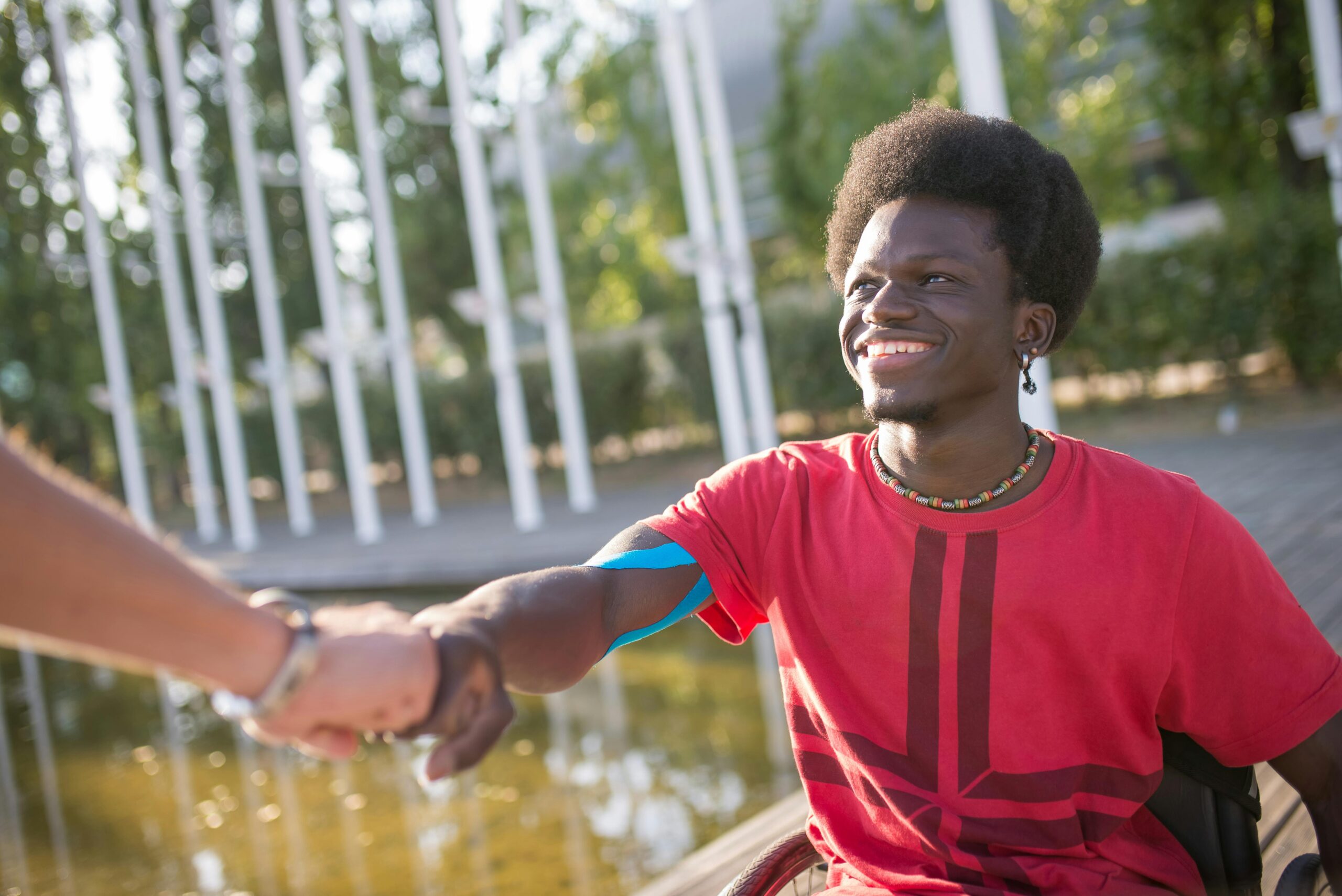
The most successful parks and plazas don’t happen accidentally—they result from intentional strategies that prioritize bringing people back repeatedly. By understanding the psychology of return visits, implementing proven retention approaches, measuring what matters, and maintaining commitment to evolution, communities can transform public spaces into beloved destinations that strengthen social fabric and enhance daily life.
The journey toward retention excellence requires patience, resources, and sustained focus. However, the rewards—spaces that communities genuinely value, use regularly, and protect fiercely—justify the investment many times over. When parks and plazas succeed at bringing people back, everyone benefits from the vibrant public realm that results.
The key isn’t creating spaces that people visit once and forget. It’s designing, programming, and managing environments so compelling, comfortable, and connected to community life that people keep coming back—and that makes all the difference.