Managing stormwater effectively has become one of the most critical challenges facing urban planners, developers, and environmental engineers in our rapidly developing world. 🌍

As cities expand and impervious surfaces replace natural landscapes, the need for intelligent water management solutions has never been more urgent. The consequences of poor stormwater management range from flooding and erosion to water quality degradation and ecosystem disruption. Three primary solutions have emerged as frontrunners in the battle against urban runoff: bioswales, retention ponds, and detention basins. Each approach offers unique advantages and faces distinct limitations, making the choice between them far from straightforward.
Understanding which solution reigns supreme requires examining multiple factors including site conditions, regulatory requirements, maintenance demands, cost implications, and environmental benefits. This comprehensive analysis will explore each system’s strengths and weaknesses to help you determine the optimal water management strategy for your specific needs.
🌿 Bioswales: Nature’s Filtration System
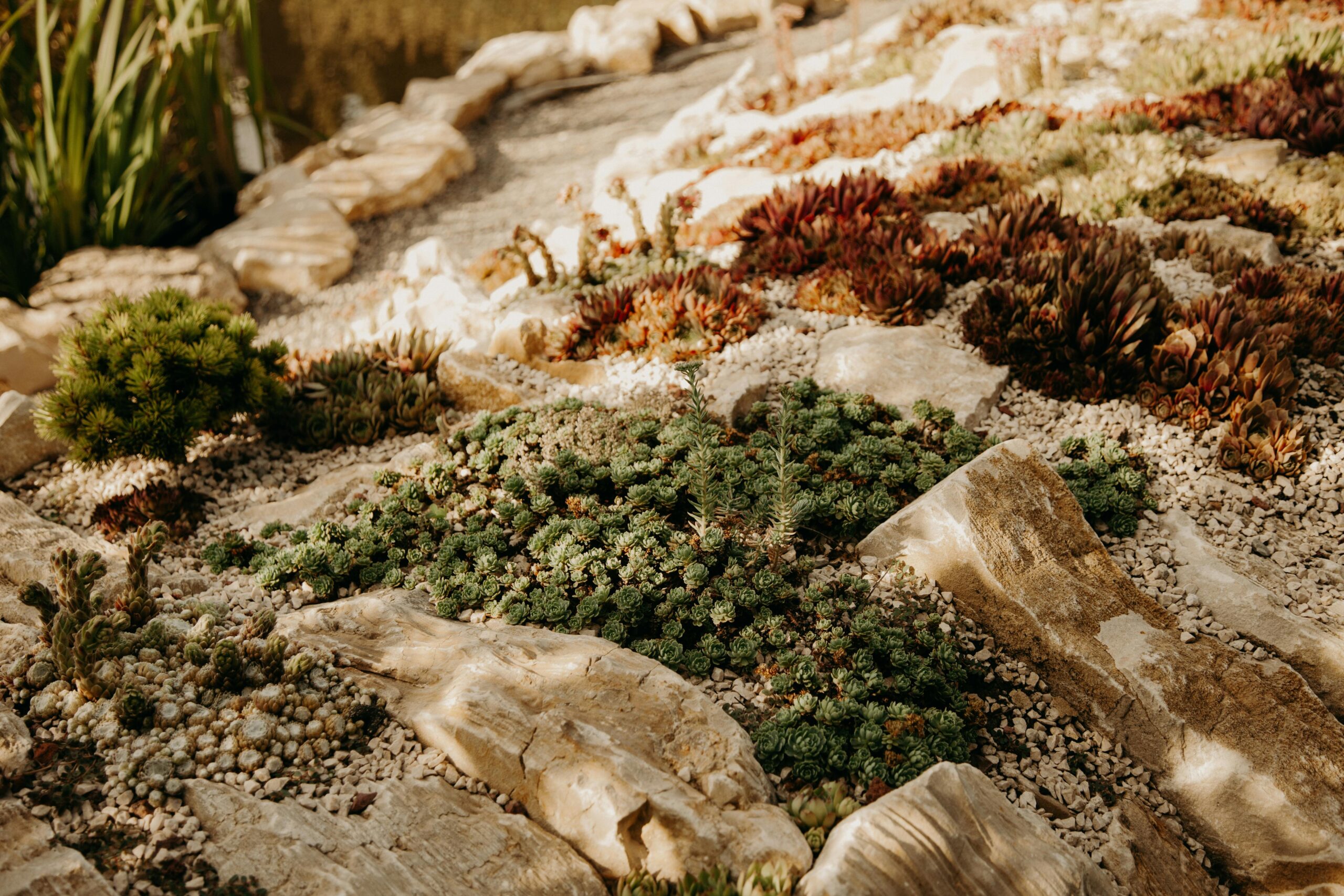
Bioswales represent a green infrastructure approach that mimics natural processes to manage stormwater. These vegetated channels are designed to convey, treat, and infiltrate runoff while removing pollutants through biological and physical processes. Unlike traditional gray infrastructure, bioswales integrate seamlessly into landscapes, providing aesthetic and ecological benefits alongside their functional purpose.
The anatomy of a bioswale typically includes engineered soil media, native vegetation, and often an underdrain system. As water flows through the swale, multiple treatment mechanisms occur simultaneously. Vegetation slows water velocity, allowing sediment to settle. Plant roots and soil microorganisms break down pollutants, while the soil media filters contaminants. This multi-layered approach makes bioswales particularly effective at improving water quality.
When Bioswales Shine Brightest
Bioswales excel in linear applications such as parking lot edges, roadway medians, and pedestrian corridors. They’re particularly effective in developments where space is limited but water quality treatment is paramount. Sites with moderate drainage areas—typically less than five acres per bioswale—see the best results. The systems perform optimally in areas with well-draining soils and sufficient sunlight to support healthy vegetation.
From an environmental perspective, bioswales offer unmatched benefits. They provide habitat for pollinators and beneficial insects, reduce urban heat island effects, sequester carbon, and create visually appealing green spaces. These ecological co-benefits make bioswales increasingly popular in developments pursuing sustainability certifications or meeting green infrastructure mandates.
The Limitations You Need to Know
Despite their advantages, bioswales aren’t universal solutions. They require regular maintenance including vegetation management, mulch replenishment, and sediment removal. Neglected bioswales quickly become eyesores and lose functionality. Winter climates present additional challenges as road salt can damage vegetation and reduce infiltration capacity.
Bioswales also have limited capacity for large storm events. During intense rainfall, they may become overwhelmed, requiring overflow pathways to prevent flooding. Sites with poor drainage or high groundwater tables may experience standing water issues, creating mosquito breeding grounds and plant stress. Additionally, bioswales need sufficient space—typically 4-6% of the drainage area—which isn’t always available in highly urbanized settings.
💧 Retention Ponds: Permanent Water Features with Purpose
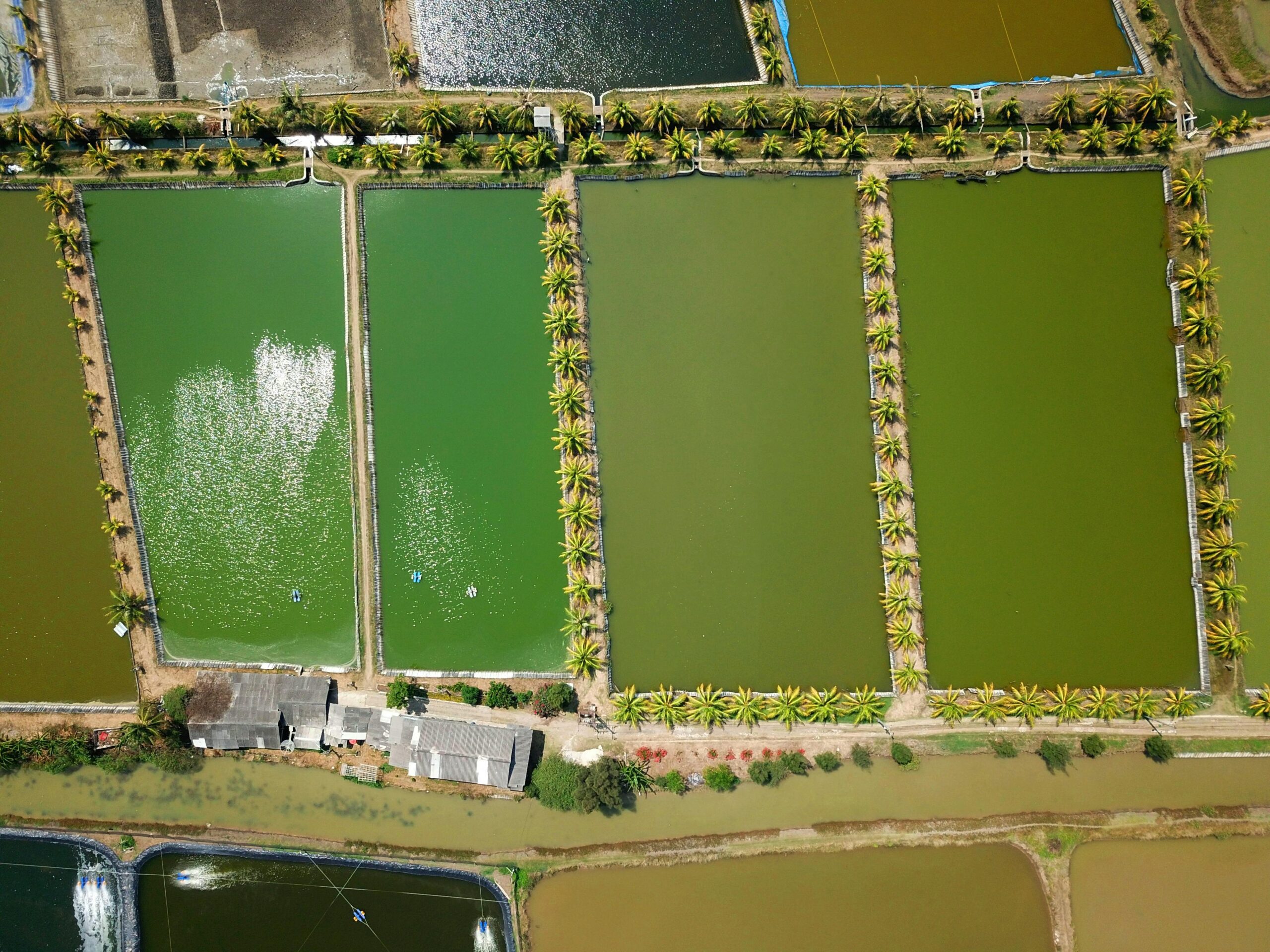
Retention ponds, also called wet ponds, maintain a permanent pool of water that fluctuates with rainfall and evaporation. These systems provide both water quantity and quality control by capturing runoff, allowing sediments to settle, and enabling biological treatment processes within the standing water. The permanent pool distinguishes retention ponds from their detention basin cousins and creates unique management opportunities.
The design of retention ponds incorporates multiple zones including a deeper permanent pool, a shallow littoral shelf for aquatic vegetation, and additional capacity above the permanent pool level for storm events. This layered approach maximizes treatment efficiency while creating diverse aquatic habitats. The permanent water body supports biological communities that continuously process nutrients and organic matter, providing ongoing treatment between storm events.
Strategic Advantages of Retention Systems
Retention ponds handle large drainage areas effectively, often managing 25 to 100 acres or more. This makes them ideal for commercial developments, industrial parks, and residential communities. They provide excellent pollutant removal, particularly for nutrients, sediments, and trace metals. Studies consistently show retention ponds removing 70-90% of suspended solids and 30-60% of nutrients from stormwater.
The aesthetic appeal of retention ponds adds significant value to properties. When properly designed with natural contours, diverse plantings, and wildlife-friendly features, they become community amenities rather than mere infrastructure. Many successful developments showcase retention ponds as focal points with walking trails, benches, and educational signage. The habitat value for waterfowl, amphibians, and other wildlife further enhances their environmental credentials. 🦆
Challenges and Considerations
Retention ponds require substantial land area—typically 2-3% of the watershed they serve—which translates to significant opportunity cost in valuable development sites. They also demand careful engineering to maintain the permanent pool through dry periods while preventing excessive fluctuation that could damage littoral vegetation.
Safety concerns warrant serious attention. Open water bodies pose drowning risks, particularly for children, necessitating safety measures such as gentle slopes, fencing, or strategic vegetation barriers. Liability considerations make some developers hesitant to incorporate retention ponds despite their effectiveness.
Maintenance requirements include periodic sediment removal, typically every 10-20 years, which can be expensive and disruptive. Algae blooms may occur if nutrient loading exceeds the pond’s treatment capacity, creating aesthetic problems and odor issues. In colder climates, ice formation affects pond function and safety. Long-term maintenance funding mechanisms must be established to ensure sustained performance over decades.
⚡ Detention Basins: The Workhorse Solution
Detention basins, also called dry ponds, temporarily store stormwater and release it at controlled rates, remaining dry between rain events. Their primary function is flood control—reducing peak discharge rates to prevent downstream flooding and erosion. While offering less water quality treatment than retention ponds or bioswales, detention basins excel at managing water quantity economically.
These systems typically consist of excavated or bermed areas with engineered outlet structures that restrict discharge rates. The basin fills during storms, then gradually drains over hours or days. This temporary storage “flattens” the hydrograph, reducing stress on downstream infrastructure and waterways. Modern detention basin design often incorporates multiple outlets to manage storms of varying intensity.
Why Detention Basins Dominate Many Sites
Cost-effectiveness makes detention basins attractive for budget-conscious projects. Construction costs typically run 40-60% less than comparable retention ponds, and maintenance demands are minimal when basins are properly graded and vegetated. The dry basin floor between storms allows dual-use opportunities such as playing fields, dog parks, or lawn areas—maximizing land use efficiency in space-constrained developments.
Detention basins adapt well to various site conditions and climate zones. They function effectively in areas with high groundwater, poor soils, or limited space for permanent water features. The absence of standing water eliminates mosquito concerns and reduces liability compared to retention ponds. In regions with freeze-thaw cycles, detention basins avoid ice-related complications.
These systems handle extremely large drainage areas economically, making them standard for major commercial and industrial developments. Regional detention facilities can serve entire neighborhoods or business parks, centralizing stormwater management and reducing infrastructure redundancy.
The Trade-offs of Detention Approach
Limited water quality treatment represents the primary disadvantage of conventional detention basins. While they provide some settling of coarse sediments, they don’t offer the biological treatment or infiltration benefits of bioswales or the extended settling time of retention ponds. This limitation has led to enhanced detention basin designs incorporating forebays, vegetated buffers, and extended detention volumes for improved treatment.
Aesthetic considerations challenge detention basin acceptance in residential developments. Empty basins with concrete outlets and mowed grass lack visual appeal compared to bioswales or attractive retention ponds. However, creative design with naturalized vegetation, meandering flow paths, and integrated amenities can transform detention basins into community assets.
Downstream impacts require careful consideration. While detention basins reduce peak flows, the extended discharge duration may alter stream channel stability and aquatic habitat. Some jurisdictions now require stream channel protection volumes in addition to traditional detention to address these ecological concerns.
🔍 Comparing Performance Across Key Metrics
Choosing the optimal water management solution requires evaluating multiple performance criteria. The relative importance of each factor varies by site context, regulatory environment, and project goals. Understanding how each system performs across critical metrics enables informed decision-making.
| Criteria | Bioswales | Retention Ponds | Detention Basins |
|---|---|---|---|
| Pollutant Removal | Excellent (80-95%) | Very Good (70-90%) | Fair (20-40%) |
| Peak Flow Reduction | Moderate | Excellent | Excellent |
| Land Requirements | Low (4-6%) | High (2-3%) | Moderate (1-2%) |
| Construction Cost | Moderate | High | Low |
| Maintenance Intensity | High | Moderate | Low |
| Aesthetic Value | Excellent | Very Good | Fair |
| Habitat Provision | Good | Excellent | Limited |
Site-Specific Success Factors
Soil conditions dramatically influence system selection. Bioswales require well-draining soils or engineered media for proper function, making them challenging in clay-dominated regions without significant modification. Retention ponds need soils that maintain a permanent pool—either impermeable layers or high water tables. Detention basins adapt to virtually any soil type, though drainage rates affect outlet design.
Available space often determines feasibility. Urban infill projects with limited footprints may accommodate bioswales along transportation corridors but lack room for ponds or basins. Suburban developments typically have flexibility to implement any approach or combine multiple strategies.
Climate considerations affect long-term performance. Bioswales struggle in arid climates without irrigation support and face challenges in regions with heavy road salt application. Retention ponds in water-scarce areas may struggle to maintain permanent pools, while detention basins function across diverse climatic zones with minimal modification.
💰 Economic Analysis: Total Cost of Ownership
Initial construction costs tell only part of the economic story. Life-cycle cost analysis reveals the true financial implications of each approach over typical 20-30 year planning horizons. This comprehensive view often changes the economic rankings compared to construction costs alone.
Bioswales carry moderate initial costs but high ongoing maintenance expenses. Annual vegetation care, mulch replacement, and periodic media replacement add up over time. However, their small footprint may reduce overall land costs in expensive markets. Projects with existing landscape maintenance programs can often integrate bioswale care efficiently, reducing incremental costs.
Retention ponds have high upfront costs due to excavation, liner systems (if needed), and landscaping. However, maintenance intervals are measured in years rather than months. The major periodic expense—sediment removal—occurs only once or twice over a 30-year period. Property value enhancement from attractive water features may offset initial costs in residential developments.
Detention basins offer the lowest total cost of ownership in many scenarios. Minimal construction costs combine with low maintenance requirements—primarily mowing and occasional inlet/outlet clearing. The ability to serve as dual-use space adds economic value beyond stormwater function. For purely cost-driven decisions, detention basins frequently emerge as winners.
🏆 Regulatory Compliance and Future Trends
Evolving stormwater regulations increasingly favor green infrastructure approaches that provide water quality treatment alongside quantity control. Many jurisdictions now require low-impact development (LID) techniques as first-line strategies, with conventional systems like detention basins acceptable only when LID approaches prove infeasible. This regulatory shift advantages bioswales and modern retention pond designs incorporating natural treatment processes.
Total Maximum Daily Load (TMDL) requirements in impaired watersheds often necessitate significant pollutant removal, steering projects toward bioswales or retention ponds rather than basic detention. Credit systems in some areas provide development incentives for implementing green infrastructure, improving the economic case for these approaches.
Climate change adaptation considerations are reshaping water management strategies. More intense rainfall events demand greater storage capacity, while extended dry periods challenge systems dependent on consistent moisture. Hybrid approaches combining multiple strategies increasingly represent best practice, providing redundancy and addressing both water quantity and quality comprehensively.
🎯 Making the Right Choice for Your Project
No single solution reigns supreme across all contexts—the optimal choice depends on your specific circumstances, priorities, and constraints. Successful projects often integrate multiple approaches in treatment trains that leverage each system’s strengths while compensating for weaknesses.
Choose bioswales when water quality treatment is paramount, space is limited to linear corridors, and ongoing maintenance capacity exists. They’re ideal for parking areas, streetscapes, and developments pursuing green certifications. Ensure adequate drainage and sunlight for long-term success.
Select retention ponds for larger drainage areas where water quality and habitat creation are priorities, sufficient land is available, and the permanent water feature enhances rather than detracts from site value. They work well for residential communities, campuses, and parks where the aesthetic and recreational benefits justify the higher costs and land requirements.
Opt for detention basins when flood control is the primary objective, budgets are constrained, and dual-use opportunities exist. They’re appropriate for industrial sites, large commercial developments, and situations where other approaches prove technically or economically infeasible. Consider enhanced designs with extended detention and vegetated components to improve treatment performance.
🌟 The Winning Strategy: Integration and Innovation
Rather than viewing these approaches as competing alternatives, forward-thinking designers recognize them as complementary tools in a comprehensive water management toolkit. Treatment train approaches that route runoff through multiple systems capture the benefits of each while creating resilient, redundant infrastructure.
A common configuration places bioswales at parking lot edges for initial treatment, directing overflow to a larger detention or retention facility. This strategy removes the most easily captured pollutants close to the source while providing downstream flood protection. The bioswales handle frequent small storms—the majority of annual rainfall—while the basin manages less frequent large events.
Innovation continues advancing all three approaches. Enhanced bioswale designs incorporate subsurface storage for increased capacity. Modern retention ponds feature floating wetland islands and recirculating pumps for improved treatment. Detention basins are being reimagined with native landscaping, educational features, and integrated green infrastructure elements.
Smart technologies are entering water management, with sensors monitoring system performance and automated controls optimizing storage and release timing. These advances promise improved efficiency and reduced maintenance costs across all system types, potentially reshaping the competitive landscape in coming years.
Ultimately, the quest for water management supremacy misses the point. Success lies not in declaring a single winner but in thoughtfully matching solutions to site conditions, project goals, and community needs. By understanding each approach’s strengths and limitations, you can design resilient, effective stormwater systems that protect water resources, prevent flooding, and enhance the built environment for generations to come. The true champion is the integrated approach that serves your specific situation best while contributing to broader watershed health and community sustainability. 🌊