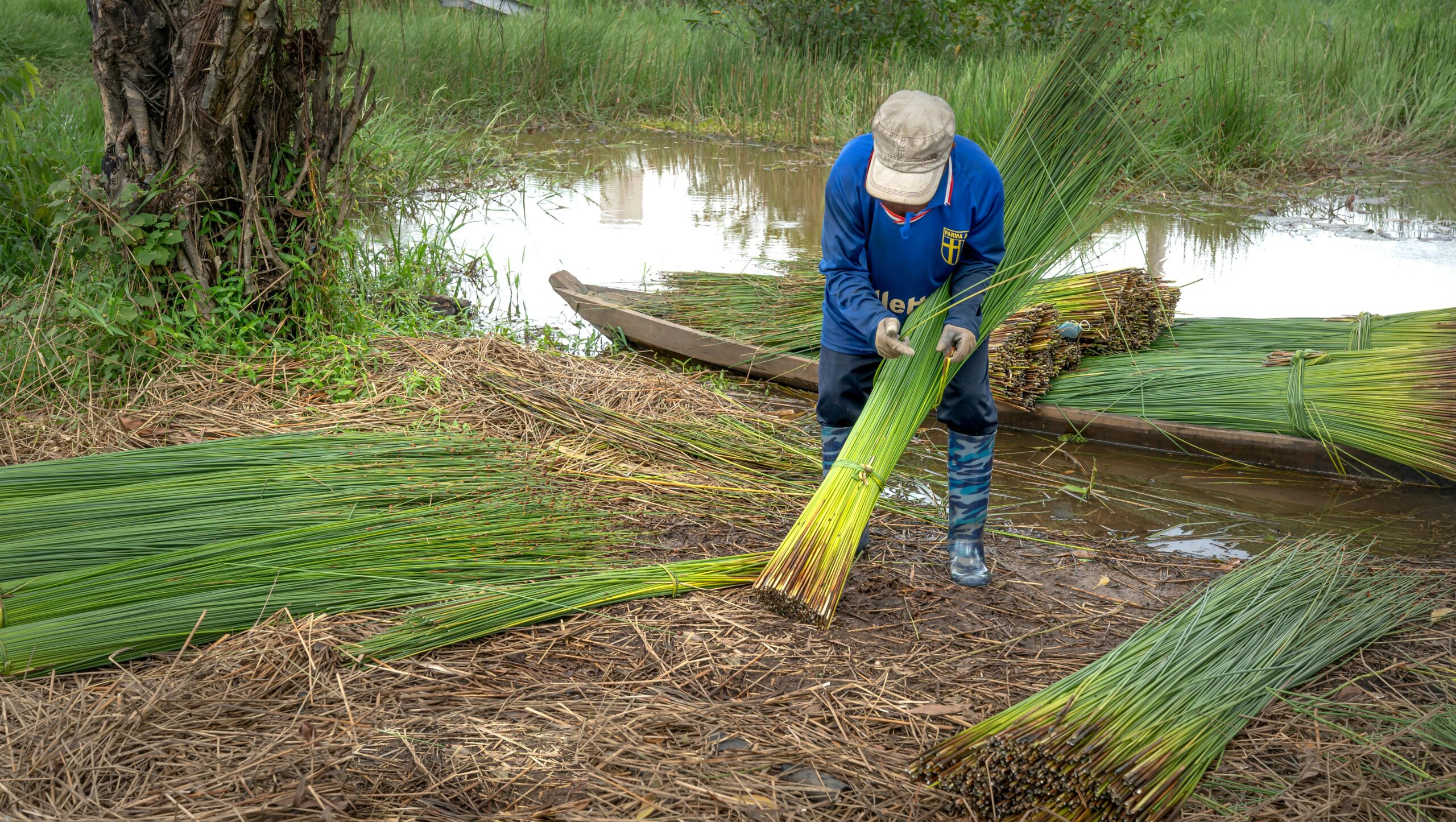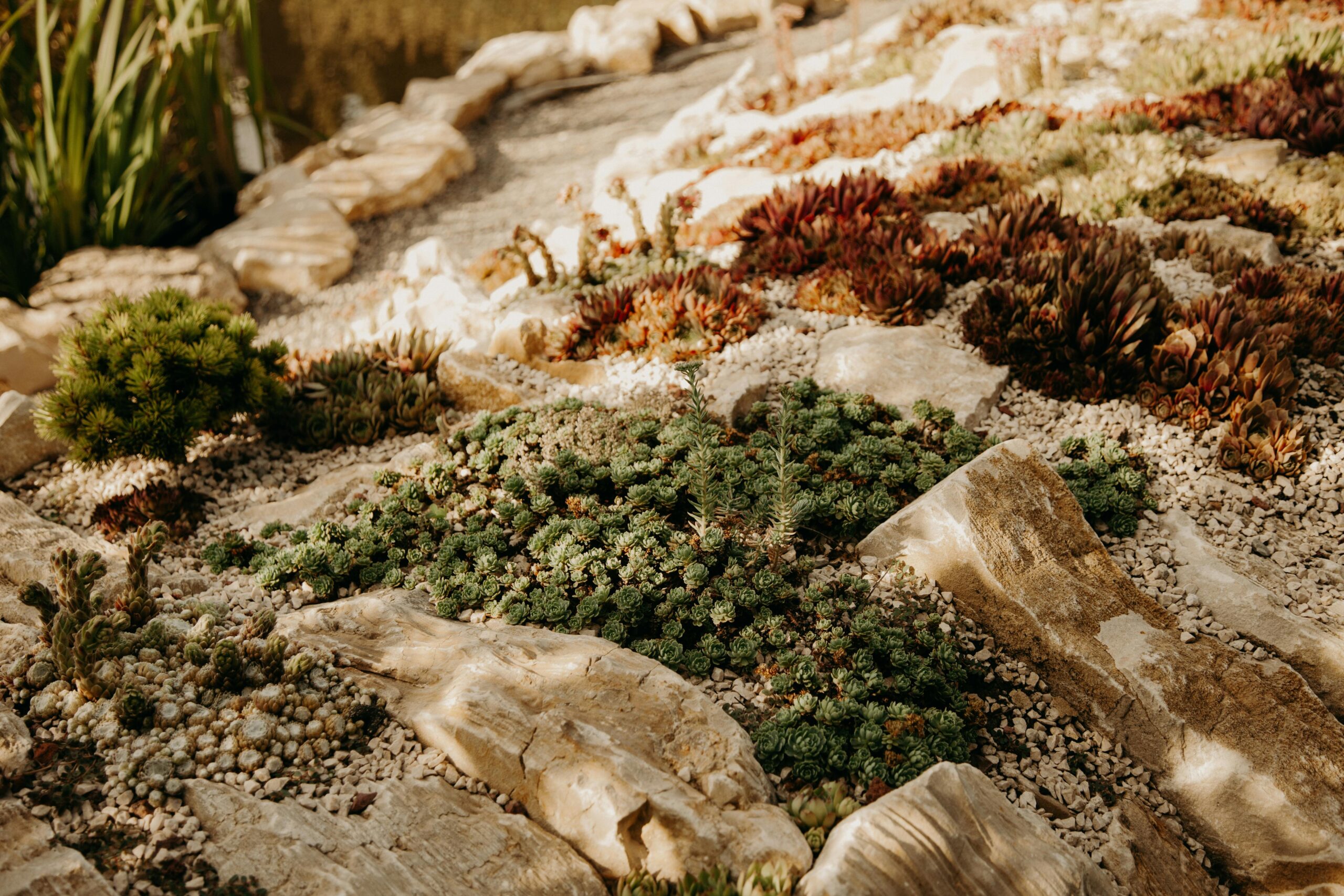
Creating a resilient defense system for your property requires strategic planning that combines natural and structural elements to maximize protection against wind, erosion, and unwanted intrusion.

🌬️ Understanding the Fundamental Role of Wind-Buffer Systems
Wind-buffer vegetation represents one of nature’s most effective defense mechanisms against the erosive and destructive forces of strong winds. These living barriers serve multiple functions simultaneously, providing structural protection while enhancing ecological value and aesthetic appeal to any property. When properly designed and implemented, wind-buffer systems can reduce wind speeds by up to 75% within protected zones, creating microclimates that benefit both structures and surrounding vegetation.
The science behind wind-buffer effectiveness lies in understanding how vegetation disrupts airflow patterns. Dense plantings create turbulence that dissipates wind energy, while strategic spacing allows controlled air movement that prevents damaging pressure buildup. This natural filtration system protects everything from agricultural crops to residential structures, reducing heating costs, preventing soil erosion, and minimizing storm damage.
Strategic Vegetation Selection for Maximum Wind Protection
Choosing the right plant species forms the foundation of any successful wind-buffer system. The ideal vegetation combines density, height, flexibility, and durability to withstand persistent wind exposure while maintaining protective capabilities throughout seasonal changes.
Evergreen Species for Year-Round Defense
Evergreen trees and shrubs provide consistent protection regardless of season, maintaining their foliage when deciduous species stand bare. Coniferous varieties like spruce, pine, and cedar create dense barriers that effectively block wind while requiring minimal maintenance once established. Their needle-like leaves reduce surface area exposed to wind forces, allowing these species to maintain structural integrity during severe weather events.
The strategic placement of evergreens in multiple rows creates a graduated defense system. Taller species positioned on the windward side intercept high-altitude airflow, while medium and low-growing varieties capture ground-level winds. This layered approach maximizes protection across the entire vertical profile of the defended space.
Deciduous Options for Flexible Protection
While deciduous trees lose their leaves seasonally, many species offer valuable wind-protection benefits through their branch structure and growth habits. Varieties like poplar, willow, and oak develop dense branch networks that deflect wind even during dormant periods. Their flexibility allows them to bend without breaking during extreme weather, while their extensive root systems provide excellent erosion control.
Combining deciduous and evergreen species creates biodiversity that enhances overall system resilience. This mixed approach prevents single-species vulnerability to pests or diseases while providing habitat for beneficial wildlife that contributes to ecological balance.
🏗️ Integrating Fencing Structures with Natural Barriers
Physical fencing systems complement vegetative buffers by providing immediate protection while plants establish themselves and offering structural reinforcement to mature natural barriers. The synergy between fencing and vegetation creates defense systems greater than the sum of their individual components.
Fence Material Selection for Wind Resistance
Different fencing materials offer varying degrees of wind resistance and durability. Solid panel fences create complete barriers but may experience greater wind pressure, requiring robust installation methods. Slatted or mesh designs allow controlled airflow, reducing pressure buildup while maintaining security and privacy.
Metal fencing provides exceptional durability and wind resistance, particularly steel and aluminum varieties designed with aerodynamic profiles. These materials withstand decades of exposure without degradation, making them ideal for permanent installations. Wood fencing offers natural aesthetics that blend seamlessly with vegetation but requires regular maintenance to preserve structural integrity against weather exposure.
Strategic Fence Positioning for Enhanced Protection
Fence placement relative to vegetation determines overall system effectiveness. Installing fencing on the windward side of vegetation creates a two-stage defense where the fence deflects initial wind forces before airflow reaches plants. This configuration protects young vegetation during establishment while providing immediate security benefits.
Alternatively, positioning vegetation windward of fencing allows natural growth to absorb primary wind impact, reducing structural stress on fence materials and extending their operational lifespan. This arrangement proves particularly effective in areas with extreme wind conditions where material fatigue becomes a significant concern.
Design Principles for Ultimate Defense Systems
Creating maximum protection requires thoughtful design that considers site-specific conditions, prevailing wind patterns, property dimensions, and intended use of protected spaces. These fundamental principles guide effective system development.
Calculating Optimal Buffer Dimensions
Wind-buffer effectiveness correlates directly with barrier height and protected distance. Research demonstrates that properly designed buffers provide meaningful wind reduction for distances extending 10 to 15 times the barrier height on the leeward side. A 20-foot tall vegetative buffer can therefore protect an area extending 200 to 300 feet downwind.
Buffer width also impacts effectiveness, with wider plantings providing more comprehensive protection. Multi-row configurations extending 50 to 100 feet in depth create graduated wind reduction that prevents turbulence formation while maximizing protected area. Single-row plantings may suffice for light protection needs but prove inadequate against severe wind exposure.
Understanding Porosity and Airflow Management
The density or porosity of wind barriers significantly influences their protective performance. Completely solid barriers create turbulence and negative pressure zones that may cause wind acceleration in certain areas. Optimal barriers maintain 40-60% porosity, allowing controlled airflow that dissipates wind energy without creating problematic vortices.
Achieving proper porosity requires careful species selection and spacing in vegetation systems, while fence designs incorporate gaps, slats, or mesh patterns. This controlled permeability creates gentle wind reduction rather than abrupt blockage, preventing the destructive forces associated with turbulent airflow.
🌱 Implementation Strategies for Long-Term Success
Successful wind-buffer systems require meticulous planning and execution during establishment phases, with attention to soil conditions, irrigation needs, and maintenance requirements that ensure long-term viability and effectiveness.
Site Preparation and Soil Management
Proper soil preparation determines plant establishment success and growth rates. Testing soil composition, pH levels, and drainage characteristics allows amendments that optimize growing conditions for selected species. Deep tilling breaks compacted layers, improves root penetration, and enhances water infiltration essential for healthy plant development.
Incorporating organic matter improves soil structure, nutrient availability, and moisture retention. Compost, aged manure, or green manure crops worked into planting areas create fertile environments that accelerate establishment and reduce supplemental fertilization needs during early growth stages.
Irrigation Requirements During Establishment
Adequate moisture proves critical during the first two to three growing seasons as plants develop root systems capable of accessing deep water reserves. Drip irrigation systems deliver water efficiently to root zones while minimizing waste and reducing weed competition. Automated controllers adjust watering schedules based on weather conditions, ensuring optimal moisture without over-saturation that promotes root diseases.
Mulching around newly planted vegetation conserves soil moisture, moderates temperature extremes, and suppresses weed growth. Organic mulches like wood chips or shredded bark gradually decompose, adding nutrients while maintaining protective coverage that reduces irrigation frequency and improves establishment success rates.
Maintenance Protocols for Sustained Protection
Ongoing maintenance ensures wind-buffer systems continue providing maximum protection throughout their operational lifespan. Regular monitoring identifies issues before they compromise system integrity, while proactive interventions maintain optimal performance.
Vegetation Health Management
Annual inspections assess plant health, identifying stress indicators like discoloration, stunted growth, or pest infestations requiring intervention. Pruning removes damaged branches, maintains desired density, and promotes vigorous growth. Strategic pruning also prevents gaps in coverage that reduce wind-protection effectiveness.
Fertilization schedules based on soil testing maintain nutrient levels supporting healthy growth without excessive applications that waste resources or harm environmental quality. Slow-release formulations provide sustained nutrition while reducing application frequency and labor requirements.
Fence Maintenance and Repair
Regular fence inspections identify structural issues like loose posts, damaged panels, or corroded fasteners requiring repair. Addressing minor problems promptly prevents progressive failure that necessitates costly replacement. Wooden fences benefit from periodic staining or sealing that protects against moisture damage and extends service life.
Metal fencing requires rust prevention through protective coatings and prompt repair of scratched or damaged finishes. Concrete footings should be inspected for cracking or settling that compromises post stability, with repairs undertaken immediately to maintain structural integrity during wind events.
⚡ Enhancing Protection Against Multiple Threats
While wind protection forms the primary objective, comprehensive defense systems address additional threats including unauthorized access, visual intrusion, noise pollution, and wildlife conflicts. Integrated designs maximize protection across multiple dimensions simultaneously.
Security Integration Techniques
Combining dense vegetation with physical fencing creates formidable security barriers that deter intrusion while maintaining aesthetic appeal. Thorny species like hawthorn, barberry, or holly planted along fence lines form impenetrable natural barriers that discourage climbing or breaching attempts. These defensive plantings enhance security without the harsh appearance of razor wire or other aggressive deterrents.
Strategic lighting integration along fence lines and within vegetation buffers extends security coverage into nighttime hours. Motion-activated systems minimize energy consumption while providing illumination when potential threats approach protected areas. Lighting placement should avoid creating shadows that provide concealment opportunities for intruders.
Privacy and Noise Reduction Benefits
Dense vegetation excels at absorbing sound waves, reducing noise pollution from adjacent roads, commercial areas, or neighbors. The irregular surfaces of leaves and branches scatter sound energy while plant mass absorbs vibrations, creating quiet zones within protected areas. Combined with solid fencing panels, these systems achieve dramatic noise reduction that enhances property enjoyment and value.
Visual privacy follows naturally from wind-buffer design, with dense plantings and solid fencing blocking sight lines from external vantage points. Evergreen species maintain privacy year-round, while deciduous varieties offer seasonal screening supplemented by fence structures providing consistent visual barriers.
💰 Economic Benefits and Return on Investment
Initial investments in comprehensive wind-buffer and fencing systems deliver substantial long-term returns through multiple economic mechanisms that offset establishment costs while providing ongoing value.
Energy Cost Reduction
Wind-buffer systems dramatically reduce heating and cooling costs by minimizing wind infiltration around structures and creating moderated microclimates. Studies demonstrate energy savings ranging from 10% to 40% depending on system design and local climate conditions. These savings accumulate throughout system lifespan, often exceeding initial investment costs within 10 to 15 years.
Reduced wind exposure also extends the operational lifespan of building materials, mechanical systems, and outdoor equipment by minimizing weather-related wear. These protective benefits generate additional savings through reduced maintenance and replacement costs over time.
Property Value Enhancement
Well-designed wind-buffer and fencing systems significantly enhance property values through improved aesthetics, functionality, and protection. Mature vegetation and quality fencing systems rank among the most desirable property features for prospective buyers, commanding premium prices in real estate markets.
Agricultural properties particularly benefit from wind protection systems that expand productive growing areas and extend growing seasons. Reduced crop losses and improved yields generate immediate economic returns while establishing long-term production advantages over unprotected properties.
🌍 Environmental Stewardship and Ecological Impact
Beyond protective functions, thoughtfully designed wind-buffer systems contribute positively to environmental quality and ecosystem health, creating benefits extending far beyond individual property boundaries.
Wildlife Habitat Creation
Diverse vegetation plantings provide habitat, food sources, and travel corridors for beneficial wildlife including pollinators, songbirds, and small mammals. These species contribute to ecological balance by controlling pest populations, facilitating plant reproduction, and supporting food web complexity essential for healthy ecosystems.
Creating habitat connectivity through strategic buffer placement allows wildlife movement across landscapes increasingly fragmented by development. These green corridors maintain genetic diversity and population viability for species requiring large territories or seasonal migration routes.
Carbon Sequestration and Air Quality Improvement
Growing vegetation actively removes carbon dioxide from the atmosphere, storing carbon in woody biomass and soil organic matter. Large-scale wind-buffer implementation contributes meaningfully to climate change mitigation while providing immediate air quality benefits through particulate matter filtration and oxygen production.
Dense vegetation removes pollutants from air passing through plant canopies, improving air quality for protected properties and surrounding areas. This natural filtration proves particularly valuable near roadways or industrial zones where air quality concerns impact human health and quality of life.
Adapting Systems to Regional Climate Conditions
Successful implementation requires adapting general principles to specific regional conditions including temperature extremes, precipitation patterns, soil types, and endemic pest pressures. Climate-appropriate design ensures system viability and effectiveness across diverse environmental contexts.
Arid Climate Adaptations
Desert and semi-arid regions require drought-tolerant species capable of thriving with minimal supplemental irrigation once established. Native species adapted to local conditions provide reliable performance while supporting regional ecology. Mulching and water harvesting techniques maximize moisture availability, supporting plant health during extended dry periods.
Fence materials in arid climates must withstand intense UV exposure and extreme temperature fluctuations without degradation. Metal and composite materials generally outperform wood in these demanding conditions, maintaining structural integrity and appearance with minimal maintenance.
Cold Climate Considerations
Northern regions require cold-hardy species tolerant of frozen soil, ice loading, and extreme temperature swings. Coniferous evergreens naturally adapted to cold climates provide excellent wind protection while maintaining foliage through winter when protection needs peak. Strategic species selection prevents cold damage that compromises system effectiveness during critical periods.
Fence installation in cold climates must account for frost heaving that displaces posts and panels during freeze-thaw cycles. Deep concrete footings extending below frost lines and flexible mounting systems accommodate ground movement without structural failure.
Future-Proofing Defense Systems for Changing Conditions
Climate change, evolving land use patterns, and technological advances require forward-thinking approaches that maintain system effectiveness despite uncertain future conditions. Adaptive design principles ensure long-term relevance and performance.
Incorporating species diversity provides resilience against pest outbreaks, diseases, and climate shifts that might devastate monoculture plantings. Mixed-species buffers adapt naturally to changing conditions as better-suited species flourish while others decline, maintaining overall system integrity without complete replanting.
Modular fence designs allow component replacement or system expansion without complete reconstruction. This flexibility accommodates changing property needs, updated security requirements, or material improvements that emerge over system lifespan.
Monitoring technologies including remote sensors, automated irrigation systems, and surveillance equipment integrate increasingly with physical protection systems. Designing infrastructure accommodating these technologies during initial installation prevents costly retrofitting while maintaining system aesthetics and effectiveness.
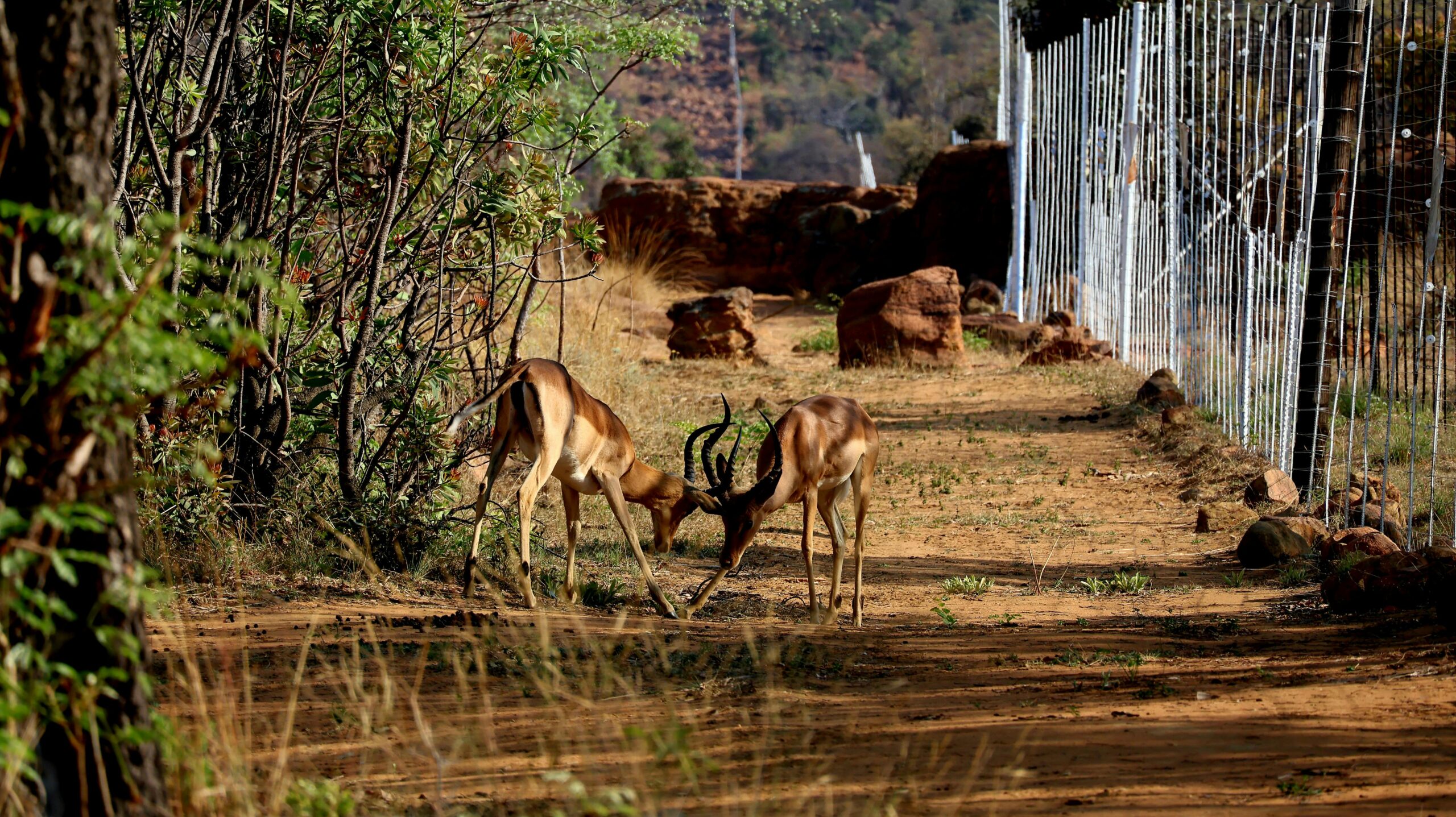
🎯 Achieving Ultimate Defense Through Integrated Design
Maximum protection emerges from holistic approaches recognizing the complementary strengths of natural vegetation and structural fencing working together synergistically. Neither element alone achieves the comprehensive defense possible through thoughtful integration that leverages each component’s unique advantages while compensating for individual limitations.
Successful systems begin with thorough site analysis identifying specific threats, environmental conditions, and property objectives guiding design decisions. Professional consultation ensures proper species selection, appropriate spacing, correct fence materials, and installation techniques maximizing effectiveness while avoiding costly mistakes that compromise performance.
Long-term success requires commitment to ongoing maintenance and adaptive management responding to changing conditions, emerging needs, and system maturation. Properties investing in comprehensive protection enjoy enhanced security, improved comfort, reduced operating costs, and increased value that compound over decades of reliable service.
The investment in properly designed wind-buffer vegetation and fencing systems pays dividends across multiple dimensions simultaneously—providing immediate protection while establishing living assets that appreciate in value and effectiveness over time. This powerful combination represents one of the most cost-effective protection strategies available to property owners seeking ultimate defense against environmental challenges and security threats alike.