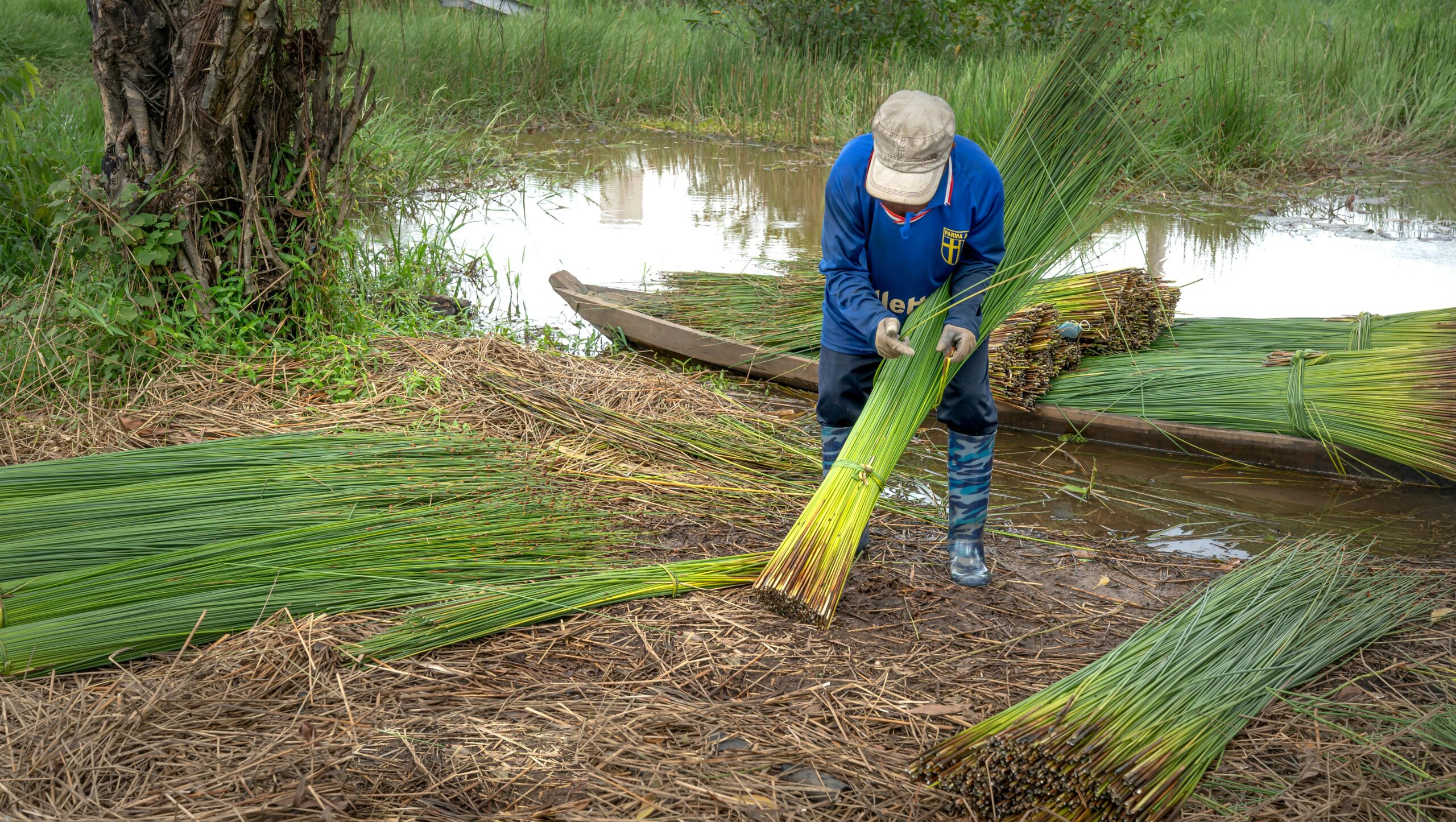
Wind patterns across agricultural landscapes directly impact crop health, soil stability, and overall farm productivity, making windbreak design essential for modern precision farming.

🌾 Understanding the Critical Role of Vegetative Buffers in Modern Agriculture
Agricultural systems worldwide face increasing challenges from climate variability, extreme weather events, and the need for sustainable intensification. Among the most overlooked yet powerful tools in the agricultural toolkit are vegetative buffers—strategically placed rows of trees, shrubs, and perennial grasses that serve as living windbreaks. These biological structures do far more than simply block wind; they create microclimates, reduce soil erosion, enhance water retention, and contribute to biodiversity conservation.
The concept of using vegetation to manage wind flow isn’t new. Farmers have employed windbreaks for centuries, but modern agricultural modeling has revolutionized how we design, implement, and optimize these systems. Today’s computational tools allow us to predict wind patterns with remarkable accuracy, simulate the effects of different buffer configurations, and maximize efficiency in ways previous generations could only imagine.
Vegetative buffers represent a convergence of traditional ecological knowledge and cutting-edge computational science. By understanding the fluid dynamics of wind interaction with vegetation, farmers and land managers can design buffer systems that protect vulnerable crops, reduce irrigation demands, minimize pesticide drift, and even capture carbon—all while maintaining or increasing productive acreage.
The Science Behind Wind Flow Modification Through Vegetation
Wind moving across open agricultural land behaves according to well-established principles of fluid dynamics. When this moving air encounters a vegetative barrier, complex interactions occur that dissipate energy, redirect flow, and create zones of reduced wind velocity. The effectiveness of these buffers depends on numerous factors including height, density, porosity, width, and orientation relative to prevailing winds.
Research demonstrates that an ideal windbreak reduces wind speed by 50-80% on the leeward side for a distance of approximately 10-15 times the barrier height. This protected zone experiences dramatically different conditions than exposed areas: temperatures may be 2-4°C warmer, soil moisture retention increases by 10-25%, and evapotranspiration rates decrease significantly. These changes directly translate to improved growing conditions for many crop species.
Porosity and Permeability: Finding the Optimal Balance
One of the most critical design parameters for vegetative buffers is porosity—the proportion of open space within the barrier. Counterintuitively, solid barriers (0% porosity) are less effective than moderately porous ones. A completely solid barrier creates turbulent eddies immediately downwind, sometimes causing more damage than protection. Optimal porosity typically ranges from 30-50%, allowing some wind to pass through while dissipating its energy.
This principle has profound implications for species selection and planting design. Multi-row buffers combining different vegetation heights and densities often outperform single-row plantings. The outer rows can consist of denser shrubs or conifers, while inner rows might feature deciduous trees with more open canopies. This layered approach maximizes wind energy dissipation while minimizing turbulence.
🖥️ Agricultural Modeling Tools for Wind Flow Optimization
The advent of sophisticated computational modeling has transformed vegetative buffer design from an art into a predictive science. Several categories of models now exist, each offering unique advantages for different applications and scales.
Computational Fluid Dynamics (CFD) Models
CFD models represent the gold standard for detailed wind flow analysis. These tools solve the fundamental equations of fluid motion (Navier-Stokes equations) across three-dimensional spaces, accounting for terrain features, vegetation characteristics, and atmospheric conditions. Popular platforms include ANSYS Fluent, OpenFOAM, and specialized agricultural adaptations.
While powerful, CFD models require significant computational resources and technical expertise. They’re best suited for detailed analysis of specific sites where investment in buffer design justification is warranted—such as high-value horticultural operations, organic farms where drift prevention is critical, or landscapes with complex topography.
Simplified Empirical Models
For everyday farm planning, simplified models based on empirical relationships offer practical alternatives. Tools like WindSTAR (developed by the USDA) and various extension service calculators provide quick assessments of buffer effectiveness based on readily available parameters: barrier height, porosity, and dominant wind direction.
These models typically don’t account for complex terrain interactions or variable atmospheric conditions, but they provide sufficient accuracy for initial planning and resource allocation. They’re particularly valuable for extension agents and farm consultants working with multiple clients across diverse regions.
Geographic Information System (GIS) Integration
The integration of wind modeling with GIS platforms represents a significant advancement in precision agriculture. By overlaying wind flow predictions with soil maps, crop distribution data, irrigation systems, and topographic information, farmers can identify priority areas for buffer establishment and optimize placement for maximum benefit.
GIS-based approaches also facilitate landscape-scale planning, allowing cooperatives and watershed groups to coordinate buffer networks that provide benefits beyond individual farm boundaries. This systems-level thinking is essential for addressing regional challenges like wind erosion in semi-arid zones or pesticide drift in intensive agricultural valleys.
Strategic Placement: Maximizing Return on Investment 📊
Vegetative buffers consume land and resources, so strategic placement is essential for economic viability. Models help identify where buffers deliver the greatest benefit relative to their footprint and establishment costs.
Priority Areas for Buffer Establishment
Wind modeling consistently identifies several high-priority locations for vegetative buffers. Field edges perpendicular to prevailing winds receive top priority, as these locations provide maximum downwind protection. Areas upwind of sensitive crops—those prone to wind damage, excessive evapotranspiration, or requiring precise climate control—also rank highly.
Soil erosion hotspots represent another critical category. Light, sandy soils or recently tilled fields face severe erosion risk during high-wind events. Models can predict these vulnerable zones and suggest buffer configurations that anchor soil while maintaining productivity. In some cases, the erosion prevention value alone justifies buffer investment, before considering other benefits.
Water bodies, wetlands, and riparian zones benefit from buffers that reduce wind-driven evaporation and protect aquatic ecosystems from drift. These multi-functional buffers often qualify for conservation program payments, improving their economic attractiveness.
Configuration Strategies for Different Farm Types
Optimal buffer design varies dramatically across agricultural systems. Row crop operations in the Great Plains prioritize linear windbreaks oriented perpendicular to prevailing westerly winds, typically spaced 300-600 meters apart. These create a lattice of protected zones covering entire sections.
Orchards and vineyards employ different strategies, often using perimeter buffers combined with strategically placed internal barriers. Models help determine minimum buffer heights relative to tree height and optimize spacing to prevent frost pockets while managing wind.
Organic operations place special emphasis on buffers that prevent synthetic pesticide drift from neighboring conventional farms. Models identify necessary buffer widths based on typical wind speeds, spray droplet sizes, and crop sensitivity thresholds. These protective buffers often require greater width and density than those designed purely for microclimate modification.
🌳 Species Selection and Buffer Design for Long-Term Success
Modeling identifies where buffers should go and what dimensions they require, but translating these specifications into living, thriving vegetative systems demands ecological expertise. Species selection must balance windbreak function with site conditions, maintenance requirements, and additional desired benefits.
Native Versus Non-Native Species Considerations
Native species offer advantages including climate adaptation, wildlife habitat value, and reduced pest pressure. In temperate North America, species like eastern redcedar, hackberry, and various oak species provide excellent wind protection while supporting pollinators and beneficial insects. Native prairie grasses in the understory add structural diversity and additional wind resistance.
Non-native species sometimes offer superior growth rates or specific structural characteristics. Hybrid poplars grow rapidly and establish tall barriers quickly, though they require more water and have shorter lifespans than many natives. Russian olive and autumn olive were once popular but are now recognized as invasive in many regions, illustrating the importance of careful species vetting.
Multi-Functionality: Beyond Wind Control
Modern buffer design increasingly emphasizes multiple ecosystem services beyond wind modification. Nitrogen-fixing species like black locust or various leguminous shrubs improve soil fertility in adjacent fields. Fruit and nut-bearing species can generate revenue, partially offsetting establishment costs. Wildlife corridors and pollinator habitat represent additional values, particularly for farms pursuing certification or accessing conservation payments.
Models are beginning to incorporate these co-benefits, moving beyond single-parameter optimization (wind reduction) toward multi-objective optimization that balances wind control, carbon sequestration, biodiversity enhancement, and economic return. This holistic approach better reflects the complex realities of sustainable farm management.
Implementation Challenges and Practical Solutions 🔧
Even with excellent modeling and design, buffer establishment faces practical hurdles. Understanding these challenges and planning accordingly dramatically improves success rates.
Establishment Period Vulnerability
Young plantings provide minimal wind protection until reaching adequate height and density—typically 5-10 years for tree-based systems. During this period, temporary wind fences, fast-growing annual screens, or phased planting approaches can provide interim protection. Models should account for this establishment period when projecting benefit timelines and economic returns.
Irrigation during establishment represents a significant cost in water-limited regions. Drip systems maximize efficiency, but even these require infrastructure investment. Some operations use temporary irrigation that’s removed once root systems establish, reducing long-term maintenance.
Maintenance and Adaptive Management
Vegetative buffers aren’t “plant and forget” solutions. Successful systems require ongoing management including weed control during establishment, periodic thinning to maintain optimal porosity, and replacement of dead or diseased individuals. Models should inform maintenance schedules—for instance, predicting when growing trees will reduce porosity below optimal levels and require selective thinning.
Climate change adds uncertainty to buffer performance. Species selected for current climate conditions may face heat or drought stress as conditions shift. Forward-looking designs incorporate species diversity and select genotypes adapted to projected future conditions, not just current climates.
Economic Analysis: Quantifying Buffer Benefits and Costs 💰
Converting biophysical modeling outputs into economic terms helps justify buffer investments and access funding programs. Multiple benefit streams contribute to overall return on investment.
Direct Production Benefits
Yield increases in protected zones provide the most direct economic benefit. Research documents yield improvements ranging from 5-35% depending on crop, climate, and buffer effectiveness. For high-value crops, even modest improvements justify buffer costs. Models can predict protected acreage and expected yield gains, allowing straightforward benefit calculations.
Reduced irrigation requirements in wind-protected areas generate ongoing savings. Lower evapotranspiration translates directly to reduced pumping costs and water consumption—increasingly valuable as water becomes scarce and expensive in many agricultural regions.
Risk Reduction and Insurance Value
Buffers reduce crop loss from wind damage, soil erosion events, and spray drift contamination. While harder to quantify than direct yield gains, these risk reduction benefits have real economic value. Some crop insurance programs offer premium reductions for farms with adequate wind protection, explicitly recognizing this value.
Conservation Program Payments
Various government and NGO programs provide financial assistance for buffer establishment. In the United States, programs like the Conservation Reserve Program (CRP), Environmental Quality Incentives Program (EQIP), and Regional Conservation Partnership Program (RCPP) offer cost-share and rental payments. Similar programs exist in Canada, Europe, and other agricultural regions.
These programs often require specific design standards and maintenance commitments. Working with models that account for program requirements ensures buffers qualify for payments while meeting farm objectives.
🌍 Climate Change Mitigation Through Strategic Buffer Placement
Beyond farm-level benefits, vegetative buffers contribute to landscape-scale climate mitigation. Trees and perennial vegetation sequester atmospheric carbon in biomass and soil, while reducing fossil fuel consumption by improving farm efficiency.
Carbon accounting models quantify sequestration rates for different species and configurations, enabling participation in carbon markets. While these markets remain developing, early adopters position themselves to benefit as programs mature and carbon prices increase.
Buffers also enhance agricultural resilience to climate change. By moderating temperature extremes, improving water retention, and providing biodiversity refugia, they help agricultural systems adapt to increasingly variable conditions. This resilience value, though difficult to monetize directly, represents genuine risk management for long-term farm viability.
Future Directions: Integration with Precision Agriculture Technologies 🚀
The future of vegetative buffer optimization lies in integration with broader precision agriculture systems. Real-time weather monitoring, drone-based vegetation assessment, and machine learning algorithms will enable adaptive management responsive to changing conditions.
Imagine systems that monitor wind patterns continuously, adjust irrigation schedules based on buffer-modified microclimates, and predict optimal harvest timing for different zones. These integrated approaches will extract maximum value from vegetative infrastructure while minimizing inputs and environmental impacts.
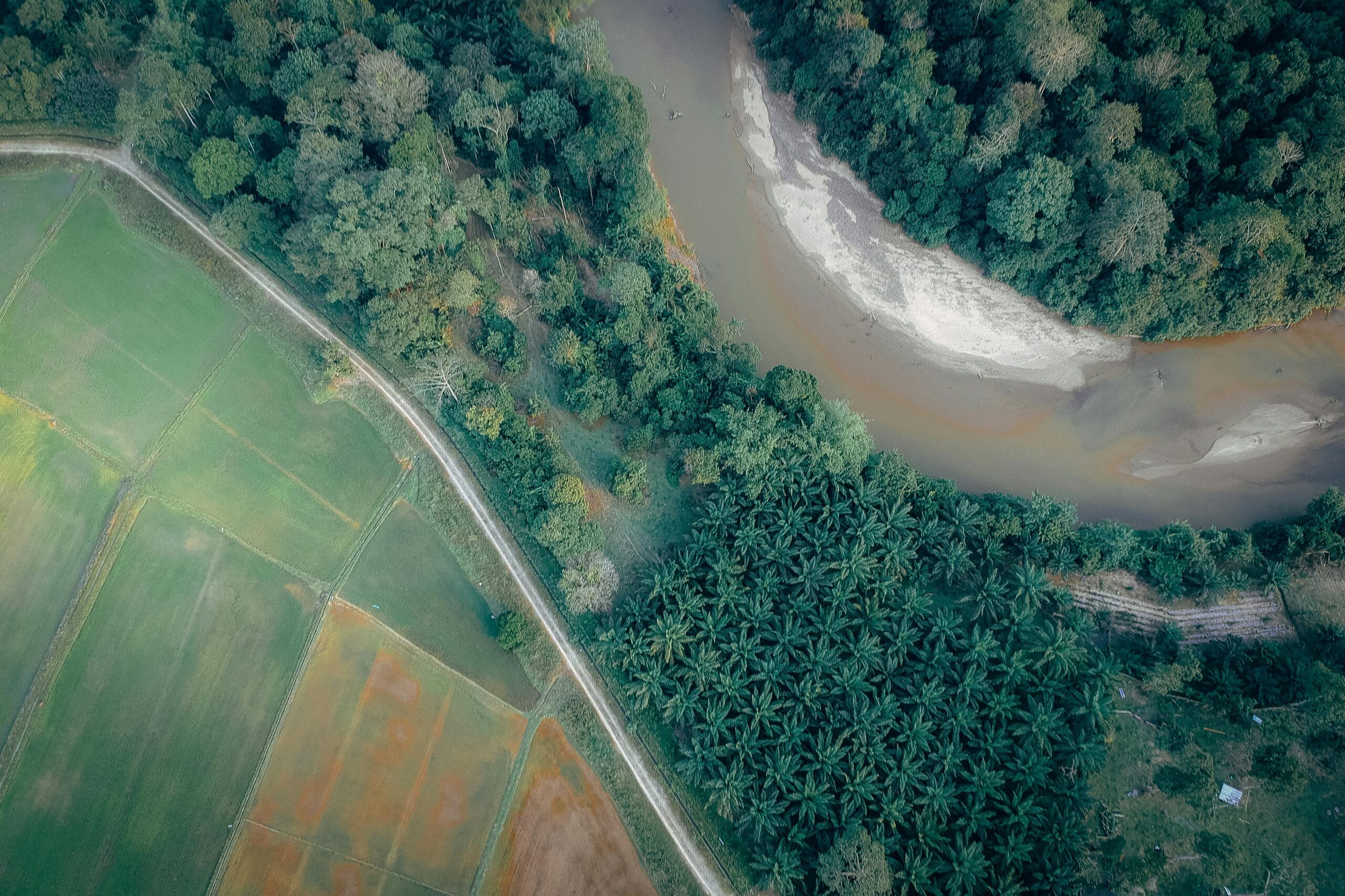
Collaborative platforms connecting multiple farms within landscapes will optimize regional wind management, creating synergies impossible at individual farm scales. These networks might coordinate buffer placement to protect entire watersheds from erosion or create wildlife corridors connecting habitat patches across agricultural mosaics.
Empowering Farmers Through Knowledge and Tools 🌱
The sophisticated modeling approaches discussed here remain largely in research institutions and specialized consulting firms. Democratizing access to these tools represents a critical next step. User-friendly interfaces, mobile applications, and integration with existing farm management software will bring wind flow optimization to everyday farmers.
Extension services play vital roles in this knowledge transfer, translating complex models into practical recommendations. Field demonstrations showing real-world buffer performance help overcome skepticism and encourage adoption. Farmer-to-farmer learning networks amplify these efforts, allowing early adopters to share experiences and lessons learned.
As climate pressures intensify and agricultural sustainability demands grow, vegetative buffers will transition from optional enhancements to essential infrastructure. Farmers who master buffer design and management—leveraging both traditional knowledge and modern modeling—will find themselves better positioned to thrive in agriculture’s challenging future. The power to shape wind, improve microclimates, and build resilient farming systems literally lies in the ground, waiting to be harnessed through thoughtful planting and strategic design.