Soil erosion threatens agricultural productivity worldwide, but hedgerows offer a natural, sustainable solution to protect your land while enhancing biodiversity and farm resilience.

For centuries, farmers have relied on natural barriers to safeguard their most valuable asset: healthy, productive soil. Today, as climate change intensifies weather patterns and industrial farming practices continue to degrade landscapes, the ancient wisdom of hedgerow planting has never been more relevant. These living fences do far more than mark property boundaries—they serve as powerful allies in the fight against soil erosion, water runoff, and environmental degradation.
Whether you manage a small homestead or oversee extensive agricultural operations, understanding how to harness hedgerows can transform your land management strategy. This comprehensive guide explores the multifaceted benefits of hedgerows and provides practical insights for implementation on your property.
🌿 Understanding the Soil Erosion Crisis
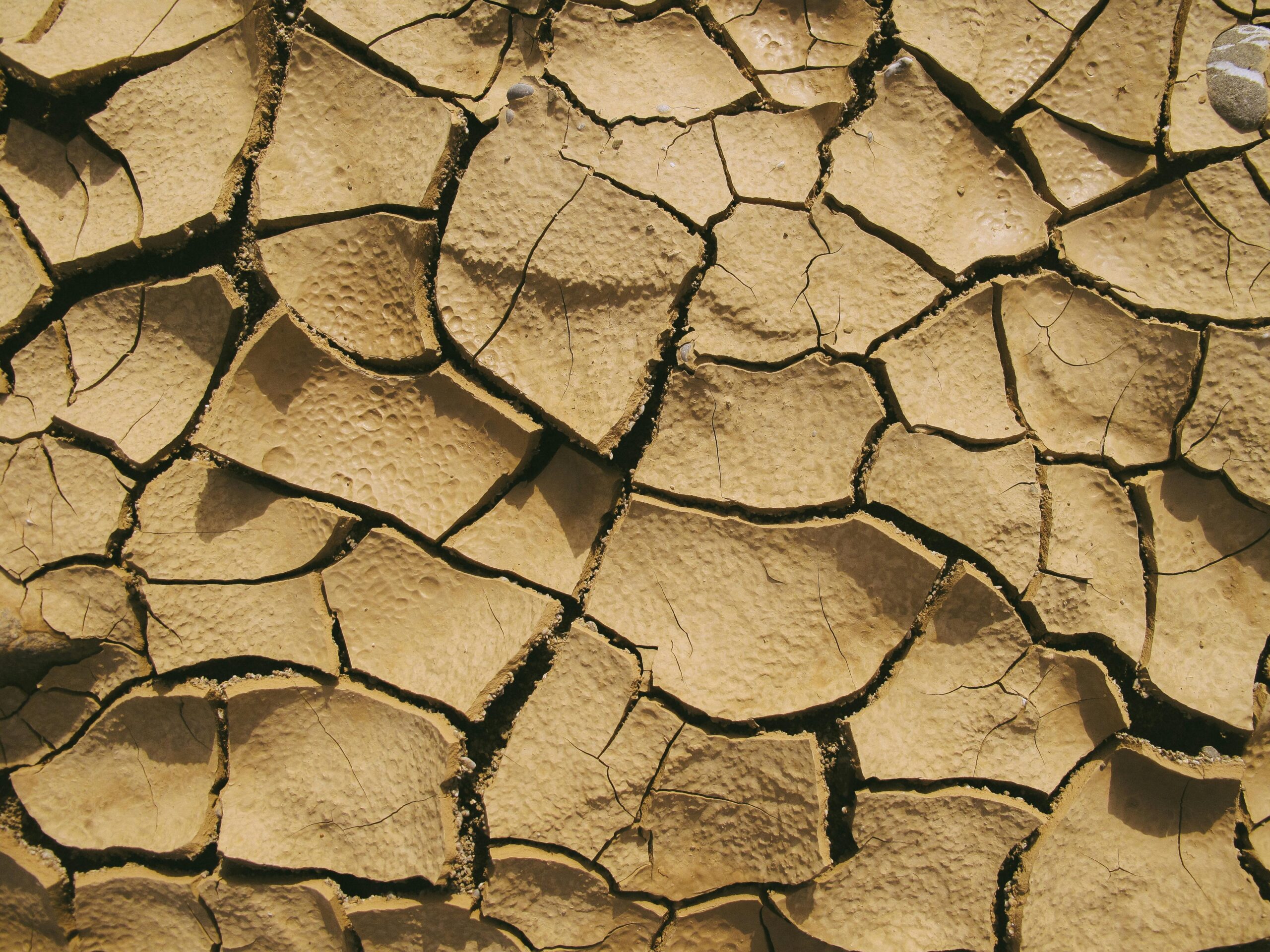
Soil erosion represents one of agriculture’s most pressing challenges. Every year, billions of tons of topsoil wash away from fields worldwide, taking with them essential nutrients, organic matter, and the foundation of food security. Wind and water erosion strip away the productive upper layers of soil that took centuries to develop, leaving behind degraded land that struggles to support crops.
The consequences extend beyond individual farms. Eroded soil clogs waterways, contributes to flooding, destroys aquatic ecosystems, and releases stored carbon into the atmosphere. The economic impact is staggering, with billions lost annually in reduced productivity, increased fertilizer costs, and environmental remediation.
Conventional approaches to erosion control often involve expensive infrastructure or chemical-intensive practices that address symptoms rather than root causes. Hedgerows offer a different path—one that works with natural processes rather than against them.
What Makes Hedgerows Such Effective Erosion Warriors
Hedgerows function as multifunctional barriers that intercept, slow, and redirect the forces causing erosion. Their effectiveness stems from several interconnected mechanisms that work simultaneously to protect soil.
Wind Speed Reduction and Protection Zones
Strategic hedgerow placement creates sheltered microclimates that dramatically reduce wind velocity. Studies show that properly positioned hedgerows can reduce wind speed by 50-80% for distances extending 10-20 times the height of the hedgerow. This protection zone prevents wind from lifting and carrying away topsoil particles, particularly crucial in areas prone to dust storms or with light, sandy soils.
The turbulence-reducing effect doesn’t just protect soil—it also reduces moisture loss through evapotranspiration, helping crops retain water during dry periods. Fields protected by hedgerows often show measurably higher soil moisture content compared to exposed areas.
Water Flow Management and Infiltration
During heavy rainfall, water rushes across bare or sparsely vegetated fields, gathering speed and erosive power as it flows downslope. Hedgerows interrupt this momentum, forcing water to slow down and spread out. This deceleration allows more time for water to infiltrate into the soil rather than running off the surface.
The root systems of hedgerow plants create channels and pores in the soil that enhance water infiltration capacity. These natural drainage pathways help prevent waterlogging while ensuring rainwater soaks into the ground where crops can access it later.
Root Systems: The Underground Anchors

Below ground, hedgerow roots form an extensive network that literally holds soil together. Deep-rooting species like hawthorn, dogwood, and willow create structural stability that extends well beyond the visible hedgerow footprint. These roots bind soil particles, prevent landslides on slopes, and create stable edges along waterways and field boundaries.
The diverse root architecture of mixed-species hedgerows is particularly effective, with different plants occupying different soil depths and creating a comprehensive anchoring system throughout the soil profile.
💚 Beyond Erosion Control: The Complete Package
While erosion control alone justifies hedgerow establishment, these living barriers deliver numerous additional benefits that enhance overall farm productivity and sustainability.
Biodiversity Hotspots in Agricultural Landscapes
Hedgerows serve as wildlife corridors and habitat islands within agricultural matrices. They provide nesting sites for birds, shelter for beneficial insects, and foraging areas for pollinators. Many predatory insects that help control crop pests—including ground beetles, parasitic wasps, and hoverflies—thrive in hedgerow environments.
This biodiversity dividend translates into practical pest management benefits. Farms with well-established hedgerow networks typically experience lower pest pressure and require fewer pesticide applications. The natural enemies harbored in hedgerows spill over into adjacent crop fields, providing free biological control services.
Carbon Sequestration and Climate Mitigation
Hedgerows act as carbon sinks, capturing atmospheric CO2 and storing it in woody biomass and soil organic matter. Research indicates that hedgerows can sequester significant quantities of carbon per linear meter annually, making them valuable tools in climate-smart agriculture strategies.
As pressure mounts to reduce agriculture’s carbon footprint, hedgerows offer landowners an opportunity to generate carbon credits while simultaneously improving farm functionality. Some jurisdictions now offer payment programs for hedgerow establishment and maintenance as part of carbon offset schemes.
Improved Crop Performance
The microclimate modifications created by hedgerows benefit crop growth in multiple ways. Reduced wind stress means less physical damage to plants and lower transpiration rates. Moderated temperatures in hedgerow-protected zones can extend growing seasons and reduce frost damage in vulnerable crops.
Fields with strategic hedgerow placement often show yield improvements in edge zones, sometimes compensating for the land area occupied by the hedgerows themselves. The shelter effect is particularly valuable for high-value horticultural crops, organic produce, and livestock operations.
🌳 Designing Your Hedgerow System for Maximum Impact
Effective hedgerow implementation requires thoughtful planning that considers your specific site conditions, erosion risks, and management goals.
Site Assessment and Strategic Placement
Begin by identifying your most vulnerable areas. Walk your property during and after heavy rains to observe water flow patterns. Note where water accumulates, where gullies form, and which areas show visible soil loss. These problem spots should be priority locations for hedgerow establishment.
For wind erosion control, determine prevailing wind directions throughout the year. Hedgerows perpendicular to dominant winds provide maximum protection. In regions with seasonal wind pattern variations, you may need hedgerows oriented in multiple directions.
Topography plays a crucial role in hedgerow placement. Contour hedgerows that follow elevation lines are particularly effective at managing water flow on slopes. Consider establishing hedgerows above vulnerable areas like streams, ponds, or property boundaries to filter runoff before it leaves your land.
Species Selection for Functionality and Success
Choose hedgerow species adapted to your climate, soil type, and specific functional requirements. Native species typically establish more readily, require less maintenance, and provide superior wildlife habitat compared to exotic alternatives.
Mixed-species hedgerows offer advantages over monocultures, including greater resilience to pests and diseases, extended flowering periods for pollinators, and diverse structural characteristics. Consider including species with different growth habits—tall canopy trees, mid-story shrubs, and ground-level plants—to create vertical diversity.
For erosion control priorities, emphasize species with extensive root systems and tolerance for wet conditions if managing water runoff. Willow, dogwood, hazel, and various native roses excel in these roles. In drier climates prone to wind erosion, drought-tolerant species like Russian olive, caragana, or native shrubs may be more appropriate.
Structural Considerations and Spacing
Hedgerow dimensions significantly impact functionality. For soil erosion control, denser hedgerows with multiple rows generally outperform single-row plantings. A typical erosion-control hedgerow might include three to five rows with staggered spacing, creating a barrier 2-4 meters wide.
Within-row spacing depends on species growth habits and desired establishment speed. Closer spacing (30-50 cm) creates faster canopy closure but requires more plants and may need thinning later. Wider spacing (50-100 cm) is more economical but takes longer to become fully functional.
Between-row spacing typically ranges from 50-100 cm, allowing access for maintenance during establishment while ensuring eventual canopy connection. Plan spacing with mature plant sizes in mind to avoid overcrowding.
🌱 Establishment: Turning Plans Into Living Barriers
Successful hedgerow establishment requires attention to detail during planting and the critical first few years of growth.
Site Preparation Fundamentals
Proper site preparation dramatically improves establishment success rates. Remove existing vegetation in planting zones to reduce competition for water and nutrients. This typically involves strip cultivation or mulching rather than whole-field clearing.
Soil testing helps identify nutrient deficiencies or pH imbalances that could impair establishment. While hedgerows tolerate marginal conditions better than most crops, addressing major soil limitations before planting pays dividends in faster growth and reduced mortality.
Consider installing weed barrier fabric or thick organic mulch in planting rows. This suppresses weed competition during the vulnerable establishment period and conserves soil moisture, reducing irrigation needs.
Planting Techniques for Maximum Survival
Timing matters significantly for planting success. In temperate climates, dormant-season planting (late autumn or early spring) typically yields better results than growing-season establishment. Plants settle in before facing summer heat stress, and natural rainfall often provides adequate moisture.
Use appropriate-sized planting stock for your situation. Bare-root seedlings are economical and establish well when planted correctly. Container-grown plants are more expensive but offer advantages in difficult sites or when planting outside optimal seasons.
Dig planting holes deep enough to accommodate roots without crowding or bending. Ensure the root collar sits at or slightly above ground level to prevent rot. Firm soil around roots to eliminate air pockets, then water thoroughly even if soil appears moist.
Protection from Browsing and Damage
Young hedgerow plants are vulnerable to browsing by deer, rabbits, livestock, and other herbivores. In areas with significant browsing pressure, physical protection using tree tubes, fencing, or individual plant guards is often necessary for establishment success.
Tree tubes create favorable microclimates that accelerate growth while providing complete protection from browsing. However, they require proper installation and timely removal to avoid girdling as plants grow. Fencing offers broader protection and may be more practical for extensive hedgerow plantings.
📅 Maintenance and Long-term Management
Established hedgerows require ongoing management to maintain their erosion control effectiveness and prevent them from becoming problematic.
Early Years: Ensuring Establishment Success
The first three years after planting are critical for long-term success. Regular watering during dry periods prevents drought stress that can kill young plants or severely set back growth. Weed control remains important until hedgerows develop sufficient canopy density to shade out competing vegetation.
Monitor plants regularly for pest or disease problems. Early intervention prevents minor issues from becoming major setbacks. Replace dead or failing plants promptly to avoid gaps in hedgerow continuity that reduce erosion control effectiveness.
Pruning and Shaping for Function
Strategic pruning maintains hedgerow density and appropriate dimensions. For erosion control, denser growth at ground level is particularly important. Pruning techniques like “laying” or “pleaching”—where partially cut stems are bent horizontally and woven together—create extremely dense barriers effective at slowing water flow.
Timing pruning activities to avoid bird nesting seasons protects wildlife that depends on hedgerow habitat. In most regions, late winter pruning before the growing season minimizes wildlife disruption while stimulating vigorous spring growth.
Rejuvenation of Aging Hedgerows
Mature hedgerows may become gappy at the base or overgrown to the point of reduced effectiveness. Rejuvenation techniques restore functionality without complete removal and replanting. Coppicing—cutting woody plants to ground level to stimulate new growth from the base—works well for many hedgerow species.
Rotational management, where different hedgerow sections are maintained on different schedules, ensures continuous habitat and erosion protection while allowing intensive management of specific areas. This approach balances functional requirements with wildlife conservation.
⚡ Measuring Success and Adapting Your Approach
Monitoring hedgerow performance helps optimize management and demonstrates value to stakeholders or funding agencies.
Erosion Indicators to Track
Observable indicators provide practical erosion assessment without sophisticated equipment. Compare soil accumulation upslope from hedgerows to unprotected areas. Document gully formation or expansion in protected versus unprotected zones. Photograph monitoring points regularly to create visual records of change over time.
Water quality improvements in drainage from hedgerow-protected areas indicate reduced sediment transport. If you have farm ponds or streams on your property, clarity improvements and reduced sediment deposition demonstrate hedgerow effectiveness.
Biodiversity and Co-benefits Documentation
Track wildlife observations in and around hedgerows. Simple surveys noting bird species, pollinator activity, or beneficial insect presence demonstrate biodiversity value. These records can support applications for conservation funding or certification programs.
Document any observed improvements in crop performance in hedgerow-protected zones. Yield monitoring, reduced irrigation needs, or decreased pest pressure all represent tangible benefits that justify hedgerow investment.
🚜 Overcoming Common Challenges and Objections
Despite clear benefits, hedgerow adoption faces various barriers that require practical solutions.
Land Use Concerns and Productivity Trade-offs
The space hedgerows occupy represents a common objection, particularly on productive agricultural land. However, analyses increasingly show that yield improvements in protected areas and avoided soil loss often outweigh land area costs. Additionally, hedgerows can occupy marginal areas unsuitable for cultivation—field edges, steep slopes, or wet zones.
Integrate hedgerows with other farm infrastructure when possible. Hedgerows along access roads, drainage channels, or property boundaries provide erosion control without reducing cultivable area.
Establishment Costs and Economic Considerations
Initial hedgerow establishment involves costs for plants, materials, and labor. However, numerous cost-share programs, conservation grants, and incentive payments help offset these expenses. Research available programs through agricultural extension services, conservation districts, or environmental agencies.
Consider phased implementation, establishing hedgerows incrementally across multiple years to spread costs and labor requirements. Prioritize the most vulnerable or high-value areas first, expanding the network as resources allow.
Maintenance Requirements and Time Commitment
Concerns about maintenance obligations can deter hedgerow adoption. While hedgerows do require management, appropriately designed systems need surprisingly little intervention once established. Species selection emphasizing low-maintenance natives reduces long-term labor requirements.
Many maintenance activities align with existing farm management cycles. Pruning can coincide with dormant-season field work, and weed control during establishment fits into existing weed management programs.
🌍 Hedgerows in the Broader Sustainability Picture
Hedgerow adoption represents one component of comprehensive sustainable land management. Integration with other conservation practices creates synergistic benefits greater than individual approaches alone.
Combine hedgerows with cover cropping, conservation tillage, rotational grazing, and integrated pest management for maximum soil health improvement. These practices complement each other, each addressing different aspects of agricultural sustainability.
Consider hedgerows as contributions to landscape-scale conservation. Connecting your hedgerows with neighboring properties creates wildlife corridors and erosion control networks that benefit entire watersheds. Engage with local conservation groups to participate in coordinated conservation planning.
As regenerative agriculture gains momentum, hedgerows align perfectly with principles of working with natural systems, building soil health, and creating resilient farming operations. They represent visible commitments to stewardship that can enhance farm marketability and access to premium markets valuing environmental responsibility.
🌟 Taking Action: Your Next Steps Toward Soil Protection
Understanding hedgerow benefits means little without implementation. Begin by assessing your specific needs and opportunities. Which areas of your property face the most severe erosion? Where could hedgerows provide multiple benefits simultaneously?
Connect with local resources that can support your hedgerow journey. Agricultural extension offices offer technical guidance and site-specific recommendations. Conservation districts often provide cost-share assistance, free or reduced-cost plants, and implementation support. Native plant nurseries supply appropriate species and can advise on selection for your region.
Start small if large-scale implementation feels overwhelming. A single hedgerow protecting a vulnerable slope or buffering a waterway provides immediate benefits while allowing you to gain experience before expanding. Success with initial plantings builds confidence and demonstrates value to skeptics.
Document your experience to share with others and contribute to the growing knowledge base around hedgerow benefits. Your practical insights help other landowners overcome barriers and accelerate adoption of these valuable conservation practices.
The soil beneath our feet represents an irreplaceable inheritance—the foundation of food security and ecological health. Every ton of topsoil lost to erosion diminishes this legacy for future generations. Hedgerows offer a proven, practical tool for protecting this precious resource while delivering multiple co-benefits that enhance farm productivity and environmental quality.
By harnessing the power of hedgerows, you’re not just protecting your land—you’re investing in resilience, sustainability, and a more balanced relationship between agriculture and the natural systems that support it. The roots you plant today will anchor soil, shelter wildlife, and stand as living testaments to thoughtful stewardship for decades to come.